Why High-Pressure Shots Are Making Your Espresso Taste Like Battery Acid
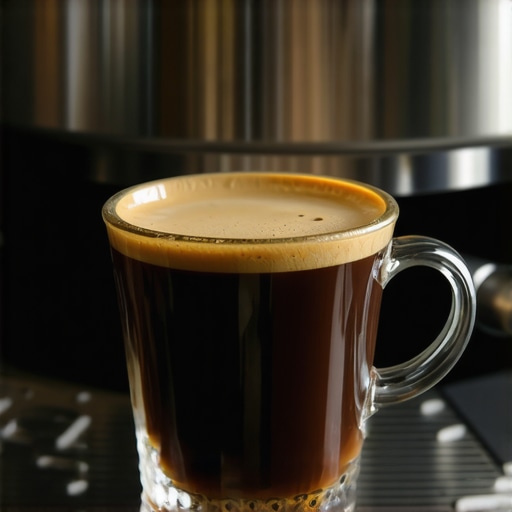
I remember the exact moment I took a sip of my carefully brewed espresso and was hit with a sharp, acrid bite that made my eyes water. I was convinced I had ruined yet another shot. Turns out, I was falling prey to a common mistake that many home baristas stumble upon: forcing high-pressure extraction and ending up with espresso that tastes more like battery acid than rich, velvety goodness. That revelation was a game-changer for me, and I bet it is for you too.
How My Perfect Espresso Turned Sour and Unbearable
At first, I thought I was doing everything right. Proper grind, fresh beans, good tamping. Yet somehow, my espresso always tipped into the sour, overly acidic territory. The breakthrough came when I realized that high-pressure extraction isn’t a magic wand – it’s a delicate dance. If the pressure is too high or too quickly ramped up, it can extract the beans unevenly, pulling out bitter compounds or, conversely, under-extracting and letting undesirable acidic elements dominate. It was like trying to cook a steak too hot and too fast – you end up with a charred outside and raw inside.
This is a mistake I made early on, often rushing through my shots without understanding how the pressure dynamics impact flavor. No wonder my espresso tasted like a chemical spill! According to scientific studies, excessive pressure can lead to over-extraction of compounds that produce harsh flavors (source: NCBI). Essentially, it’s a fine balance – your machine’s pressure should be dialed in carefully to avoid turning your espresso into that unpleasant battery acid experience.
Are We Overhyping the Power of High-Pressure Shots?
Now, I know some may skeptically wonder whether adjusting pressure settings really makes that big of a difference. It’s a fair question. When I first dove into the world of espresso, I thought pressure was just a technical detail best left to the pros. But I learned that improper pressure can sabotage even the most talented barista’s efforts. A common mistake I see often is over-tightening the tamp or relying solely on automatic pressure profiling without understanding the underlying mechanics. If you’ve ever experienced that sour tang no matter what adjustments you make, you’re not alone — I’ve been there too.
Want to see how to avoid this pitfall? Check out this guide on pressure management. Now, let’s get into the practical steps so your next shot can finally be smooth, balanced, and delicious without that shocking battery acid aftertaste. Ready to tame those pressure quirks and reclaim your espresso’s flavor? Let’s dive into the how-to’s.
Tame Your Machine’s Pressure
Start by verifying your espresso machine’s pressure gauge or, if it lacks one, use a calibration tool or a manometer kit. Remember, machines often default to 9 bars, but slight adjustments can significantly improve flavor. I once adjusted mine from 9 to 8 bars and immediately noticed a smoother, more balanced shot. Turn the machine off, locate the pressure adjustment screw (usually behind the panel), and gently turn it clockwise to lower pressure or counter-clockwise to raise it. Proceed with caution, making small ¼ turn adjustments and testing each change.
Fine-Tune Your Grind Size
Your grinder plays a pivotal role in pressure behavior. A grind that’s too fine creates excessive resistance, forcing the machine to work harder and increasing pressure beyond optimal levels. Conversely, a too-coarse grind results in under-pressure, yielding weak, sour shots. I once experimented by slightly coarsening my grind during a busy morning; the shot immediately transitioned from sour to well-balanced. Adjust your grinder in small increments, testing after each change, until the pressure stabilizes around 8.5–9 bars during extraction.
Optimize Tamp Pressure and Technique
Consistent tamping ensures uniform resistance, preventing pressure spikes. Think of tamping as sealing a garden hose. Use a quality tamper and apply steady, consistent force—about 30 pounds is a good benchmark. Avoid leaning too hard or rushing—over-tamping can cause high pressure, leading to over-extraction and sourness. I once used a bathroom scale to calibrate my tamp, ensuring I applied even pressure every time. Check your tamping station’s levelness and cleanliness; uneven surfaces or debris can cause inconsistent extraction and pressure fluctuations.
Manage Brew Ratios and Dose
Accurate dosing directly impacts pressure and flavor. Too much coffee increases resistance, elevating pressure; too little causes under-extraction. Use a scale to weigh your coffee dose precisely—ideally between 18-20 grams for a double shot. Keep your basket clean and free of residual coffee that can change resistance. I adopted the magnet trick to keep my funnel in place, ensuring consistent dosing and pressure stability.
Check for Mechanical Issues
Persistent pressure problems might stem from a leaky valve or worn parts. Listen for leaks or hissing sounds, and inspect seals and o-rings regularly. Fixing a vacuum breaker or solenoid valve can bring pressure back to ideal levels. During a recent flush, I cleared a clogged vacuum breaker with a quick guide from this troubleshooting resource, restoring correct pressure and improving shot flavor.
Perform Regular Maintenance
Regular descaling and cleaning prevent pressure drops caused by mineral buildup. A clean brew path reduces resistance, allowing your machine to maintain optimal pressure. Check your owner’s manual for descaling routines, and don’t forget to inspect and replace worn o-rings or gaskets that can cause pressure leaks. Keeping your machine in top shape ensures stable pressure and consistently great espresso.
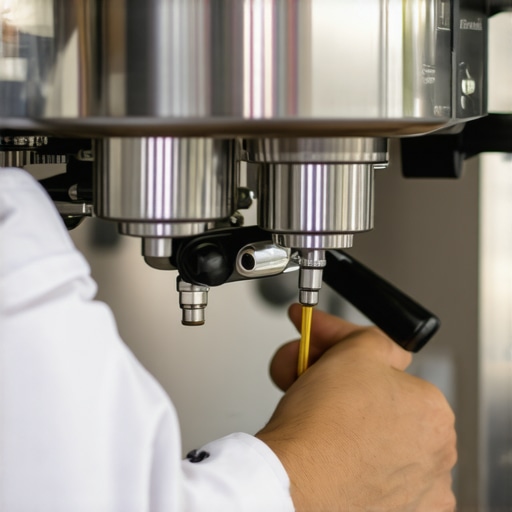 Many passionate home baristas and even seasoned enthusiasts often fall prey to misconceptions about their essential equipment like milk frothers, coffee grinders, and espresso machines. While widespread advice emphasizes certain practices, the real nuances lie in understanding what’s frequently overlooked. For instance, a common myth suggests that a high-quality burr grinder alone guarantees perfect espresso; however, inconsistent grind distribution can lead to uneven extraction, a subtle flaw that degrades shot quality over time. To prevent this, regularly check your grinder’s burrs for wear using methods like the flat burrs alignment guide.
Another misconception revolves around milk frothing techniques. Many believe that simply pouring milk into the steam wand and waiting results in glossy microfoam, but in reality, proper frothing angle and pitcher orientation are critical for achieving consistent, velvety microfoam. An overlooked detail is the importance of preventing large bubbles; using a thin-walled pitcher and controlled stretching can improve foam quality exponentially.
When it comes to espresso machines, a common mistake is neglecting regular maintenance—particularly descaling. Home machines often operate under the assumption that once cleaned, they’re problem-free. Yet, mineral buildup inside the boiler or brew path subtly hampers pressure stability. Preventing this requires routine descale cycles; consult your manual or learn from experts about descaling without damaging tiny valves.
Advanced users also learn that micro-adjustments in pressure and temperature settings can significantly influence shot flavor, especially when working with different beans or roast levels. Adjusting your PIDs or pre-infusion settings can help mitigate common pitfalls like sourness or bitterness, lending a more nuanced control. Interestingly, scientific research supports the idea that precise thermal management impacts extraction efficiency and flavor (see this study).
The trap to avoid is equating equipment quality with perfect output. Equipment can have underlying issues—like a leaky seal or a clogged portafilter—that subtly sabotage results. For example, debris buildup in filters or worn O-rings can cause pressure leaks, leading to inconsistent shots or a sudden loss of steam pressure. Regular inspection and maintenance are the unsung heroes of consistent quality. For troubleshooting, check out this detailed guide.
In essence, achieving barista-level excellence involves knowing the intricate details often ignored by beginners. Proper grinder maintenance, nuanced milk frothing techniques, diligent machine care, and precise temperature control are the secrets that truly elevate your craft. Remember, the devil is in the details—so what’s your biggest overlooked equipment flaw? Have you ever fallen into this trap? Let me know in the comments.
Keep Your Equipment Running Smoothly
Achieving consistently excellent espresso hinges on proper maintenance and reliable tools. Regular upkeep ensures your machine and accessories perform at their best and extend their lifespan. One of my favorite maintenance routines involves inspecting and cleaning the puck screen every few weeks to prevent coffee grounds from causing channeling and pressure drops. Incorporating a simple routine like this saves you from costly repairs down the line and ensures your shots are always optimal.
Tools I Trust for Consistency
My arsenal includes a high-quality digital scale with precise timing features—an investment that pays off by helping me dial in doses perfectly every time. I swear by a magnetized dosing funnel to maintain consistent coffee distribution, which directly impacts pressure stability and flavor extraction. For cleaning, I rely on a descaling solution applied monthly, as mineral buildup can cause significant pressure inconsistencies and flavor changes over time.
Preparing for Long-Term Performance
Beyond routine cleaning, I check seals and O-rings quarterly, replacing any that show wear. This proactive approach prevents leaks that can cause pressure drops or uneven extraction. Moreover, investing in a quality milk pitcher with proper temperature resistance helps maintain consistent frothing, which complements your espresso quality and presentation.
How can I maintain my espresso gear for years to come?
One crucial aspect is to adhere to manufacturer-recommended cleaning schedules and avoid shortcuts. For example, regularly disassembling and inspecting the heating element ensures it functions efficiently. Additionally, using a solenoid valve fixer can quickly address minor pressure issues without costly repairs. In the future, I predict that smart sensors integrated into espresso machines will alert us proactively about wear and tear, making maintenance even simpler and more precise.
Don’t overlook the importance of consistency in your tools. Try implementing the magnet trick today—it’s a small upgrade that can significantly impact your shot quality over time. Regular attention to your gear’s health will ensure your espresso remains a delight for many years to come.
As I reflect on my journey with home espresso, one lesson stands out as the game-changer—truly understanding and managing pressure. The initial thrill of brewing quickly turned into frustration when my shots tasted sour or overly harsh, despite following all the standard tips. That’s when I discovered that pressure isn’t just a technical setting; it’s the backbone of flavor extraction. When dialed in correctly, it unlocks the potential of your beans, revealing rich aromas and balanced tastes that make every sip a pleasure.
Lessons That No One Told Me About Espresso Pressure
– The hardest lesson was realizing that high pressure isn’t always better; it can lead to over-extraction and bitterness. I learned to view pressure as a delicate dial—small tweaks made a huge difference. Adjusting my machine’s pressure from 9 to 8 bars improved my shot dramatically.
– I underestimated the impact of grind size on pressure. Coarser beans meant less resistance, but too coarse and your shot will be flat. Fine-tuning the grind to match your machine’s pressure was a lightbulb moment that elevated my espresso quality.
– Mechanical issues like worn gaskets or leaking valves can sabotage your pressure stability. Regular inspections and maintenance, such as checking seals or replacing worn parts, proved essential for consistent results. Cleaning and maintaining your equipment ensures stable pressure and prevents surprises during your brew.
What I’ve Learned About Balancing Equipment and Technique
– Tamp pressure matters more than I thought. Consistent tamping aids in achieving even resistance, helping your machine maintain the right pressure. I used a bathroom scale to calibrate my tamping force, which made my shots more repeatable and flavorful.
– Dose adjustments influence pressure building and extraction stability. Using a scale to weigh my dose eliminated guesswork and brought predictability to my brewing routine.
– Mechanical troubleshooting tools like a solenoid valve fixer quickly addressed pressure drops caused by clogged valves, saving time and preserving flavor.
Simplify and Maintain Your Path to Perfect Espresso
Regular cleaning and vigilant maintenance are my secret weapons for consistent pressure and top taste. Descaling routines, inspecting seals, and replacing O-rings prevent pressure leaks that can sabotage your shots. A clean brew pathway ensures your machine operates smoothly, giving you the control needed to dial in pressure accurately. Investing in quality tools like a digital scale or a pressure calibration kit—such as a manometer—makes adjustments straightforward and reliable. Keep an eye on your machine’s pressure gauge, and don’t hesitate to make small, incremental changes; they can unlock new levels of flavor that you once thought impossible.