Why Your Espresso Shot Is Bitter but the Extraction Time Is Correct
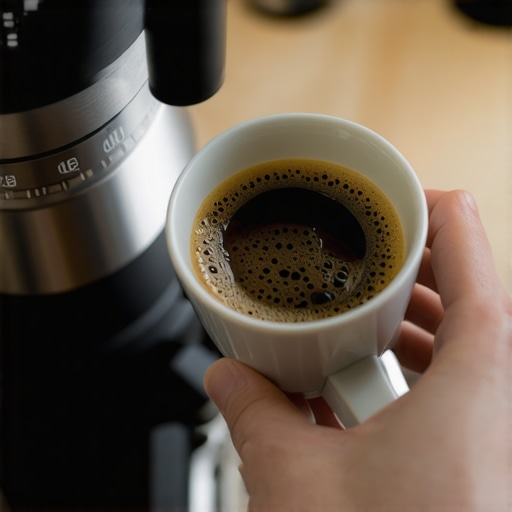
I remember the afternoon I finally decided to master my espresso at home. I meticulously weighed every shot, tuned my grinder, and watched the extraction like a hawk. When the dark, rich shot finally poured into my cup, I couldn’t wait — only to take a sip and grimace. It was bitter, harsh, and completely unbalanced. I was sure I had done everything right, yet my espresso betrayed me.
That frustrating experience lit a fire in me to figure out what was going wrong. If you’ve ever stared at your espresso shot, puzzled why it’s bitter even though your extraction time seems spot-on, you’re not alone. Many home baristas face this dilemma — pouring a perfect-looking shot that unexpectedly tastes off. And let me tell you, troubleshooting this can be surprisingly complex.
In this post, I promise to demystify why your espresso might taste bitter despite correct extraction times. We’ll explore common pitfalls, subtle mistakes, and proven techniques to help you enjoy balanced, flavorful espresso every time.
Why Does My Espresso Taste Bitter Despite Correct Timing?
One of the biggest misconceptions is that accurately timed extractions automatically mean you’ve brewed the perfect shot. But bitter flavors can sneak in from factors beyond just timing. For example, over-extraction or using roasted beans too dark can produce bitterness, even if your shot pulls within the typical 25-30 seconds.
Early on, I made the mistake of assuming that a precise shot time meant everything was aligned. Instead, I overlooked grind size, tamping pressure, and water temperature — all critical players in flavor balance. For instance, if the grind is too fine, water struggles to pass through, extracting bitter compounds from the coffee.
Another sneaky culprit is using beans that are past their prime. Coffee beans release different flavors as they age, and over-roasted beans tend to be more bitter. Sometimes, I replaced my beans with fresher ones, and the flavor changed dramatically. For more on selecting the best beans for your setup, check out [this guide](https://espressotechguide.com/the-best-coffee-beans-for-a-home-espresso-setup).
Moreover, water temperature plays a vital role. If your machine isn’t heating water to the optimal brew temperature (usually around 195-205°F), it can lead to over-extraction and bitterness. Regularly checking your machine’s internal temperature can save a lot of guesswork.
If you’ve double-checked all these factors and still find your espresso bitter, it might be time to revisit your grind settings or consider cleaning your machine’s brewing components. Small details truly make a big difference.
Understanding these nuances is the first step toward consistently delicious espresso. Are you tired of bitter shots ruining your morning? Don’t worry — I’ve been there, and I’ll guide you through concrete steps to fix this issue, starting with an examination of your grind and extraction process.
Adjust Your Grind Size for Better Balance
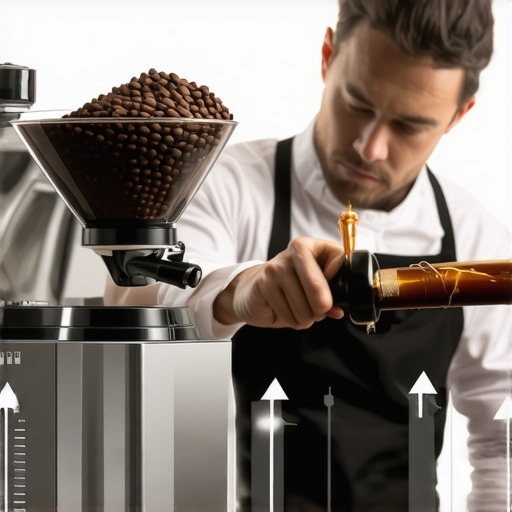
Start by dialing in your grinder to a slightly coarser setting. I once nearly ruined an entire shot by grinding too fine, leading to over-extraction and bitterness. Turn your grinder dial a little coarser, then pull a test shot. Observe the flow: it should be slow but steady, resembling warm honey. If it drips like water instead, the grind is too coarse. This adjustment helps prevent bitter, over-extracted flavors and makes your shots more controlled.
Practice Proper Tamping Pressure
Consistent tamping is crucial. Imagine tamping as squeezing a ketchup bottle: too light, and water will rush through too quickly; too hard, and it gets stuck. A good rule of thumb is applying about 30 pounds of pressure—think of it as pressing a car key into your palm. Use a tamping station with a built-in pressure gauge or a simple bathroom scale to calibrate your pressure. I once watched a barista use a bathroom scale to perfect her tamping, resulting in shots with richer body and less bitterness.
Control Water Temperature Precisely
Water temperature significantly influences extraction. Invest in a high-quality espresso machine with PID temperature control or a thermometer probe. Keep your brew temperature steady around 200°F (93°C). I noticed an immediate improvement after installing a thermometer: shots became more balanced and less bitter. If your machine struggles with temperature stability, consider servicing it or using an external temperature controller. Proper temperature management prevents over-extraction that leads to bitterness.
Optimize Extraction Time with Technique
Even if your shot time matches the standard, fine-tune your approach. Use a stopwatch to time from first drip to end. If your extraction takes longer than 30 seconds, or if it’s too fast, make micro-adjustments to grind size and tamping as previously discussed. When I aimed for a 25- to 30-second shot, I found that adjusting my grind to slightly coarser and tamping with consistent pressure yielded cleaner, sweeter flavors avoiding bitterness.
Keep Beans Fresh and Properly Stored
Stale or improperly stored beans can cause harsh bitterness. Store your beans in an airtight container in a cool, dark place, away from light and heat. I always buy small batches and consume them within two weeks. Prioritize freshly roasted beans and avoid pre-ground coffee unless used immediately. For more details on selecting ideal beans, check out this guide. Fresh beans offer vibrant flavors that make a noticeable difference in your shot quality.
Regular Machine Maintenance Is Key
Clogged or dirty equipment causes uneven extraction and bitterness. Backflush your machine weekly with a proper cleaning regimen, including cleaning your portafilter and group head. Use a dedicated brush for your shower screen and wipe down steam wands daily. Once, I neglected cleaning and experienced bitter, sour shots. After proper cleaning, my espresso was smooth and balanced. Keeping your gear in top shape ensures consistent results and avoids flavor-robbing residues, as explained in this cleaning technique.Many enthusiasts jump into home espresso brewing with a sense of urgency, but there’s a lot of misinformation floating around that can hold you back. One of the biggest myths is that investing in high-end equipment guarantees a perfect shot every time. While quality gear is essential, neglecting technique and understanding nuanced factors like grind consistency or water chemistry can sabotage your efforts. For example, many believe that using a premium coffee grinder alone will resolve flavor issues, but inconsistent dosing or poor maintenance often undermine its benefits. I recommend exploring this guide to understand the critical role of grinder calibration and cleaning.
Another common trap is assuming that milk frothers are a one-size-fits-all solution for café-quality microfoam. In reality, mastering milk texturing requires understanding milk composition, pitcher shape, and steaming techniques. Beginners often overlook how the temperature and protein structure of different milk types impact the foam’s stability, leading to disappointing results despite having a top-tier frother. Check out this post for advanced tips.
Let’s address a frequently asked question that tends to trip up even seasoned enthusiasts:
Can upgrading my espresso machine fix all my brewing issues, or do I still need to learn the basics?
It’s a tempting thought that a newer, more expensive espresso machine will instantly improve your shots. However, studies and expert opinions suggest that equipment alone can’t compensate for improper technique. In fact, mastering the art of home espresso involves understanding variables like tamping pressure, shot timing, and even room temperature. Upgrading without these foundational skills can lead to costly equipment and persistent frustration.
Think of your gear as a toolset—without knowing how to properly use each instrument, you’re unlikely to achieve professional results. It’s often more effective to refine your technique and understanding first, then consider equipment upgrades. This approach prevents the common mistake of chasing the latest gadgets while overlooking the basics. Remember, even high-end espresso machines won’t turn average beans into exceptional espresso without proper technique.
In conclusion, the real advancement comes from understanding what truly influences your brew—beyond the equipment. Focus on refining every step, from bean selection to maintenance, and you’ll find yourself achieving consistent, delicious results. Have you ever fallen into this trap of believing more expensive gear is the answer? Let me know in the comments and share your experiences.
Keep Your Equipment in Prime Condition for Consistent Results
Ensuring your espresso setup remains reliable requires diligent maintenance and choosing tools that resonate with your brewing style. Regularly cleaning components like the shower screen and portafilter using specialized brushes (see this brush) prevents buildup that can cause bitter extraction. Investing in high-quality descaling solutions and water filters extends your machine’s lifespan and preserves flavor integrity. I personally prefer the deep-cleaning methods that remove coffee oils and mineral deposits from internal passages, ensuring every shot is as fresh as the day I bought my machine.
How do I maintain my equipment over time?
Developing a routine maintenance schedule is crucial. This includes nightly wiping of steam wands, weekly backflushing with appropriate cleaning agents, and monthly descaling, especially in areas with hard water. Leveraging tools like calibrated scales and temperature meters allows precise monitoring, reducing wear and tear. Regular inspections and timely replacements of worn gaskets or seals prevent leaks and pressure drops, keeping your brewing consistent. For comprehensive tips, visit this guide to extend your equipment’s lifespan.
Choosing Reliable Barista Gear for Long-Term Success
Your journey toward café-quality espresso at home isn’t just about the machine—it’s about the accessories and tools that complement it. I recommend selecting a solid tamping station with adjustable pressure calibration, which ensures consistent tamping pressure—crucial for even extraction. For grinders, opting for one with micro-adjustments ensures precise grind size control, preventing bitterness from over or under-extraction. A sturdy milk pitcher with a narrow spout significantly improves microfoam quality and pour control. To streamline your setup, consider a barista tool kit that consolidates brushes, tampers, and calibrators, making maintenance quick and stress-free.
What tools are essential for keeping my espresso gear running smoothly?
Beyond the basics, investing in a reliable tamper with a consistent weight (around 30 pounds of pressure), a digital thermometer for water and steam temperature checks, and a clean, rust-proof milk pitcher will elevate your brewing precision. When I maintained my setup using these tools, I noticed an immediate improvement in shot consistency and milk microfoam. For more insights on selecting the right gear, visit this resource. Try calibrating your tamper pressure with a bathroom scale for a week—it’s a game-changer!
Plan for the Future of Your Home Espresso Space
As technology advances, new tools like smart scales that sync with brewing apps or PID controllers with customizable profiles are emerging. I predict a shift toward fully integrated smart workflows that monitor variables and suggest adjustments in real-time, making home brewing as precise as professional labs. Staying updated with reputable sources like top-rated machine reviews will help you select gear capable of keeping pace with these innovations.
Ready to optimize your setup? Try calibrating your tamping pressure with a bathroom scale this week. Small adjustments can yield significant improvements!
The Hardest Lesson I Learned About Home Espresso, Milk Frothers, and Barista Gear
One of the most eye-opening realizations was that even seemingly simple adjustments—like tweaking grind size or tamp pressure—can have outsized impacts on flavor. I once believed that sticking rigidly to recommended extraction times was enough, only to find that the shot still tasted bitter. The lesson? Mastery requires patience, keen observation, and the willingness to experiment beyond standard parameters.
3 Surprising Truths About Achieving Espresso Perfection
- Bean freshness trumps everything: No amount of technical tweaking compensates for stale beans. Freshly roasted beans from a trusted source, stored properly, made a world of difference for me. Check out this guide on selecting the best beans.
- Temperature control can make or break your shot: I used to ignore my machine’s temperature fluctuations until I installed a PID controller. The improvement was staggering; cups became smoother and less bitter. For precise temperature management, see this resource.
- Routine maintenance is underrated: Regular cleaning of the group head and portafilter prevented bitter, inconsistent shots. Dirty equipment is often an unseen culprit. Invest in tools like this cleaning brush for effortless upkeep.
Mistakes That Caught Me Off Guard and How to Avoid Them
An unexpected lesson was realizing that over-tamping can hinder extraction just as much as under-tamping. Applying a consistent pressure—about 30 pounds—was a game-changer, and using a calibrated tamper with a pressure gauge helped me develop a more dependable technique. Find out more about tools for precision at this page.
Embracing Continuous Learning with Gear and Technique
One thing I’ve come to appreciate: there’s always a new technique, tool, or tip that elevates your brewing. Whether it’s experimenting with different coffee grinders or trying out innovative milk frothing methods on premium frothers, staying curious guarantees progress. Investing in quality gear, aligned with your evolving skills, creates a satisfying cycle of improvement.
Passion Turns Barista Lessons into Daily Rituals
The most rewarding part? Realizing that each small adjustment—whether calibrating your grinder or cleaning your machine—brings you closer to that perfect shot. It’s about building confidence through experience and learning to listen to your equipment. Keep experimenting, stay patient, and enjoy the journey—your ideal home espresso awaits. What’s the one lesson you wish you knew when you started your brewing adventure? Share below, and let’s grow together in this flavorful pursuit.