
Why Your Coffee Beans Are Bouncing Around the Hopper
One morning, I was all set to make my favorite espresso when I noticed something strange—my coffee beans were bouncing wildly inside the hopper, almost as if they had a life of their own. It was frustrating. Instead of a smooth grind, I was met with constant jarring noises and uneven feeding, throwing off my shot entirely. That lightbulb moment made me realize how a tiny detail like bean movement could mess up an entire brew. If you’ve ever experienced this chaotic dancing of beans, you’re not alone. Many coffee enthusiasts find themselves scratching their heads, wondering why their beans bounce around so much and what it means for their brewing process.
Understanding Bean Movement and Its Impact on Your Brew
Have you ever wondered how the way your beans move in the hopper could affect the flavor and consistency of your coffee? Well, it turns out, this isn’t just a minor annoyance—it can lead to uneven grinding, inconsistent extraction, and ultimately, a less-than-stellar cup. When beans bounce around excessively, it often means they’re not feeding properly into the grinder, which can cause over- or under-extraction, resulting in dull, sour, or bitter flavors. Moreover, too much static or clumping caused by improper handling can make dosing a real hassle. Trust me, I’ve made the mistake early on of ignoring these signs, only to end up with inconsistent shots that left me more frustrated than satisfied. It’s a mistake many beginners make, believing that all beans are created equal or that minor static isn’t worth worrying about.
Is Static Electricity Really Wreaking Havoc on Your Coffee?
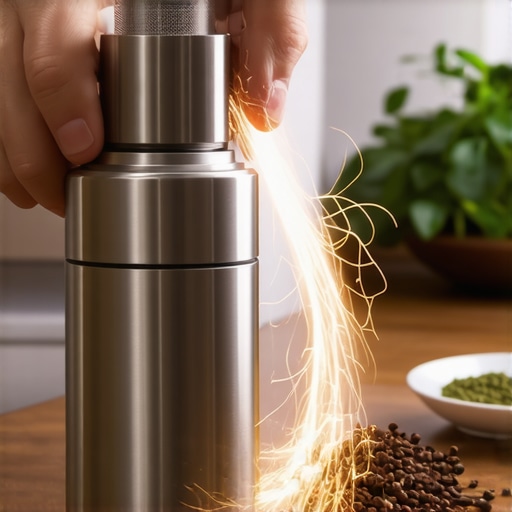
One of my most common pitfalls was overlooking how static electricity impacts bean flow, especially in dry environments. Static can cause beans to cling to grinder chutes or hop chaotically in the hopper, disrupting a smooth feed. It’s easy to think this is a minor issue, but the truth is, static buildup can substantially change your grind consistency. According to experts, static is a frequent culprit in static-charged grinders, which can be mitigated through proper storage and equipment adjustments. My early mistake? Ignoring the importance of storing beans properly and cleaning grinder components regularly. That overlooked step made static worse, leading to more bouncing and less control over my espresso quality. Now, I know better, and I want to share what I’ve learned so that you can avoid these frustrating pitfalls. In fact, understanding the root cause of bean bouncing can help you improve not just your grind but your entire coffee experience.
Control Bean Storage to Minimize Static
Start by storing your coffee beans in an airtight container away from direct sunlight and humidity. This reduces static buildup, which causes beans to cling and bounce. I once transferred my beans into a ceramic container and found my hopper feeding more smoothly, eliminating much of the bouncing problem.
Clean and Maintain Your Grinder Regularly
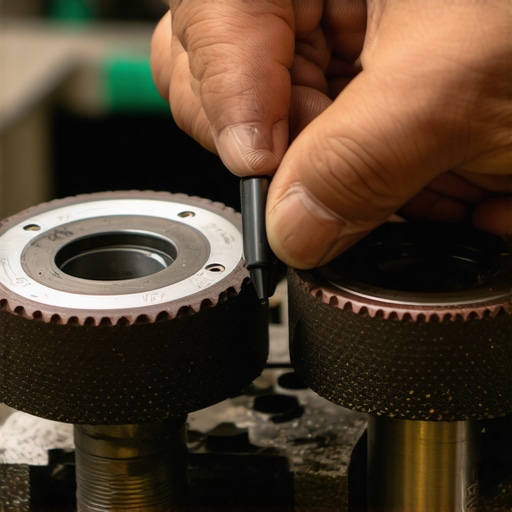
Residual oils and coffee particles inside the grinder can increase static and disrupt bean flow. Use a dedicated cleaning brush to remove debris from the chute and burrs weekly. When I cleaned mine with a soft brush, my beans moved more predictably, leading to consistent grinding.
Adjust Grind Settings for Better Feed
If beans jump or static causes uneven feed, consider dialing your grinder to a slightly coarser setting. Finer grinds increase static and clumping. Experiment by turning the grind dial and testing small batches. I found that coarsening my grind by just a tiny fraction reduced static significantly without sacrificing shot quality. For more detailed guidance, see how to select the perfect coffee grinder.
Use Anti-Static Devices or Treatments
Invest in static-reducing solutions like anti-static spray designed for coffee equipment, or install anti-static silicone o-rings in your hopper. I applied a small amount of anti-static spray, which diminished static cling. Be cautious and use products recommended by experts to avoid contaminating your beans.
Implement Proper Dosing Techniques
Use a scale to precisely dose your beans before grinding. Overdosing can overload the grinder and increase static, causing beans to bounce. When I measured my beans accurately, my feed was more controlled, reducing bouncing and static. For optimal results, check out mistakes in grinding too much coffee at once.
Refine Hopper Geometry and Placement
Ensure your hopper is not overfilled; a fuller hopper creates more static and chaos. If your machine allows, use a hopper with anti-static coating or a smaller size to promote better feed consistency. Once I switched to a smaller hopper and kept it less than half full, the bouncing nearly stopped, and bean flow improved dramatically.
Many coffee enthusiasts jump into upgrading their equipment with the belief that buying the latest or most expensive gear will automatically elevate their brewing game. However, this is a misconception rooted in surface-level thinking. In reality, most people overlook the intricate nuances that truly determine a perfect shot—like grind consistency, machine calibration, and even the micro-adjustments on your grinder. For instance, investing in a high-end espresso machine without mastering proper tamping or extraction techniques is akin to getting a sports car but only driving in first gear. Experts like Scott Rao emphasize that consistency and precision often trump the equipment itself when it comes to stellar espresso. Moreover, a common myth is that premium gear guarantees quality; in truth, many hobbyists find that carefully tuned mid-range equipment, paired with solid knowledge, surpasses flashy but poorly maintained high-end machines. One trap to avoid is the temptation to constantly upgrade gear in search of perfection, which distracts from honing core skills. Advanced baristas understand that subtle adjustments—like tweakings of temperature stability or flow rate—can make or break your espresso, emphasizing the importance of understanding your machine’s internal dynamics.
Are the Cheap Coffee Grinders Really Worth It or Just a Waste of Money?
While many believe expensive grinders are the only way to achieve grind uniformity, some affordable models, when properly calibrated and used with high-quality beans, can produce surprisingly consistent results. According to barista trainer James Hoffmann, the key is not just the grinder’s price but how well you understand its quirks and optimize its settings. Additionally, static buildup in grinders, often dismissed by amateurs, can significantly impair grind consistency and even cause uneven extraction. Choosing the right grinder involves more than just specs; it requires understanding issues like burr geometry, retention, and static management. Don’t fall into the trap of assuming a more expensive grinder automatically fixes all your issues. Instead, focus on mastering your equipment—learning how to dial in grind size precisely, clean regularly, and adjust for environmental factors like humidity. For comprehensive guidance, check out our article on how to select the perfect coffee grinder. Remember, a well-maintained, properly calibrated grinder can sometimes outperform the more expensive ones if you understand its nuances.
When revisiting your gear choices, consider the whole espresso-making ecosystem—machine, grinder, microphone, and technique. Upgrading your hardware should always be paired with a willingness to learn and adapt, not just throwing money at the problem. So, have you ever fallen into this trap? Let me know in the comments.
Maintaining your espresso equipment isn’t just about prolonging its lifespan; it’s about ensuring that each brew meets your exacting standards consistently. Regular upkeep, combined with the right tools and techniques, helps you avoid costly repairs and guarantees a great cup every time. One essential tool I personally swear by is the dedicated grinder brush. Using a precise cleaning tool allows me to remove coffee residues and oils without dismantling the grinder, saving time and maintaining consistent grind quality.
Precision in Maintenance: The Best Tools for Home Baristas
Investing in quality tools like a digital water hardness tester ensures your machine operates with optimal water quality, reducing scale buildup and prolonging component lifespan. I test my water monthly, which helps me decide when to descale using a commercial descaler like Dezcal, recommended for its effectiveness and safety. Similarly, a precision scale is vital for dosing accuracy, influencing shot quality and consistency. Regularly calibrating your grinder with a timing test ensures you maintain optimal grind settings over time, compensating for any wear or environmental changes.
Predictive maintenance is gaining popularity among seasoned enthusiasts. Software solutions like smart coffee tools can monitor your equipment’s usage and alert you to potential issues before they escalate. These systems, combined with manual checks, make troubleshooting more manageable and reduce unnecessary downtime.
To maximize your investment, schedule routine deep cleanings of all removable parts, including group heads and steam wands. Use specific cleaning tablets designed for espresso machines, which dissolve stubborn deposits effectively. When I follow this routine, my machine runs smoother, and I notice an immediate improvement in shot clarity and foam quality. Remember, consistent maintenance isn’t just reactive; it’s proactive—aiming to catch small issues before they become big problems.
In the near future, integrating IoT (Internet of Things) technology into your barista setup will become more commonplace, allowing real-time diagnostics and personalized maintenance suggestions, much like how smart thermostats optimize home heating. Until then, adopting a disciplined maintenance routine with the proper tools ensures you keep your gear performing at its best, turning each coffee session into a reliably excellent experience.
If you’re serious about fine-tuning your setup, start with regular descaling and calibration. Try implementing a monthly cleaning schedule utilizing quality brushes and descalers. Your future self will thank you for the saved expenses and, more importantly, the perfect pours to come. Want expert advice tailored to your specific gear? Visit our contact page to connect with professionals who can guide you through personalized maintenance plans.
What I Wish I Knew About Bean Behavior from the Start
One of the biggest revelations in my espresso journey was realizing how much the way beans move in the hopper influences every shot I pull. I used to dismiss static and bouncing as minor inconveniences, but I found out they can actually sabotage my flavor profile and consistency. That lightbulb moment led me to prioritize proper storage, regular cleaning, and thoughtful grinder calibration, transforming my approach from guesswork to precision. Learning to read these micro-behaviors has saved me time, money, and a lot of wasted shots, making each cup truly delightful.
Gear Tips That Changed My Coffee Game
After experimenting with various tools, I discovered that investing in a quality grinder with anti-static features or adding static-reducing accessories can be game-changers. Combining this with using a digital scale for dosing and a dedicated grinder brush for maintenance has kept my beans flowing smoothly. I also found that switching to a smaller, less full hopper reduced static buildup, resulting in a more predictable and stable feed. These simple adjustments, paired with reading deep articles like how to select the perfect coffee grinder, helped me elevate my consistency without the need for expensive upgrades.
The Power of Consistent Care and a Curious Mind
Maintaining your espresso setup is more than routine cleaning; it’s about cultivating curiosity to understand how each component influences your brew. Whether it’s testing water quality with a water pressure, or calibrating your grinder with precise timing, every step reinforces your mastery. Embracing this mindset transforms coffee from a daily ritual into a personalized craft. Remember, even experienced baristas are constantly learning, experimenting, and refining—so never stop exploring how small details, like static management or hopper adjustments, make a big difference.
Let’s Elevate Your Home Espresso Experience Today
If mastering bean dynamics feels overwhelming, start small: store beans properly, clean your grinder regularly, and adjust your grind based on environmental cues. Each tweak brings you closer to barista-quality shots. Curious about custom setups or troubleshooting specific equipment quirks? Visit our contact page—I love helping fellow enthusiasts perfect their craft. Remember, coffee is an art informed by science, and every challenge you overcome refines your skills. So, what’s the one detail in your setup you’re excited to improve today? Share below and let’s elevate our espresso game together!