Why Your Espresso Shot Is Pulsing as it Flows
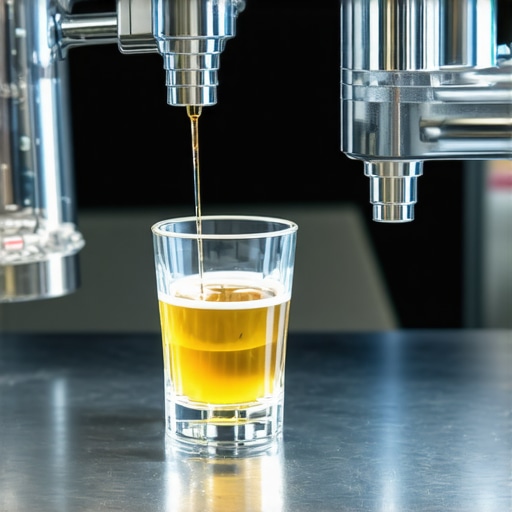
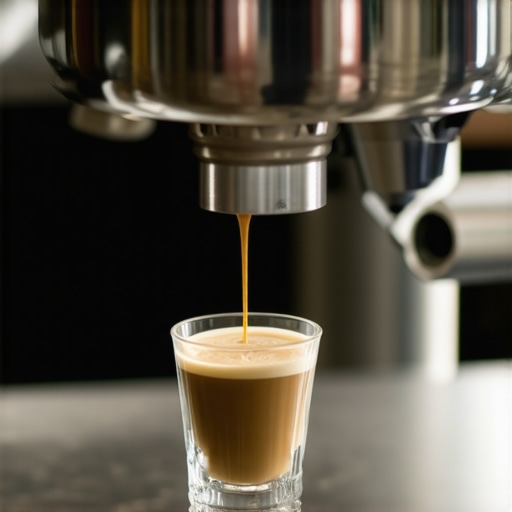
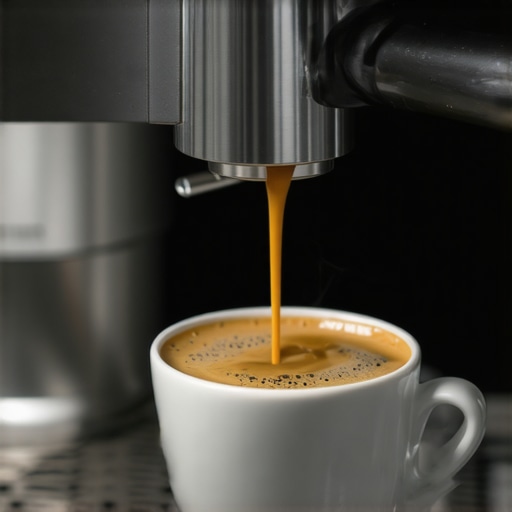
Ever stood in front of your espresso machine, ready to enjoy that perfect shot, only to watch it pulse and sputter like a vintage engine misfiring? I remember the first time I saw my espresso flow in irregular pulses—it was a heart-stopping moment that made me question everything I thought I knew about brewing coffee at home. That shimmering stream I expected instead looked more like a jittery heartbeat, and honestly, I felt a twinge of frustration and confusion.
But why does this happen, and more importantly, how can we fix it?
In my journey from a coffee newbie to a confident home barista, I learned that the pulsing flow of an espresso shot isn’t just a random glitch—it’s often a signal that something’s off. Whether it’s a tamping issue, grind size inconsistency, or even machine pressure quirks, these pulses can indicate underlying problems that, if unaddressed, lead to underwhelming flavor and wasted beans.
The good news? You’re not alone, and fixing this pulsing isn’t as complicated as it might seem. Today, we’re going to delve into the root causes of pulsing espresso—like uneven tamping, inconsistent grind distribution, or pressure fluctuations—and uncover straightforward solutions.
But before we jump into solving this puzzle, I want to share a bit of my early mistake. I used to think that a little pulsing was normal, and I ignored it. It took me countless wasted shots and a few skewed flavor profiles before I realized that meticulous technique and understanding my machine’s needs could make all the difference. I’d suggest you avoid my beginner’s oversights and instead focus on the nuances that turn a good espresso into a great one.
Is your espresso flow also pulsing and leaving you wondering if something’s broken? If so, keep reading. I promise that by the end of this guide, you’ll know how to troubleshoot and stabilize your shot, leading to that luscious, steady flow every time.
Let’s start by understanding what causes the pulsating flow and how to detect the culprit—because a steady shot is the foundation of perfect espresso.
Calibrate Your Grind Size for Consistent Extraction
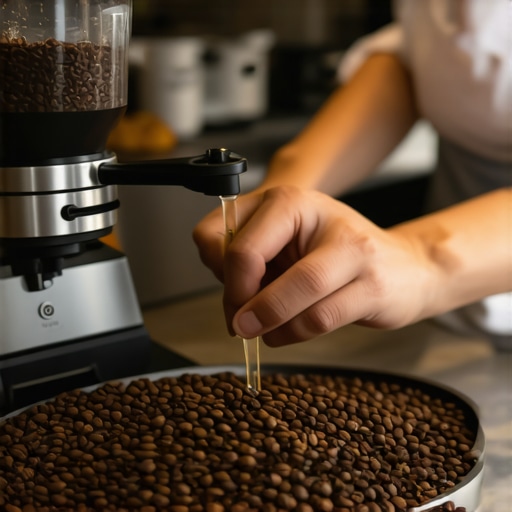
Begin by adjusting your coffee grinder to achieve a uniform, finer grind. Think of it like tuning the needle of a watch—precision matters for steady flow. A micro-adjustment can make a significant difference. I once experimented with my grinder, turning the dial slightly finer until the flow became smoother, and the pulses vanished. Use a good coffee grinder to ensure grind uniformity, and consider dialing in your shot over multiple attempts until you find that sweet spot for your beans.
Ensure Even Tamping Pressure
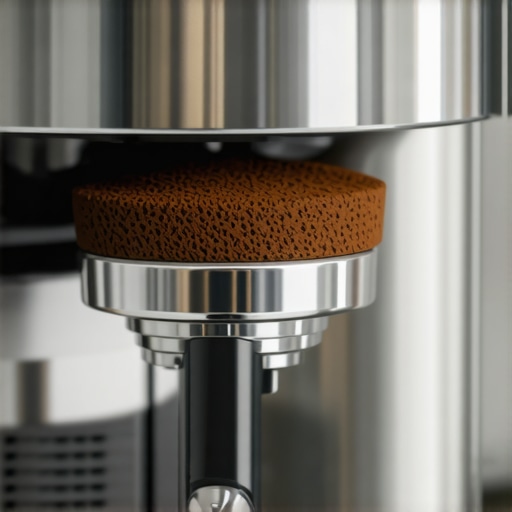
Think of tamping like pressing the keys on a piano—each key should be pressed evenly for harmony. Use a tamper that fits your portafilter size perfectly; similar to how a barista gear is essential for precise results. Apply firm, consistent pressure—around 30 pounds, if possible—and avoid uneven tamping, which can cause channeling and pulsing. I once was frustrated when my shot pulsed wildly, but after adopting a routine of even tamping, my flow stabilized, leading to a richer flavor profile.
Check for Proper Distribution of Coffee
Uneven distribution acts like a bump in a pipe—causing inconsistent flow. Use a coffee distributor or a simple finger flick to level the grounds before tamping. In practice, I cleared a clogged portafilter that caused pulsing by redistributing the coffee evenly, preventing water from channeling through weak spots. This quick step is often overlooked but is crucial. One method involves tapping the portafilter gently on a surface or using a distribution tool, which is especially helpful if you’re working with fresh, sticky beans.
Verify the Freshness and Quality of Beans
Old or oily beans can cause uneven extraction and pulses. Use fresh beans ideally roasted within the last two weeks. Store them properly—airtight containers in a cool, dark place—so they don’t become stale or develop oils that disrupt flow. I learned this firsthand when I used a bag of a month old beans; the shot was erratic, and pulsing was prominent. Replacing with freshly roasted beans instantly improved stability. Remember, quality beans are the backbone of a smooth, pulsing-free shot.
Adjust Your Machine’s Pressure Settings
Most machines have a pressure gauge indicating the extraction pressure, ideally around 9 bars. If your machine allows fine-tuning, reduce or boost pressure to find the sweet spot. Think of it like tuning a guitar string—small adjustments make a marked difference. I found that slight pressure adjustments helped eliminate pulsing when experimenting with different grinders and tamping techniques. For machines that need more advanced calibration, consult your machine’s manual or contact a professional for precise tuning.
Maintain Your Equipment Regularly
Clogged screens, worn gaskets, or misaligned parts can cause inconsistent pressures and pulses. Clean your group head and shower screen weekly—especially if you notice uneven flow. Use a descaling process to avoid mineral buildup, which can impair pressure. I recently cleared a stubborn blockage in my machine’s three-way valve, which had caused pulsing issues, by following a step-by-step cleaning. Keeping your gear in top shape ensures steady, predictable shots, free from pulsing disruptions.Many home baristas believe that investing in the latest milk frother or a premium grinder automatically guarantees perfect espresso or latte art. However, what most people get wrong is assuming that equipment quality alone determines success. In reality, nuanced understanding of your gear’s limitations and proper technique plays a vital role.
For instance, a high-end milk frother, advertised as the best for silky microfoam, can underperform if you don’t control your milk temperature or technique. Similarly, many are convinced that a more expensive grinder produces superior espresso, but in truth, inconsistent grind size or improper calibration often diminish its potential. As I always emphasize in selecting the right grinder, understanding your machine’s capabilities is as important as choosing a model.
What about the myth that more expensive espresso machines automatically produce better shots?
This is a classic misconception. The reality is that even the most high-end equipment, if not properly calibrated or used with skill, can produce mediocre espresso. According to expert baristas, regular maintenance, correct pressure settings, and dialed-in grind size influence shot quality far more than price tags. Regularly, I see enthusiasts invest in top-tier machines expecting instant perfection but neglect simple tweaks like group head cleaning or temperature calibration, which drastically affects performance. Remember, investing in top-rated espresso machines won’t compensate for improper technique or lack of maintenance.
Another common trap is relying heavily on flashy gear to impress rather than focusing on foundational skills. For example, using advanced barista tools without mastering tamping pressure or water temperature adjustment can lead to underwhelming results. It’s always tempting to think that equipment upgrades will resolve all issues, but as with any craft, consistent practice and understanding are irreplaceable. Make sure your approach complements your gear, not replaces good technique—find more tips in mastering home espresso.
In conclusion, don’t fall prey to the illusion that gear alone makes perfect coffee. Instead, consider it an investment in your skills, learning to leverage your existing equipment effectively. Proper calibration, maintenance, and technique always trump the hype of the latest gadget. Want to learn how to optimize your gear for best results? Reach out through contact us or explore comprehensive guides to elevate your home barista game. Remember, the real secret lies in mastering the nuances that turn a good shot into an exceptional one, regardless of your equipment’s price. Have you ever fallen into this trap? Let me know in the comments.Maintaining your espresso setup isn’t just about cleaning now and then—it’s about implementing a disciplined routine and investing in the right tools. A high-quality milk frother can elevate your latte art, but only if it’s properly cleaned and calibrated regularly. I personally swear by the Oster Milk Frother that combines affordability with ease of cleaning, ensuring microfoam is always consistent. To keep your grinder in peak condition, I use a small electric brush, like the specialized grinder cleaning brush, which reaches into tight spots without dismantling the entire unit. Regular maintenance prevents clogs and uneven grinding, which are common culprits behind inconsistent espresso.
Getting the perfect espresso shot is as much about nuance as it is about equipment. Throughout my journey, I’ve realized that the real magic happens when I embrace the intricacies—calibrating my grinder precisely, maintaining optimal pressure, and understanding my machine’s needs. These insights transformed my brewing from a routine to a craft, elevating every sip from good to exceptional.
The Hardest Lesson I Wasn’t Told About Barista Gear
- Investing in top-tier equipment won’t automatically make you a barista. I learned that mastering technique, like tamping evenly and controlling temperature, is essential. Even the most expensive grinder can produce inconsistent grounds if not dialed in properly.
- Consistent routine trumps fancy tools. Regular calibration and maintenance of your espresso machine and grinder are what prevent pulsing shots and flavor mishaps. It’s about developing a discipline that aligns equipment with technique.
- Understanding your beans is crucial. Freshness, roast level, and grind size are interconnected. I found that adjusting grind finer or coarser based on humidity and bean age significantly improved flow stability and flavor.
- Don’t overlook the importance of even coffee distribution. Simple redistribution techniques can eliminate channeling, leading to steadier extraction and richer taste.
Tools That Truly Make a Difference in Your Home Setup
- A quality coffee grinder tailored to your beans is the backbone of consistent shots. I personally trust this resource to help select equipment that suits your needs.
- A reliable tamping station ensures even pressure. It’s a small investment that pays off by preventing uneven infusion and pulsing issues.
- Proper cleaning supplies and routines keep your machine performing. Regular descaling and cleaning of shower screens dramatically improve flow stability, as I’ve experienced firsthand.
- A good quality milk frother, like the recommendation here, helps craft microfoam that truly elevates your latte art and overall coffee pleasure.
Believe in Your Brewing Journey
Every espresso shot is an opportunity to learn and refine your craft. Embrace the process, and don’t be discouraged by initial pulsing or flow irregularities—they’re part of the learning curve. With patience and attention to detail, you’ll find that your home espresso setup becomes a source of joy and pride. Remember, the key to outstanding coffee isn’t just the gear but your commitment to mastering its nuances.
What’s your biggest challenge when dialing in your espresso shot? Share below—let’s grow together!
,