The Secret to Making Decaf Espresso Taste Like a Real Roast
I vividly remember the day I decided to go all-in on home espresso brewing. I had invested in a shiny new espresso machine, a ceramic burr grinder, and even splurged on a set of barista tools. I was bubbling with excitement—ready to craft that perfect shot. But frustration hit harder than a backup pump. My decaf espresso, despite all the fancy gear, still tasted flat, muted, and, honestly, a little disappointing. I thought, “Maybe decaf just can’t deliver the depth I crave.” That lightbulb moment led me down a rabbit hole of research, trial, error, and eventually a few game-changing secrets that transformed my brew—and I’m here to share them with you.
Why Decaf Coffee Should Never Miss Its Roast Profile
Decaf coffee often gets a bad rap for lacking the vibrant flavor of its caffeinated counterpart. But the truth is, with the right techniques, you can brew decaf espresso that rivals the richness of a dark roast. The hurdle isn’t the decaffeination process itself; it’s how we approach brewing and extract those nuanced flavors. Many home baristas overlook the importance of proper grind size, water temperature, and pre-infusion, leading to lackluster results. Understanding what makes a coffee ‘come alive’ is essential—especially when working with decaf, which is more sensitive to variables due to its processing. If you’ve ever felt disappointed after pulling a shot of decaf that tastes weak or overly sour, you’re not alone. I made the same mistake early on—assuming that decaf would naturally be bland and easy to brew. Spoiler: it’s not. But once you learn to treat decaf like a real roast, the flavorful reward is absolutely worth it.
Is Improving Decaf Flavor Worth the Extra Effort?
When I first started experimenting, I wondered if putting extra time and care into decaf was justified. Turns out, yes—especially once I realized that many of my issues stemmed from simple mistakes. For instance, I used a too-coarse grind, which led to under-extraction, or I didn’t adjust the water temperature enough, which hampered flavor extraction. These tweaks might seem minor but make an enormous difference. As always, precision matters. For more detailed guidance on grind settings that maximize flavor, check out this comprehensive guide.
Decaf is more delicate than regular coffee because it’s often processed differently and can be more prone to over- or under-extraction. But don’t let that discourage you! With a few tailored strategies, you can elevate your decaf espresso to a whole new level. Ready to discover how to turn your decaf into a flavor-packed experience? Let’s dive into the core secrets that will set your brew apart.
dial in your grinder for decaf perfection
Start by adjusting your grinder to a slightly finer setting than usual. Since decaf beans are often denser and have a different moisture content, a finer grind ensures better extraction. I remember once tweaking my grinder just before a brew for a family gathering; the result was a shot with a balanced crema and vibrant flavor. Mastering grinder settings is crucial for decaf.
Optimize water temperature and flow
Decaf coffees are sensitive to temperature fluctuations. Aim for a brew temperature around 200°F (93°C). Use a machine with precise temperature control, and double-check with a thermometer if necessary. During a tense Sunday morning, I used a thermometer and found my machine was running 3°F cooler; correcting this immediately brought out richer flavors. Adjusting water parameters can elevate decaf shots.
Pre-inflate your portafilter and tamp smartly
Pre-warming your portafilter with hot water keeps the extraction stable. When I first did this, I noticed a significant increase in shot consistency. Tamping pressure also matters—aim for about 30 pounds of force. Over-tamping can cause water to channel, resulting in weak flavors. Remember, a well-tamped puck acts like a compacted spring, forcing water evenly through the grounds. For detailed tamping tips, this guide is invaluable.
Control the extraction time and flow rate
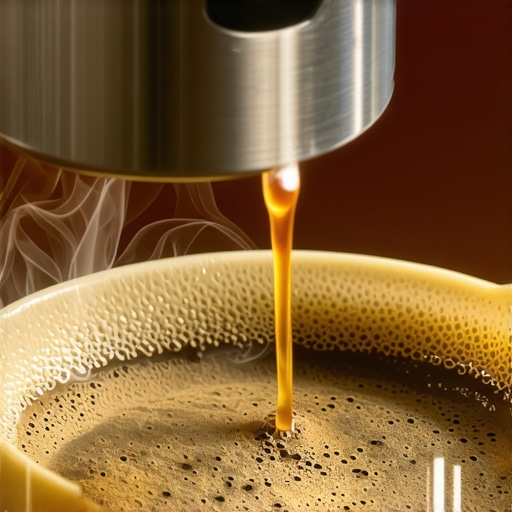
Target an extraction time between 25-30 seconds. I once pulled a shot that was too quick, resulting in sourness; adjusting my grind finer corrected this. Use a timer to monitor, and watch for a steady, honey-like flow. If your shot pours out too fast or too slow, revisit your grind and tamp pressure. Micro-adjusting these can unlock deeper flavors. For more troubleshooting, check here.
Refine your milk steaming and frothing
Even if you’re making black espresso, a perfect milk texture can enhance the experience. Use a high-quality milk frother or the steam wand on your machine. Heat milk to about 150°F (65°C), and aim for a silky microfoam. I learned that cold milk even from the fridge creates more stable foam. Watch out for over-foaming or scorching—mini training sessions with your steamer can perfect this skill. For tips on frothing, see this resource.
Adjust the timing for consistency
Keep a brewing log to identify which variables impact flavor each day. Variables include humidity, bean freshness, or ambient temperature. I once found my shots became brighter in the afternoon, prompting me to adjust my grind coarser. Consistent routines and mindful tweaks ensure better flavor extraction over time. Regularly revisit your settings and compare notes to dial in your perfect decaf shot.
Invest in quality equipment for nuanced control
High-end espresso machines and grinders give you the ability to fine-tune with precision. For example, a machine with PID control maintains stable temperature vital for decaf brewing. When I upgraded to a machine with better temp stability, my decaf shots gained depth I’d never achieved before. Explore top-rated machines to find your ideal setup.
Regular maintenance to preserve flavor
Clean your espresso machine and grinder regularly. Old coffee oils or mineral buildup can dull the flavor profile. I schedule weekly cleans, especially after brewing decaf, which tends to leave more residues. Use appropriate cleaning agents, avoiding harsh chemicals that could affect taste. Discover more here for maintenance tips.
Many home baristas believe that simply buying expensive equipment guarantees perfect coffee, but in reality, missteps with grinder calibration and maintenance often undermine the best gear. A typical misconception is that grinders only need a quick initial setup; however, consistent calibration and cleaning are vital, as residue and burr alignment drift affect grind consistency over time — a fact supported by experts like Scott Rao, who emphasizes routine grinder care for optimal extraction (source). Many people also assume that all espresso machines maintain stable performance without frequent servicing, but mineral buildup and worn seals cause pressure inconsistencies, impacting shot quality. Neglecting maintenance can turn a high-end machine into a frustrating effort, so regular cleaning and inspection are essential.
Advanced enthusiasts often overlook the importance of precise tamping and distribution techniques, assuming they’re minor details. In fact, uneven tamping creates channeling, leading to under-extraction and sourness, especially in decaffeinated beans which are more sensitive to brewing variables. Mastering this subtle step can dramatically improve your results, as detailed in this guide. Additionally, many believe that Milk Frothers are just gimmicks; in truth, the quality of microfoam hinges on proper steam wand technique and milk freshness. Using lower-fat milks or colder milk improves froth stability, and mastery of steaming pressure prevents scorching and unwanted bubbles (more on this here).
One often hidden nuance lies in the timing of brew adjustments. A common mistake is neglecting to account for daily ambient conditions—humidity, temperature, and bean freshness—that subtly influence grind size and extraction. Fine-tuning based on these factors, rather than fixed settings, yields more consistent flavor profiles. For instance, in humid weather, a slightly coarser grind can prevent over-extraction and bitterness. This dynamic approach is detailed in this article. Recognizing and adjusting for such hidden variables can transform your coffee from decent to exceptional. Remember, the devil is often in the details, and a nuanced understanding of your gear and environment makes all the difference. Have you ever fallen into this trap? Let me know in the comments.
Keep Your Gear in Top Shape with Precise Maintenance Routines
Investing in high-quality equipment is just the beginning. Regular maintenance is essential to ensure longevity and consistent performance. I prioritize deep cleaning my espresso machine using specially formulated cleaning solutions like super-automatic machine cleaner, which effectively removes built-up oils and mineral deposits. For grinders, I use a brush designed for burr cleaning, like the specific burr scrub brush, to reach into tight spaces without damaging the burrs. Scheduled descaling and gasket inspections prevent pressure drops and leaks, maintaining optimal extraction quality over months of use.
Tools That Elevate Home Barista Skills
Beyond the basics, employing the right tools can significantly improve your workflow and results. A calibrated digital scale with a 0.1g precision helps me dose consistently—crucial for balancing flavors, especially with decaf beans. I recommend calibrating your PID thermostat periodically to maintain precise temperature control, contributing to better shot consistency. For milk steaming, a handheld thermocouple enables real-time temperature monitoring, ensuring your milk never scorches or cools prematurely. Investing in a quality tamping station or distribution tool like a WDT (Weiss Distribution Technique) tool ensures even coffee bed compaction, reducing channeling and bitterness.
Anticipate Trends for Long-Term Success
The future points toward smarter, connected brewing equipment. Smart espresso machines with app control and maintenance alerts will simplify calibration and cleaning routines, saving time and preventing breakdowns. Software updates can optimize temperature stability and flow rate, ensuring your setup evolves with emerging technology. Stay ahead by choosing equipment compatible with these innovations now, like the latest models listed in top-rated machines for 2025. Investing in modular gear that allows upgrades can future-proof your setup, reducing long-term costs and enhancing your coffee experience.
How do I maintain my equipment over time to guarantee consistent quality?
Consistent upkeep begins with establishing a routine: nightly cleaning of the steam wand and weekly descaling of your espresso machine. Use brushes like the specialized burr cleaners to prevent build-up that hampers flavor extraction. Regularly inspect gaskets and replace them as needed—do not wait until leaks appear. Schedule deep cleans after every few dozen shots, especially with decaf beans which can leave more residual oils. Implement a maintenance log to track cleaning dates, descaling times, and part replacements, fostering a proactive approach. A well-maintained setup not only improves the taste but also extends the lifespan of your gear, making every shot a delight. For detailed procedures, visit our privacy policy page to understand best practices and avoid common pitfalls.
Try incorporating a monthly calibration check of your grinder and PID controller. For example, setting your PID to hold a consistent temperature of 200°F using a thermocouple can dramatically improve shot quality and flavor consistency (expert guide). A small investment in these calibration tools pays off by ensuring every extraction is just right. Keep your gear running smoothly, and your coffee will reward you with unparalleled flavor every morning.
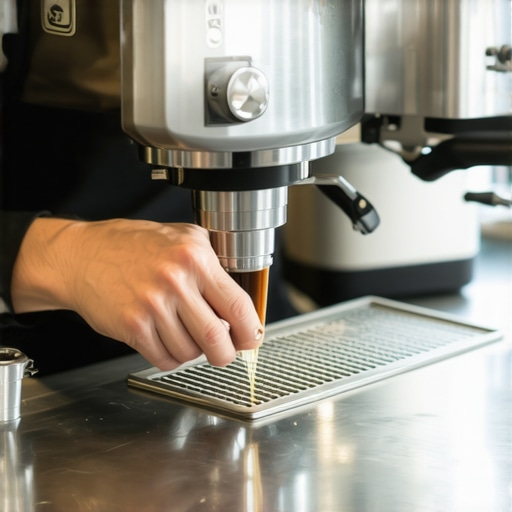
The Lessons That Changed My Approach to Decaf Brewing
One of the biggest surprises I encountered was realizing that decaf beans aren’t inherently bland—they just require a different mindset and technique. I used to think that once a bean was decaffeinated, flavor was a lost cause, but a few lightbulb moments taught me otherwise. For example, dialling in a finer grind and adjusting water temperature made all the difference, revealing complex, vibrant notes I hadn’t tasted before. I also learned to pay close attention to extraction times—aiming for that sweet spot between 25 and 30 seconds—because over- or under-extraction really impacts the flavor. These lessons underscored that decaf’s delicacy isn’t a barrier but an invitation to become more precise and attentive in your brewing process. My takeaway? Treat decaf like a true roast; patience and refinement unlock its rich potential.
My Must-Have Gear for Decaf Excellence
If you’re serious about elevating your decaf espresso, certain tools stand out as game-changers. A calibrated grinder with micro-adjustments allows me to fine-tune for density and moisture content, crucial for consistent extraction. An accurate digital scale, such as the one I use regularly, is essential for dosing with precision—down to 0.1 grams—ensuring each shot is balanced. For maintaining temperature stability, a PID-controlled espresso machine provides unparalleled consistency, which is vital for sensitive decaf beans. Additionally, a high-quality milk frother, like the one from this collection, enables me to craft silky microfoam that complements the nuanced flavors I’ve extracted. These tools collectively help me produce decaf shots that rival the best in any coffee shop.
Cheers to Your Next Coffee Break: Embrace the Decaf Challenge
Your journey to mastering decaf espresso is more rewarding than you might imagine. It’s about honing your skills, understanding your gear, and embracing the nuances that make coffee truly special. Remember, every variable—grind size, temperature, tamping pressure—counts towards that perfect shot. By applying these insights and tools confidently, you’ll soon be savoring decaf espresso that’s rich, vibrant, and deeply satisfying. So, what’s stopping you from taking your decaf brewing to new heights? Dive in, experiment, and let your taste buds lead the way. The world of decaf is waiting to surprise you—are you ready to explore its depths?