Why Your Double Espresso Shot Tastes Completely Different Today
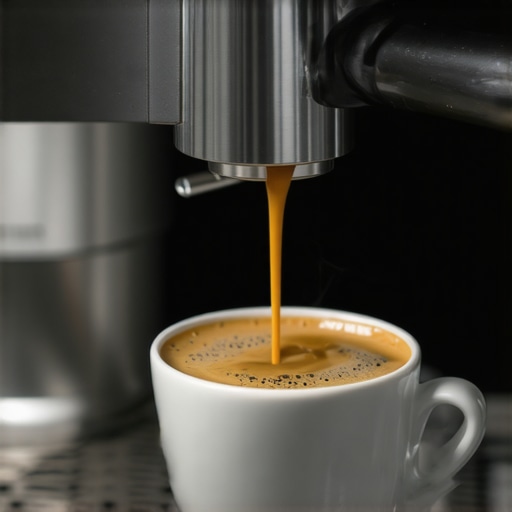
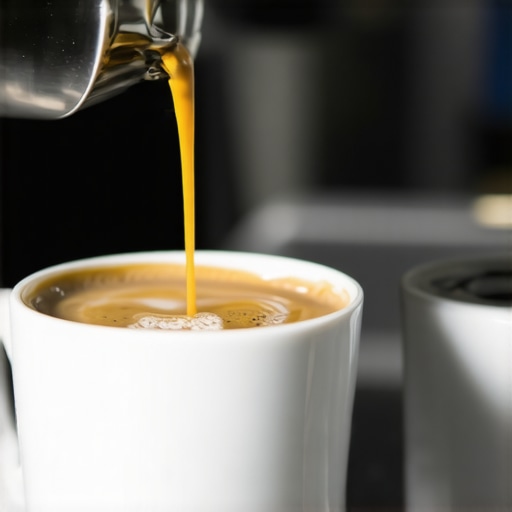
Have you ever poured a double shot of espresso in the morning, only to find that it tastes completely different from yesterday’s brew? I’ve been there, standing in my kitchen, perplexed as my favorite espresso suddenly tasted flat, sour, or just off in some inexplicable way. That moment of disappointment, accompanied by a silent question—“Did I mess up?”—is surprisingly common among coffee enthusiasts, whether amateur or seasoned.
Why Your Espresso Can Change Without Warning
It turns out that the main culprit isn’t necessarily your grind size or water temperature alone—it’s often a combo of factors, many of which you might not even realize are affecting your brew. The good news? Pinpointing the reason behind your fluctuations is entirely possible once you understand what influences espresso flavor. And trust me, I’ve made many rookie mistakes early on, like neglecting to clean my grinder regularly, which would stealthily sabotage my shots. I remember thinking, “Maybe my beans are bad today?” but later learned that even the most premium beans can produce inconsistent results if your equipment isn’t dialed in properly.
So, today, I want to help you tackle this mystery. We’ll explore practical steps to identify what’s changing in your setup and how you can maintain control over your brew’s flavor. No more guessing games—just consistent, delicious espresso. If you’re tired of those surprise sour or burnt shots and want to regain your barista confidence, keep reading. We’re about to demystify the unpredictable world of double espresso tasting and set you on a clearer path.
Common Reasons for Flavor Fluctuations in Your Espresso
Is Your Equipment Really the Problem or Are You Missing Something?
Early in my espresso journey, I made the mistake of only adjusting my grind size without considering other factors like the freshness of my beans or even the humidity in my kitchen. It was only after some research—I recommend visiting [this guide](https://espressotechguide.com/how-to-select-the-perfect-coffee-grinder-for-your-brew)—that I realized that all these little details add up. Coffee experts have found that moisture levels, bean storage, and even the cleanliness of your machine can significantly impact flavor, sometimes more than the variables you’re accustomed to tuning. And with things changing ever so slightly in your environment, it’s natural for your shot to taste different one day to the next. Want a more detailed look at how to keep your gear consistent? Check out [this article](https://espressotechguide.com/mastering-the-art-of-home-espresso-tips-for-beginners).
Check Your Equipment Regularly
Start by doing a thorough inspection of your espresso machine and grinder. Look for any buildup of old coffee oils or debris that can taint your shots. Unscrew the group head and clean the shower screen with a damp towel—avoiding harsh chemicals—and run a backflush if your machine supports it. Make sure the portafilter gasket seals properly, as leaks or leaks can cause uneven extraction, leading to sour or bitter flavors. A clean machine consistently produces cleaner, more predictable espresso. During that time, I once found years-old coffee grounds lurking inside the basket, which not only clogged the shower screen but also ruined my shots for weeks until I cleaned everything thoroughly. That simple step made an immediate difference.
Control Your Coffee Grind and Dose
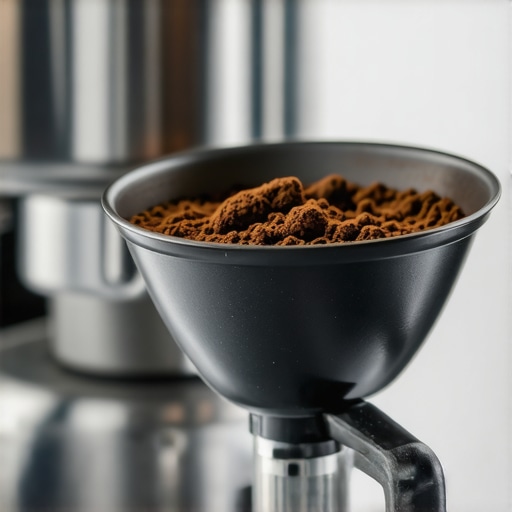
The kernel of a good espresso lies in the grind size and the amount of coffee you load. Use a quality grinder capable of fine adjustments—think of it like tuning a musical instrument. Start with a standard dose of around 18 grams for a double shot, then isolate variables. Use a digital scale to weigh your dose—without a scale, you’re only guessing. If your shot is sour, try a finer grind; if it’s bitter or over-extracted, coarsen the grind. Remember: humidity impacts grind size; on humid days, your beans might need a coarser setting, and on dry days, a finer grind. I recall a morning when a sudden humidity spike forced me to tweak my grinder at least three times before I got a balanced shot.
Adjust Water Temperature and Pressure
Water temp is crucial: too hot, and you risk burning your coffee; too cold, and the extraction is underwhelming. Use a PID-controlled espresso machine, or if yours isn’t equipped, learn how to adjust the temperature via your machine’s settings. For pressure, aim for about 9 bars of extraction pressure—most machines display this on a gauge, or you can use a dedicated pressure tester. If your espresso pulls too quickly, the pressure might be set too high or your grind too coarse; slow pulls could indicate the opposite. I once calibrated my machine’s pressure using a digital gauge, which resulted in a markedly improved consistency across shots and eliminated the sourness caused by under-pressure extraction.
Manage Environmental Factors Effectively
Humidity, temperature, and airflow all impact your espresso consistency. Store beans in an airtight container away from sunlight; consider a dedicated fridge or humidifier-controlled cupboard. Keep your grinder in a dry spot—moisture in the machine or beans can cause clumping and uneven grind. Additionally, warm up your espresso machine fully before pulling shots—cold equipment can fluctuate in temperature, affecting flavor. I learned this the hard way when my winter mornings made my espresso taste flat; running the machine for 15 minutes before brewing stabilized temperature and improved flavor.
Record and Adjust Methodically
Create a simple log—note dose weight, grind size, water temp, and shot timing. When a shot doesn’t taste right, review your notes to identify deviations. This systematic approach shortens the trial-and-error cycle. I kept a notebook during my early days, which helped me recognize that a slightly coarser grind during humid days always yielded better balance. For more detailed guidance on the perfect setup, visit this resource. Regular maintenance combined with diligent record-keeping will gradually turn your unpredictable shots into consistent excellence.Many home baristas believe that simply owning high-end gear guarantees fantastic coffee, but the truth is more nuanced. A common misconception is that expensive espresso machines automatically deliver superior shots, yet without understanding the intricacies of machine calibration and maintenance, you’re likely wasting your investment. For example, a machine like the top-rated models in [2025](https://espressotechguide.com/top-rated-espresso-machines-for-coffee-lovers-in-2025) can underperform if not properly maintained or calibrated, leading to inconsistent pressure and temperature fluctuations. This oversight often causes amateurs to blame their beans or grind size, when in reality, machine health plays a pivotal role.
Another trap many fall into is assuming that all coffee grinders are created equal. The belief that any burr grinder will do overlooks critical features like burr material, size, and adjustment mechanisms. A quality grinder like those reviewed in [this comprehensive guide](https://espressotechguide.com/how-to-select-the-perfect-coffee-grinder-for-your-brew) can significantly improve extraction consistency. However, even with a superb grinder, neglecting routine cleaning or ignoring environmental factors—like humidity affecting grind size—can sabotage your efforts.
Milk frothers, often treated as mere accessories, are another source of misconception. Many think that any frothing device can produce barista-quality microfoam, but the reality is that the design and steam power of the frother influence texture and temperature stability. Upgrading to models listed in [this guide](https://espressotechguide.com/milk-frothers-that-transform-your-coffee-experience) without mastering proper steaming techniques may lead to disappointing results.
Diving into the nuances reveals a pattern: equipment quality is essential, but operational knowledge and routine care are equally critical for achieving that coveted espresso shot. Ignoring these factors leads many to blame their equipment unfairly, perpetuating myths that expensive gear cures all problems. If you’re serious about elevating your home brewing, consider consulting experts or detailed resources like [this cornerstone](https://espressotechguide.com/mastering-the-art-of-home-espresso-tips-for-beginners) that demystify the complexities.
Have you ever fallen into this trap? Let me know in the comments. Remember, even the finest tools need proper handling—otherwise, you’re just setting yourself up for frustration and wasted investments.
Keep Your Gear in Top Shape for Consistent Results
Maintaining your espresso setup is the secret to achieving consistent, professional-quality shots over the long haul. Regularly inspecting and cleaning your equipment prevents buildup and ensures reliability. I personally schedule monthly deep cleans of my grinder and espresso machine, using dedicated brushes and descaling solutions to keep everything in peak condition. Without proper upkeep, mineral deposits or old coffee oils can cause flavor deviations and mechanical issues, costing you time and money. For expert advice on how to maintain your machine efficiently, visit this comprehensive guide.
Invest in Quality Tools That Stand the Test of Time
Choosing reliable, high-quality equipment saves you headaches and enhances your brewing experience. I recommend the Proven Prosumer Espresso Machines for their durability and advanced temperature control, which ensures stability across brewing sessions. A good grinder like the precision-engineered conical burr grinder allows fine adjustments and minimizes heat transfer, essential for top extraction. These tools may be a higher initial investment, but their longevity and consistent performance make all the difference. As trends evolve, smart features like integrated app controls and IoT connectivity are emerging, promising even greater precision and ease of maintenance in future models.
Tools I Love for Effortless Care
Personally, I rely on specific maintenance tools such as a fine-tuned cleaning brush set, a water descaling kit, and a calibrated pressure gauge. The PID controller calibration tools have been game-changers for maintaining stable water temperature, directly impacting shot consistency. For cleaning, I prefer the multi-purpose portafilter brush because it reaches every corner without damaging delicate parts. Regularly replacing worn gaskets and seals—prompted by a simple visual inspection—prevents leaks and maintains proper pressure. For what’s next, expect advancements in self-cleaning mechanisms and AI-driven maintenance alerts that will make caring for your gear even more intuitive.
How do I keep my equipment working smoothly over time?
Besides routine cleaning, implementing a scheduled maintenance routine with specific tools is key. I set reminders to descale my machine quarterly and replace filters every six months. Utilizing tools like a pressure gauge helps me identify issues early, such as pressure drops that hint at clogs or gasket wear. For detailed guides on maintaining specific components, check out this resource. Additionally, keeping an organized workspace and logging maintenance tasks ensures nothing slips through the cracks. Moving forward, I predict that automation and sensor-based diagnostics will further streamline regular upkeep, reducing downtime and keeping your espresso consistently stellar. It’s worth investing now in reliable calibration tools and cleaning gadgets, which will pay dividends in shot quality and equipment longevity. Ready to elevate your maintenance game? Try calibrating your PID today with the detailed steps found here—making a small tweak can yield noticeably better results.
Lessons That Changed My Approach to Espresso Gear
One of the most counterintuitive lessons I learned was that high-end equipment isn’t a magic bullet. Without proper calibration and cleanliness, even the most expensive espresso machine can produce lackluster shots. Sometimes, the smallest adjustment—like recalibrating my PID controller—made a world of difference in flavor stability, showing me that understanding the tools deeply beats simply owning premium gear.
I also discovered that environmental nuances—like humidity or even room airflow—can subtly sabotage consistency. Regularly tuning my grinder and tracking these factors in a dedicated log helped me avoid those disappointing sour or burnt flavors that used to confuse me. It turns out that mastering your environment and maintenance routines is just as critical as choosing the right beans.
Finally, I realized that patience and systematic experimentation are vital. Rather than random adjustments, I started adjusting one variable at a time—be it grind size, dose weight, or water temp—and recording the effects. Over time, this disciplined approach transformed my unpredictably sour espresso into a reliably balanced shot.
My Go-To Resources That Elevated My Home Espresso Game
- Espresso Gear Guides: Visiting this cornerstone resource provided comprehensive insights on calibration and maintenance, which are foundational for any serious home barista. It helped me understand the critical importance of routine adjustments over upgrading equipment.
- Product Reviews and Recommendations: I trust this list of top-rated espresso machines because it combines expert opinion with real-world testing, ensuring I invest in tools that deliver consistent results.
- Community and Expert Blogs: Engaging with forums and blogs such as this community kept me motivated and allowed me to learn from others’ troubleshooting experiences, saving me countless hours of trial and error.
Your Next Step Toward Coffee Confidence
Every espresso shot is an opportunity to improve, experiment, and enjoy. By embracing a meticulous maintenance routine, understanding your gear’s nuances, and continuously learning from trusted resources, you’ll move closer to consistent, barista-quality flavor—even in your own kitchen. Remember, the journey is as rewarding as the perfect shot. Ready to refine your home espresso setup and elevate your mornings? Stay curious, keep experimenting, and don’t hesitate to reach out via our contact page for personalized advice. So, tell me—which aspect of your espresso routine will you tackle first to finally banish those unpredictable flavors? Comment below—I’d love to hear your story.