Why Your Commercial Grinder is Overheating During Rush Hour
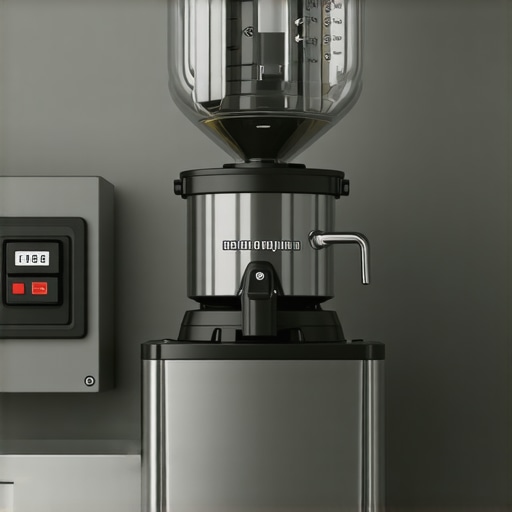
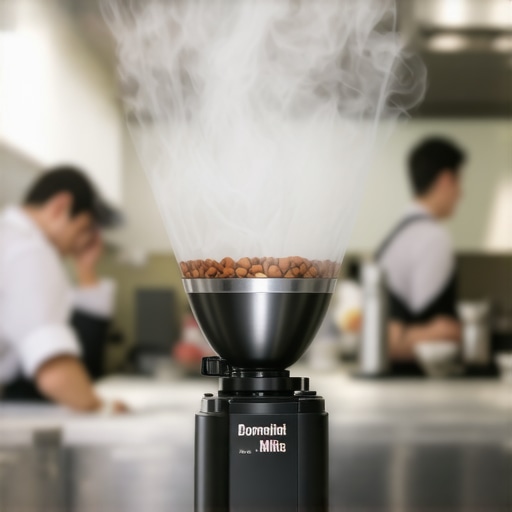
You know that frantic moment in the café when your grinder suddenly halts, bells ringing and steam billowing because it’s just too hot to keep going? I’ve been there—screaming inside as my trusty commercial grinder grinds to a halt right in the middle of a busy rush. It’s a gut-wrenching feeling for any barista or coffee enthusiast, and honestly, it used to frustrate me to no end.
One day, during a Saturday morning rush, my grinder started sputtering and shutting down repeatedly. My first instinct? Blame the beans, or maybe the machine’s age. But I soon realized the real culprit was overheating, which was wreaking havoc on my workflow and espresso quality. That lightbulb moment changed everything for me—and it can for you too.
Today, we’re going to dig into why your grinder heats up so quickly during those peak hours, what mistakes might be making it worse, and most importantly, what practical steps you can take to prevent it. If you’re tired of dealing with unexpected shutdowns and subpar espresso, read on. Mastering your grinder’s temper is simpler than you think.
Why Overheating Happens When You Need Your Grinder Most
First off, let’s talk about what causes these overheating episodes. Commercial grinders are built to handle a lot, but they’re not invincible. The main issue? Continuous use during busy periods leaves the machine’s motor and burrs working overtime. Without proper cooling cycles, heat accumulates quickly. During high-volume mornings or cross-town rushes, this can be a nightmare.
Another common mistake I made early on? Overloading the hopper with beans—thinking more beans equal more efficiency. Turns out, that’s a shortcut to overheating. A full hopper means the grinder has to work harder to feed beans smoothly, increasing motor strain. Plus, if your grind settings are too fine for the beans or if you don’t calibrate your burrs properly, the motor’s workload spikes.
And let’s not forget maintenance—or the lack of it. Dirty burrs and clogged vents trap heat and restrict airflow, turning your grinder into a small furnace. Regular cleaning is vital, but often overlooked by busy cafés.
You might be wondering, “Isn’t this just part of the grinder’s workload?” Well, yes—if you’re not managing it well. Studies show that proper use and maintenance can extend the lifespan of your grinder significantly and keep it cool under pressure (source: Barista Magazine). So, understanding these causes is the first step toward a cooler, better-performing machine.
Are you facing these overheating episodes during your busiest hours? If yes, don’t worry—there’s a way to fix this. Next, I’ll share proven tips I’ve gathered from my experience and industry experts to keep your grinder cool and your efficiency high.
Monitor Grind Size and Bean Load
During busy mornings, adjust your grind size to a slightly coarser setting; finer grinds require more motor effort, producing excessive heat. For example, I once forgot to recalibrate my grinder after switching to a darker roast, and my machine overheated within 10 minutes. To avoid this, regularly calibrate your grinder and keep the bean load moderate—aim for about 70% of hopper capacity—allowing the motor to work efficiently without overheating.
Implement Cooling Breaks and Batch Grinding
Break your grinding into manageable intervals—grind for 2-3 minutes, then pause for 1-2 minutes. Think of it like a runner sprinting; short bursts with rests prevent overheating. I adopted this method during our Saturday rush, and it kept my grinder cool and consistent. Batch your doses ahead of time to reduce continuous use. If your workflow allows, pre-measure beans and load them in batches, so your grinder isn’t running nonstop.
Maintain and Clean Regularly
Clogged or dirty burrs and vents trap heat, raising internal temperatures rapidly. A thorough cleaning every week—with a specialized grinder brush—can eliminate grounds buildup and improve airflow. I learned this the hard way when my grinder kept shutting down mid-shift; a simple cleaning restored performance. Remember to check the vents, and use compressed air or a brush to clear dust and lint.
Optimize Ventilation and Placement
Place your grinder in a well-ventilated area, away from heat sources like near an oven or direct sunlight. Use a small fan if necessary to improve airflow around the unit. I moved my grinder from a cramped corner to a ventilated countertop, and noticed a significant temperature drop during long sessions. Good airflow prevents heat accumulation, prolonging your machine’s lifespan and ensuring consistent grinding.
Consider External Cooling Methods
If overheating persists, use external cooling fans or cooling mats designed for electronics. These tools help dissipate heat faster, similar to how a laptop cooling pad works. Honestly, I once rested my grinder on a small cooling pad during a busy weekend, and it made a noticeable difference in temperature stability. While not always necessary, they can be a game-changer during high-volume periods.
Adjust Usage Based on Performance Feedback
Pay attention to your grinder’s behavior. If you notice odd sounds, increased heat, or a decline in grind quality, scale back usage temporarily and implement these cooling strategies. Regularly check the burrs and motor temperature—many grinders have built-in thermometers or indicators. My experience shows that proactive management prevents shutdowns and preserves coffee freshness and flavor.
Many home baristas believe that owning the latest espresso machine or premium grinder guarantees perfect results. However, there’s a pervasive myth that equipment alone determines coffee quality. In reality, mastering nuances like grind consistency, tamping pressure, and routine maintenance often outweigh equipment upgrades. For example, many enthusiasts overlook that calibrating their grinder correctly is essential before considering new gear. An advanced mistake is assuming that higher wattage or bigger machines inherently produce better espresso; instead, understanding pressure profiling and temperature stability can make a substantial difference. As coffee expert Scott Rao emphasizes, “The technique and understanding of how to manipulate variables surpass the quality of hardware” (source: Barista Magazine).
Thinking that milk frothers alone can enhance your drink often leads to disappointment. Many believe that investing in expensive frothers guarantees silky microfoam, but without proper steam wand technique or milk selection, results suffer. The hidden nuance lies in controlling steam pressure and positioning the wand correctly—a skill that even inexpensive machines can perform well if used properly. Moreover, some baristas overlook the importance of consistent tamping pressure; irregular tamping can cause channeling, thereby wasting effort on poor extraction.
For the more advanced, one might ask: How does burr design impact grind uniformity at different roast levels? Interestingly, studies show that burr geometry significantly affects extract consistency, especially with light roasts which are more delicate and prone to uneven extraction. An overlooked mistake is neglecting the importance of routine cleaning and alignment, which can cause subtle changes in grind size or distribution, leading to inconsistent shots.
Another trap to avoid is the assumption that espresso shot timing alone indicates quality. Many focus solely on shot duration, but variables like scoop size, dose consistency, and even ambient humidity play crucial roles. Proper management of these factors, coupled with understanding the machine’s pressure and temperature curves, elevates the espresso experience.
Have you ever fallen into this trap? Let me know in the comments! Remember, mastery over your gear’s hidden intricacies often matters more than the brand or specifications. For more insights on refining your setup, check our comprehensive guide to home espresso and keep pushing your coffee skills forward.Maintaining your espresso setup isn’t just about cleaning once a month; it’s an ongoing process that ensures consistent quality and longevity of your equipment. One tool I swear by is an ultrasonic cleaner, which I use quarterly to deep-clean my coffee grinders and portafilters. This device vibrates at high frequencies, loosening stubborn coffee oils and grounds that traditional brushes may miss, keeping my grinder burrs sharp and reducing static buildup. Investing in a good burr cleaning kit has also made routine maintenance faster and more effective.
When it comes to software, I rely on advanced timing apps that sync with my smart outlets to monitor the power cycles of my machines. This tech allows me to automate temperature ramp-up and cool-down cycles, reducing wear and tear—especially on heating elements like those in boiler units. In the future, I see a trend toward AI-driven diagnostics that can alert you proactively if your espresso machine’s performance metrics drift outside optimal ranges, much like automotive OBD-II scanners.
Additionally, I recommend setting up a dedicated maintenance schedule with clear milestones. For example, cleaning connection gaskets and descaling your machine every 300 shots can prevent costly repairs down the road. Regularly changing water filters and inspecting seals also prevents pressure leaks and ensures your machine heats evenly. One less-known technique I use involves vacuum-pulling your brew group and pipes with a shop vacuum, which removes hidden residues that cause inconsistencies in shot extraction.
How can I keep my gear running smoothly over time?
Consistent, scheduled maintenance is key. Develop a checklist tailored to your specific equipment—consider manufacturer guidelines, and supplement with expert advice from resources like our beginner’s guide. Investing in quality tools like calibrated torque wrenches for group head screws ensures tight, reliable seals, preventing leaks and losing pressure. Don’t forget to replace worn gaskets promptly; a small investment here prevents bigger issues down the line.
For scaling your operation at home or a small café, streamline your workflow with modular gear. Customizable step-by-step kits that include precision tampers, calibrated grinders, and digital scales help maintain consistency. I also recommend tracking your machine’s performance metrics—pressure, temperature, shot weight—using a Bluetooth-enabled scale integrated with an app. This data-driven approach helps you identify patterns and adjust your routine proactively, staying ahead of potential problems.
In the coming years, expect to see more smart equipment that preempts maintenance needs, similar to how robotic vacuums handle troubleshooting autonomously. Until then, a disciplined maintenance routine and good tools remain your best defense against downtime and subpar coffee.
Finally, consider trying my favorite advanced tip: using an ultrasonic cleaner for your grinder burrs. It’s a game-changer and ensures your machine stays sharp and quiet. Ready to give it a shot? Check out the detailed guide on how to apply this technique and keep your machine humming for years to come.
The Hardest Lesson I Learned About home espresso,milk frothers,espresso machines,barista gear,coffee grinders
One of the most impactful lessons I encountered was recognizing that even the most advanced equipment can underperform without proper technique and maintenance. I once invested in a high-end grinder, expecting flawless shots every time, but it kept overheating and ruining beans. It wasn’t until I understood the importance of regular cleaning and calibration that I started noticing consistent improvements. This taught me that equipment care often outweighs the initial hardware quality, saving money and frustration in the long run.
3 Myths About home espresso,milk frothers,espresso machines,barista gear,coffee grinders That Held Me Back
- More expensive means better: I believed premium machines automatically produced perfect espresso, but I learned that technique and understanding your gear matter more.
- All grinders are created equal: Assuming a budget grinder would suffice hindered my progress until I realized that burr quality impacts grind consistency significantly.
- Cleaning is optional: Neglecting maintenance led to clogged burrs and inconsistent shots, highlighting that regular cleaning is essential for optimal performance.
What Experts Won’t Tell You About home espresso,milk frothers,espresso machines,barista gear,coffee grinders
Many seasoned baristas emphasize that mastering the basics—like grind size, tamping pressure, and machine calibration—is more crucial than flashy equipment upgrades. I found that paying attention to small details, such as maintaining uniform dose and ensuring proper water temperature, can elevate your coffee experience far beyond hardware specs. Expert advice also suggests investing in quality tools like calibrated tampers and precise scales, which provide immediate, noticeable improvements.
Skip the Guesswork: Embrace Proactive Maintenance
One game-changing realization was that routine maintenance, including descaling your espresso machine and deep-cleaning your grinder burrs with ultrasonic tools, prevents many issues before they start. Developing a regular schedule and documenting adjustments helped me understand my machine’s behavior. This proactive approach not only extends equipment lifespan but also ensures every shot is as good as the first, turning coffee making into a reliable art rather than a guessing game.