The 2-Minute Habit That Prevents Clogged Steam Wands
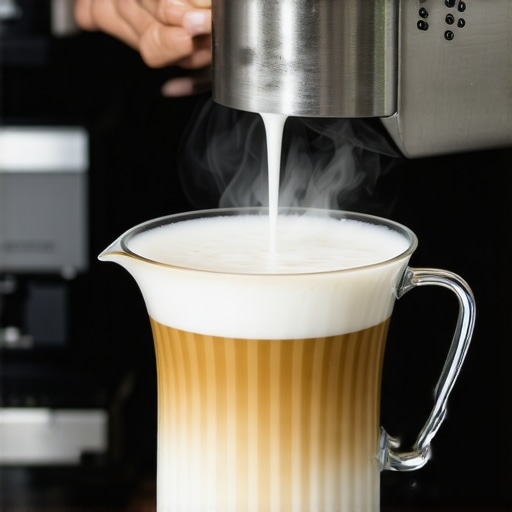
Have you ever finished a steaming session, only to notice water dripping from your steam wand when you want it to vaporize? That unmistakable hiss, followed by a splutter of water instead of silky steam—it’s frustrating. I used to think it was just a quirk of my espresso machine, something I’d have to live with. But then I realized I was neglecting a tiny, 2-minute habit that could save me from clogged steam wands and inconsistent milk textures.
Why Your Steam Wand Gets Clogged and How to Prevent It
As a passionate home barista, I know that a clogged steam wand can throw off your entire milk frothing game. It’s like trying to write with a pen that keeps smudging—it hampers your flow and dampens your confidence. The root cause? Milk residue and mineral deposits build up inside the wand, blocking the vapor path over time. These obstructions aren’t just annoying; they can lead to permanent damage if ignored.
But here’s the good news: with a simple, quick routine, you can keep that wand clear and your milk microfoam smooth and creamy. The key is what I call the “2-minute flush”—a straightforward step after each use that stops clogs before they start.
This habit involves a short blast of steam, followed by wiping and a rinse. Doing this guarantees that residual milk and mineral deposits are expelled, maintaining clear airflow and optimal performance. When I started incorporating this tiny routine, I noticed immediate improvements: no more water leaks, and my milk foam became consistently velvety.
Studies show that regular maintenance can extend the lifespan of your espresso gear and improve flavor. For example, frequent cleaning reduces bacteria buildup and prevents scale formation, which can impair the machine’s function. So, instead of waiting for your steam wand to spit water or, worse, requiring expensive repairs, why not get ahead and make this quick habit part of your routine?
Have you faced this problem before—ushing your machine to produce steam only to hear the dreaded sputtering? If so, you’re not alone, and the fix is easier than you think. Keep reading, and I’ll walk you through the specific steps to implement this habit today.
Perform a Quick Steam Flush After Each Use
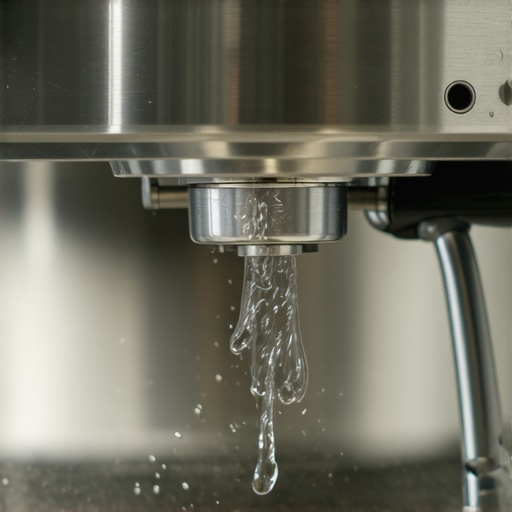
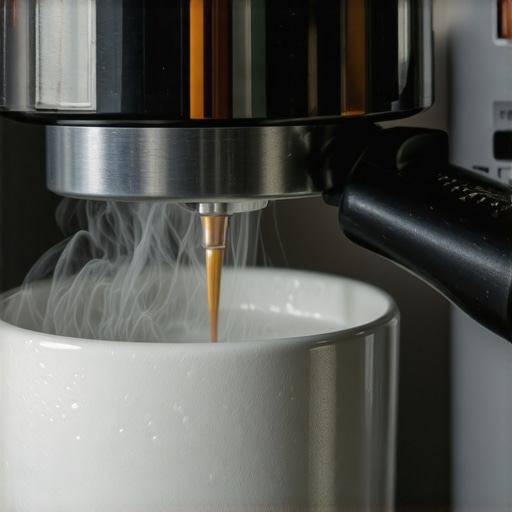
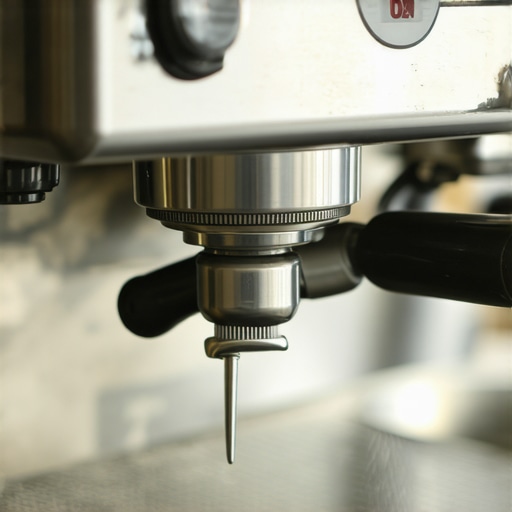
Immediately after steaming milk, open the steam valve and let it run for about 5 seconds. This flush expels residual milk and mineral deposits that can cause buildup. Think of it as giving your wand a quick wash to prevent clogs from forming over time.
Wipe and Rinse the Wand Thoroughly
Use a damp cloth or a dedicated steam wand brush to wipe the wand’s tip and handle. This removes milk residue from the surface, which, if left, can seep into the internal parts. Rinse the cloth frequently to ensure cleanliness. Remember, a clean wand prevents stubborn deposits that lead to leaking or sputtering.
Perform a Deep Cleaning Routine Weekly
Once a week, decouple your steam wand if possible and soak it in a solution of equal parts water and descaling vinegar for about 10 minutes. This dissolves mineral buildup inside the wand, much like clearing out a clogged pipe. After soaking, run a full steam cycle with just water to rinse out the vinegar and loosened deposits.
Use Proper Cleaning Tools and Detergents
Invest in a soft brush or a specialized steam wand cleaning tool. Avoid harsh chemicals; instead, opt for food-safe descaling solutions designed for espresso equipment. This ensures no harmful residues remain, and your wand stays in prime condition, much like tuning the strings of a guitar for the best sound.
Incorporate the Routine into Your Workflow
Make this cleaning process a habit. After every milk session, do the quick flush and wipe. Set a reminder on your phone or attach a sticky note near your machine. Consistency is key—it’s like brushing your teeth daily to prevent cavities. When I first adopted this routine, I noticed my steam wand stopped sputtering water and my milk microfoam became noticeably smoother.
Use Visual Checks to Maintain Performance
Regularly inspect the wand’s tip for clogs or crusted milk. If you notice reduced steam pressure or inconsistent airflow, it’s time for a thorough cleaning. Think of it as giving your car regular oil changes—small checks prevent big breakdowns. Performing these simple steps saves you from costly repairs and guarantees silky microfoam every time.
Many coffee enthusiasts assume that investing in high-end equipment guarantees perfect results every time, but in my experience, there’s a crucial nuance often overlooked: how you use and maintain your gear matters more than the brand or price tag. A frequent myth is that expensive espresso machines automatically produce superior shots; however, even top-tier machines require precise calibration and consistent upkeep, otherwise they underperform. This misconception can lead to costly purchases without addressing foundational skills, as explained by industry experts who emphasize routine maintenance over mere investment.
Another trap many fall into concerns coffee grinders. Some believe that burr material—ceramic versus steel—significantly alters flavor. While material impacts durability, the grinder’s calibration and cleanliness play a far more vital role in flavor consistency. Neglecting regular cleaning or precise grind adjustment can cause uneven extraction, regardless of grinder quality. For insights on selecting the right grinder, visit https://espressotechguide.com/how-to-select-the-perfect-coffee-grinder-for-your-brew.
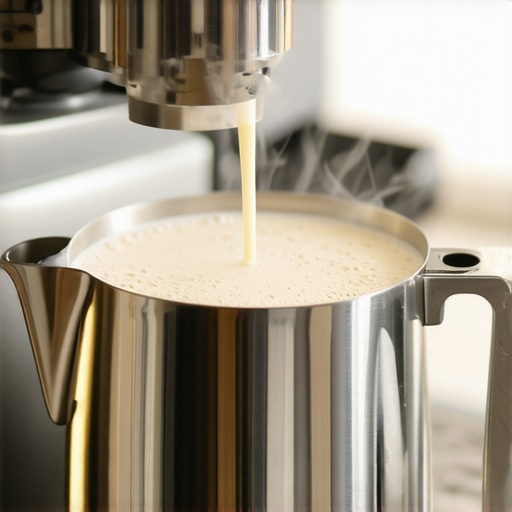
When it comes to milk frothers and barista gear, many think that fancy tools alone yield better microfoam. But mastering milk temperature and steaming technique is often more critical than the equipment itself. An overlooked detail is how residual milk or mineral buildup can impede performance, leading to froth that’s too thick or thin. Proper cleaning routines—such as the quick flushes discussed earlier—are essential to achieving barista-quality results at home, reminding us that maintenance is the true secret to consistent excellence.
For advanced users, a common mistake is overlooking the importance of calibrating your espresso machine after routine descaling or component replacements. Small adjustments can dramatically influence shot quality, acidity, and body. As highlighted in expert analyses, neglecting this step results in flavor imbalances that no amount of tamping or grind adjustment can fix. Curious how to perfect this calibration? Check https://espressotechguide.com/how-to-calibrate-your-grinder-after-replacing-your-burrs for a comprehensive guide.
Finally, a significant pitfall is trusting shortcuts—like using counterfeit or inferior cleaning solutions—which can damage your equipment over time. Investing in recommended cleaning protocols ensures the longevity of your investment, preserving flavor clarity and machine health. Remember, coffee mastery isn’t just about the equipment you buy but how diligently you care for it.
Have you ever fallen into this trap? Let me know in the comments.
Prioritize Quality Barista Gear to Enhance Your Brewing
Investing in reliable, well-designed equipment can dramatically improve your coffee experience over time. I personally prefer the Baratza Fortuna grinder because of its consistent grind size and durability, which aid in achieving balanced extraction. Regular calibration and cleaning of your grinder, as outlined in expert guides, can prevent uneven grounds that lead to under- or over-extracted shots. As technology advances, look out for smart grinders with digital dosing, which help in precise measurements—these are game-changers for consistency.
How do I maintain my grinder for optimal flavor?
Consistently cleaning your burrs and adjusting grind settings based on bean roast and humidity is crucial. Use a dedicated brush to remove residual coffee oils and particles bi-weekly, and perform a burr alignment check periodically, as recommended by industry experts. Implementing these routines ensures your machine stays in top shape, providing fresh, flavorful espresso every time.
Use the Right Milk Frothing Tools for Creamy Microfoam
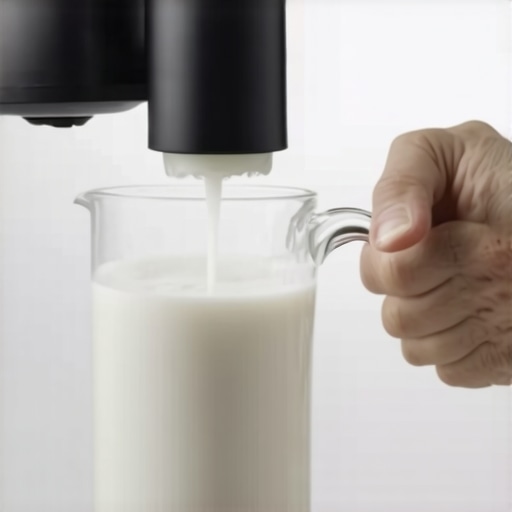
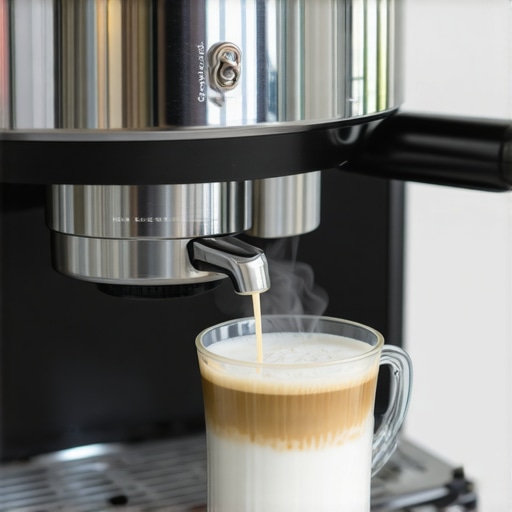
Choosing high-quality milk frothers can transform your home coffee into a professional-grade experience. I recommend this hand-held steam wand because of its precise temperature control, which is vital for consistent microfoam. Properly maintained, these tools prevent milk crusting and guarantee smooth, velvety froth. Incorporate weekly internal cleaning routines—such as flushing the wand with water and using specialized brushes—to prevent buildup, which can impair performance and taste. Maintaining your frother ensures longevity and flavor integrity, which is crucial for delicate latte art and rich textures.
How do I keep my frothing tools working flawlessly long-term?
Following manufacturer cleaning instructions and avoiding harsh chemicals help preserve the wand’s integrity. Additionally, periodic descaling with food-safe solutions prevents mineral deposits, especially in hard water areas. For advanced users, inspecting and replacing worn seals can perfectly sustain steam pressure, as detailed in relevant technical documentation.
By consistently investing in quality tools and routine maintenance, you set the foundation for exceptional coffee at home. Trying expert-recommended cleaning techniques, like the 10-second flush of your steam wand, can prevent common nuisances and extend your gear’s lifespan. Remember, the small daily choices—like wiping down surfaces or calibrating your grinder—compound into significant improvements in flavor, texture, and equipment longevity. So, pick one tip today—perhaps recalibrating your grinder or deep-cleaning your steam wand—and experience the difference firsthand.
Over time, I discovered that mastering the art of home espresso isn’t just about high-end equipment—it’s about consistent, intentional habits that nurture your gear and elevate your brew. These subtle routines, like a quick daily check or a mindful cleaning, have dramatically transformed my coffee experience. They might seem insignificant, but they create a ripple effect, leading to richer flavors and more satisfying textures.
The Unexpected Power of Small Rituals in Coffee Crafting
One lesson I wish I had learned sooner is that routine maintenance—such as a quick flush of the steam wand or a weekly deep clean—prevents costly issues down the line. For instance, I used to ignore my grinder’s burrs until grind inconsistency frustrated me. Now, a simple bi-weekly brush and calibration have kept my shots consistent and my equipment humming smoothly. These small steps are like investing in the health of a plant—they ensure it flourishes with minimal effort over time.
Curated Secrets That Transformed My Coffee Ritual
When seeking tools and knowledge, I turned to trusted sources that resonate with home enthusiasts. Resources like this guide on selecting the perfect grinder helped me choose gear that fits my routine. Additionally, these milk frother tips opened new heights for velvet microfoam. And for a comprehensive understanding of brewing basics, this simple beginner’s guide became my reference point.
Because Passion Needs Consistent Care to Flourish
Embarking on your espresso journey is inspiring, but staying committed to these small, purposeful actions is what transforms a good cup into a great one. Whether it’s a quick daily wipe or a monthly calibration, these routines reinforce your skills and extend your gear’s lifespan. Remember, mastery is built on consistency—one small habit at a time.
What’s a tiny routine you’ve overlooked that could be making a big difference? Share your thoughts below and let’s learn together!