Why Your Steam Tip Holes Keep Clogging Every Single Day
It hit me one morning—facing my espresso machine, steam wand clogged yet again, and frustration bubbling over. No matter how carefully I cleaned or how often I wiped the tips, those tiny holes that release steam stubbornly refused to stay clear. It was as if they had a mind of their own. That lightbulb moment? Realizing that this daily clogging wasn’t just annoying—it was a sign I was missing a key piece of the maintenance puzzle.
Don’t Let Clogged Steam Tips Ruin Your Coffee Ritual
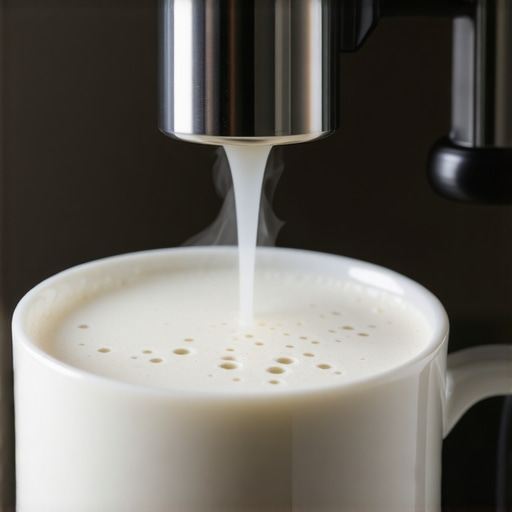
Trust me, this problem isn’t rare among home baristas and even seasoned enthusiasts. If you’ve ever spent precious minutes trying to clear your steam wand before frothing milk, you’re not alone. Those tiny holes are the gateway to silky microfoam and smooth milk textures, yet they often get blocked by mineral deposits and coffee oils. Luckily, with a few tweaks and regular upkeep, you can keep them clear and ensure your machine performs like a pro.
Ever Wondered If This Clogging Issue Is Just a Bad Luck?
Early on, I made the mistake of going all-in on harsh chemical cleaners, thinking they would solve the problem once and for all. Spoiler alert: that only worsened things. Over time, I learned that proper cleaning techniques and awareness of mineral buildup are the real keys—something understood well by industry experts, as cited in this comprehensive guide. Recognizing and addressing the root cause saved me hours of frustration and preserved my machine’s lifespan.
Are you also tired of stubborn clogging every morning? Well, you’re in luck. The good news is that a few simple, consistent steps can make those clogs a thing of the past. We’ll dive into proven techniques that keep your steam tip holes clear, improve your espresso workflow, and ensure your milk froths perfectly every time. Let’s get to it!
Start with a Disassembly Check
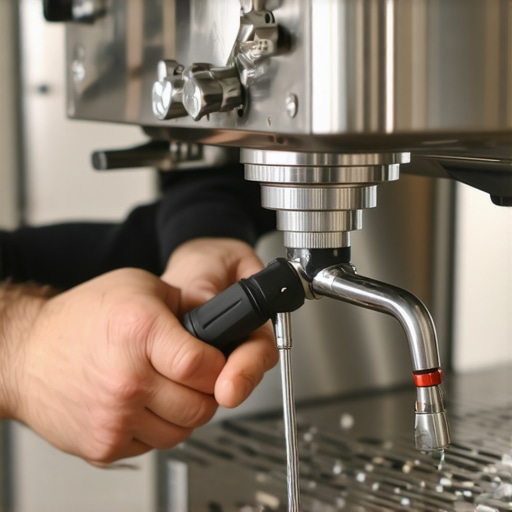
Unplug your espresso machine and remove the steam wand or tip assembly carefully using a wrench or screwdriver as needed. Inspect the tips for visible blockages or buildup. Remember, this step is crucial because accumulated coffee oils or mineral deposits often hide inside, causing clogs. I once spent 15 minutes trying to clear a stubborn clog until I realized I hadn’t fully disassembled the tip. Once I did, I found a thick layer of coffee oil blocking the tiny holes, and a thorough cleaning restored proper steam flow.
Use a Flexible Needle or Pin for Deep Cleaning
Take a fine, pointed needle or pin—think of it as the dentist’s pick—and gently insert it into each tiny hole. Wiggle slightly to dislodge any dried coffee residue or mineral deposits. This manual method is often more effective than blasting with water because it targets the hidden buildup. On a rainy afternoon, I cleaned my steam tip with a needle, and the difference was startling—microfoam became consistently smooth, and the clogging stopped.
Apply Natural Cleaning Solutions
Mix equal parts of warm water and vinegar or use a specialized descaling solution. Soak the disassembled tips in this mixture for about 10-15 minutes. This loosens mineral buildup and oil residues without harsh chemicals that can damage silicone or metal parts. After soaking, scrub gently with a soft brush. I once used vinegar for my tips, and the mineral deposits dissolved effortlessly, leading to a significant reduction in clogging frequency.
Flush with Hot Water and Reassemble
Rinse all parts thoroughly with hot water to wash away loosened deposits. Dry completely before reassembling to prevent rust. Reattach the tips securely to the steam wand, ensuring a tight fit to avoid leaks. During my last maintenance, I ran hot water through the tips after soaking, which flushed out any remaining debris. The immediate result was a noticeably better steam flow and more consistent microfoam.
Test and Adjust for Optimal Performance
Heat up your machine and run steam through the tips to check for steady, unblocked flow. If any resistance persists, repeat the cleaning process or try using a small amount of lubricant designed for Espresso machine parts. Regular maintenance, including this deep cleaning once every month, keeps your steam tips free-flowing. I found that setting a recurring reminder helped me stay consistent, ultimately saving time and avoiding unexpected clogs during busy mornings.
Many home baristas believe that choosing the most expensive grinder or fancy espresso machine guarantees perfect coffee every time. However, in my experience, there’s a subtle misbelief that can sabotage your brews: the idea that equipment alone makes the difference.
Is Your Gear Really Holding You Back or Are You Missing the Fine Tuning?
The truth is, even top-tier barista gear can underperform if you overlook the importance of precise calibration and maintenance. For example, calibrating your grinder’s burrs or ensuring consistent tamp pressure is often more impactful than upgrading to a newer machine.
Many enthusiasts fall into the trap of focusing solely on equipment upgrades, believing that a shiny new espresso machine or a high-end grinder will instantly elevate their coffee. While quality gear is essential, neglecting the intricate nuances—like grind consistency, shot timing, and temperature stability—can lead to disappointing results. Industry experts emphasize that mastering these small variables yields better outcomes than equipment alone, as highlighted in this comprehensive guide.
Another common myth is the misconception that high-pressure extraction guarantees perfect espresso. In reality, over-pressurizing can cause bitter, over-extracted shots, especially if pressure is not calibrated correctly. Advanced users understand that a nuanced approach—balancing pressure, temperature, and extraction time—is key. This balancing act is often misunderstood by beginners who think more pressure equals better extraction, but studies suggest that pressure profiling can significantly improve flavor clarity when done correctly.
For the serious enthusiast, learning how to fine-tune each component of the brewing process offers the most reliable path to great coffee. Recognize that complex machines like these top-rated espresso machines come with settings that necessitate careful adjustments rather than blind operation. Additionally, regular cleaning and calibration are critical—neglecting this can cause subtle performance drops that undermine even the best gear.
If you want to elevate your coffee game, focus on mastering your existing equipment. Diligent calibration and understanding the nuances—like grind size, tamp pressure, and shot timing—are often the real differentiators. Remember, equipment is an enabler, but the art lies in the details. Want to learn more? Check out this guide on barista gear.
Have you ever fallen into this trap? Let me know in the comments.
Investing in Durable Tools for Consistent Results
When it comes to maintaining your home espresso setup, choosing the right tools is paramount. I personally swear by a high-quality precision cleaning brush set. These brushes allow me to reach into tight spaces, especially inside grinders and espresso machines, ensuring thorough cleaning without damaging delicate components. Additionally, I rely on a calibrated digital scale for shot consistency—using the calibration techniques outlined in industry guides to fine-tune my espresso volumes over time.
How do I maintain my gear over time?
Regular maintenance is vital. I set monthly reminders to deep-clean my grinder using the inclusive cleaning protocol—including checking burr sharpness with the simple paper towel test. For espresso machines, I follow a disciplined cleaning routine that includes descaling and inspecting gaskets, as described in this expert advice. These small rituals keep my machine performing optimally and extend its lifespan significantly.
Tools for scaling your coffee setup
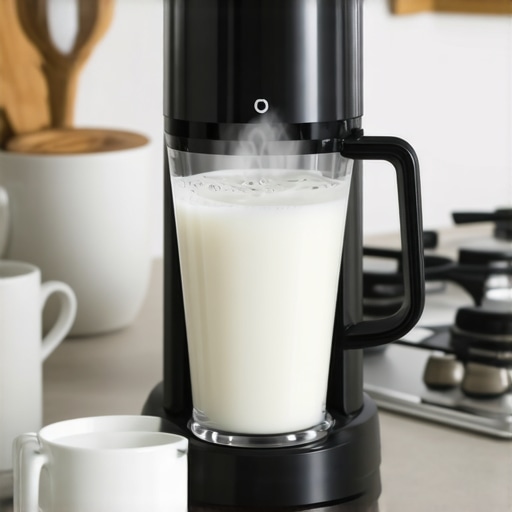
As your passion grows, so should your toolkit. I recommend investing in a top-rated espresso machine with adjustable pressure and temperature controls. This allows for fine-tuning based on your beans and desired extraction profile. Supplement this with a quality milk frother, such as the automatic milk steamer, which simplifies masterful foam creation. The combination not only elevates your skill but prepares you for more ambitious brewing experiments, paving the way for your growth as a home barista.
Future trends in maintenance and tools
Looking ahead, I believe smart diagnostics and IoT-enabled gadgets will become the norm, providing real-time feedback on component health and predictive maintenance alerts. Imagine having a coffee machine that alerts you when a gasket is wearing out or when descaling is needed—saving time and preventing breakdowns. This shift towards smarter coffee gear aligns with the increased integration of AI in home’s appliance ecosystems, promising a future where maintenance becomes effortless and proactive.
Make Maintenance Routine Routine
If there’s one practice that pays dividends, it’s sticking with a consistent cleaning schedule. For example, the weekly steam wand maintenance ensures your microfoam stays silky and free of clogs. Don’t just wait for problems to arise—regular checks and routine upkeep result in long-term durability. An easy habit like soaking disassembled tips in vinegar weekly, as I do, can dramatically reduce mineral buildup, extending the lifespan of your equipment and maintaining peak performance.
As I reflect on my journey with home espresso setups, I realize that the most profound lessons came not from the equipment itself, but from understanding its inner workings and true needs. Over time, I uncovered nuances that transformed my coffee routine from frustrating to consistently exceptional.
What The Pros Know That I Had To Learn the Hard Way
- Don’t underestimate the power of routine calibration; small adjustments can significantly enhance flavor clarity. This calibration guide became my go-to.
- High-quality tools for cleaning—like dedicated brushes and precision pin sets—make maintenance less tedious and more effective. My favorite cleaning tools have saved me hours.
- Consistent descaling isn’t just about removing mineral buildup; it preserves the machine’s delicate thermal balance, which directly impacts shot quality. Learning to read my machine’s signals via pressure gauges improved my timing immensely.
- Understanding the subtle effects of grind size, tamp pressure, and extraction time turned my everyday coffee into a craft—it’s about mastering the details, not just owning the best machine.
Tools & Resources That Elevated My Routine
- Precise digital scales: Essential for consistent shot volumes. I trust my calibrated scale to keep me on point.
- Cleaning brushes and needles: Regular cleaning tools like the specialized brushes ensure my espresso gear stays pristine.
- Descaling solutions: My choice for mineral buildup removal, which extends machine longevity and maintains flavor integrity.
- Educational sources: Deep dives from home espresso tips continually expand my skills and knowledge.
Embrace the Journey, Not Just the Equipment
The path to perfect espresso is paved with patience, curiosity, and a willingness to learn the intricacies of your gear. Every dip in quality or clogging issue is a lesson in disguise, guiding you toward mastery. Think of maintenance not as a chore, but as an ongoing practice that deepens your connection with your machine and your craft. Remember, in this game, the skills you develop outweigh the allure of the fanciest equipment. Are you ready to look beyond the gadgets and tune into the art of maintenance? Share your experiences below—what’s the most surprising thing you’ve learned about caring for your espresso setup?