Why your espresso tastes like burnt rubber
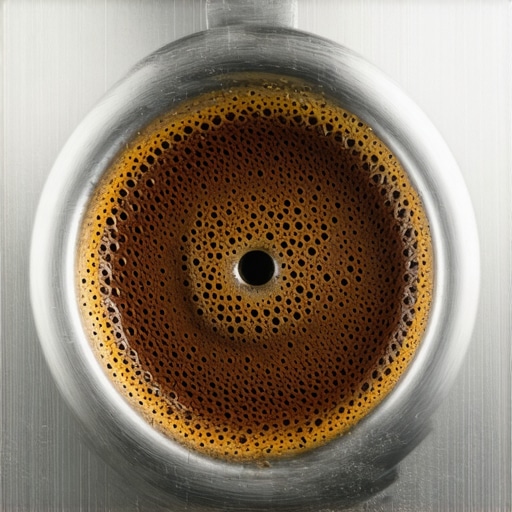
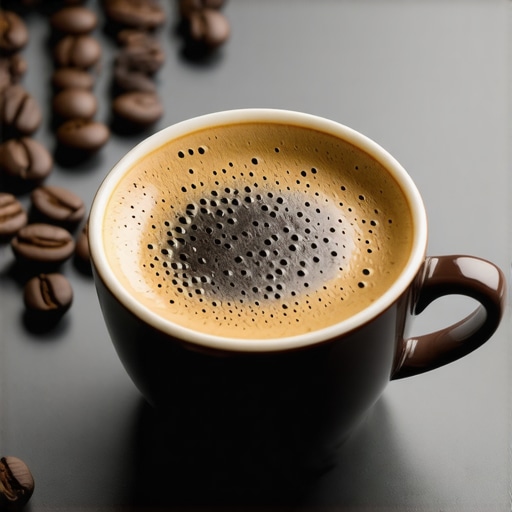
One morning, I pulled a shot that tasted like I’d chewed on a tire. It was a shock—what should have been a rich, aromatic espresso was instead a jarring, rubbery mess. That lightbulb moment made me realize: I had no idea why my beloved espresso was turning against me. If you’ve ever experienced that strange, acrid taste, you’re not alone. Many home baristas and enthusiasts face this perplexing problem, often without understanding what’s really causing it. But here’s the truth: way too many of us are making simple mistakes that lead to that burnt rubber flavor, and I promise, it’s fixable.
Spotting the Burnt Rubber Flavor: It’s More Common Than You Think
Ever wonder why your perfect espresso suddenly takes a dive into the undesirable? It’s frustrating, especially when you’ve invested in quality beans and equipment. The good news? Once you diagnose the root cause, you can turn your shots around. Today, I’ll walk you through exactly what caused my rubbery nightmare and how you can avoid the same pitfall. We’ll cover everything from grinder settings to machine maintenance, ensuring your espresso remains smooth and flavorful.
Is Your Grinder to Blame? The Common Misstep That Causes Burnt Tastes
One early mistake I made was neglecting my grinder calibration. I didn’t realize that inconsistent grind size or overheating grounds can lead to those unpleasant flavors. Especially when using blade grinders or poorly maintained burrs, heat can build up during grinding, transferring unwanted, burnt notes into your brew. A good rule of thumb is to ensure your grinder is set correctly for your beans and cleaned regularly. If you’re unsure how to choose the right grinder, I recommend checking out [how to select the perfect coffee grinder for your brew](https://espressotechguide.com/how-to-select-the-perfect-coffee-grinder-for-your-brew). Also, additional tips on maintaining your grinder can be found in [this helpful article](https://espressotechguide.com/how-to-clean-a-grinder-without-losing-your-settings).
Just as important is ensuring your grinder isn’t overworking and causing heat buildup. Overheated grounds often lead to those charred, rubbery flavors. So, if your grinder feels hot after use, consider dialing down the grind size or giving it a quick break before brewing again.
Now, you might wonder, ‘Is it really that simple?’ Absolutely. Making sure your grinder’s temperature stays in check and your grind size aligns with your machine settings can dramatically improve your espresso’s flavor. That’s why understanding your equipment and how to optimize it is so crucial. Ready to dive into the practical fixes and turn that burnt rubber taste into a thing of the past? Let’s get started.
Calibrate Your Grinder for Consistency
Ensure your grinder is set precisely for your beans; a miscalibrated grinder can generate excess heat, leading to burnt tastes. Use a calibration tool or follow manufacturer instructions to dial in the correct grind size. I once spent an afternoon adjusting my burrs, which resulted in a noticeable decrease in rubbery flavors and a smoother espresso. Regularly clean your burrs using a brush or grinder cleaning tablets to prevent buildup that can cause uneven grinding and heat accumulation.
Check the Burrs Regularly
Worn or dull burrs generate more heat and uneven grounds. Remove the hopper and inspect your burrs for dullness or damage. Replacing dull burrs can restore proper heat levels and grind consistency, directly improving flavor. For detailed guidance, visit this article on grinder maintenance.
Control Grind Size and Dosing
Use a high-quality digital scale like this one to measure your coffee dose accurately. An overly fine grind increases resistance, causing the grinder motor to work harder and heat up, which transfers unwanted flavors. Aim for a medium-fine consistency—like powdered sugar—and adjust until extraction timing aligns with your machine’s ideal parameters. I recall adjusting my grind from too fine to slightly coarser, which instantly improved flavor and prevented overheating.
Optimize Your Machine Settings
Know your espresso machine’s pre-infusion and brew temperature settings. Modern machines often allow manual adjustment; consult the manual or this guide for models suitable for precise control. When I faced persistent rubbery notes, I lowered my brew temperature slightly, which reduced thermal stress and improved taste.
Maintain Proper Cooling During Grinding
Consider cooling your grinder with airflow or periodic pauses. For example, I place my grinder in a well-ventilated area and give it 10-second breaks every 50 grams of beans to prevent heat buildup. When grinding very dark roasts, these pauses are essential to keep grounds from becoming burnt. Additionally, some enthusiasts use a small fan directed at the grinder to dissipate heat more effectively.
Refine Your Extraction Technique
Use a consistent tamping pressure—about 30 pounds—and distribute grounds evenly in the portafilter to avoid channeling and uneven flow. Channeling causes hot water to pass through only parts of the puck, resulting in over-extraction and burnt flavors. My personal fix was to practice even tamping and utilize tools like the pressure measurement device to confirm consistency.
Regularly Clean and Service Your Equipment
Deposition of coffee oils or mineral scale can cause uneven heating and flavor contamination. Descale your machine monthly based on water hardness, and clean the portafilter, baskets, and group head weekly. I use a descaling solution recommended in this article.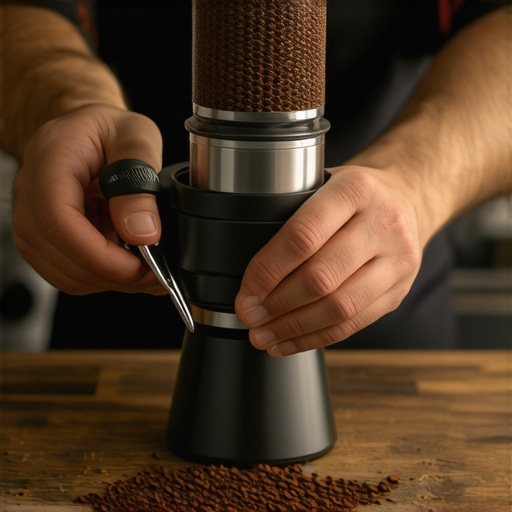 Proper maintenance prevents the buildup that can cause roasted notes and bad flavors, keeping your espresso pure and delightful.When it comes to perfecting your home espresso or choosing the right grinder, many enthusiasts focus on the basics—grind size, tamping pressure, and shot timing. However, these elements are only part of the story. The real expertise lies in understanding the subtle nuances that often go unnoticed, leading even seasoned baristas astray. Let’s dig deeper into some common misconceptions and advanced mistakes that can undermine your coffee ambitions.
Myth: All Coffee Grinders Are Created Equal
Many believe that any grinder labeled as “coffee grinder” will do the job. In reality, the quality, burr material, and grind consistency drastically impact flavor extraction. Cheaper blade grinders or poorly maintained burrs can generate uneven grounds, leading to channeling and over-extraction, which masks the beans’ true character. For serious home baristas, choosing a burr grinder with flat or conical burrs designed for espresso is crucial. I recommend reviewing the details in this guide to avoid falling into the trap of underperforming equipment.
The ‘Oops’ Factor: Overloading Your Machine
An often-overlooked mistake is attempting to pack the basket too densely, believing it leads to richer shots. In reality, this causes uneven water flow and increases pressure buildup, risking burnt or dull flavors. Proper dosing and distribution are essential, but equally important is realizing that less can be more. Experiments have shown that even distribution and a slightly underdosed basket can improve extraction and flavor clarity.
What Advanced Baristas Know About Temperature Management
Contemporary research emphasizes that precise temperature control during extraction is vital for nuanced flavors. Slight fluctuations—just a degree or two—can cause noticeable differences, especially with delicate or light roasts. An often-missed detail is that pre-heating your portafilter isn’t enough; the entire brewing pathway needs to be stabilized for optimal extraction. Consider investing in machines with PID temperature control or learning how to tweak existing settings. A deep dive into this topic can be found in latest espresso machine reviews.
Beware of the Micro-Mistakes in Milk Frothing
Many home baristas think that steaming milk is just about heating and frothing. Yet, small errors—such as inconsistent pitcher angles, improper tip positioning, or neglecting to purge the steam wand—can cause foam to separate or have uneven microbubbles. Mastery involves controlling steam pressure, temperature, and technique. For a comprehensive method, see this detailed guide. Before you start your next milk-based drink, check if your setup allows for microfoam perfection.
Finally, understanding that equipment maintenance—like regularly cleaning gaskets, descaling boilers, and inspecting valves—is fundamental, yet it’s often underestimated. These practices prevent flavor taints and mechanical hiccups, ensuring consistent performance. Often, even experienced baristas forget that neglecting these small but vital tasks can undo months of technical precision.
By paying attention to these nuanced details—beyond the standard tips—you elevate your coffee game from good to exceptional. Remember, true mastery combines knowledge with mindful practice. Have you ever fallen into this trap? Let me know in the comments, and share your experiences or questions about perfecting your home barista skills.
Keep Your Espresso Machine and Grinder Running Smoothly
Maintaining your coffee equipment isn’t just about cleanup—it’s about ensuring consistent quality in every shot. Precision tools and regular routines can extend the lifespan of your gear and improve flavor extraction. For instance, I highly recommend investing in a high-quality calibration tool for your grinder. It allows you to fine-tune grind size accurately after replacing burrs, preventing over- or under-extraction caused by misaligned settings. I personally calibrate mine monthly, which has noticeably improved shot consistency.
Tools I Trust for Long-Term Results
One indispensable item is a precision digital scale. Using a scale like this one helps me dose coffee precisely, reducing variability and preventing grind overdose that can lead to heat build-up and burnt flavors. Regularly weighing doses is a game-changer in maintaining the flavor profile of your espresso.
Next up, a cleaning brush set. I recommend getting a dedicated grinder brush and group head brush to remove coffee residues that can cause uneven heating over time. This simple routine keeps components free of oils and debris, improving heat dissipation and reducing the risk of flavor contamination. For detailed maintenance routines, check this guide.
Balancing Modern Software and Mechanical Maintenance
Transitioning into the future, I foresee sophisticated software integrations playing a bigger role. Some modern espresso machines come with apps that monitor temperature fluctuations or maintenance schedules. Tools like this upcoming trend will give home baristas real-time feedback to prevent issues before they become flavor disasters. Nonetheless, no software can replace routine mechanical upkeep—regular descaling, gasket checks, and component replacements remain vital.
How do I maintain my equipment over time?
The key is establishing a disciplined cleaning and calibration routine, aligned with your equipment’s manufacturer’s recommendations. I suggest setting monthly reminders for descaling your machine, inspecting and replacing worn gaskets, and deep cleaning the coffee pathways. Incorporate manual checks—like ensuring the group head gasket is in good shape—which prevents leaks and ensures proper pressure during extraction. Implementing these steps consistently will preserve your gear’s performance and your coffee’s flavor integrity.
To boost your maintenance game, try adopting the 10-second flush trick after every shot—it’s simple but highly effective in prolonging your machine’s lifespan. Regular upkeep isn’t glamorous, but it rewards your patience with consistently excellent espresso. Start with calibrating your grinder using a precision tool today and notice the difference in your brews!
What I Wish I Knew When I Started Taming My Espresso Gear
The hardest lesson I learned about coffee grinders was the profound impact of calibration. It’s not just about setting the grind size but understanding how temperature, burr wear, and consistency affect flavor. I once overlooked this, leading to off-flavors, but after fine-tuning my grinder, espresso became my favorite ritual.
Another revelation was recognizing how regular maintenance amplifies flavor clarity. I used to neglect cleaning routines, which caused residues and uneven heating. Once I committed to routine cleaning, I noticed a significant improvement in shot quality and machine longevity.
Also, I underestimated the importance of environmental factors—ambient temperature and humidity can influence grind and extraction. I started keeping my equipment in a controlled space, and the stability in my shots was remarkable.
Tools That Transformed My Home Barista Experience
My go-to resource has been this comprehensive guide to selecting coffee grinders. It helped me choose equipment suited to my needs and budget, avoiding common pitfalls.
For maintenance routines, this detailed article kept me on track with cleaning my burrs and ensuring consistent grind quality.
I also rely on a precision digital scale—like this model—to dose accurately. It’s a game-changer for consistent extraction and flavor clarity.
Your Turn to Elevate Your Espresso Game
Remember, mastering your coffee gear isn’t just about equipment—it’s about understanding and maintaining it with care. Every tweak and routine adds up to a better cup. Are you ready to explore new maintenance routines or experiment with calibration? Your perfect shot awaits.
Have you ever struggled with calibration or maintenance? Share your experiences below, and let’s learn together!