Why your group head gasket is leaking after just one month
I remember the moment I first faced this frustrating issue—after investing in what seemed like a top-tier espresso machine, I eagerly brewed my morning shot only to find a puddle forming beneath my machine. It was a sinking feeling, realizing that despite my enthusiasm and careful handling, my brand-new group head gasket was already giving out. That lightbulb moment made me ask: *Why is my gasket failing so quickly?* If you’re nodding along, trust me, you’re not alone. Many home baristas and enthusiasts discover that their freshly installed gaskets start leaking after just a month, leaving them baffled and disappointed.
Understanding the Real Cause Behind Gasket Leaks
So, what’s really going on? The truth is, a leak isn’t always about the gasket itself. Often, it’s the result of missteps early in the setup process or overlooked maintenance—mistakes that can be easily corrected with a bit of knowledge. When I first encountered this, I mistakenly believed that replacing the gasket alone would solve the problem. Spoiler alert: it didn’t. That initial mistake often leads to recurring leaks, costing both time and money.
Fortunately, based on my experience, I’ve pinpointed some common pitfalls and proven solutions. For example, improper installation or using incompatible gasket materials can cause early failure. According to industry experts, choosing the right gasket material—like high-quality Viton—can significantly extend your seal’s lifespan. This small detail makes a huge difference and is a key reason why so many gaskets fail prematurely.
If you’re tired of replacing gaskets every few weeks and want a reliable, long-term fix, keep reading. We’ll walk through step-by-step how to diagnose the real issue and ensure your gasket stays sealed for years, not just weeks. Whether you’re a seasoned barista or just starting your home espresso journey, avoiding these beginner mistakes can save you plenty of hassle. Interested in upgrading your gear? Check out our guide to the [top-rated espresso machines for coffee lovers in 2025](https://espressotechguide.com/top-rated-espresso-machines-for-coffee-lovers-in-2025), which includes model features that can minimize gasket issues.
Now, let’s dive into the specific actions you can take to keep your gasket intact and your machine running smoothly.
Have you experienced your gasket leaking shortly after replacement? Share your story or ask questions anytime—I’m here to help you keep your espresso game strong.
Secure the Gasket Properly During Installation
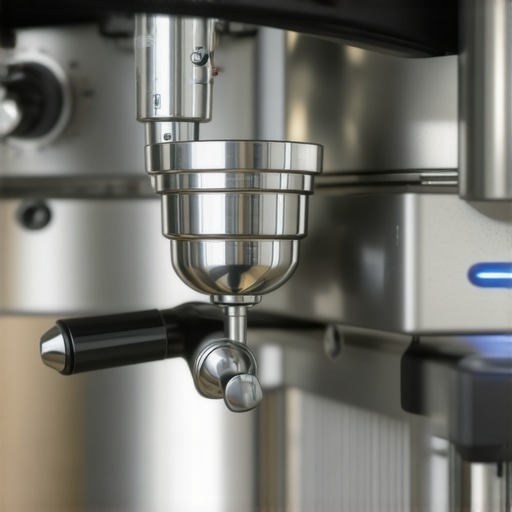
Remember that time I accidentally misaligned the gasket while reassembling my espresso machine, leading to an immediate leak? To avoid this, always ensure the gasket seats evenly in its groove before tightening. Use a flashlight to check for gaps or misalignment. When installing, press the gasket gently into place and verify it’s flush all around. This simple step prevents uneven pressure, which is a common cause of early gasket failure.
Choose the Right Gasket Material for Longevity
Replacing your gasket with low-quality rubber is like trying to keep a boat afloat with a cracked hull; it won’t last. For durability, opt for Viton gaskets, known for resistance to heat and chemicals in espresso machines. When I upgraded to a Viton gasket on my machine, I noticed a significant extension in its lifespan. You can find these by visiting choosing the best barista gear. Matching the gasket size precisely also prevents leaks caused by uneven sealing.
Maintain Proper Tightening Technique
Over-tightening is a common mistake that damages the gasket quickly, much like overtightening a jar lid causing cracks. Use the manufacturer’s recommended torque—usually hand-tight plus a quarter turn. I learned this the hard way when I overtightened my group head, causing immediate leaks. Use a torque wrench if available or tighten evenly by hand, alternating between bolts. Consistent pressure distributes stress evenly, prolonging gasket life.
Regularly Inspect and Clean the Seal Area
Debris or coffee oils can compromise the gasket’s seal. During routine maintenance, remove the gasket and clean the groove with a soft brush or cotton swab. I discovered that built-up coffee oils caused my gasket to slip, resulting in leaks. Use a cotton swab to get into tight spots. Keep the area dry and free of coffee grounds to ensure a tight fit during each brew session.
Align the Group Head and Portafilter Correctly
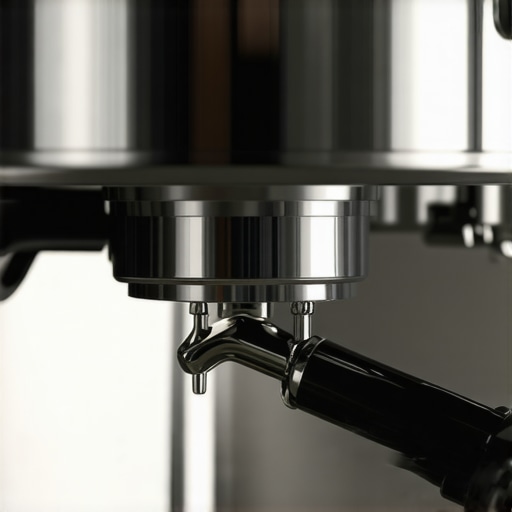
An often-overlooked cause of gasket leaks is misalignment when locking the portafilter. If your portafilter isn’t perfectly seated or is slightly crooked, it puts uneven pressure on the gasket. When I pay close attention to aligning the portafilter flush with the group head, I notice leaks diminish significantly. Practice ensures consistent placement, and if needed, use alignment guides or markings on your machine to assist.
Test Your Repairs with a Gentle Pressure Run
After reassembling, run water through the system at low pressure to check for leaks. This step helps identify issues before brewing coffee, saving time and frustration. When I first tried this, I caught a misaligned gasket early, preventing a mess and additional gasket damage.
Keep Up with Routine Maintenance
Schedule regular inspections—monthly if you brew daily. Replace gaskets proactively if signs of hardening, cracking, or deformation appear. For detailed step-by-step guidance, visit how to replace a group gasket. Consistent upkeep reduces the chance of leaks and keeps your machine performing at its best.
Many coffee enthusiasts dive into the world of barista gear and espresso machines with high hopes, but often miss subtle nuances that can make or break their brewing experience. While it’s tempting to assume that buying the latest gear or sticking to popular brands guarantees perfect results, *let’s dig deeper* into what most people get wrong about their equipment. In fact, understanding these overlooked details can elevate your home brewing to professional levels.
One common myth is that more expensive equipment always yields better coffee. As I’ve discovered through personal experience and expert insights, this isn’t necessarily true. Proper technique and understanding your gear’s quirks are often more critical than the price tag. For instance, many home baristas buy high-end grinders expecting flawless grounds, but neglect the importance of grind consistency and burr alignment. An advanced mistake is ignoring the significance of grind size distribution, which even top-tier grinders can’t fix if misaligned or poorly maintained.
**Why Your Coffee Grinder Might Be Sabotaging Your Shots**
A crucial, yet rarely discussed, nuance is the impact of static electricity on coffee grounds. Static causes grounds to cling to the grinder’s burrs and chute, leading to uneven dosing and channelling in your espresso puck. Sharing this advice, industry experts recommend periodically grounding the grinder or using anti-static tools, backed by studies showing static reduction improves extraction consistency. For in-depth tips on choosing the best grinder, check our comprehensive guide to selecting coffee grinders.
Missteps don’t end at grinding. A common mistake is the improper tamping technique. Applying inconsistent pressure or uneven tamping can cause uneven water flow, leading to bitter or under-extracted shots. Advanced users often utilize a distribution tool or the cork trick to ensure even grounds before tamping, resulting in more uniform extraction.
**When It’s Time to Upgrade Your Home Espresso Setup**
Many home baristas fall into the trap of sticking with their outdated machines for years, ignoring signs that it’s time for an upgrade. But upgrading isn’t just about buying the newest model; it involves understanding your brewing needs and how newer gear addresses common pitfalls. For example, newer espresso machines with advanced PID controllers temperature stabilize better, leading to more consistent shots. To choose a machine that matches your skill and aspirations, consider our 2025 top-rated espresso machine guide.
**What Advanced Home Baristas Should Watch Out For**
Finally, the most overlooked aspect involves maintenance habits. Regular cleaning of brew groups, descaling schedules, and gasket replacements are often deferred, causing subtle performance drops. A neglected gasket or mineral buildup can silently sabotage pressure and flow rate, especially in hard water conditions. Expert tip: Use cotton swabs and cleaning kits to ensure your machine’s internal channels are spotless.
Have you ever fallen into this trap? Let me know in the comments. The more aware we are of these nuanced pitfalls, the better our coffee becomes—so stay vigilant, keep learning, and transform your home espresso experience.
How do I keep my equipment in top shape over time?
Consistent maintenance is key to extending the lifespan of your barista tools. I personally recommend investing in quality cleaning supplies like cotton swabs and cleaning kits for grinders and steam wands. Regularly inspecting and cleaning components prevents buildups that can cause malfunctions, ensuring your machine operates smoothly and consistently. For example, a quick daily wipe-down of your steam wand with a damp cloth and weekly deep cleans can prevent milk residue from clogging or corroding parts, which is something I’ve seen make a tremendous difference in machine longevity.
On the software side, some advanced espresso machines now offer diagnostics tools or firmware updates that improve performance and fix bugs. Connecting your machine to its companion app and applying updates when prompted can address minor glitches before they become costly repairs. Look into machines like those listed in our 2025 top-rated list to evaluate if these features are available.
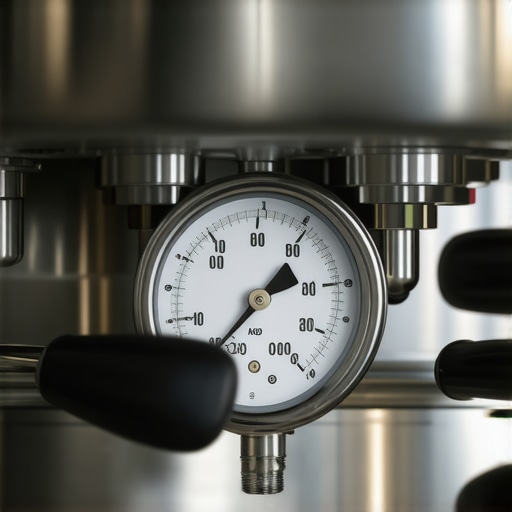
In terms of tools, a calibrated pressure gauge is invaluable for ensuring consistent extraction. Similarly, a quality silicone gasket lubricant can keep seals flexible and prevent early cracking, which I use religiously. Maintaining your espresso gear isn’t just about cleaning; it’s about understanding the nuanced needs of each component, from burrs to boilers, to prevent unexpected failures and to enjoy stable results over time.
Why Investing in Solid Tools Matters for the Long Run
Think about high-precision tools like a dedicated cleaning brush or a precision torque wrench for assembly. These small investments can save you hundreds in repairs and improve your overall coffee experience. Proper maintenance routines extend beyond cleaning; they involve proactive part replacements, such as gaskets and seals, based on manufacturer recommendations. For example, replacing your gasket every 12-18 months depending on usage can prevent leaks and pressure inconsistencies, which directly impact shot quality.
Looking ahead, the future of gear maintenance might involve smart sensors embedded in machines that monitor usage patterns and predict failures—a trend I believe will become mainstream in the next few years. Until then, adopting disciplined maintenance habits and using the right tools are your best strategies for keeping your setup running smoothly.
Ready to elevate your routine? Start by incorporating a regular cleaning schedule with specialized tools. Sometimes, a small, consistent effort yields the biggest long-term benefits—trust me, your espresso machine will thank you!
What I Wish I Knew When Starting Out with Barista Gear
One of the hardest lessons I learned was the importance of patience and attention to detail during gasket installation. A tiny misalignment cost me weeks of leaks and frustration, teaching me that even seemingly small steps can drastically impact long-term performance. This experience underscored that, in the world of home espresso, mastery is often about the subtle nuances that most newcomers overlook.
Another insight was how choosing the right gasket material—like Viton—could save me from repeated replacements. Initially, I thought I was saving money by opting for cheaper parts, but durability quickly proved more valuable. Investing in quality components, combined with proper installation, can transform your brewing experience from constant troubleshooting to consistent bliss.
Finally, routine maintenance became my secret weapon. Regularly inspecting, cleaning, and proactively replacing parts like gaskets has kept my machine running like new. This habit proved that consistent care not only preserves equipment but also elevates the quality of every shot I pull. Small, disciplined actions make a big difference over time, and I encourage every home barista to adopt them.
My Top Picks for Brewing Excellence and Equipment Care
Over the years, I’ve come to rely on some trusted resources and tools that truly make a difference. First, the 2025 top-rated espresso machines list helps me choose gear that blends performance with reliability, minimizing common gasket issues. I also trust the guide to selecting the best barista gear, which offers practical advice for upgrades and maintenance.
For tools, a quality cotton swab kit—great for cleaning tiny, hidden parts—and a calibrated pressure gauge are game-changers in my routine. These investments have paid off by reducing downtime and ensuring consistent extraction, reinforcing that smart tool choices are as crucial as the equipment itself.
Finally, I keep a close eye on gasket replacement schedules. Staying ahead of wear and tear prevents leaks and maintains optimal pressure—key to exceptional espresso. Combining knowledge, quality parts, and routine care has profoundly improved my brewing journey, and I believe it can do the same for you.
You Have the Power to Elevate Your Espresso Routine
Your pursuit of perfect espresso is a journey built on curiosity and continuous learning. By mastering the art of gasket maintenance, choosing the right materials, and committing to regular upkeep, you’re investing in a future filled with consistently fantastic coffee. Remember, every small effort—be it cleaning, precise installation, or timely replacements—is an act of love for your gear and your craft.
So, I invite you to take the next step today. Break free from uncertainty, embrace the details that matter, and turn your home setup into a sanctuary of flavor and reliability. Your perfect shot awaits—go make it happen!
What’s the most unexpected lesson you’ve learned about maintaining your home espresso gear? Share below and let’s learn from each other’s experiences!
,