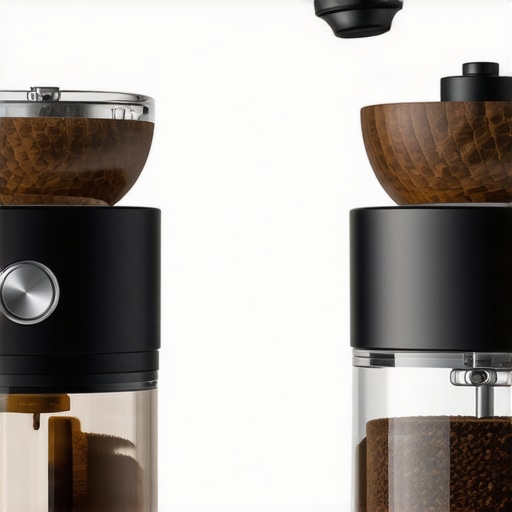
It was a morning just like any other when I finally hit my breaking point. My espresso shots, which used to sing with clarity, had started tasting muddy and inconsistent. Despite upgrading my grinder and meticulously maintaining my machine, nothing seemed to fix the dullness creeping into my coffee. That frustrating moment made me realize: maybe I was trusting the wrong gear for my light roasts, especially as the tech advances rapidly aiming for better precision in 2026.
The Hidden Power of Burr Design in Light Roasts
I discovered that traditional flat burrs, while popular, might not be the best choice when it comes to extracting delicate flavors from light roasted beans. After some research and personal testing, I found that multi-modal burrs provide a more uniform grind size, leading to brighter, more vibrant shots. The key? How they break down the beans to preserve nuanced aromas and flavors that flat burrs often crush or miss entirely. This realization was a game-changer—my coffee finally tasted how I envisioned. Now, I want to share what I’ve learned about why this shift is crucial and how it can elevate your morning brew too.
Is the Hype About Multi-Modal Burrs Just Too Good to Be True?
Early in my journey, I made the mistake of dismissing the buzz around multi-modal burrs as just marketing fluff. I thought, “Flat burrs have served me well for years; why change?” That was, until I noticed uneven extraction and inconsistent grind sizes creeping into my routine, especially with light roasts. I learned that some of those early errors, like neglecting the importance of burr alignment, can sabotage your entire setup and leave your beans wasted. For instance, misaligned burrs can cause uneven particle sizes, leading to bitter or flat flavors—something I experienced firsthand. If you’ve ever faced uneven shots, it might be worth exploring whether your grinder’s burr design could be the culprit. For a deeper dive into common grinder pitfalls, check out this article on misaligned burrs and their impact on coffee quality.
Align Your Burrs for Consistent Grinding
Start by unplugging your grinder and removing the hopper. Loosen the adjustment collar and rotate the burrs to check for misalignment. Use a calibration tool or a straightedge to verify both burrs are perfectly parallel. Tighten the collar securely once aligned. This prevents uneven particle sizes, which can cause flat or sour flavors in your shots. When I first did this, I found a slight wobble in my burrs, which I corrected, resulting in a noticeably cleaner extraction in my next brew.
Dial in Your Grind Size for Light Roasts
Light roasts require a finer grind for optimal extraction. Begin by setting your grinder to a slightly finer setting than your usual medium-coarse for espresso. Grind a test dose and pull a shot; if the flow is too fast or tastes sour, adjust by fining the grind slightly. Keep notes on adjustments for future consistency. This method helped me find my sweet spot, improving clarity without over-extraction, especially critical for delicate light roasts.
Maintain Consistency with Single Dosing
Instead of using the hopper, switch to single dosing by weighing out precisely 18 grams of beans for each shot. Use a digital scale connected to your smart scale app to ensure accuracy. Level the coffee bed evenly in the basket using a magnetic tamper for uniform density. I adopted this approach to eliminate beans bouncing around in the hopper, which often led to inconsistent grinds and shot variability. Single dosing made my workflow more precise and my shots more predictable.
Keep Your Grinder Dullness at Bay
Dull burrs can turn your finely tuned setup into a mess of inconsistent particles. Regularly inspect your burrs for signs of wear—discoloration or visible chips. Replace dull burrs promptly—generally every 1-2 years depending on usage—to prevent muddy shots. For example, replacing my burrs after testing with a burr-dulling test, I noticed a remarkable improvement in shot clarity. This proactive maintenance ensures your grinder performs optimally with light roasts, which are more sensitive to grind inconsistencies.
Experiment with Dose and Yield for Clarity
Adjust the dose slightly—try 18 grams instead of 20 grams—and calibrate your yields accordingly. Monitor how the shot pulls and tastes; lighter doses often highlight flavor nuances. Use a shot timer and a refractometer if available to measure extraction percentage. I experimented by pulling smaller shots and found that a lower dose better preserved the delicate flavors of my light roasts, giving me a brighter, more vibrant cup.
Many home baristas and even seasoned enthusiasts harbor misconceptions about espresso gear that can hinder their progress. A common trap is assuming that expensive equipment automatically guarantees superior results. In my experience, the true nuance lies in understanding how each component interacts, especially when it comes to grinders and milk frothing devices. For instance, some believe that high RPM grinders produce finer grounds, but in reality, faster grinders often generate more heat, leading to coffee fines that cause over-extraction and bitterness. This misconception can be detrimental, especially for light roasts where precision is crucial. Recent studies, such as those highlighted by expert baristas, emphasize that grinder burr quality and maintenance are more impactful than mere speed. Regularly checking your burr alignment can make a significant difference in shot clarity and consistency.
Another often-overlooked aspect is the role of milk frothers. Many assume that higher wattage or steam pressure automatically yields better microfoam, but this isn’t always true. The secret is in the technique—how you manage steam wand positioning and milk temperature. A common mistake is overheating the milk, which destroys the delicate proteins necessary for microfoam, resulting in flat or scorched textures. For home setups, mastering daily maintenance ensures optimal function and longevity. It’s also worth noting that many users underestimate the importance of regular backflushing to prevent channeling and ensure even extraction.
Are Your Home Espresso Shots Truly Barista-Quality
Many enthusiasts believe that owning the top-tier espresso machine guarantees professional results. However, flawed technique or neglecting minor details often has a bigger impact. For example, improper distribution and tamping lead to uneven puck density, causing inconsistent espresso. Moreover, ignoring signs of dull burrs or misaligned grinders results in fine particles creating a bitter cup. Investing time in routine maintenance and calibration is often more beneficial than upgrading equipment. Reflecting on these details can elevate your brewing beyond common misconceptions and truly enhance your experience, whether at home or in a small cafe. Want to improve your shot clarity? Consider consulting this guide on magnetic tamper fixes.
Remember, the devil is in the details. By debunking these myths and paying attention to the nuanced performance of your gear, you move closer to barista-level excellence. Have you ever fallen into this trap? Let me know in the comments!
Keep Your Equipment Running Smoothly for Consistent Results
Ensuring your coffee gear remains in top shape is crucial for maintaining the quality of your brews. Regular maintenance not only extends the lifespan of your equipment but also guarantees optimal extraction and flavor clarity. Personally, I rely on specific tools and methods tailored to each piece of my setup. For instance, a high-precision burr alignment tool helps me quickly verify my grinder’s precision, preventing uneven grind sizes that compromise light roasts. Investing in quality maintenance tools is a game-changer, especially as machine parts evolve towards more intricate designs in 2026, aiming for enhanced performance and efficiency.
Tools I Trust for Long-Term Maintenance
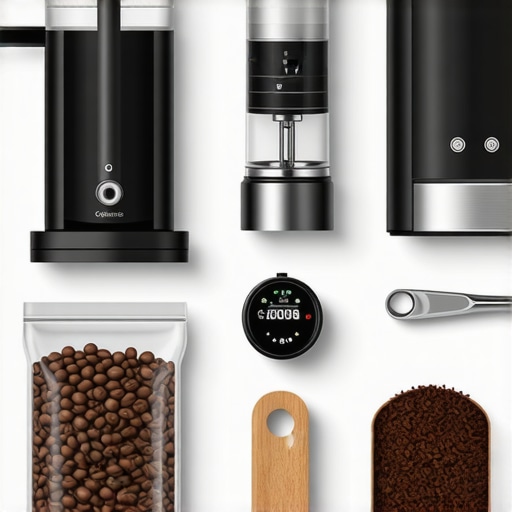
I swear by the Vortex Precision Grinder Brush for cleaning grinder burrs; it’s designed to reach deep into narrow spaces and remove coffee residues that cause static and clumping. Also, using a blind filter regularly during backflushing is vital; it allows me to gauge the cleanliness of my group head without wastage, reducing channeling issues. For my espresso machine, a thermal blanket wrap helps regulate temperature fluctuations during long sessions, especially in colder environments, preventing thermal drift that affects shot consistency. As technology advances, such tools are becoming more sophisticated, integrating sensors and real-time monitoring, which I predict will be standard practice by 2026.
How do I maintain my gear to last in the long run?
Establishing a routine is key. For grinders, schedule a burr alignment check every three months, and replace burrs whenever signs of dulling appear—typically after processing around 150 kg of coffee. For espresso machines, daily backflushing with a dedicated cleaning detergent prevents buildup and preserves pressure stability, which is particularly important as pumps and solenoids age (learn more about maintaining your pump here). Regular descaling, especially in areas with hard water, also extends machine life and maintains brewing precision. Predicting future trends, I believe smarter, IoT-enabled maintenance tools will become commonplace, alerting you when parts need replacing or cleaning—saving headaches and ensuring home setups keep pace with evolving standards.
The Power of Proper Scaling in Your Setup
Scaling your setup involves choosing equipment that matches your brewing volume and desired flavor profile. For example, if you’re shifting towards lighter roasts, investing in a grinder with precise flow control capabilities can make a significant difference in extraction. Likewise, a smart scale with app integration ensures consistency in dosing, which is critical when tweaking variables like dose size and yield for brighter, well-rounded shots. As gear becomes more connected, I expect to see advancements in calibration software that simplifies long-term maintenance, allowing even hobbyists to achieve professional results without extensive technical know-how.
How can I keep my gear at peak performance over time?
The key is dedicated care. Set a weekly schedule for deep cleaning your grinder and machine, and always use manufacturer-recommended lubricants or cleaning products. Pay attention to subtle signs like increased noise, inconsistent shot timing, or temperature fluctuations, which often indicate underlying issues. For example, dismissing early warnings such as a dying pump or misaligned portafilter handle can lead to costly repairs or permanent damage. Incorporating advanced troubleshooting techniques, like monitoring boiler pressure diagnosis or inspecting for internal blockages, will ensure your setup remains reliable. An excellent starting point is to use a refractometer to regularly check extraction yield, confirming that your adjustments still produce optimal results. Remember, consistent maintenance is your best tool for coffee excellence in 2026 and beyond.
Throughout this journey, one thing has become abundantly clear: excellence in home espresso isn’t about chasing perfect gear alone but understanding the subtle dance of calibration, maintenance, and technique. Sometimes, the smallest adjustments—like realigning burrs or tweaking your dosing—can unlock flavors that seemed forever out of reach. Embracing this detail-oriented mindset transforms your routine from a series of guesswork to a confident artistry, elevating every shot with a deeper appreciation for the craft. Remember, the pursuit of perfection is ongoing, and each tweak brings you closer to that elusive, silky espresso you’ve always admired—taste by taste.
Leave a Reply