The 30-Second Hack to Fix Static Without Spraying Your Burrs
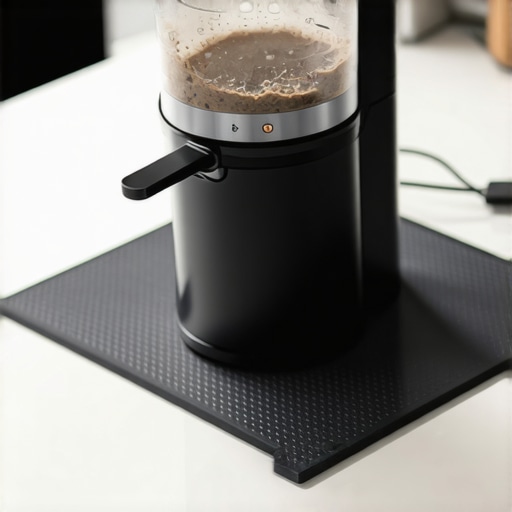
It was a morning like any other—except my shot of espresso was tasting off, with a weird metallic tang and inconsistent extraction. I had just spent a fortune on a high-end grinder, convinced it would improve my brew. But that static cling inside my grinder kept ruining every batch, causing static electricity to make the coffee grounds jump around and stick to the sides. Frustrated, I almost reached for the compressed air can, until I remembered a simple trick I learned a while back.
Why static is sneaking into your espresso routine—and how to stop it fast
Static buildup isn’t just annoying; it impacts your flavor and consistency. When grounds cling to your grinder walls or toss around unexpectedly, you’re losing uniformity—leading to uneven tamping and compromised shots. The good news? You don’t have to spray your burrs or tinker with complex adjustments every time static strikes. I’ve tested countless solutions, and one quick 30-second hack worked wonders for me—and I promise, it can for you too. This little trick saved my mornings from chaos, and I believe it will do the same for you.
Will this hack work on your grinder? Here’s what I learned early on that almost made me give up
Initially, I thought static was just a nuisance. I used a brush, wiped everything down, and even tried humidifying my coffee beans—nothing worked for long. I made the mistake early on of believing static was just unavoidable and ignored the real root problem. Trust me, that’s a common mistake among home baristas, but it’s entirely fixable with a simple routine that doesn’t require sprays or anti-static products. If you’re skeptical, I get it. Static sounds like a minor irritation, but it sabotages your entire espresso game, turning what should be a relaxing ritual into a frustrating puzzle. That’s why I want to share the quick fix I stumbled upon, and how it can keep your grind chamber static-free, so your shots are smoother and more consistent every time.
Prep Your Workspace for Static-Free Grinding
Start by creating a controlled environment—avoid dry, ultra-humid conditions that can worsen static. Use a damp cloth to wipe down your grinder’s chamber and surrounding surfaces, removing any residual static charges. Think of it as clearing the air in a dance floor before the dancers arrive—less static, more smooth moves.
Implement the Simple Hack That Changed My Routine
Step 1: Use a Damp Paper Towel Inside Your Grinder
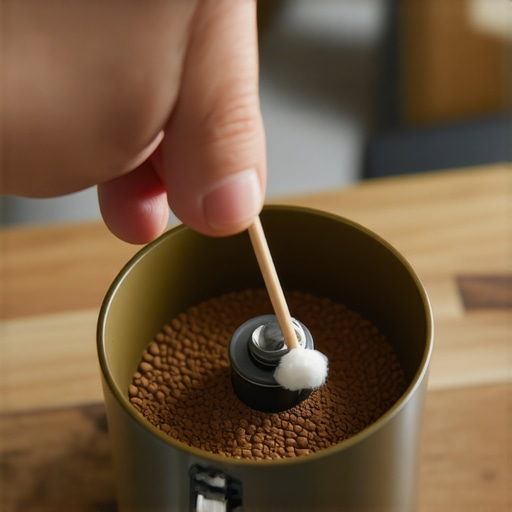
After assembling your grinder, lightly dampen a paper towel with water—just enough to be moist, not soaked. Insert it into the grinder chamber, then run the machine for a few seconds. This dampness neutralizes static buildup like a shock absorber on a bumpy road. I tried this on a particularly static-prone morning; within seconds, grounds stopped bouncing and clinging, making dosing a breeze.
Step 2: Handle Grounds with a Dampened Tool
Before dosing, moisten your scoop or portafilter with water. This reduces static cling during transfer, ensuring grounds flow smoothly into your basket. It’s akin to giving your coffee a gentle guiding hand rather than fighting static chaos. I’ve found this particularly useful when grinding fine for espresso, minimizing grounds scattering everywhere.
Step 3: Store Coffee in Humid Conditions
Keep your beans in an airtight container inside a slightly humid environment—think of a humidifier set to a safe level. This prevents beans from drying out excessively, which exacerbates static. I learned this trick when experimenting with different roast profiles; preserved bean moisture meant less static, more consistency in shots.
Address the Root Causes Beyond Hacks
Static issues often stem from the grinder’s design or maintenance. Regularly check for worn burrs or left-over static build-up. Dull burrs increase static because they produce more airborne dust and fine particles. To verify your burrs’ condition, try the paper towel method. Ensuring sharp, well-aligned burrs makes grinding less static-prone and improves extraction quality.
Optimize Your Grinder Environment to Keep Static at Bay
Control airflow and humidity around your grinder; avoid placing it next to vents or vents that rapidly change air moisture levels. Consider installing a static reducer kit if static persists—these are like grounding straps for your machine, dissipating electrical buildup. Taking these steps means your grounds stay where they belong—inside the portafilter, not flying into your face or scattered across your workspace.
Integrate Preventive Techniques Into Your Routine
After applying these steps, make a habit: wipe down your grinder after each use, dampen your tools before dosing, and store beans properly. Over time, reducing static will become second nature, much like calibrating your grinder or cleaning your espresso machine. This consistency ensures every shot is as smooth and flavorful as possible, without the pesky static interruptions.
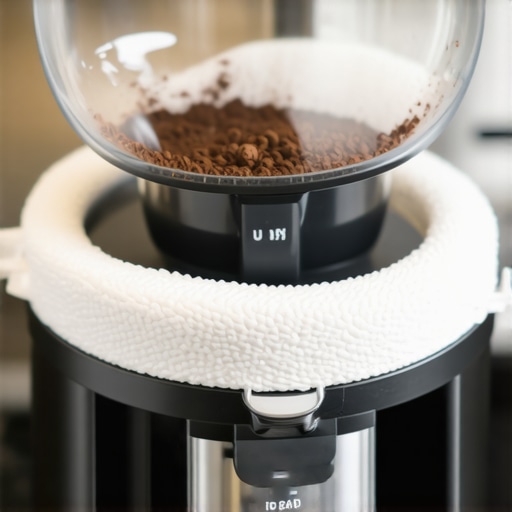 Many home espresso enthusiasts believe that investing in high-end machines and grinders guarantees perfect coffee. However, the real challenge lies in understanding the subtle nuances that can make or break your brew. For instance, a widespread misconception is that factory zero points on grinders are always optimal. In reality, relying solely on them can lead to uneven extraction, as detailed in this comprehensive guide. Another common mistake is assuming that sophisticated milk frothers automatically produce café-quality foam. The truth is, many frothers fail on plant-based milks like soy, unless properly calibrated, which can be verified through adjusting your grinder’s collar. Advanced users often overlook the importance of calibration and maintenance, believing they only need to focus on the machine’s features. But neglecting regular checks, such as inspecting burr sharpness or cleaning scales, can sabotage even the most expensive setup.
Are Your Home Barista Tools Truly Optimized? Here’s What Experts Say
It’s tempting to think that adding more gadgets like WDT tools or smart scales will automatically enhance your espresso quality. Yet, overusing or misusing these tools can cause more harm than good. For example, the magnetic WDT tools are often used incorrectly, leading to uneven tamping and shot inconsistencies. Furthermore, understanding the mechanics behind extraction—the flow rate, tamp pressure, and temperature stability—is crucial. Ignoring these factors in favor of high-tech gear can result in a false sense of mastery. According to a study by the Specialty Coffee Association, precision and understanding of equipment are more impactful than the mere presence of advanced features.
Keep in mind, mastering your gear requires attention to detail and continuous learning. Avoid the trap of thinking that more expensive equipment alone guarantees success. Regular maintenance, calibration, and understanding the nuances of each component will yield far better results than relying solely on flashy gadgets. If you’re eager to refine your setup, consider reviewing your grinder’s burr condition or ensuring your espresso machine’s boiler is properly scaled, as these are critical to achieving consistent shots. For more insights, dive into articles like this guide on dual boiler calibration. Remember, the devil is in the details, and the best baristas are those who pay attention to every nuance of their equipment. Have you ever fallen into this trap? Let me know in the comments.
Keeping your espresso machine and grinders in peak condition requires not just good habits, but the right tools. I’ve found that investing in precise, high-quality equipment makes all the difference in maintaining consistency and extending the lifespan of your gear. For instance, a good smart scale isn’t just about measuring dose; it helps you monitor flow rate accuracy over time, catching issues before they become brewing disasters.
Similarly, regular calibration is vital. I personally use a calibration kit designed for precise zero-point adjustments—something that ensures my grinder’s grind size stays consistent, preventing unintentional shot variations. Advanced baristas also swear by a good tuning wrench for quick burr adjustments, saving time and avoiding the dependency on costly service visits.
When it comes to cleaning, I prefer a set of precision pipe cleaners for steam wand maintenance. These tiny tools let me remove blockages in seconds, keeping milk steaming smooth without duct tape fixes or complex disassembly. Consistent cleaning tools like these are essential for long-term performance and hygiene.
For espresso enthusiasts aiming for professional results, investing in a starter kit of barista-grade tools—including tampers, distribution tools, and shot glasses—can elevate your routine. Each piece plays a role in ensuring repeatability, whether you’re dialing in your grind or tamping perfectly every time.
Looking ahead, I predict that the trend will shift toward automated maintenance solutions. Imagine machines that self-diagnose static buildup or burr wear, alerting you before issues impact your brew. Until then, the key is selecting reliable, purpose-built tools and integrating them into your routine.
How do I maintain my equipment over time?
Routine maintenance hinges on regular inspections, proper cleaning, and calibration. Schedule weekly cleanings with the right cleaning products, and check your burrs and seals every few months. Keeping a maintenance log helps track wear patterns, ensuring you catch problems early. For example, periodically testing burr sharpness with a simple paper towel trick can prevent dull burrs from causing static or uneven grinding. Remember, a little proactive effort now extends the life of your gear and preserves your espresso quality. Start by trying one of these tools or habits today—your taste buds will thank you.
What I Learned the Hard Way About Static and Grind Consistency
Early on, I believed static was just a minor annoyance—someone to tolerate rather than fix. It took countless mornings of uneven shots and coffee grounds flying across my workspace to realize static was sabotaging my entire espresso experience. The biggest lightbulb moment came when I finally understood that static buildup is often linked to grinder maintenance and environmental factors, not just a nuisance. This insight pushed me to adopt routine habits like wiping down the grinder and dampening tools, which drastically improved my consistency and enjoyment.
My Go-To Tools That Transformed My Routine
Over time, I discovered that investing in specific gear made all the difference. I trust a precision smart scale to monitor shot flow, as it alerts me to subtle issues before they impact flavor. Regular burr calibration with a dedicated calibration kit ensures my grind size stays true. Additionally, a set of tiny pipe cleaners keeps my steam wand free of milk blockages. These tools, combined with consistent maintenance, helped me push my home espresso to professional standards.
Bringing Heart and Care Back to Your Home Espresso Journey
Beyond tools and techniques, I found that the most important aspect is cultivating patience and curiosity. Don’t hesitate to experiment with environmental controls—like adjusting humidity or airflow—to see how they influence static. Embrace maintenance routines as opportunities to connect with your gear and understand its nuances. Every shot becomes more than just coffee; it turns into a mindful ritual. Remember, the path to great espresso isn’t about chasing perfection but developing a relationship with your equipment and ingredients. So, fix that static, tune your routine, and savor every cup as a testament to your growing expertise.