Why Your Portafilter Basket Creates Uneven Resistance and the Scrub That Fixes It
There was that moment in my kitchen when my espresso shot suddenly tasted off—bitter, uneven, and just not up to the usual standard I prided myself on. I stared at my portafilter, frustrated why my carefully calibrated grind and tamp would suddenly betray me. It hit me: my basket wasn’t sitting right, causing uneven resistance and ruining my shot. That lightbulb moment changed how I approached my setup entirely.
The Hidden Culprit Behind Uneven Resistance
If you’ve ever experienced inconsistent extraction or a channeled shot, chances are your portafilter basket is at fault. What many don’t realize is that tiny deposits of coffee oils, residual oils, and buildup inside the basket can create uneven resistance. These barriers often go unnoticed but significantly affect water flow, leading to over-extraction in some spots and under-extraction in others.
Early in my espresso journey, I made the mistake of ignoring these deposits. I thought a quick rinse was enough. Spoiler alert: it wasn’t. Over time, I learned that a dedicated scrub can loosen and remove stubborn oils and residues, restoring proper water flow. The secret isn’t just in cleaning but in doing it correctly and regularly. Want to get your shots tasting consistently delightful? Keep reading, because I’ll show you the simple scrub that transformed my espresso game.
Is Cleaning Your Basket Really Worth the Effort?
Many home baristas dismiss basket cleaning as just a boring chore. But here’s a truth I wish I’d known earlier: neglecting this step can cause your machine to perform subpar and your shots to be inconsistent. Plus, a well-maintained basket extends the lifespan of your equipment. I used to think that routine cleaning was overkill until I realized how much uneven resistance was costing me in flavor and crema quality. In fact, regular scrubbing can solve issues tied to thermal lag and residual oils that compromise extraction.
Now that I’ve dedicated a few minutes to this step, I see a remarkable difference in my espresso shots—more consistent, more flavorful, and so much more satisfying. Ready to ditch the frustration and elevate your home brewing? Let’s dive into the cleaning method that made a real difference in my routine.
Remove Residual Oils with a Deep Scrub
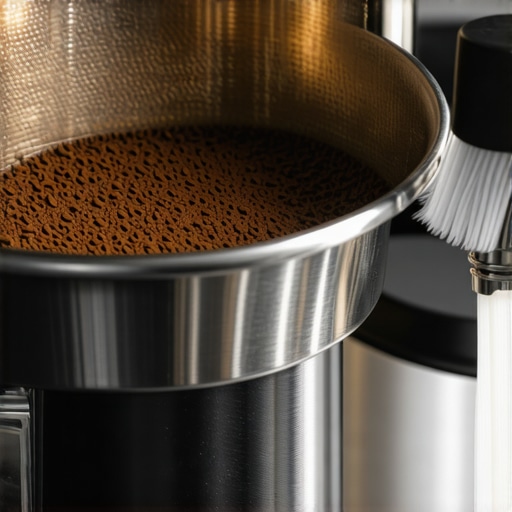
Start by disassembling your portafilter and removing the basket. Use a soft brush or a dedicated espresso brush to scrub inside the basket thoroughly. Focus on the bottom and sides where oils tend to accumulate. For stubborn areas, dampen the brush with a mixture of espresso cleaner and warm water. Remember, oils can clog tiny holes, causing uneven resistance, so don’t skip this step.
Use a Cleaning Solution Effectively
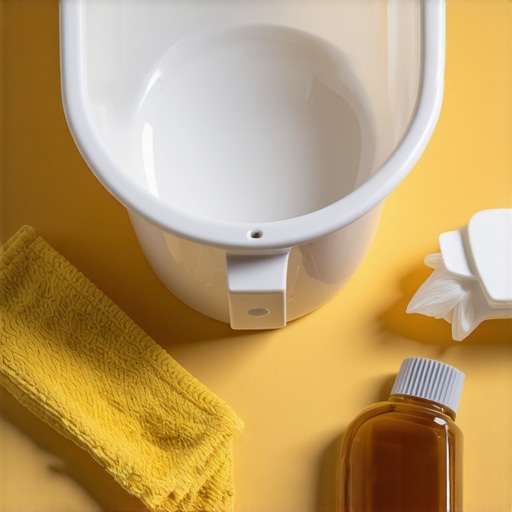
次次浸泡濾杯於適合的清潔劑中,或者用一包專為咖啡器材設計的清潔粉,按說明稀釋。浸泡約5分鐘,讓油脂或殘留物鬆動。然後,用清水徹底沖洗乾淨,確保沒有殘留的清潔劑。這個步驟像是給你的濾網做一次深層SPA,讓水流再也不受阻礙,提升萃取品質。了解更多清潔技巧
Dry and Inspect Before Using Again
將濾杯和濾網用乾淨的布或紙巾擦乾,避免水分滲入咖啡油殘留物中,形成細菌滋生的環境。仔細檢查是否有細孔堵塞,若有,考慮用針或專用工具疏通。這個步驟保證每次都能獲得均勻的水流和濃郁的萃取。正如我曾在一次清潔後用新鮮咖啡粉進行試萃,結果明顯感受到香氣更濃、回甘更持久。定期進行如此徹底的清潔,讓你的咖啡體驗升級,遠離苦澀和水洩現象。” alt=”A barista cleaning a coffee basket with a small brush” title=”Deep cleaning espresso basket for optimal performance”/>Many espresso enthusiasts believe that simply owning high-end equipment guarantees perfect coffee—nothing could be further from the truth. One common mistake is assuming that selecting a more expensive grinder or machine alone will solve all your brewing issues. In reality, understanding the nuanced behavior of your equipment is pivotal. For instance, many think that grinding coarser will always prevent over-extraction, but in my experience, the interaction between grind size and tamping pressure can dramatically alter shot quality, especially when considering variables like thermal lag in espresso machines. Moreover, there’s a widespread misconception that milk frothers are all created equal; yet, many overlook that different frothers—manual, handheld, automatic—require tailored techniques to achieve microfoam perfect for flat whites and cappuccinos. Mistreating these tools or blindly following generic tips can lead to foaming disasters or burnt milk.
Are Low-RPM Grinders Really Killing Your Shots in Disguise?
Recent studies indicate that grinders with slower RPMs often produce less heat, preserving essential volatile compounds in the coffee bean and resulting in more vibrant flavor extraction. However, some home baristas fall into the trap of assuming high RPM equals better grind consistency; in fact, high-speed grinding can generate static issues or uneven particle distribution, especially if burr alignment isn’t maintained. Regularly checking your grinder’s burrs after a few kilograms of use can save you from bitter, flat shots. Always remember, equipment is only part of the equation. Mastering the subtle interplay between grind, tamp, and temperature—like the thermal management of your espresso machine—can elevate your brewing from good to exceptional. Avoid falling for myths that pushing for more expensive gear automatically results in better shots. Instead, invest time in understanding the nuanced behavior of your existing tools. This patience pays off in flavor, consistency, and overall enjoyment. Have you ever fallen into this trap? Let me know in the comments.
Tools That Keep Your Machine Running Smoothly
Ensuring your espresso gear remains in top shape isn’t just about initial investment; it’s about dedication to maintenance and using the right tools. I personally rely on a few specific items to keep my setup reliable and brewing excellent shots daily. A high-quality precision torque wrench for dialing tamp pressure ensures consistency over time, especially when experimenting with different beans. For cleaning, a dedicated espresso cleaning brush with stiff yet gentle bristles helps me remove stubborn oils from baskets and shower screens without scratching delicate surfaces.
When it comes to descaling and deep cleaning, I swear by an organic, food-grade descaling solution that effectively dissolves mineral build-up without harsh chemicals. Regular use of a pH-balanced water filter cartridge in my water reservoir prevents scale formation altogether, extending the longevity of my espresso machine and improving water quality for better extraction. These tools, combined with a properly calibrated scale, help balance every shot accurately.
Predicting the Future of Coffee Equipment Care
As smart technology continues to evolve, I see a trend toward smart monitoring and automated maintenance systems. Imagine your espresso machine alerting you when descaling is due or when internal components need calibration—turning routine upkeep into a set-it-and-forget-it process. Devices that communicate with your smartphone are likely to become standard, reducing the guesswork in maintenance and ensuring consistent performance day after day.
How Can I Maintain My Equipment Over Time?
The key to long-term reliability is a routine that integrates simple but effective habits. Schedule weekly backflushing with a dedicated cleaning powder to clear out any residual oils and coffee deposits, which can cause channeling or pressure inconsistencies. Monthly descaling with an appropriate solution ensures scale doesn’t harm your boiler or heating elements, especially in hard water areas. Regularly inspecting seals, gaskets, and filters—particularly in the steam wand and water inlet—prevents leaks and performance drops. Checking burrs on your grinder with a burr wear test guarantees your grind size remains uniform, crucial for extracting the best flavors. Incorporating these habits can drastically improve your long-term results and save you money. For example, utilizing a precision tool like a burr alignment kit can realign worn burrs and restore your grinder’s performance without costly replacements. Want to see a real difference? Try out the simple habit of dry brushing your shower screens and baskets weekly with a stiff brush, and you’ll notice cleaner shots and less troubleshooting. Invest a little time now, and your gear will reward you with better flavor profiles for years to come.
After countless hours experimenting, cleaning, and fine-tuning, I’ve discovered that true mastery of home espresso isn’t about chasing the latest gadgets but understanding the subtle art behind the scenes. One lightbulb moment came when I realized that even the smallest deposits inside my portafilter basket were sabotaging my perfect shots. Making this connection transformed my entire approach to maintenance and brewing.
What I Wish I Knew When I Started Brewing
- Every detail matters more than it seems. Regular deep cleans of your basket prevent oil buildup that causes uneven resistance, so your water flows smoothly and flavor extraction is consistent.
- Investing in the right tools saves time and frustration. High-quality brushes, precise torque wrenches, and organic descaling solutions have become my secret weapons for long-term machine health.
- Understanding the interaction between equipment and variables like grind size, tamping, and thermal management leads to more reliable results than just upgrading hardware.
Tools That Keep My Coffee Consistent
From a dedicated espresso cleaning brush to a pH-balanced descaling solution, these tools have helped me maintain equipment and consistently craft flavorful shots. A precision torque wrench ensures my tamp pressure stays uniform, and a quality water filter protects my machine from mineral buildup. For those interested in elevating their routine, I recommend checking out thermal recovery tips to stay ahead of common issues.
Your Next Step Toward Coffee Excellence
Remember, mastery of home espresso is a journey—every step of maintenance, dialing-in, and experimenting brings you closer to that ideal shot. With patience, attention to detail, and the right tools, you can turn your kitchen into a renowned barista studio. Don’t let small setbacks discourage you; embrace them as opportunities to learn and grow. Curious to hear your own experiences—what’s the one cleaning tip that revolutionized your brewing?