
How to Get Rid of the Metallic Taste in Your First Morning Espresso Shot
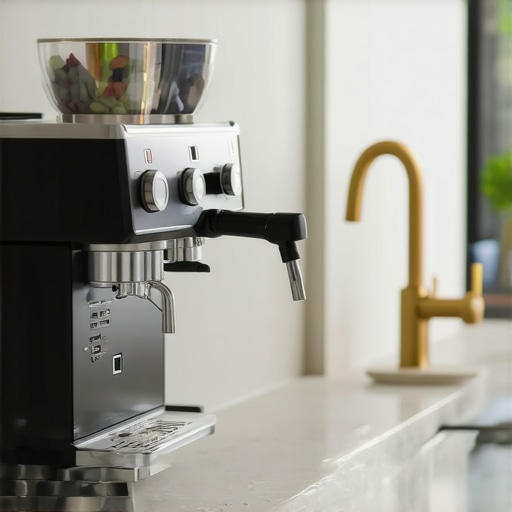
One morning, I reached for my beloved espresso shot, eager to kickstart my day. But instead of the rich, velvety smoothness I craved, I was hit with an unsettling metallic flavor. My first thought: what went wrong? It was as if I’d brewed with a spoonful of pennies. That moment was a wake-up call—I had been ignoring some crucial aspects of my home espresso setup, particularly my grinder and machine maintenance.
Why That Metallic Taste Won’t Leave You Alone (And Why It Matters)
The metallic taste in your espresso is more than just an unpleasant flavor—it’s a sign that your equipment might be compromised or improperly maintained. This bitterness can stem from several issues, like rusty grinder burrs, mineral build-up inside your machine, or even contaminated water sources. Over time, these factors can degrade your coffee experience, making every morning feel less like a ritual and more like a chore.
What’s more surprising is that such a tiny taste—something many dismiss as a minor flaw—can actually point to underlying problems with your gear. For instance, did you know that [scale buildup in boilers](https://espressotechguide.com/is-your-2026-boiler-scale-choked-5-signs-you-need-a-flush) not only affects flavor but also jeopardizes your machine’s lifespan? Addressing this issue can restore your coffee’s purity and ensure your machine runs smoothly.
So, if you’ve ever experienced that metallic ripple in your cup even once, you’re not alone. I’ve been there, and I know how frustrating it can be. That’s why today, I’m going to guide you through practical steps to banish that metallic taste—using methods that have genuinely worked for me—and help you reclaim your morning ritual.
But before we dive into solutions, let me share a common mistake I made early on that could have cost me dearly. I overlooked the importance of regular cleaning and calibration, which only worsened the issue. Trust me, getting these fundamentals right makes all the difference. You don’t want to skip the basics and end up battling the same problem repeatedly.
Are you tired of that metallic tang ruining your espresso? If so, keep reading. We’re about to tackle this issue head-on with some simple yet effective techniques.
Disassemble Your Equipment Carefully
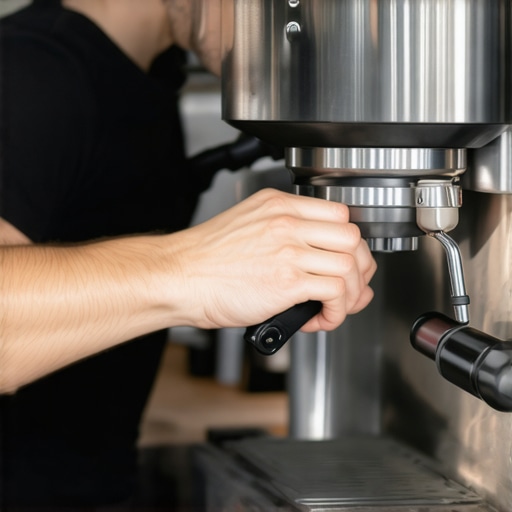
Start by turning off and unplugging your espresso machine. Remove the portafilter, filter basket, and any detachable parts like the steam wand and drip tray. Use a soft brush to gently clear loose debris and coffee residues, focusing on areas where mineral deposits or old coffee oils might have accumulated. Remember, a thorough disassembly allows you to target hidden buildup, which often causes metallic flavors. For internal components, consult your machine’s manual or manufacturer guides to avoid damaging delicate parts.
Clean and Descale the Brew Path
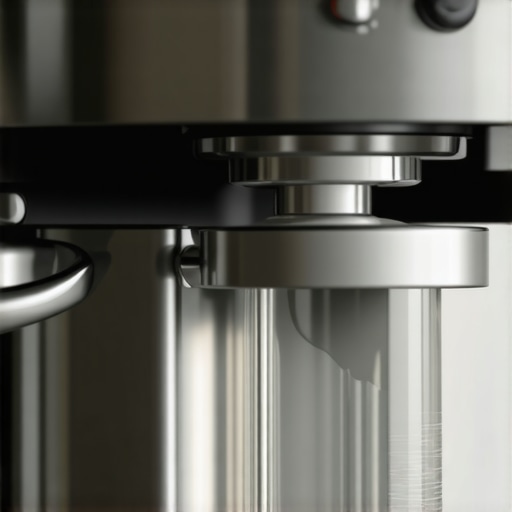
Prepare a descaling solution or a mixture of equal parts water and white vinegar, especially if you suspect mineral scale buildup. Run this solution through your machine’s brew cycle following your manufacturer’s instructions. This step is vital since mineral deposits in boilers or pipes can introduce metallic tastes and affect extraction quality. Learn how to identify when your boiler needs descaling. Ensure you also clean the shower screen and group head to eliminate residual coffee oils and mineral particles that can taint flavors.
Deep Clean Burrs and Grinder Components
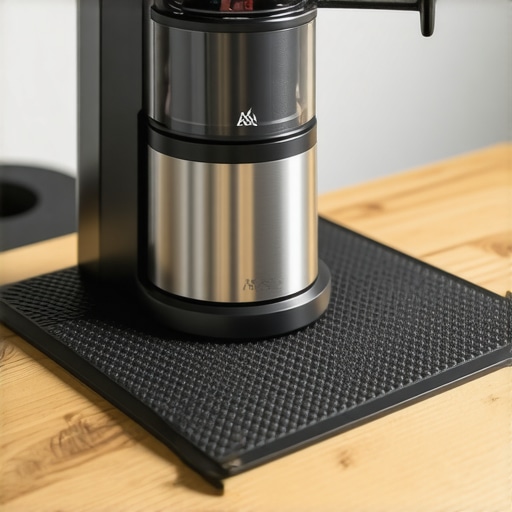
Coffee grinder static and residual oils can cause metallic off-flavors. Remove the hopper and burrs carefully, following your grinder’s manual. Use a dedicated brush to dislodge stubborn coffee particles, and clean all metal parts with warm, soapy water or a specialized grinder cleaner. Pay particular attention to burr alignment, as misaligned burrs can lead to uneven grinding and extraction. Consider applying static-reducing hacks if static buildup persists, which can trap fine metal particles contributing to metallic tastes.
Sanitize Water Tanks and Lines
Foul or mineral-heavy water sources are common culprits for metallic flavors. Empty your water tank and scrub it with a brush and mild detergent. If you use a water filter or descaler, replace or clean it regularly. Flushing the water lines with a filtered solution reduces mineral deposits and bacteria that might produce metallic residues. For machines with internal water pathways, a deep cleaning routine involving specialized cleaning kits can prevent buildup of impurities that cause off-flavors.
Conduct a Final Rinse and Test Brew
After cleaning, run several cycles of fresh water through your machine to flush out any remaining cleaning agents or loosened debris. Drain the excess water and reassemble your setup. Brew a test shot—pay attention to flavor, aroma, and mouthfeel. A metallic taste often diminishes or disappears altogether if the cleaning process effectively removes scale and residues. If the taste persists, revisit previous steps, considering replacing parts like water filters or consulting your equipment’s support resources for more in-depth troubleshooting, such as in descaling your boiler or inspecting internal components for corrosion.Many home espresso enthusiasts believe that choosing a high-end grinder or a fancy machine guarantees perfect shots. However, the real challenge lies in understanding the intricate details of grinder calibration, thermal dynamics, and equipment aging. For instance, a common misconception is that burrs need to be replaced frequently; in reality, they require around 5kg of beans to settle properly, which many overlook, leading to inconsistent grind size and extraction issues. Additionally, novice baristas often dismiss the importance of routine calibration, assuming their gear stays accurate over years, but internal components like the boiler and pressure sensors drift over time, affecting shot quality. Delving deeper, the myth that all stainless steel portafilters enhance flavor ignores how material and design influence heat retention and extraction consistency. Advanced users recognize that even small factors—such as water minerals or grinder static—can subtly alter taste and crema formation. Moreover, understanding the thermal behavior of dual boilers or the impact of pump pressure fluctuations can make a significant difference in shot stability. To avoid these pitfalls, regular maintenance, precise calibration, and a nuanced understanding of each component’s role are essential. For example, experts recommend tools like pipe cleaners to unclog steam tips or using 30-second hacks to fix thermal drift, which prevent common issues from escalating. Remember, the difference between a decent shot and a barista-level espresso often hinges on these nuanced adjustments and awareness of equipment aging. Are you aware of how thermal saturation affects your machine’s performance? Reading further into topics like [fixing boiler lag](https://espressotechguide.com/fixing-2026-espresso-machine-boiler-lag-3-thermal-hacks) can give you an edge over typical mistakes. Don’t overlook these hidden details, as they often separate the good from the exceptional. Have you ever fallen into this trap? Let me know in the comments.Ensuring your coffee equipment remains in peak condition requires more than occasional cleaning. I rely on precise tools like a digital calibration scale to monitor shot consistency and a set of high-quality pipe cleaners for quick internal cleanings. Regularly calibrating your grinder using a zero-point tool helps prevent uneven extractions. For espresso machines, performing a weekly descale using manufacturer-approved solutions can significantly extend their lifespan and flavor quality. Advanced enthusiasts often use thermal imaging to identify heat spots in their machines, revealing potential issues before they affect coffee quality. Prediction suggests that future trends will involve smart, IoT-enabled maintenance systems that alert you to component wear or blockages in real-time.
How do I maintain my equipment over time?
Besides routine cleaning, keeping detailed logs of usage and maintenance helps identify patterns that could lead to problems. For example, tracking grinder burr wear with a visual inspection checklist ensures timely replacement, avoiding stale or uneven grinds. I also recommend investing in a high-precision calibration tool like the Baratza Sette’s included calibration kit, which I personally use to fine-tune my grinder after every 5kg of beans—meeting the benchmark outlined in this resource. Differently from basic cleaning routines, these detailed adjustments deliver a consistent espresso shot quality day after day. Keep your milk frothers, such as the Rancilio Milos, clean with small brushes and descaling agents to prevent buildup that affects microfoam quality. Remember, neglecting minor issues can lead to larger expenses and downtime, so dedicating a few minutes weekly to equipment checks can save you money and frustration.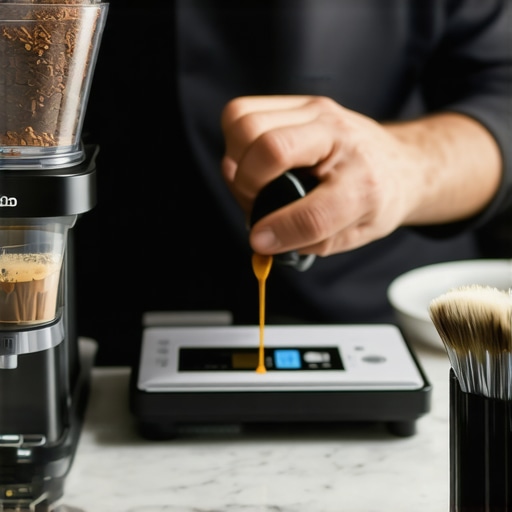
Looking ahead, I believe AI-driven diagnostic tools will become commonplace, allowing home baristas to optimize their gear with minimal effort. Until then, developing a disciplined maintenance routine with the right tools will keep your setup performing at its best. For example, applying the 30-second static fix on your grinder can drastically improve consistency—trust me, it’s a game-changer. Don’t wait for equipment failure; proactively maintaining your tools ensures a better coffee experience and preserves your investment over time.
The Hardest Lesson I Learned About coffee grinders,home espresso,barista gear,espresso machines,milk frothers
One of the most profound realizations I had was that even top-tier equipment can’t compensate for neglecting routine maintenance and nuanced calibration. I once assumed that a shiny new machine would consistently deliver perfect shots, but I learned the importance of understanding internal thermodynamics and component wear. Small tweaks—like adjusting pressure profiles or checking grinder static—made a world of difference and prevented costly repairs down the line.
3 Myths About coffee grinders,home espresso,barista gear,espresso machines,milk frothers That Held Me Back
- More expensive equals better: I used to believe high-end gear automatically meant superior coffee, but I discovered that proper calibration, cleaning, and technique are equally crucial.
- Only Baristas need fancy tools: Even at home, using tools like a digital calibration scale and pipe cleaners transformed my workflow, ensuring consistency and flavor quality.
- Regular cleaning is enough: Beyond cleaning, periodic descaling and component inspections are vital, especially when facing persistent flavor issues like metallic tastes.
What Experts Won’t Tell You About coffee grinders,home espresso,barista gear,espresso machines,milk frothers
Many professionals keep the real secrets under wraps—like the importance of burr settling after replacement, or how thermal imaging can preempt internal failures. Investing time in understanding these hidden factors, such as calibrating your boiler pressure or measuring shot flow rates, empowers you to troubleshoot before problems escalate. For example, exploring how grinder burrs settle over time can prevent uneven grinding and off-flavor extraction. Ultimately, mastery is about embracing both technical insight and consistent care, turning routine maintenance into your personal edge.