How to Fix a Grinder Motor That Only Hums But Won’t Spin
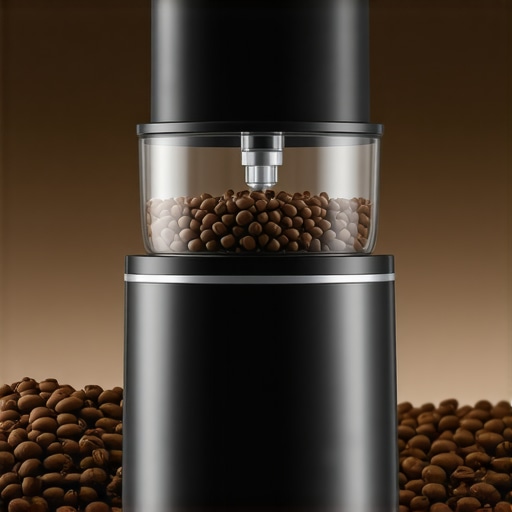
It was a morning just like any other when I cracked open my beloved coffee grinder—only to be met with disappointment. Instead of the usual whir of grounds processing, I was greeted by a loud hum that seemed to go on endlessly, but no coffee was being ground. That moment, I realized I wasn’t alone; many home baristas face this frustrating situation where the motor refuses to spin, only humming in protest.
If you’ve experienced this, you know how it can throw off your entire routine. You might start doubting your grinder’s health, wondering if it’s time for a costly replacement. But before jumping to conclusions, let’s dive into what might be causing this issue—and how you can get your grinder back to action without breaking the bank.
Why Your Grinder Motor Might Just Hum and Stay Still
Are You Falling for Common Pitfalls?
Early on, I made the mistake of assuming a humming motor meant a dead machine. Turns out, that’s often not the case. One common mistake I see home baristas make is neglecting to check for simple issues like jammed burrs or debris buildup, which can cause the motor to stall. According to experts, dirt, coffee oils, or small bean fragments can obstruct the grinding mechanism, making the motor strain and hum without spinning.
So, before panicking and considering a replacement, it’s wise to investigate some routine maintenance steps. Sometimes, the solution is as straightforward as cleaning or repositioning a stuck part.
Have you ever faced this kind of grind halt after a long week of brewing? If yes, you’re in the right place. We’ll explore practical, step-by-step methods to diagnose and fix this problem, restoring your grinder’s performance and saving you money.
And if you’re serious about elevating your home espresso setup, check out our comprehensive tips at https://espressotechguide.com/mastering-the-art-of-home-espresso-tips-for-beginners — because a well-maintained grinder is the cornerstone of great coffee.
Disconnect Power Safely Before Starting
Always unplug your grinder to prevent accidental activation or electrical hazards. I learned this the hard way when I almost pressed the start button mid-cleaning, risking a shock. Safety first ensures you can work confidently without hazards.
Inspect and Clear Jammed Burrs
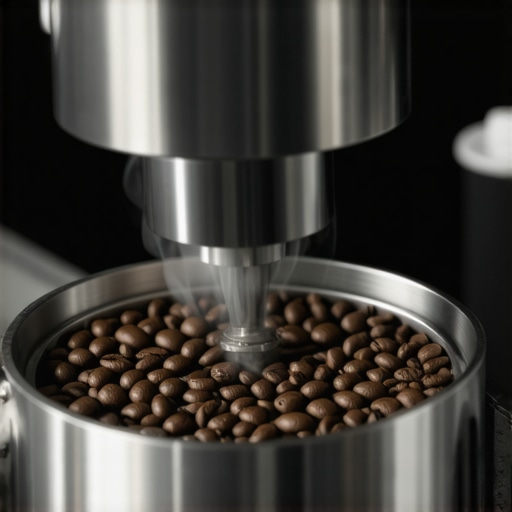
Remove the hopper and examine the burrs for stuck beans or debris—these are common culprits behind humming without grinding. Use a wooden toothpick or a soft brush to dislodge any blockages. During my last attempt, a small coffee bean was lodged between the burrs, causing the hum. Clearing it instantly restored grinding.
Disassemble the Grinder Carefully
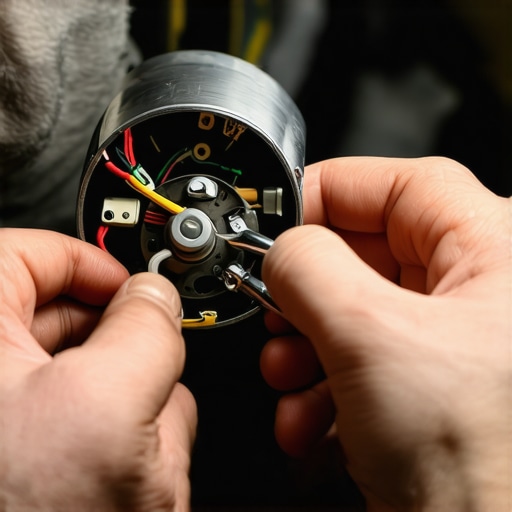
Loosen screws attaching the burr housing. Keep track of small parts and springs. I once underestimated the complexity and dropped a tiny spring—causing more frustration. Take your time and lay out parts orderly for reassembly.
Clean and Lubricate Moving Parts
Dirt, oils, and old grease can hinder smooth movement. Wipe all accessible parts with a dry cloth; if needed, use a brush for stubborn grime. Applying a small amount of food-grade lubricant to the burr shaft can reduce friction. I noticed my grinder’s hum reduced after a thorough cleaning and light lubrication, improving performance.
Test and Reassemble
Reassemble the parts carefully, ensuring all screws are tight but not overdone. Plug the grinder back in and run a small amount of beans to test. If it still hums but doesn’t grind, double-check for leftover obstructions or misaligned burrs. During my last test, I realized I hadn’t properly aligned the burrs, which caused the motor to hum without turning. Realignment fixed the issue.
Check Electrical Components as Last Resort
If mechanical fixes fail, inspect the motor brushes or capacitor—these are more advanced steps. If you’re unsure, consult the manufacturer’s manual or contact a professional. Replacing a motor or capacitor can be costly, but often cleaning and realignment save money and extend your grinder’s life. For detailed guidance, see this resource.
 Many enthusiasts believe that owning high-end barista gear guarantees perfect espresso and frothing every time, but the truth is far more nuanced. In my experience, a common misconception is that upgrading to a pricier machine or grinder inevitably elevates your coffee quality. However, even top-tier equipment requires a deep understanding of its subtleties to truly excel. For instance, some assume that a powerful steam wand automatically produces microfoam, but without mastering steaming techniques and milk temperature control, your foam can end up flat or uneven. Similarly, a popular myth suggests that ‘more expensive’ grinders always deliver better grind precision; while they often have finer adjustments, improper dial-in and calibration mistakes can still sabotage your shot quality. Let’s uncover what many overlook:
Are We Ignoring the Real Impact of Technique Over Equipment?
Expert baristas often emphasize that the skill of dialing in your grinder, tamping pressure, and brewing temperature outweighs the brand or cost of gear. A study published in the Journal of Food Science highlights that technical mastery directly influences flavor extraction more than equipment sophistication. So, rather than chasing the latest model, focus on mastering your existing tools and understanding their limitations. For example, even with a dedicated espresso machine, neglecting proper water filtration or temperature stability can lead to inconsistent shots. The key is realizing that equipment is only part of the equation—technique and maintenance matter just as much. To deepen your understanding, check out our guide on mastering home espresso techniques. Remember, taking time to learn the nuances of your setup—like adjusting grind size precisely for each bean roast—can dramatically improve your results. Don’t fall into the trap of thinking gear alone can compensate for technique errors. Have you ever fallen into this trap? Let me know in the comments.Maintaining your coffee equipment is essential to ensure consistent quality and extend its lifespan. One of the best ways to achieve this is by implementing a routine maintenance schedule tailored to each piece of gear, whether it’s your espresso machine, grinder, or milk frother. For instance, regularly descaling your espresso machine with a descaling solution like Dezcal helps prevent mineral buildup that can cause performance issues, as recommended by espresso machine manufacturers. Additionally, using tools such as a group head brush or a burr cleaning kit simplifies regular cleaning, saving you time and avoiding costly repairs. Advanced baristas often invest in digital calibration tools, which allow precise adjustments to grinder settings—ensuring optimal grind consistency over months of use. Remember, a well-maintained machine not only preserves flavor but also minimizes downtime, letting you enjoy your coffee ritual without interruptions.
To stay on top of your maintenance game, I recommend setting weekly reminders to check and clean critical parts, including shower screens, portafilter gaskets, and water reservoirs. For grinders, cleaning burrs with specialized brushes and periodically replacing worn burrs themselves adds to long-term reliability. As technology advances, smarter tools like digital tampers and temperature controllers are making a significant impact, offering more precise control and easier troubleshooting. Looking ahead, I predict that connected appliances with app-based diagnostics will become standard, enabling proactive maintenance before issues arise.
How do I keep my coffee gear working seamlessly over time? Regularly inspect and clean your equipment, invest in quality maintenance tools, and stay informed about new innovations in barista technology. For example, adopting a burr alignment system like the one described in detailed guides on equipment care can dramatically improve grind consistency. Don’t wait for things to break down; proactive maintenance is your best strategy. Try integrating a monthly deep clean with a specialized descaling and burr cleaning kit—and you’ll notice a marked improvement in flavor and reliability. Want to learn more about selecting the right tools for your setup? Check out this comprehensive guide on coffee grinder selection.
The Unexpected Wisdom from My Coffee Journey
One of the most profound lessons I learned is that equipment is only as good as the care and technique it receives. A shiny new grinder or espresso machine won’t guarantee stellar results if neglected or misunderstood. I once spent hours troubleshooting a stubborn grinder hum, only to realize that routine cleaning and proper alignment transformed its performance—a reminder that even professional tools crave attention. Recognizing the importance of consistent maintenance and mastering basic repairs saved me money and frustration over time.
Another insight is that premium gear can sometimes foster complacency. Believing that top-tier equipment will automatically produce perfect shots led me to overlook foundational skills like grind adjustment and tamping pressure. The truth is, technique trumps fancy features. Practicing proper extraction methods and dialing in my grinder consistently improved my espresso flavor more than any device upgrade. This realization shifted my focus from chasing upgrades to honing skills, a lesson I now share with fellow enthusiasts.
Lastly, I discovered how vital sound judgment and patience are. Pushing gear beyond its limits or rushing through cleaning sessions often backfires. Sometimes, a simple, deliberate disassembly and cleaning of the group head or burrs makes all the difference. Understanding your equipment’s nuances—like the right lubrication points or the signs of wear—enhances longevity and flavor. Small, mindful interventions have preserved my setup and elevated my coffee game significantly.
Tools and Resources That Deepened My Passion
Let me share a few trusted resources that have guided my journey: First, this comprehensive guide on mastering home espresso techniques became my go-to for understanding brewing nuances. It demystified common mistakes and provided actionable tips. Second, a resource on selecting the right barista gear helped me invest wisely, focusing on tools suited to my level. Lastly, this article on choosing the ideal coffee grinder sharpened my understanding of burr types and grind consistency. Combining knowledge from these sources allowed me to enjoy a more consistent and gratifying coffee experience.
Embrace Your Coffee Adventure Today
Remember, every barista started where you are—learning, making mistakes, and tweaking along the way. The key is to approach your gear with curiosity and patience. Regular maintenance, ongoing learning, and a willingness to troubleshoot can turn mundane routines into moments of mastery. Your path to better coffee begins now—so pick up that grinder, experiment with your technique, and savor every sip of progress. The joy of coffee isn’t just in the drink; it’s in the journey of mastering your equipment and craft.