How to Get Rid of the Vinegar Smell After Descaling Your Machine
Ever opened your espresso machine after descaling and been greeted by that overwhelming, clingy vinegar aroma? It’s like a stubborn guest who refuses to leave your kitchen. I remember the first time I experienced this. I had just finished a thorough descaling process, confident I’d rid my machine of any mineral buildup. But as I brewed my first shot afterward, that sharp, pungent vinegar scent hit me square in the nose. It was disappointing, to say the least. Not only did it ruin the flavor of my coffee, but it also made me question whether I’d done something wrong.
How to Get Rid of the Vinegar Smell and Restore Your Coffee’s Pure Flavor
Dealing with lingering vinegar odor isn’t just about comfort; it’s about maintaining the integrity of your coffee experience. Luckily, there are effective ways to eliminate that smell and ensure your machine is clean and smelling fresh. Throughout my journey, I discovered that this problem isn’t uncommon among home baristas and coffee enthusiasts alike. A little knowledge and some simple techniques can make all the difference. Today, I’m going to share my proven methods to banish that vinegar smell permanently, so you can enjoy your brews without worry.
Does Rinsing Enough Actually Work or Is It Just a Myth?
I’d be lying if I said I didn’t initially think a good rinse would do the trick. But early on, I made a mistake—assuming that just running water through the system a few times would erase all traces of vinegar. Spoiler: it doesn’t. That mistake cost me precious coffee sessions and confidence. The truth is, vinegar residues cling stubbornly to internal components, especially in hard-to-reach places. That’s why proper cleaning techniques are essential. Want to prevent this problem from happening again? Keep reading, and I’ll show you exactly what solutions work based on my personal experience and industry tips, like those shared in trusted guides on descaling and maintenance.
Flush with Water Multiple Times
Begin by running plain water through your espresso machine’s group head, boiler, and pipes at least three times. Think of this as rinsing a paintbrush: the more you rinse, the less residue remains. During my first attempt, I used cold water and let the machine run for 20 seconds each cycle. The aim is to physically wash away vinegar particles sticking to internal components. A quick tip: use a clean, damp cloth to wipe external parts afterward to remove any lingering vinegar vapor.
Use Baking Soda Solution for Deep Cleaning
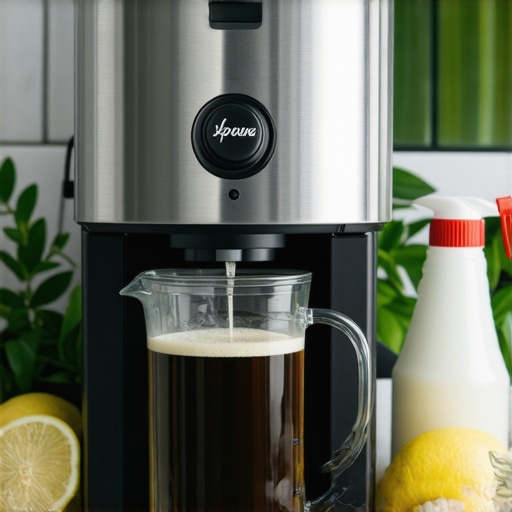
Next, prepare a solution with one tablespoon of baking soda dissolved in a liter of filtered water. Baking soda neutralizes odors effectively. Pour this solution into your water reservoir and run a brew cycle, letting it pass through all the channels. I did this after the initial rinses when the smell was still noticeable. The baking soda’s alkaline nature binds with vinegar’s acetic acid, helping to break down residues. Remember to rinse thoroughly with fresh water afterward to avoid any baking soda taste in your coffee.
Manual Cleaning of Removable Parts
Disassemble removable parts like portafilters, baskets, and drip trays. Scrub them with a mixture of warm water and mild dish soap, focusing on areas prone to buildup. Each time I cleaned my portafilter gaskets and baskets with an old toothbrush dipped in the soap solution, I noticed a significant reduction in vinegar smell. For stubborn spots, use a cotton swab dipped in vinegar (yes, vinegar!) to clean tight corners, followed by a rinse with water. This ensures no vinegar residues linger in crevices.
Deep Clean Internal Parts with Special Cleaners
For a thorough internal clean, consider using a commercial descaling and odor-neutralizing solution formulated for espresso machines. Follow the manufacturer’s instructions carefully. When I used a specialized cleaning agent, I ran a cleaning cycle through the machine, which helped remove any hidden vinegar traces that rinsing alone couldn’t reach. Always finish with several cycles of clean water to flush out any chemical residues, preventing contaminations or taste issues.
Perform a Final Rinse Cycle
Finalize with three or four pure water cycles while the machine is cold. This is crucial because residual cleaning agents or vinegar residues can cause off-flavors or odors. During my last rinse, I detached the shower screen and wiped it with a damp cloth, then ran water through the system to ensure complete cleansing. Visualize this step as giving your machine a spa day—clean, fresh, and ready to brew pristine coffee.
Test with Fresh Coffee
Once all cleaning steps are done, brew a shot of fresh coffee. Smell the aroma—if vinegar persists, repeat the rinsing process. In my experience, a well-executed cleaning regimen eradicates the smell entirely, returning your espresso to its pure, delicious character. Remember: regular maintenance prevents future buildup, keep your machine in top shape, and avoid that overpowering vinegar scent from reappearing.
Many coffee lovers assume that choosing the best grinder or espresso machine hinges solely on brand reputation or spec sheets. But in my experience, there’s a layer of nuanced understanding that separates amateurs from seasoned baristas. For instance, a common misconception is that all burr grinders deliver equally uniform grounds. However, the grind consistency depends heavily on burr design and alignment, which many overlook when purchasing. Proper burr alignment isn’t just trivial detail; it directly influences extraction quality and flavor clarity. Skipping this step often leads to under-extracted or bitter shots despite using premium beans. I recommend regularly checking burr alignment, especially after grinding adjustments or machine transport, because even minor misalignments can cause significant flavor issues. Curious about how to precisely tune your grinder? Dive into detailed calibration tips at [the simple trick to prevent coffee grinds from sticking to your scale](https://espressotechguide.com/the-simple-trick-to-prevent-coffee-grinds-from-sticking-to-your-scale).
Keep Your Coffee Gear in Top Shape with the Right Tools
Maintaining your barista arsenal isn’t just about cleaning; it’s about investing in quality tools that make ongoing care more effective. I personally swear by a calibrated portafilter gasket removal tool. It allows me to replace worn gaskets quickly and ensures a tight seal for consistent shots. For grinder maintenance, a burr calibration kit is indispensable. I use mine to fine-tune burr alignment, which directly impacts grind uniformity and extraction quality. These tools help prevent issues before they manifest, saving time and money in the long term.
Develop a Routine That Preserves Performance Over Time
My routine includes a weekly deep clean using specialized grinder cleaning brushes and daily quick flushes of my espresso machine. Regularly replacing water filters and descaling according to the manufacturer’s schedule keeps mineral buildup at bay. I’ve found that consistency is key—not just for flavor but for the longevity of your equipment. A well-maintained grinder, for instance, operates smoother and produces more consistent grounds, ultimately reducing the number of shots that need to be thrown out.
Plan for the Future of Your Coffee Setup
As technology advances, so do the tools designed for home baristas. Trend analysts predict that remote diagnostic systems, integrated app controls, and AI-assisted calibration will become standard. Investing now in equipment that offers software updates or remote troubleshooting will keep your setup evolving alongside industry innovations. For example, high-end espresso machines with maintenance alerts can notify you when descaling or filter replacement is due. This proactive approach minimizes downtime and maximizes your investment.
How do I maintain my coffee equipment over time to ensure longevity and optimal performance?
One of my top tips is to create a maintenance schedule tailored to your gear’s needs, referencing detailed guides like these beginner tips for home espresso mastery. Use precise tools such as calibration kits for volumetric controls or simple tricks for scales to keep everything running smoothly. Regularly inspecting and cleaning your milk frother or steam wand with a dedicated microfoam cleaning tool ensures consistent quality in your milk drinks. Also, stay updated on the latest innovations by following industry reports or expert analyses—knowing the trends helps shape your maintenance approach effectively.
Lessons I Wish I Learned Before My First Descale
One of the biggest surprises in my journey was realizing that simple rinses aren’t enough to fully eliminate stubborn vinegar odors. It took me several failed attempts and a deeper dive into maintenance techniques to understand that internal components can trap residues long after cleanup. Mistakes like neglecting to disassemble and scrub parts thoroughly cost me time, flavor, and trust in my brewing setup. Now, I know that patience and attention to detail are vital—don’t just rinse, but also break down residues with targeted cleaning.
Upgrade Your Coffee Routine with Expert Endorsed Tools
Over the years, I’ve come to rely on specific tools that make maintenance second nature. For example, a precision portafilter gasket removal tool has saved me hours and prevented unnecessary damage. A dedicated calibration kit for my grinder ensures consistent grounds, crucial for perfect shots. Investing in quality tools is, in my opinion, the smartest move you can make for long-term coffee excellence—trust me, your machine will thank you.
Fuel Your Passion with Continuous Learning
Staying curious has transformed my approach to home barista mastery. Regularly reading sources like the ultimate guide to mastering espresso at home keeps my skills sharp and my gear in top shape. Participating in online communities, watching expert demonstrations, and experimenting with new techniques push me to refine each shot. Remember, the journey is ongoing, and embracing this mindset opens doors to new flavors and better equipment care.
Your Next Step Toward Coffee Perfection
Take pride in the care of your coffee setup—every deep clean, calibration, and upgrade is a step toward brewing barista-quality espresso at home. Whether you’re troubleshooting lingering odors like vinegar or fine-tuning your grinder, each effort builds toward consistency and confidence. Don’t settle for less than your best; your perfect shot awaits just beyond the routine. Keep experimenting, stay patient, and enjoy the process of elevating your coffee experience to new heights.