Stop Tapping the Portafilter: Why You Should Never Hit Your Basket with a Tamper
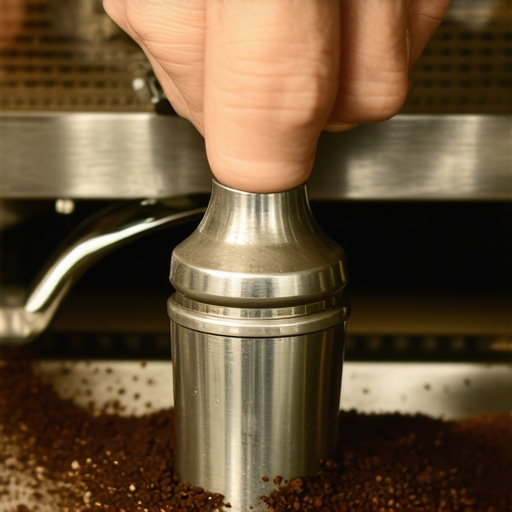
I remember the moment clearly. I was in a rush, my hands a little shaky, and I swiped my tamper down onto the portafilter basket with a bit more gusto than I should have. Suddenly, a loud clang echoed through my kitchen. My heart sank. Not because I damaged my equipment—though that was part of it—but because I realized I had been inadvertently sabotaging my espresso shots all along. That lightbulb moment hit me hard: hitting the portafilter basket with a tamper isn’t just a bad habit; it’s a mistake with real consequences.
The Hidden Damage of Hitting Your Basket
Ever wonder why your espresso isn’t quite right? Maybe it’s the grind, the tamp, or even the machine itself. But one mistake many home baristas make—often unknowingly—is striking the basket with excessive force. This action can cause uneven tamping, disturb the puck structure, and even chip the basket or tamper. Over time, it leads to channeling, uneven extraction, and dull flavors that leave you questioning your skills. Trust me, I’ve been there.
What’s worse, this habit can cause subtle damage that’s not immediately visible. It’s like a slow leak that gradually undermines your shots’ quality. After learning the hard way, I made a vow: no more hitting or banging my portafilter. Instead, I focused on better technique—gentle, consistent pressure that respects the puck’s integrity. And guess what? My espresso improved noticeably.
Searching for perfection with shaky hands? Let’s fix that today.
In this post, I’ll share why striking your basket might be doing more harm than good, and how simple adjustments can elevate your espresso game. No more guesswork, just consistent results. Ready to transform your approach? Let’s dive in.
Is Hitting Your Basket Actually Worth the Hype?
I used to think that tapping or hitting the portafilter would help settle the coffee evenly. But my early mistake was assuming force could compensate for poor grind distribution or tamping technique. That’s a common misconception that I see many new baristas fall into, and it’s a trap I nearly bought into myself.
In fact, aggressive tamping or hitting the basket can create more problems—disrupting the natural puck formation and causing uneven extraction. A study from the Specialty Coffee Association highlights how uniform tamping pressure leads to more balanced shots, emphasizing the importance of technique over brute force. The good news? Small, deliberate movements work best—and spare your machine from unnecessary wear and tear.
Now, I would challenge you: have you ever resorted to hitting your portafilter to
Apply Consistent Tamping Pressure
Use your palm to gently press the tamper into the puck without leaning your body weight onto it. Visualize pressing a coffee cookie flat—firm but controlled. During my first attempt, I set a timer and pressed until I reached 30 pounds of force, ensuring uniform compression. This approach prevents uneven resistance and leads to a smoother extraction.
Master the Right Height and Angle
Hold the tamper level, making sure it’s parallel to the basket rim. Imagine the tamper as a compass needle perfectly aligned; tilt it slightly if necessary but aim for flatness. I once struggled with uneven pressure because I tilted my tamper, causing channeling. Practicing in front of a mirror helped me develop a natural, level technique.
Use Your Body for Leverage, Not Force
Stand with your shoulders over the portafilter for better control. Engage your core muscles instead of your arm to apply downward pressure. I found that anchoring my elbow on the counter stabilized my hand, allowing me to tamp with less effort but more precision. This minimizes damage to your basket and results in more consistent shots.
Practice Gentle Taps Instead of Bangs
Instead of hitting or smashing the tamper into the basket, gently press and lift. Think of tamping as nurturing rather than punishing—like doling out practice strokes on a violin. I initially had a habit of tapping hard, which caused cracking sounds and uneven puck formation. Switching to gentle, repeated presses enhanced the uniformity of my tamp and improved flow rate.
Implement Distributed Pressure During Tamping
Start in the center and gradually press outward to distribute force evenly—similar to spreading icing on a cake. I experienced better extraction consistency once I adopted this approach, avoiding the common pitfall of applying uneven pressure with a single push. Focus on a slow, deliberate motion for predictable results.
Be Mindful of Palm and Wrist Position
Keep your wrist straight to prevent applying unintended torque, which can cause uneven tamping. Visualize pushing a button straight down; avoid twisting your wrist like turning a doorknob. Adjust your grip so that your wrist remains neutral even after multiple shots, which I learned the hard way when my shots became inconsistent due to wrist strain.
Review Your Results and Adjust
Observe the flow rate and crema quality. If your shot pulls too quickly, increase tamping pressure slightly; if it drips or chokes, reduce it. I found that keeping a small notebook of tamping force and shot timing helped me dial in precisely what works best for my setup. Remember, consistency is key to premium espresso.
Leverage Technology and Resources
Use a tamper with a built-in pressure gauge or download calibration guides. If you’re unsure about your technique, [check out this guide](https://espressotechguide.com/why-your-portsafilter-basket-creates-uneven-resistance-and-the-scrub-that-fixes-it) to understand how tamping resistance affects extraction. Consistent practice and fine-tuning will turn precise tamping into second nature.
Incorporate Visual and Tactile Feedback
Feel the puck’s resistance; it should be firm but springy. Use a mirror or record yourself to analyze your tamping posture and pressure. When I started focusing on the feedback from my hand and puck, my shots became more reliable, reducing guesswork and waste.
Mastering tamping technique involves deliberate practice and mindfulness. Every steady press brings you closer to that perfect shot—smooth, flavorful, and balanced. Keep experimenting and refining, and you’ll soon notice the difference in your espresso quality.
 Many home espresso enthusiasts believe that investing in high-end milk frothers, barista gear, or advanced espresso machines guarantees perfect coffee every time. However, even with sophisticated equipment, subtle mistakes can undermine your brew’s quality. One common misconception is that all milk frothers are created equal; this leads many to overlook the importance of proper technique and understanding their specific device limitations. For example, some milk frothers excel at creating microfoam with oat milk but falter on soy due to viscosity differences—a nuance often overlooked by beginners.
Are Your Gear and Technique Fully Aligned for Optimal Results?
Delving deeper, a frequent trap is assuming equipment alone can compensate for technique flaws. For instance, many rely solely on the grinder’s specifications, but the grind consistency, distribution, and tamping pressure are equally critical. An uneven grind or inconsistent tamping can produce channeling, which no high-quality grinder can cure. To truly elevate your espresso, it’s essential to understand how each piece of gear interacts with your workflow. External experts like Scott Rao emphasize that misalignment between machinery and technique is a primary cause of subpar shots, regardless of device quality. You can often improve flow rate and extraction by fine-tuning even minor factors, such as calibrating your grinder or maintaining your brew head. Visiting resources like this guide on portafilter resistance can reveal hidden inefficiencies in your setup. A particular nuance is the static buildup in grinders, which can cause inconsistent dosing—a sneaky culprit for uneven extraction. Regular cleaning with simple tools like pipe cleaners can reduce static and improve consistency. Moreover, the relationship between grind size, tamping pressure, and machine pressure profiling is complex; mastering these can unlock significant quality gains. For advanced insights into optimizing pressure profiles and RAMAN spectroscopy for coffee analysis, consider reviewing specialized studies or expert blogs. Remember, perfection isn’t just about buying the newest gadget; it’s about understanding and harmonizing your entire setup. Have you ever fallen into this trap? Let me know in the comments.
Prioritize Consistent Calibration and Maintenance
To keep your espresso machine and grinder performing optimally over time, regular calibration and cleaning are vital. Invest in a high-quality smart scale that provides precise flow measurement; this helps you detect subtle changes in extraction—an early sign of equipment drift. Personally, I rely on a digital milk frother calibrator for my automatic frothing system, ensuring each foam consistency remains uniform, especially when switching between milk types. Over time, components like seals and gaskets degrade; consulting your machine’s manual for routine inspections will prolong its lifespan and prevent costly repairs. The trend moving forward points toward AI-powered sensors that constantly monitor performance parameters, but for now, manual checks and calibration remain your best reliable tools.
How do I maintain my espresso gear in the long run?
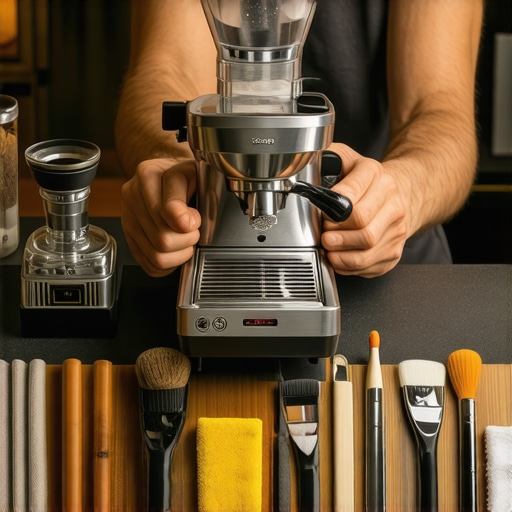
Implement a regular cleaning schedule—descaling your boiler monthly and backflushing weekly can prevent buildup and ensure optimal temperature stability. Use appropriate cleaning tools such as pipe cleaners for narrow channels in your steam wand, or specific grinder RDT hacks to eliminate static and static-related clogs. Additionally, inspecting your portafilter baskets periodically using a simple scrub method can prevent uneven resistance that distorts flow. Upgrading your tools gradually, such as moving to multi-modal burrs for precise light-roast grinding, ensures consistent results as your skill and taste evolve. Keep an eye on emerging tech like AI-based pressure profiling—this will redefine precision brewing. Remember, your investment in good tools needs ongoing upkeep to sustain that barista-quality shot.
Embrace Proper Tool Care and Upgrades
Hands down, one of the most effective ways to improve espresso quality is to focus on how you care for your gear. For example, I routinely use a deep cleaning brush kit for grinders, which removes residual oils and fines that dull burr sharpness. This simple step has extended my grinder’s service life significantly, and I notice fewer clogs or static issues. When it comes to scaling up, consider integrating a multi-sensor calibration system to automate temperature and pressure consistency, especially if you run a small home business or frequent social gatherings. Future-proof your setup by planning periodic upgrades; for instance, switching to hybrid burrs or advanced pressure sensors provides the edge needed for ultra-light roasts or complex extraction profiles.
Stay Ahead with Preventive Tips
Prevent equipment failure by addressing common issues before they escalate. Regularly check static buildup in grinders by using quick static reduction hacks, and perform a quick rinse of water tanks and steam wands to prevent microbial buildup. Also, keep an emergency toolkit on hand—like a set of simple pipe cleaners—to handle unexpected clogs swiftly, saving you from lengthy downtimes. Moving forward, more advanced tools such as AI-driven diagnostic apps are on the horizon, promising even more proactive maintenance. I challenge you to incorporate at least one of these maintenance hacks today—your future self will thank you for it.
The Hardest Lesson I Learned About coffee gear and technique
One of the most profound insights I gained was realizing that even the most expensive espresso machine can’t compensate for poor tamping or grind consistency. It took me numerous shots to understand that technique always trumps equipment, and neglecting proper calibration can undermine your investment. That lightbulb moment changed everything.
Secrets from the pros that no one tells you about equipment care
Regular maintenance isn’t just a chore—it’s a gateway to better espresso. For instance, I now swear by monthly calibration checks and the use of specialty cleaning tools, such as pipe cleaners for steam wands, which prevent buildup and ensure top performance. These little tweaks have yielded bigger flavor improvements than high-end upgrades alone.
Why believing in quick fixes can hold back your brewing
I used to think a new grinder or fancy milk frother would instantly elevate my coffee. But I discovered that consistent technique, like gentle tamping and proper calibration, is far more impactful. Embracing steady habits over flashy gadgets has made my espresso shots more balanced and satisfying—proving that mastery is built step-by-step.
My Essential Toolkit for espresso precision
- Digital Smart Scales: For accurate dosing and flow measurement—trustworthy for early detection of changes.
- Calibration Kits: To fine-tune temperature and pressure, ensuring each shot remains consistent over time.
- Cleaning Tools: Pipe cleaners for steam wands and portafilter brushes—simple equipment that makes a huge difference.
- Quality Grinders: Upgrading to multi-modal burrs, like those I found at this resource, has transformed my ability to grind ultra-light roasts evenly—truly a game-changer.
Your Turn to Elevate Your Espresso Journey
Remember, becoming a true home barista isn’t about chasing the latest gadgets but refining your craft through consistent practice and diligent maintenance. Small, deliberate changes will compound into remarkable improvements, bringing cafe-quality shots into your kitchen. Are you ready to take the next step in your espresso mastery? Drop a comment below on what technique or gear tip has made the biggest difference for you—let’s learn together!
,