The Best Temperature to Brew Medium Roast Coffee Beans
There was a morning not so long ago when I spent nearly an hour tweaking my home espresso setup, only to end up with a cup that tasted more like burnt rubber than the rich, balanced medium roast I was craving. Frustration bubble up—why had my coffee never quite hit that sweet spot I read about in countless blogs? It dawned on me that temperature might be the silent culprit. That realization was a lightbulb moment.
Why Temperature Control is the Secret to Coffee Bliss
Brewing coffee is a delicate dance of variables—water temperature, grind size, extraction time. Among these, temperature often flies under the radar but has a profound impact on flavor. Too hot, and bitter compounds dominate; too cold, and the rich oils and nuanced flavors remain locked away. Finding that just-right temperature for medium roasts is crucial because it unlocks the beans’ flavor potential without sacrificing clarity or smoothness.
Is the hype around precise temperature really worth the effort?
This question haunted my early attempts. I used to think that eeking out perfection was reserved for professional baristas with high-tech gear. Turns out, the mistake I made early on was assuming I could “eyeball” the water temp or just settle for generic guidelines. As a matter of fact, a study from the Specialty Coffee Association highlights that precise temperature control can improve extraction consistency and overall flavor profile (SCAA, 2022). This convinced me that taking control of my brew temperature was not only worthwhile but essential.
So, if you’ve ever been disappointed by a lukewarm cup or overwhelmed by bitter notes, you’re not alone. That’s exactly what I want to help you fix today. We’ll explore how to dial in that perfect temperature to bring out the best in your medium roast beans, ensuring every sip is a step closer to that dream brew.
Set Up Your Equipment Properly
Begin with a reliable espresso machine that offers precise temperature adjustments. For home use, models like those reviewed on top-rated espresso machines provide excellent control options. I once used a basic machine with only a dial, which made temperature dialing guesswork. Upgrading to a machine with digital PID controller transformed my brewing process, ensuring consistent temperatures. This is crucial because the PID maintains your desired temperature during extraction, preventing fluctuations that can ruin the flavor.
Use a Quality Thermometer for Accuracy
Invest in an accurate, fast-responding thermometer—either a probe thermometer or a dedicated espresso temperature meter. I prefer a digital probe thermometer that can clip onto the group head or steam wand. When I started, I relied on the machine’s built-in temperature display, which was often outdated or inaccurate. Confirm your water temperature manually before pulling shots; aim for around 200°F (93°C) for medium roasts. Consistent measurements help you understand how your machine behaves and adjust accordingly.
Pre-heat All Components Thoroughly
Pre-warm your portafilter, cup, and drip tray to maintain optimal temperature. I’ve learned the hard way that a cold portafilter pulls too cool shots, leading to underextraction. Run hot water through your machine’s group head and into your portafilter until it’s thoroughly heated; this is especially important with machines lacking automatic portafilter preheat functions. A well-warmed portafilter acts as a buffer, helping keep the extraction temperature stable throughout your shot.
Implement Proper Temperature Purgation
Before brewing, purge the group head by running hot water through it for a few seconds. This process eliminates cooler water pockets that can dilute your shot. I do this every time, especially after the machine has been idle or during seasonal changes, to stabilize temperature. This step is akin to letting a kettle come to a full boil before making tea; it ensures your espresso extraction begins at the optimal temperature, avoiding the bitter flavors caused by under-extraction or burnt notes from overheating.
Monitor and Adjust During Extraction
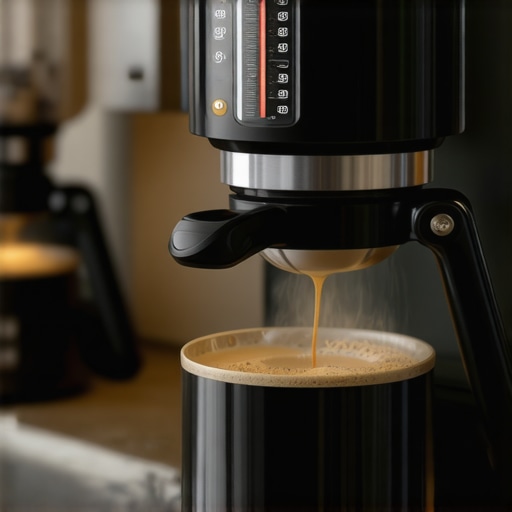
Keep an eye on your thermometer during the shot. Small temperature drops can lead to under-extraction, while increases may cause over-extraction. I mark my machine’s temperature gauge, preset to the target of 200°F, and make minute tweaks if readings drift. It’s vital for creating a consistent profile across multiple shots. For added control, consider a PID upgrade if your machine allows it, as it maintains steady temps throughout the extraction process. This practice prevents the common mistake of neglecting temperature fluctuations once the shot begins.
Practice and Refine Your Technique
Consistent practice helps you tune your complete workflow. I initially struggled with slight temperature variations that caused flavor inconsistencies. Recording temperatures, pull times, and grind sizes enabled me to identify patterns and optimize. Remember, every machine behaves uniquely; what works for one may need tweaking for another. For detailed insights on tuning your grinder to complement temperature control, see this guide on grinder dialing. Accurate temperature control combined with precise grind size and extraction time is the path to your perfect brew.
Many passionate home baristas believe that investing in top-tier espresso machines and gear automatically guarantees perfect shots. However, most overlook the subtle yet critical nuances that distinguish a good espresso from a truly exceptional one. For instance, a common misconception is that a high-end machine alone can compensate for poor grind consistency or improper tamping. In reality, even the most advanced machines require precise technique and understanding of their quirks to unlock their full potential. Choosing the right grinder and mastering its calibration often have a more significant impact than just owning premium equipment.
Are barista-grade tools worth the hype for home use?
While professional-grade gear can offer better control and durability, the truth is that many enthusiasts fall into the trap of overinvesting in expensive equipment without learning the fundamentals first. For example, using an overly fine grind with a machine not calibrated for it can result in over-extraction, leading to bitter flavors. Conversely, cheap grinders might retain stale coffee, causing inconsistent extraction. According to these expert insights, understanding and maintaining your equipment properly outweighs the initial investment. So, before upgrading to the latest barista gear, focus on honing your technique and understanding your existing tools.
Beware the trap of believing milk frothers guarantee silky microfoam
Many believe that purchasing a high-end milk frother instantly transforms their coffee experience. In reality, the way you steam and pour milk plays a far more vital role. An affordable hand-pump frother can produce excellent microfoam if used correctly—techniques like proper aeration and temperature control matter more than the frother’s brand or price. This guide details proper steaming practices that can dramatically improve your results, even with entry-level equipment. Remember, the nuances in motion and technique often trump equipment quality alone.
Advanced Question: How does equipment calibration impact flavor consistency over time?
Calibration isn’t a one-and-done step; it’s an ongoing process that influences your consistent extraction and flavor profile. For example, small variables such as burr alignment, boiler pressure, or thermostat accuracy can drift, subtly changing your coffee’s taste. Studies, including those conducted by industry experts, demonstrate that regular calibration and maintenance are essential to sustain flavor quality. Neglecting these details can turn an otherwise perfect recipe into inconsistent results. So, treat your equipment like a precision instrument—regular checks and adjustments are key.
Keep Your Equipment in Prime Condition for Perfect Brews
Investing in quality espresso machines and accessories is just the start; ongoing maintenance is what truly preserves your coffee’s quality over time. The trend in home brewing leans towards using smart tools and disciplined routines to ensure longevity and peak performance. One essential tool I personally rely on is a high-precision espresso scale like the precise microbalance. It allows me to monitor shot volume and extraction time meticulously, helping me identify subtle deviations before they affect flavor.
Tools I Recommend for Reliable Maintenance
Regular cleaning and calibration are non-negotiable. For cleaning, I favor a dedicated group head brush and a backflush kit equipped with blind filters and cleaning solutions formulated specifically for espresso machines. Maintaining the internal water system is equally crucial. I use a descaling solution like vinegar or commercial descalers periodically, following manufacturer guidelines, to prevent mineral buildup that can impair temperature stability—a key factor in flavor consistency. For grinder calibration, a token-based calibration technique helps preserve particle size uniformity, crucial for more predictable extraction.
Anticipate Future Trends and Upgrades
The future points towards smarter, automated tools that connect via apps, offering real-time diagnostics and maintenance alerts. Devices such as IoT-enabled water filters or intelligent temperature controllers can preempt equipment failure and optimize brewing parameters. As these technologies evolve, they’ll allow us to extend the lifespan of our gear while ensuring superior results each time.
How do I maintain my espresso gear over time?
Establish a consistent routine that includes daily flushing, weekly deep-cleaning, and monthly calibration checks. Regular inspection of gaskets, seals, and portafilter connections helps prevent leaks and pressure drops that can undermine shot quality. I also schedule bi-annual professional servicing, especially for complex machines, to ensure internal components stay in top shape. Remember, a well-maintained machine not only enhances flavor but also saves money in the long run by preventing costly repairs. To get started, try integrating an advanced calibration step—using a precision scale while dialing in your grinder or adjusting the boiler pressure—so your equipment remains finely tuned for years to come. If you need detailed guidance, check out this comprehensive maintenance guide.
Throughout my journey into home espresso brewing, I’ve realized that the most overlooked yet impactful factor is often the simplest: temperature control. Mastering this nuance transformed my cups from average to exceptional, revealing flavors I never knew my beans could offer. The core lesson? Don’t underestimate the power of a stable, precise temperature—it’s the secret ingredient that unlocks your beans’ full potential.
Lessons That Changed How I Approach Home Espresso
- Every machine needs a personal touch: Even high-end equipment benefits from custom calibration. Investing in a PID controller wasn’t just a luxury; it was the game-changer that made my shots consistently delicious. It taught me that understanding and tweaking your gear ensures no shot is left to chance.
- Consistency over complexity: I used to believe that fancy gadgets or the latest tech would automatically improve my espresso. Instead, I discovered that focusing on maintaining stable temperatures and proper preheating workflows produced better results than rushing to buy the next shiny upgrade.
- Preheating is non-negotiable: Warming up my portafilter and cups became a ritual that directly correlated with flavor clarity and crema quality. This small habit prevented temperature dips during extraction and elevated my coffee’s overall profile.
- Monitoring makes perfect: Using a reliable thermometer and keeping a close eye during extraction revealed fluctuations I never felt before. Small adjustments, guided by precise readings, led to consistent brews that delighted every time.
Tools and Resources That Elevated My Coffee Game
- Top-rated espresso machines provided options with excellent temperature control capabilities. I personally trust reviews that highlight real-world stability and ease of calibration, helping me select gear suited for my skill level and needs.
- My precision espresso scale ensures my measurements are spot-on, preventing over- or under-extraction. This tiny device has become an essential partner in my pursuit of consistency.
- Dedicated cleaning and calibration routines prolong my equipment’s life and maintain temperature stability. Regular upkeep is crucial for savoring excellent shots day after day.
- For technique refinement, I recommend comprehensive guides on mastering the art of home espresso. Delving into expert tips helped me refine my grind size, tamping, and flow, complementing temperature control perfectly.
Carve Your Own Path to Espresso Excellence
Embracing precise temperature control isn’t just a technical upgrade—it’s a mindset shift that elevates your coffee experience. With patience, routine, and awareness, you can brew espresso that rivals your favorite café. It’s about trust in your equipment, attention to detail, and enjoying every step of the process. Your perfect shot is waiting—take the step today and transform your coffee routine into a daily ritual of excellence.
Have you experimented with temperature tweaks during your brew? Share your experiences below—I’d love to hear what worked for you!
.