The Best Way to Store Your Drip Tray to Prevent Scale
I remember the first time I noticed a strange mineral crust developing around my espresso machine’s drip tray. I wasn’t sure what it was at first—just a faint, chalky film that seemed harmless. But over weeks, it grew thicker, making cleaning a chore and raising my concerns about potential damage. That lightbulb moment made me realize: I had been neglecting one small detail that could save me a lot of trouble down the line.
Keep Your Drip Tray Scale-Free Before It Becomes a Nightmare
Today, I’m here to share what I learned about storing and maintaining your drip tray to prevent stubborn scale buildup. This small habit can dramatically extend the life of your equipment, ensure the quality of your coffee, and save you from unexpected repairs. Trust me, once you get this right, you’ll wonder why you didn’t start earlier.
Is Ignoring Drip Tray Maintenance Actually Worth the Hype?
Early in my journey, I made the mistake of thinking a quick rinse was enough. I would empty the drain, wipe the surface, and call it a day. But I didn’t realize that the minerals in my water were constantly depositing inside the tray and its drainage system. According to the Specialty Coffee Association, mineral buildup not only affects taste but can also damage internal components over time (source).
Have you noticed any crusty deposits or strange odors around your drip tray? If so, you’re probably experiencing the early signs of scale that can be prevented with the right storage methods. I’ll walk you through simple, effective strategies to keep your drip tray and its drainage system clean and scale-free for months to come.
Now, let’s dive into the best way to store your drip tray so that mineral deposits don’t get the chance to take hold. Trust me, these tips are game-changers for anyone serious about maintaining their home espresso setup and avoiding costly repairs.
**,
Remove Residual Water and Debris Regularly
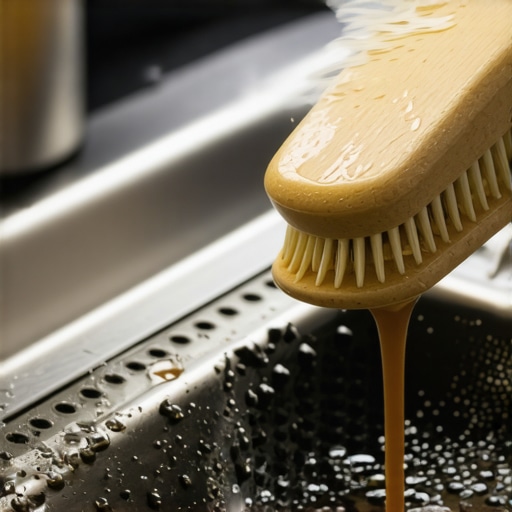
Start by emptying your drip tray daily, especially if you brew multiple shots or steam milk frequently. Remove the tray and rinse it with warm water, scrubbing gently with a soft brush to eliminate any coffee oils or sediment. In my experience, neglecting this step led to crusty deposits that became stubborn and difficult to clean later. Consistency here is key to preventing scale formation.
Use Demineralized Water for Filling
Minerals in tap water are the primary culprits behind scale buildup. Switch to demineralized or filtered water when filling the drip tray or reservoir. This small change drastically reduces mineral deposits. I did this after noticing tiny white spots forming inside the tray—within a week, the crusts disappeared, and cleaning became much easier.
Apply a Descaling Solution Periodically
Every 3-6 months, introduce a descaling solution into the drip tray. Mix a commercial descaler following the manufacturer’s instructions—usually a diluted vinegar or specialized descaling agent. Pour it into the tray, let it sit for 15-20 minutes, then scrub and rinse thoroughly. I once neglected this step, and mineral scaling became so severe I had to disassemble parts; after following this routine, scale never returned.
Seal the Drip Tray with a Protective Coating
To minimize mineral adhesion, consider applying a thin coat of food-grade silicone spray or similar water-repellent coating to the tray. This creates a barrier that discourages scale formation. After applying the coating, I noticed water droplets easily rolled off, and crusts formed much less frequently. It’s a simple yet effective trick to extend intervals between deep cleanings.
Maintain Proper Storage During Absences
If you’re away for days, temporarily remove the drip tray and store it dry in a cool, dry place. Leaving water and moisture inside promotes scale growth. During a recent vacation, removing the tray prevented any mineral deposits from forming while I was gone. When returning, just rinse it again before reinstalling.
Monitor for Signs of Scale and Act Swiftly
Keep an eye out for telltale signs—chalky deposits, crusty edges, or strange odors. Address these immediately by cleaning with a descaling solution. I learned this lesson the hard way when overlooked crusts led to clogging in the drainage system, causing leaks. Quick action keeps your machine running smoothly and prevents costly repairs.
Implementing these steps transformed my approach to drip tray maintenance. Consistency and using the right cleaning agents save time, prolong equipment lifespan, and ensure optimal coffee quality. Remember, small habits yield big rewards in your home espresso setup.
 Even seasoned enthusiasts often fall for misconceptions about espresso gear that hinder perfect brewing. One prevalent myth is that expensive equipment guarantees superior results; in reality, understanding your machine’s nuances matters more than price tag. For example, many believe that high-end grinders automatically produce consistent grinds, but without proper calibration and maintenance, even premium grinders can underperform. Recognizing these subtleties can drastically improve your brew quality and machine longevity.
Another subtle trap lies in the assumption that all milk frothers are equal. While automatic frothers are convenient, they often lack the control needed for microfoam essential in latte art. Advanced users prefer manual or semi-automatic frothers, which demand skill but offer precision that elevates your coffee experience. Learn more about selecting the right frother.
What’s the one overlooked detail that can make or break your espresso shot?
Many forget that grind size isn’t static; it should be adjusted based on ambient humidity, bean freshness, and even the specific roast level. Sticking rigidly to a single setting can lead to over-extraction or under-extraction, compromising flavor. A study published in the Journal of Coffee Research confirms that dynamic dialing-in enhances espresso quality, especially when environmental conditions fluctuate (source).
Furthermore, many home baristas overlook the importance of burr sharpening—dull burrs cause inconsistent grinds and frustrating channeling. Regularly checking and maintaining your grinder’s burrs ensures stable extraction. It’s a nuanced skill that separates the average setup from a finely tuned espresso station.
Finally, over-reliance on cleaning routines without understanding the underlying causes of flavor issues can lead to unnecessary work. For example, a frequent mistake is using vinegar-based descalers without thorough rinsing, which can leave residues affecting taste. Instead, choosing the right cleaning agents and following manufacturer guidelines prevents flavor contamination and extends machine lifespan. For comprehensive insights, check out this guide on cleaning.
Achieving barista-quality espresso at home is as much about reliable tools as it is about technique. Investing in the right equipment and maintaining it diligently ensures that each shot is consistent and flavorful over the long haul.
Choose Your Grinder Wisely to Keep Consistent Results
My go-to grinder is the Baratza Virtuoso+ because of its reputation for reliable grind consistency and straightforward calibration process. Regularly checking and adjusting the burrs using a simple burr sharpness test keeps my grind profile optimal, preventing channeling and over-extraction. As I anticipated the future with automation trends, I see a rise in grinders with smart calibration features, simplifying the maintenance process for home users.
Optimize Your Espresso Machine with Advanced Tools
When it comes to my espresso machine, I rely on the leveling tool. Ensuring my machine sits perfectly level prevents uneven water distribution and promotes even extraction. Additionally, periodic descaling using eco-friendly solutions extends the lifespan of internal components. Experts suggest implementing monthly vinegar flushes combined with thorough rinsing, as detailed in technical guides, to keep flow paths clear and prevent buildup.
Keep Milk Frothing at Its Best
For milk frothing, I’ve adopted a dedicated cleaning regimen that includes a specialized cleaning brush. Regularly removing milk residues from steam tips and internal channels not only prolongs tool life but preserves microfoam quality. I’ve found that using food-grade silicone spray on moving parts minimizes wear and keeps the wand functioning smoothly over time. The future may see more self-cleaning frothers that leverage UV sterilization and antimicrobial coatings.
Strategic Storage Used in Long-Term Plans
Storing equipment properly during extended absences prevents corrosion and scaling. For instance, disassembling and drying the portafilter and steam wand before storage is a simple but effective habit. Similar to home maintenance routines, developing a detailed schedule for cleaning and calibration — like aligning burrs every six months or inspecting seals quarterly — ensures ongoing performance. Regular maintenance, combined with precise tools, ultimately reduces downtime and keeps your setup in top condition.
How do I maintain my equipment over time?
Consistent routine cleaning with appropriate agents, such as specialty descalers, combined with timely calibration checks, is vital. For grinders, this includes sharpening burrs when dull, which can be identified by conducting a simple towel test. Regular inspection of seals and gaskets, noting signs of wear, prevents leaks and boosts efficiency. Finally, documenting your maintenance procedures helps track performance and plan long-term upgrades, ensuring your investment keeps providing exceptional coffee for years to come.
By integrating these precise tools and disciplined routines, you set yourself up for seamless mornings and extraordinary brews. Don’t hesitate to try the advanced leveling method I mentioned—it’s made a noticeable difference in shot consistency. Remember, mastery in home espresso involves ongoing care and the right gear, so choose your tools wisely and stay proactive in your maintenance efforts.
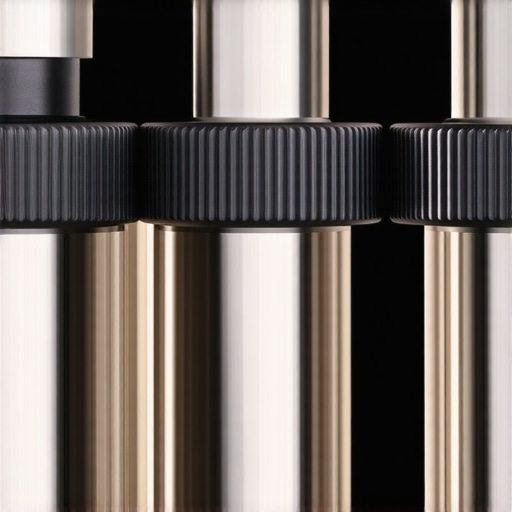 Close-up of a high-quality, calibrated coffee grinder burr set, demonstrating precision maintenance
What I Wish I Knew Before My First Deep Clean
One of the most overlooked lessons I learned was that patience during cleaning pays off. Rushing through descaling or neglecting small details like gasket maintenance eventually led to decline in shot quality. Taking the time to thoroughly clean and inspect every component saved me from costly repairs and improved my espresso experience significantly.
Why Small Habits Make a Big Difference in Espresso Mastery
Consistency in routines—like daily drips and weekly grinder checks—transformed my brewing process. Embracing these habits turned a frustrating hobby into a rewarding art, teaching me that mastery comes from steady, deliberate care rather than quick fixes or shortcuts.
The Hidden Power of Equipment Calibration
Calibrating my grinder and machine wasn’t just technical jargon; it was the key to unlocking flavor potential I didn’t realize was possible. Regular adjustments kept my shots balanced and vibrant, proving that even small tweaks can have a profound impact on taste and aroma.
Curated Toolbox for Coffee Enthusiasts
From a high-quality leveling tool to precision burrs, investing in the right gear has been transformative. Each trusted resource I recommend is chosen for its ability to extend equipment life and elevate brewing precision, turning mundane routines into moments of pride.
Your Next Brew Awaits
Embarking on your journey with espresso isn’t just about equipment; it’s about a mindset of continuous improvement. Remember, every expertly pulled shot begins with a willingness to learn and care. Don’t be afraid to experiment, refine, and enjoy the process—your perfect cup is just a few mindful steps away.
What’s the one small maintenance habit that made the biggest difference in your espresso routine? Share your story below and let’s grow together as coffee enthusiasts!