
The danger of leave-in descaling solutions for copper boilers
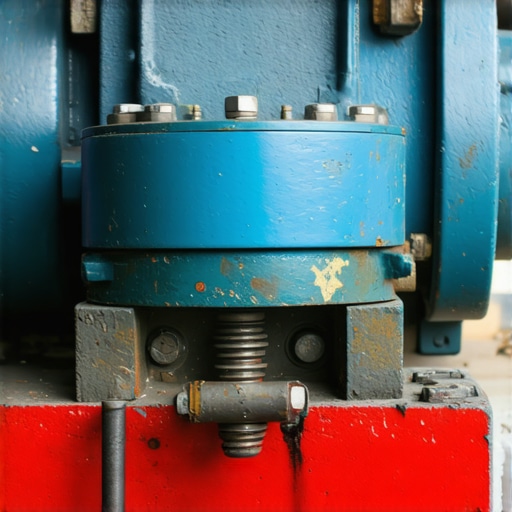
Have you ever taken the time to descale your espresso machine’s copper boiler, only to find the next brew tasting somehow off? I know I have. That lightbulb moment struck me hard when I realized my early attempts at cleaning might be doing more harm than good. It was frustrating—cleaning supposed to preserve, not damage. Turns out, some descaling solutions leave behind residues or cause corrosion, especially in copper boilers, which are prized for their heat conductivity but are surprisingly delicate.
Why Copper Boilers Need Gentle Care (And Why Leave-In Solutions Might Not Provide It)
Calibrate Your Grinder for Consistent Results
Start by dialing in your grinder to achieve the perfect grind size for your beans. I once experimented by adjusting my grinder—turning the adjustment ring a quarter turn at a time—until I noticed the espresso flowing with the right resistance. Use a known baseline—like a medium-fine grind—and make incremental changes. Remember, a consistent grind prevents channeling and bitter tastes. Learn more about dialling in your beans.
Perfect Your Tamping Technique
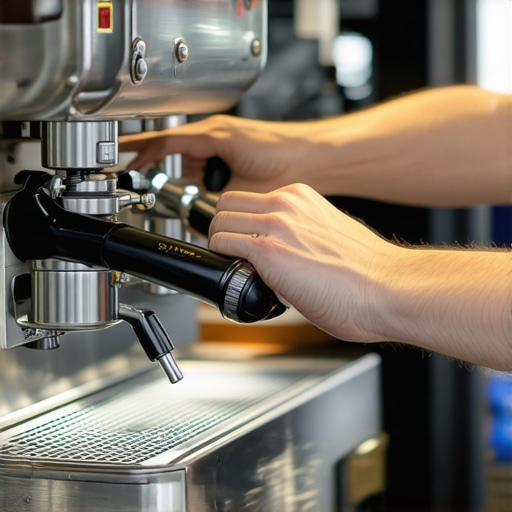
Apply even pressure when tamping to create a uniform coffee puck. I once used a small digital scale—pressing with approximately 30 pounds of force—to ensure consistency. Avoid the myth of tamping twice or tapping excessively, which can disturb the grounds. Instead, aim for a smooth, level compression. After tamping, check the seal—if it leaks, revisit portafilter alignment.
Optimize Machine Settings for Your Beans
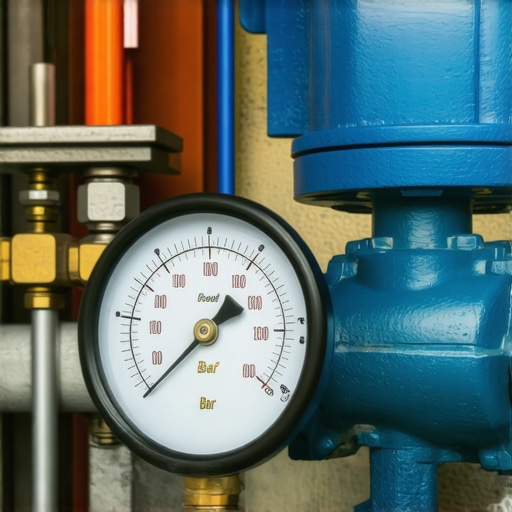
Adjust your espresso machine’s temperature and pressure settings based on the roast and bean origin. I set my temperature slightly higher for dark roasts to avoid sourness, while lighter roasts benefit from a cooler extraction. Use a calibration tool or follow manufacturer guidelines. Regularly check for leaks or pressure drops by inspecting the pump’s air pocket—resolve issues before they affect shot quality.
Ensure the Machine Components Are Clean and Well-Maintained
Clean your group head, portafilter, and brew path after every use to prevent oil buildup and channeling. During a recent session, I used a brush to scrub the shower screen—avoiding disassembly when possible—and flushed the system with water. Descale periodically with a gentle, copper-safe solution, especially for copper boilers, to prevent corrosion. Proper maintenance guarantees a consistent extraction and longevity of your gear.
Master Milk Steaming and Frothing Techniques
Achieve silky microfoam by positioning the steam wand just below the milk surface and introducing small, controlled bubbles. I once frosted oat milk with a handheld frother—using a chilled, frozen spoon to stabilize temperature—and perfected the temperature without curdling. Keep your milk pitcher at a slight angle, and listen for the right hissing sound—a sign you’re not over-pressurizing. If the wand spits or doesn’t reach temperature, check the induction frother settings or potential blockage.
Pay Attention to Final Tuning and Adjustments
Observe the shot and tasting notes critically. If it’s bitter, review your extraction time or water quality. For light roasts that stall your grinder, consider adjusting your grind size or grind quantity. If you notice inconsistencies, revisit your setup—align the grinders, check the seal, or calibrate the machine temperature. Perfecting these steps transforms a good espresso into a great one.Many home baristas assume that equipment like milk frothers, espresso machines, and grinders are fairly straightforward, but in truth, there’s a complex layer of nuances that can make or break your coffee quality. One common myth is that all milk frothers operate the same—yet, the truth is that microfoam consistency heavily depends on proper technique and understanding your device’s quirks, like how induction frothers sometimes struggle to heat milk evenly, which can be remedied by regular cleaning or adjusting settings.
Are You Making These Advanced Mistakes with Your Coffee Gear?
For instance, many users fall into the trap of constantly tapping or tamping their portafilter in an attempt to fix channeling, despite evidence suggesting that over-tapping can disturb the coffee bed, leading to uneven extraction. Instead, focus on evenly distributing coffee grounds using proper tools, and revisit the correct tamping technique. Misalignment of the portafilter ears is another overlooked issue; even slight misalignments can cause leaks and uneven pressure, which emphasizes the importance of maintaining proper portafilter seal.\n
Furthermore, many believe that more expensive grinders automatically produce better espresso, but in reality, grinders with dull burrs or improper calibration can produce static and inconsistent grinds. Regularly checking your burrs with a simple visual test or cleaning can reveal hidden issues that compromise your espresso puck and flavor. Think you’re safe with a high-end machine? Even the best equipment requires diligent maintenance; for example, scale buildup inside heat exchangers can subtly alter water temperature consistency, affecting shot flavor, and should be monitored via regular inspection. \n
One of the most overlooked nuances is the importance of consistent grinder dosing. Variability here causes inconsistent puck density, leading to unpredictable extraction times and flavors. Using a magnet hack can help keep dosing funnels clean and aligned, ensuring each shot starts from a stable foundation. \n
Is your setup truly optimized? Mastering these subtleties requires a keen eye and regular adjustments, but doing so elevates your coffee from good to extraordinary. Remember, understanding your gear’s quirks—like how your manual lever’s squeak or steam tip blockages—can prevent costly repairs and flavor compromise. Before you think you’ve got it all figured out, reflect on these hidden details that may be sabotaging your brew. Have you ever fallen into this trap? Let me know in the comments.
How Do I Keep My Equipment Running Smoothly Over Time?
Investing in quality coffee gear is just the beginning; maintaining it properly ensures it continues to deliver cafe-quality results. For instance, regularly aligning your portafilter ears not only prevents leaks but also maintains optimal pressure consistency, which you can achieve with a simple tool like a flat-edge screwdriver or specialized alignment guides. In my routine, I dedicate 10 minutes weekly to check seals and calibrate grinders, which pays off in shot consistency. Using a high-quality alignment gauge can make this process quicker and more accurate. Keep in mind that long-term results hinge on routine checks and calibration, not just initial setup. As trends develop, smart sensors and IoT-connected machines may soon notify us when maintenance is needed, reducing guesswork and preventing costly repairs.
What Tools Do I Swear By for Coffee Maintenance?
For grinders, I rely on a brush designed specifically for burr cleaning. It’s essential to remove oil residue and coffee build-up that can cause static issues and uneven grinds. When it comes to espresso machines, I swear by a soft microfiber cloth and descaling solutions formulated for copper boilers—I avoid harsh chemical cleaners that might corrode the sensitive components. A simple paper clip comes in handy for clearing stubborn filter basket clogs, avoiding more invasive disassembly. Additionally, lubricating movable parts with food-grade machine oil, as recommended in manual maintenance guides, extends the lifespan of your gear. These tools and techniques aren’t just quick fixes—they form the foundation of a long-term maintenance routine that ensures your setup functions flawlessly.
Scaling Your Coffee Setup for Growth
As you refine your technique, you might consider upgrading components like a precision grinder or temperature control modules. Scaling often begins with understanding where your bottlenecks are—perhaps inconsistent grind size or machine heat fluctuations. Regularly inspecting your pump’s air pocket and ensuring that all seals are tight can prevent performance dips as your setup evolves. The trend in the industry is moving toward smart, interconnected appliances that offer real-time diagnostics, meaning that the future of coffee maintenance could be as simple as a smartphone app alerting you when your brew station needs attention. Don’t forget, staying on top of maintenance routines today streamlines scaling tomorrow—try implementing a weekly checklist of calibration and cleaning tasks to keep your equipment in top shape.
Over the years, I’ve learned that mastering your coffee setup isn’t about chasing perfection overnight—it’s about embracing a series of small, deliberate improvements that compound over time. The most valuable insight I’ve gained is that even seemingly insignificant adjustments, like fine-tuning your grinder or aligning your portafilter ears, can dramatically enhance your espresso quality. These lessons haven’t just made my brew better—they’ve transformed my entire approach to home barista craft. Remember, continuous learning and attention to detail are your best tools on this journey. Keep experimenting, stay curious, and enjoy every sip of your improved espresso experience.