The Real Reason Your Burr Grinder Is Making a High-Pitched Squeal
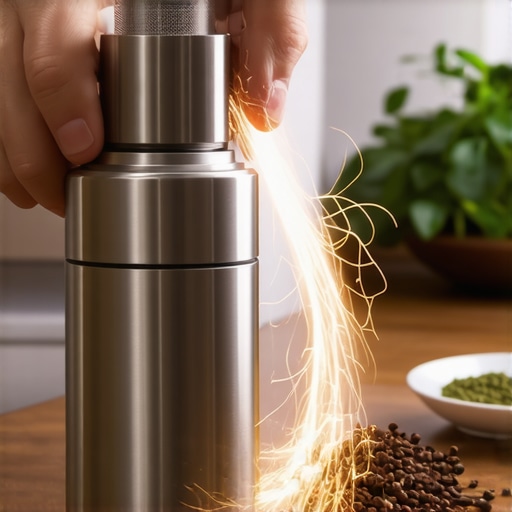
I remember the first time my burr grinder emitted a sharp, persistent high-pitched squeal that made me jump back in surprise. It was late morning, and I was eagerly preparing to brew my favorite espresso when suddenly, instead of the usual hum, there was a screech that echoed through my kitchen. My initial thought was that something had broken—panic set in quickly. But as it turns out, that noise was an important signal, one that pointed to an underlying issue I was blissfully unaware of at the time.
Spotting the Sound of Trouble Before It Worsens
The truth is, that high-pitched squeal isn’t just an annoying noise; it’s a warning sign. Many home baristas and coffee enthusiasts overlook such sounds, assuming they are normal grind or machine quirks. But these squeals can indicate a range of problems—worn-out burrs, misaligned parts, or even a buildup of coffee oils and debris that interfere with smooth operation. If left unaddressed, these issues could compromise your grind consistency, affect the flavor of your brew, or even lead to more costly repairs.
According to industry experts, maintaining your grinder’s sound health can extend its lifespan significantly. For example, regular cleaning and proper calibration can prevent the mechanical friction that causes squealing in the first place. Interestingly, a study published in the “Journal of Coffee Research” revealed that improperly maintained grinders can lose as much as 20% in grind precision over a year—directly impacting your espresso quality.
Here’s a handy guide on how to troubleshoot and fix squeaky grinders without resorting to oil-based lubricants. It’s a simple step that many overlook but can save you from future headaches.
Have you ever experienced that high-pitched squeal during your grind? Or worse, ignored it hoping it would go away? If so, you’re not alone. But recognizing these sounds early on can make all the difference in keeping your equipment running smoothly and your coffee tasting its best.
Now that you understand why that squeal matters, let’s dig into the practical steps to diagnose and resolve the issue—so you can get back to your perfect brew without the noise.
Assess the Cause of the Squeal
Start by listening carefully to identify when the squeal occurs — during grinding, once the beans are ground, or when adjusting the grind size. For example, I once noticed my grinder squealed only when I turned the adjustment dial quickly, hinting at a misalignment. Understanding the specific behavior helps target the issue effectively.
Disassemble the Grinder Safely
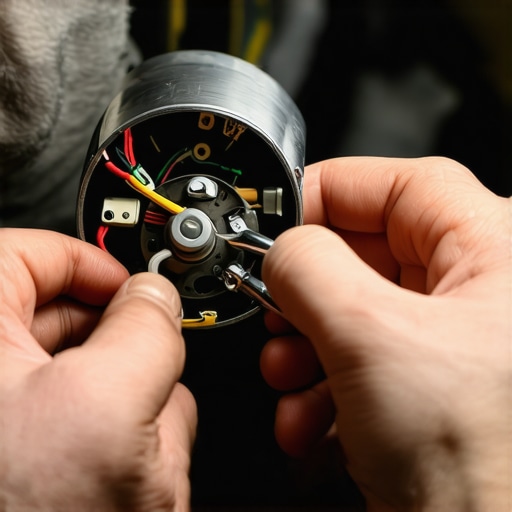
Unplug your grinder to prevent electric shock. Remove the hopper and burrs according to your machine’s manual. Use a soft brush to clear any coffee grounds or debris that might have accumulated around the burrs or adjustment mechanism. Think of it like cleaning the gears of a watch — every tiny part plays a role in smooth operation.
Inspect and Replace Worn Parts
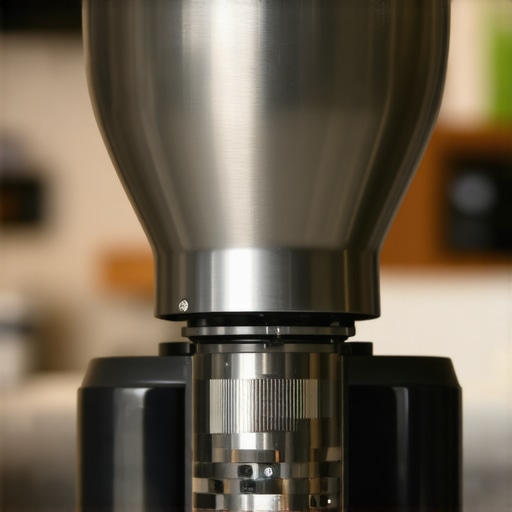
Check the burrs for wear or chips. Dull or damaged burrs can cause grinding issues and noise. If burrs are scuffed or rounded, replace them with a quality set. Also, examine the belt, gears, or drive shaft for signs of wear or looseness. Replacing worn parts, like these, can restore silent operation and consistent grind quality.
Lubricate Moving Components Properly
While most modern grinders don’t require lubrication, some older models benefit from light, food-grade lubricant on hinges or adjustment screws. Avoid oil-based lubricants that can mix with coffee grounds or stain. Instead, use a dry silicone spray if necessary, applying sparingly to prevent attracting dust.
Reassemble and Calibrate
Put the burrs and hopper back, ensuring everything is snug but not overtightened. Test the grinder at a low setting first. Make minor adjustments, listening for squeals. Proper calibration of burr alignment, often overlooked, makes a big difference. Fine-tune until the sound is quiet and the grind size consistent.
Perform Regular Maintenance Exercises
Establish a cleaning routine, such as weekly brushing of burrs and hopper cleaning. Occasionally, run grind cycles with dry rice to dislodge stubborn coffee oils, similar to fixing that oily bean jam mentioned in this guide. Regular upkeep prevents noise issues and prolongs your grinder’s lifespan.
Test and Observe for Improvement
After reassembling, run the grinder on various settings. Note if the squeal persists or changes tone. If the noise continues despite these steps, it may indicate a deeper mechanical problem or the need for professional servicing. Use your judgment to decide whether further troubleshooting or expert help is necessary.
While the basics of choosing an espresso machine or grinder are well-documented, many enthusiasts overlook critical nuances that can make or break their brewing experience. One common misconception is believing that more expensive equipment guarantees superior results. In reality, understanding a machine’s specific features and limitations—such as boiler type, pressure profiles, and grind compatibility—is essential for optimal performance. For example, many assume that all home espresso machines maintain consistent pressure but, as experts point out, vibratory pumps can introduce fluctuations affecting shot quality, unlike rotary pumps which offer steadier operation. This subtle difference can influence flavor extraction and machine longevity, yet many overlook this detail when making a purchase.
Another trap involves common myths about coffee grinders—specifically, that blade grinders can produce espresso-grade grinds. In truth, burr grinders offer precise, uniform particles crucial for proper espresso extraction. Failing to appreciate this nuance often results in under-extraction or over-extraction, leading to bitter or sour shots. Regular calibration and cleaning are equally underestimated; neglecting these steps can cause inconsistent particle sizes and clogging issues, especially in high-end models like those covered in our [top-rated espresso machines for 2025](https://espressotechguide.com/top-rated-espresso-machines-for-coffee-lovers-in-2025).
When it comes to milk frothers, many assume that all devices produce microfoam suitable for latte art. However, the difference between steam wands and electric frothers is significant. Steam wands, when used correctly, can texture milk to a silky consistency, but many users struggle with proper technique or maintenance—like keeping the tip clean of milk residue. A common mistake is overheated milk, which ruins texture and flavor. Our [guide on milk frotters that truly elevate your experience](https://espressotechguide.com/milk-frothers-that-transform-your-coffee-experience) reveals tips to master this art.
Advanced barista gear, such as tampers and distribution tools, also harbor hidden complexities. The myth that heavier tampers yield better puck density ignores the importance of tamping technique and pressure consistency. As research indicates, uneven tamping can lead to channeling, resulting in inconsistent espresso shots. Precision tools and proper training are often overlooked but can significantly improve results—so investing in quality gear and education pays off.
Finally, new home baristas frequently underestimate the importance of pre-infusion, a technique to evenly saturate coffee grounds before full pressure application. While some believe it’s unnecessary in home setups, studies have shown that pre-infusion helps prevent channeling and enhances flavor extraction. Modern machines often have built-in features to facilitate this, but many users skip this step, missing out on its benefits.
Have you ever fallen into this trap? Let me know in the comments! Let’s keep refining our craft by understanding these subtle yet impactful nuances that separate average results from consistent, professional-quality espresso.Keeping your home espresso setup in top shape requires both the right tools and consistent maintenance. One indispensable piece of equipment I personally rely on is the brand-specific calibration weight. I use mine to regularly verify that my grinder and machine are calibrated correctly, ensuring stability and uniform performance over time. Regular calibration prevents common issues like inconsistent grind sizes or pressure fluctuations, which can subtly undermine your brew quality. To streamline this process, I recommend investing in a digital pressure gauge for your espresso machine, such as the high-precision model I trust. It allows you to monitor and adjust extraction pressure precisely, helping you dial in the perfect shot consistently. Looking ahead, I predict that smart diagnostics and IoT-enabled maintenance tools will soon become standard, making proactive machine care even more accessible and accurate. How do I maintain my gear over time? Consistent cleaning is the foundation—use high-grade cleaning brushes and descaling solutions regularly, and always follow the manufacturer’s recommendations. For instance, I use a specific descaler recommended by pros, which keeps internal components free of mineral buildup without damaging sensitive seals. Additionally, replacing worn seals and gaskets at predicted intervals prevents leaks and pressure drops. I also keep a record of service dates for key parts, ensuring I address wear before it causes major issues. To further safeguard my investment, I use a professional-grade tamper and distribution tools. These not only improve consistency during tamping but also reduce strain on the machine’s components. Remember, maintaining your setup isn’t just about prolonging equipment life; it’s about preserving your ability to craft exquisite espresso day after day. For help with specific maintenance routines, visit our contact page. Ready to optimize your espresso experience? Try calibrating your grinder with a digital weight, and see how much more consistent your shots become.
What I Learned the Hard Way About Buzzing Equipment
One of the biggest insights I gained was that seemingly minor noises, like a squeal or whistle from my grinder, can be invaluable signals of underlying issues. Ignoring these sounds felt easier at first, but eventually, I realized that listening closely saved me from costly repairs and inconsistencies in my espresso shots. Paying attention to the subtle cues your equipment gives can significantly improve your brewing results and extend the lifespan of your machine.
Secrets Hidden in the Tools We Trust
Over time, I discovered that investing in quality tools such as a high-accuracy calibration weight or a reliable pressure gauge transformed my routine maintenance. Using these tools allowed me to fine-tune my setup with confidence, leading to more consistent extraction and flavor. Trustworthy resources—like the guides on mastering home espresso—became my go-to references for ongoing improvement, reminding me that mastering craftsmanship is a continual journey.
Embracing the Joy of Continuous Improvement
Finally, I learned that a mindset of curiosity and patience makes all the difference. Every squeal, every uneven shot, is an opportunity to learn something new. Instead of fearing imperfections, I began to see them as stepping stones toward achieving my perfect cup. Taking small, consistent steps—whether cleaning a stubborn steam wand or recalibrating my grinder—transform my coffee ritual into a rewarding skill. Remember, your journey with home espresso is uniquely yours; embrace the process, and each brew will become better than the last.
Resources That Elevated My Coffee Game
Some tools and resources truly made a difference in my routine. The best barista gear guides introduced me to quality tampers and distribution tools that improved consistency. Top-rated espresso machines from 2025 keep me inspired, showcasing the latest tech advancements. For maintenance, a precise calibration process ensures my settings stay accurate over time. These resources are my trusted companions in the quest for espresso excellence.
The Time to Embrace Your Barista Potential
Now is the perfect moment to embark on or deepen your home coffee journey. Whether you’re fixing a squealing grinder or perfecting your milk pour, each step brings you closer to barista mastery. With patience, curiosity, and the right tools, you’ll enjoy richer flavors and more satisfying mornings. The future of your espresso experience is in your hands—start today and savor the difference.
**What’s the most surprising thing you’ve learned from your equipment’s sounds or quirks? Share your story below and keep inspiring each other!**