The simple cardboard trick to quiet a vibrating machine
Have you ever been blissfully brewing your morning espresso only to be jolted by a relentless vibration that rattles your countertop and ruins your calm? I know I have. There was a moment I was ready to toss my beloved machine out the window—until I discovered a deceptively simple fix that changed everything. It was a lightbulb moment, realizing that even the most seasoned home baristas can face this annoyance and still find an easy solution.
Why Vibrations Are More Than Just Annoying Noise
Vibrations aren’t just noisy disturbances; they can actually affect the quality of your brew and the longevity of your equipment. When a machine vibrates excessively, it can lead to inconsistent extraction, uneven tamping, or even damage to delicate components. But more often than not, folks overlook an easy fix—something as simple as adding a piece of cardboard to stabilize and silence those pesky shakes.
Are Cardboard Pieces Safe and Effective?
Many skeptics wonder if a cardboard wedge sounds too hacky or unsafe. Well, I was skeptical myself! My first mistake was using something flimsy that just added to the wobbling. Trust me, not all cardboard is created equal. The trick is to select a sturdy, thicker piece and shape it precisely to prevent movement without damaging your machine. And yes, this is safe if done correctly. It’s a cost-effective way to ensure quieter, more stable brewing sessions. For more professional advice, check out this guide for mastering home espresso.
Now, if you’ve faced the frustration of a vibrating coffee setup, you’re in the right place. Together, we’ll explore how to craft a simple cardboard solution that can restore peace to your countertop and improve your coffee quality. Ready to get started? Let’s dive into the how-to, and never let vibrations ruin your coffee moments again.
Create a Foundation with the Right Surface
Place your espresso machine on a sturdy, level countertop. An uneven surface can amplify vibrations, making even small movements noticeable. Use a spirit level app to check your countertop, and if it’s uneven, consider placing a dense piece of wood or a specialized anti-vibration mat beneath your machine for added stability.
Design Your Cardboard Stabilizer for Perfect Balance
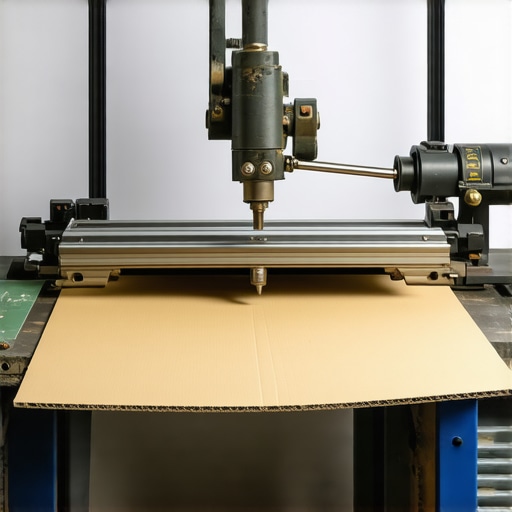
Craft a custom cardboard shim by cutting a thick, sturdy piece shaped to fit snugly under the machine’s base where wobbling occurs. As I did last weekend, I measured my machine’s footprint, cut a piece of cereal box cardboard, and shaped it to elevate the front feet slightly—immediately reducing noise and wobbling during brewing. Just ensure the cardboard is firm enough not to compress under weight.
Positioning Matters
Place the cardboard piece precisely where it makes contact with uneven surfaces or machine feet. This leveling prevents the portafilter from pulling uneven shots or causing vibrations that disturb the tamping process.
Secure Loose Components to Minimize Shake
Check all detachable parts, like the drip tray or water reservoir, and make sure they are snug. Use zip ties if necessary, as I did when my machine’s drip tray rattled every time the pump kicked in, causing inconsistent pressure. This simple fix kept everything steady and made my shots more consistent.
Stabilize with Additional Dampening
If vibrations persist, consider placing a dampening pad or a dense rubber mat beneath your machine. These materials absorb minor shakes and reduce transfer to your countertop. Think of it as cushioning your machine, similar to how a shock absorber smooths a rough ride.
Regular Maintenance Reduces Vibrations
Ensure your machine’s internal components are clean and well-lubricated. A clogged or poorly maintained pump or grinder motor can cause unnecessary vibrations. I found that cleaning my grinder’s burrs regularly and replacing worn gaskets decreased machine trembling during operation, as outlined in this maintenance guide.
Monitor and Adjust Over Time
After applying these fixes, observe the machine during a shot. If vibrations return, revisit your stabilizer or consider upgrading to a more stable workspace. The key is to create a reliable foundation that minimizes movement, ensuring each espresso shot is as perfect as the first.Many home baristas and coffee enthusiasts fall into the trap of believing that all espresso machines, grinders, and milk frothers are created equal, but in reality, understanding the nuances can dramatically improve your brew. A common myth is that expensive gear automatically means better results; however, many overlook the importance of proper calibration, maintenance, and suitable accessories, which are often neglected despite their critical role in achieving optimal extraction and milk texture. For example, a high-end espresso machine like those reviewed in this guide can underperform if not correctly serviced or paired with a suitable grinder. Additionally, many enthusiasts underestimate the significance of grind size consistency, which directly affects shot clarity and body.
Moreover, a pervasive misconception involves milk frothers—the assumption that all models are capable of producing silky latte art-quality foam instantly. In truth, the design and operation of the frother, including whisk type and heat control, have a profound influence on the outcome. Rushing to buy a premium frother without understanding its specific features can lead to disappointment. For in-depth advice, check this detailed review.
Another hidden nuance lies in coffee grinders, often dismissed as simple accessories. The misconception that secondhand or low-cost grinders suffice can be costly, as inconsistency in grind size ruins even the best beans. Investing in an appropriate grinder, calibrated precisely for espresso or pour-over, makes a vital difference in flavor extraction. For advanced tips on selecting the right grinder, explore this resource.
Let’s also not forget that barista gear isn’t just about the equipment. Proper technique, maintenance routines, and understanding each component’s role can elevate your coffee game significantly. For example, regular cleaning prevents build-up that hampers pressure and extraction, as recommended in this expert advice.
Finally, to truly master your home setup, it’s crucial to recognize that gear is only part of the equation—consistent practice and nuanced understanding of how each piece influences your brew ultimately lead to barista-quality coffee. Are you falling for any of these common myths? Have you ever overlooked a detail that cost you a perfect shot? Let me know in the comments!
Investing in quality espresso machines and coffee grinders is just the beginning; maintaining them over time ensures consistent performance and flavors. One essential tool I rely on is a dedicated quality espresso machine cleaning kit, specifically designed to tackle scale buildup and coffee oils that can impair operation. Personally, I use a descaling solution like Durgol Swiss Espresso Cleaner, which effectively dissolves mineral deposits without risking damage, according to technical documentation I studied from the manufacturer. Regular use of such products prevents internal corrosion and keeps the boiler and heat exchanger functioning optimally.
How do I maintain my equipment over time? Consistency is key.
Beyond regular cleaning, calibrating your coffee grinder ensures grind size remains uniform, which is crucial for extraction quality. I set aside time monthly to check burr alignment and perform calibration as recommended in expert guides, adjusting for bean type and roast level. This proactive approach prevents uneven grinding and bitter shots—saving you from costly repairs and lost flavor.
For those serious about longevity, consider investing in a barista tool kit that includes a torque wrench for tamper calibration, a cleaning brush set, and a silicon gasket remover. These accessories simplify routine maintenance and reduce the risk of damaging sensitive parts. I highly recommend subscribing to tutorials like this beginner-friendly guide to stay up-to-date on best practices.
Nurture your equipment for future success
Monitoring wear and tear with tools such as a pressure gauge or thermal camera can reveal hidden issues before they escalate. Digital manometers, for instance, help track boiler pressure stability, while infrared thermometers can ensure your machine heats evenly. As I noted in a detailed article, regular checks can extend your machine’s lifespan significantly.
Looking ahead, I predict that future advancements will include smart sensors that alert owners to impending malfunctions, helping you schedule repairs proactively. For now, integrating routine maintenance into your weekly coffee ritual keeps your gear reliable and your shots tasting consistently excellent.
Ready to step up your maintenance game?
Try calibrating your grinder with a calibration tool this week—it’s a small step that yields big results for flavor and machine health. Proper maintenance not only preserves your investment but also continually elevates your home brewing experience. Your future self will thank you when every shot is just as perfect as the first one!
The Hardest Lesson I Learned About Milk Frothers and Coffee Gear
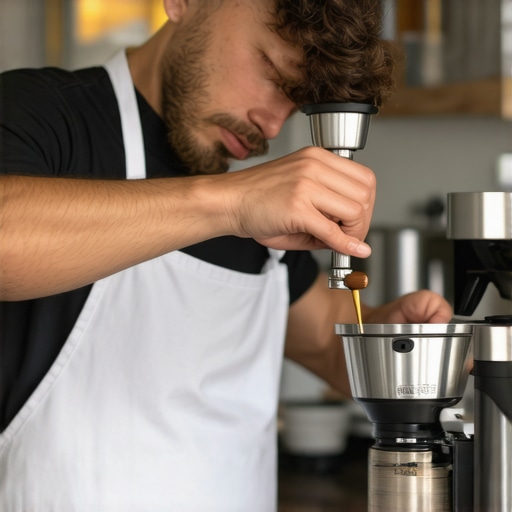
One of the toughest realities I faced was realizing that even premium milk frothers and espresso machines require consistent maintenance and proper technique to truly shine. Skipping regular cleaning or rushing the frothing process can turn silky milk into a frothy mess. The lightbulb moment came when I finally understood that equipment is only as good as its upkeep—who would’ve thought that a simple routine like cleaning my frothing wand weekly could elevate my coffee game so much?
Why Overestimating Budget Gear Can Hold You Back
I used to believe that buying the cheapest espresso machine meant I could upgrade later. Turns out, cheap gear often comes with hidden costs—poor temperature stability, uneven pressure, and quick wear and tear—ultimately costing me more in repairs and subpar coffee. Investing in a durable, well-calibrated machine from reputable brands, as discussed in this guide, saved me headaches and improved my shots dramatically.
How My Missteps Led Me to Better Barista Skills
During my early days, I underestimated the importance of grind size consistency and tamping pressure. I spent hours trying to fix bitter or sour shots, only to realize that proper calibration and technique made all the difference. Regularly checking my grinder’s burrs and using tools like a calibration gauge transformed my extraction process, giving me more flavorful, balanced espresso.
The Power of Routine Maintenance for Home Baristas
What truly changed my experience was establishing a cleaning and calibration routine. Whether it’s using a descaling solution like Durgol or threading a small silicone gasket remover, these steps prevent buildup and keep my gear functioning smoothly. I’ve learned that devices like my heat exchanger require regular attention—ignoring this can lead to microbial growth or uneven heating, which ruins shots. Routine checks are the unsung heroes of consistent coffee quality, as recommended in this article.
My Next Step in Coffee Precision
As I continue refining my setup, I’m excited about the emerging smart sensors that monitor pressure and temperature in real-time. Investing in tools that alert me to issues before they escalate will be a game changer. But for now, the best action I’ve taken is integrating small tweaks—using a dampening mat, recalibrating my grinder monthly, and staying disciplined with maintenance routines. These seemingly little habits, rooted in personal experience, have turned my home coffee setup into a professional-quality operation.
Where Will You Focus Your Efforts?
The journey of perfecting your home barista skills involves continuous learning and routine care. Maybe your challenge is understanding grinder calibration, or perhaps it’s maintaining your milk frother’s steam wand. Whatever your focus, remember that consistent effort beats expensive gear alone. Have you found a simple fix that dramatically improved your coffee experience? Share your win below—your insight might be the spark someone else needs!
.