The simple paper filter trick for better bottomless shots
I remember the first time I tried to master a bottomless portafilter shot. I was all set—tamped perfectly, freshly ground beans, and a shiny, new espresso machine staring back at me. But as I pulled that first shot, what came out was a messy spray instead of a sleek stream of espresso. Frustrating doesn’t even begin to cover it. I thought I had done everything right, only to be met with a splattering disaster that left my counter and shirt covered in coffee splatter. Turns out, I was missing a small but mighty trick that can totally transform your shots, and no, it’s not some complicated upgrade or expensive tool. It’s a simple piece of paper.
Secure Your Tamp and Distribution
Start by evenly distributing the coffee grounds in your portafilter. Use the simple cork trick from this guide to level the bed. Then, apply consistent pressure with your tamper—preferably a spring-loaded one for uniformity—and give it a firm, even press. I once tried to tamp with a heavier hand, resulting in an uneven puck and channeling. Repeating this step meticulously dramatically improved the shot flow.
Optimize Your Grind Settings
The grind size is critical. Too coarse, and you’ll get a weak, fast shot; too fine, and the pressure builds up excessively. Adjust your coffee grinder until the grind resembles fine sugar. I remember dialing in my grinder over an afternoon, bringing the shot from a spray to a steady, rich stream. For more on this, check out this resource.
Use the Paper Trick to Prevent Spray-Back
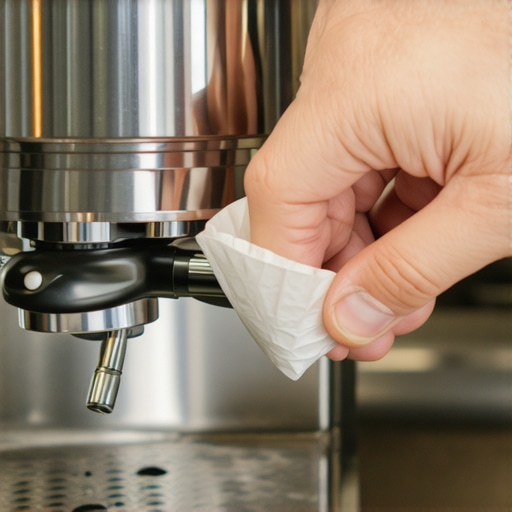
A small piece of paper can be your secret weapon. Before locking in the portafilter, place a folded paper towel over the basket’s edge. This creates a slight seal, directing the espresso flow downward and reducing spray. I experimented with a folded napkin and saw immediate results—less mess, cleaner shots, and happier mornings. For a visual, this article explains common spray issues and solutions.
Check Your Machine’s Consistency
Ensure your espresso machine maintains stable temperature and pressure. Fluctuations cause inconsistent shots. Regular descaling and maintenance are essential. I once overlooked my boiler’s build-up, and my shots consistently sprayed until I cleaned it. Curated info on this topic can be found at this link.
Fine-Tune the Pressure and Extract
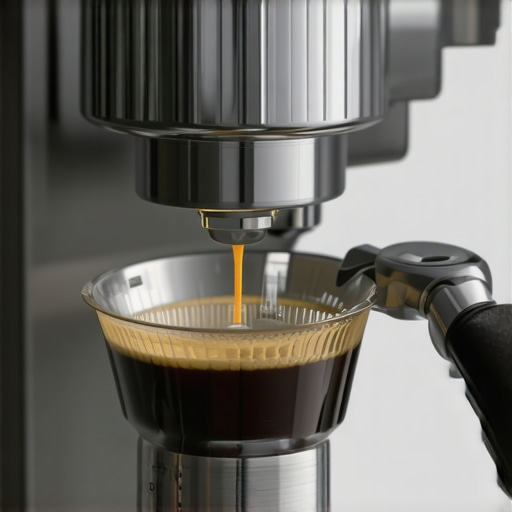
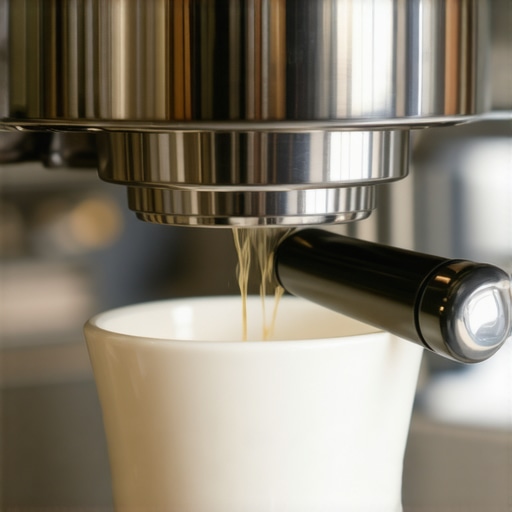
Watch the espresso flow. Aim for a steady, thin stream resembling warm honey. If it splatters or sprays, adjust tamp pressure, grind size, or machine pressure. Use a digital scale to measure dose weight precisely. I recall tightening my tamp slightly after each shot trial until I achieved a perfect, spray-free extraction. For detailed pressure tweak methods, see this guide.
Regularly Clean Your Equipment
Clogged paths or old coffee residues can cause spray issues. Clean your portafilter, basket, and shower screen regularly using a brush or the magnetic mirror trick to spot obstructions easily. I once ignored cleaning, and my shots became inconsistent; a quick clean fixed my spray problems overnight.
Many coffee enthusiasts assume that owning top-tier barista gear or a high-end espresso machine automatically guarantees perfect drinks. However, even seasoned home baristas often overlook subtle yet critical factors that can make or break their espresso experience. Let’s dig deeper into some common misconceptions and advanced pitfalls that might be holding you back.
One widespread myth is that the quality of a milk frother directly correlates with better foam. While investing in a high-quality frothing device is beneficial, many overlook the importance of *technique and milk type*. For example, I once used a premium frother with cold, aged milk, only to get inconsistent foam. The real trick lies in moisture control and milk temperature, which many overlook. For expert insights, check out this guide.
When it comes to coffee grinders, the common mistake is assuming that grind size alone determines shot quality. In reality, *burr alignment and grind consistency* are equally crucial. Small misalignments can cause uneven grounds, leading to channeling or under-extraction. Regularly calibrating your grinder with tools like a chalk test can save you hours of frustration. Don’t forget that grinder static can increase when grinding dry, brittle beans—something discussed in this article.
Many deviations happen during espresso machine operation. A key mistake is neglecting *temperature stability*. Fluctuations even within a degree can cause sprays and channeling. Advanced users should consider thermal surfing techniques or pre-warming routines. Especially in machines with poor heat stability, using
**How can a home barista troubleshoot complex spray issues without expensive equipment?**
In my experience, the majority of spray problems come down to *puck preparation*. Over-tamping, uneven distribution, or residual moisture on the puck surface can cause sprays or channeling. Advanced users should focus on regular puck flattening with a distribution tools and precise tamping. Proper puck prep can dramatically improve shot consistency.
Finally, many overlook the impact of *routine maintenance*. Scaling, clogged shower screens, or worn-out gaskets may seem like minor issues but can subtly sabotage your efforts. A comprehensive cleaning schedule, including descaling and inspecting seals, is essential. For detailed maintenance routines, visit this resource.
In summary, mastering home espresso is as much about understanding and controlling nuanced variables as it is about gear. The secret lies in meticulous preparation, routine maintenance, and an awareness of often-overlooked factors. Have you ever fallen into this trap? Let me know in the comments.
Keeping your home espresso setup in top shape requires more than just occasional cleaning; it involves selecting the right tools and establishing a routine maintenance regimen that prolongs your equipment’s lifespan and ensures consistent quality. From espresso machines to grinders and frothers, investing in the right accessories makes a significant difference. For example, I personally rely on a precision calibration tool to keep my grinder aligned, which ensures my doses are uniform and my shots are flawless. Regularly checking and adjusting your gear can save you from costly repairs and disappointing results over time.
How do I maintain my coffee equipment over time?
Consistency is key when it comes to maintenance. I recommend creating a scheduled routine—every week for cleaning, every month for descaling, and every few months for in-depth inspections. For grinders, a small @cotton_swab and a brush with stiff bristles become invaluable for cleaning hard-to-reach crevices, as explained in this article. When maintaining your espresso machine, ensure you check seals, gaskets, and valves, replacing them as needed to prevent leaks or pressure drops. Utilizing specific tools like a o-ring repair kit can prevent minor leaks from escalating into costly repairs.
Furthermore, keeping your equipment clean isn’t just about appearance—it directly impacts the flavor and consistency of your shots. A dedicated cleaning brush set for shower screens and portafilters, and descaling solutions compatible with your machine, will extend its lifespan. Regularly inspecting your steam wand for clogs and mineral build-up can make the difference between a silky microfoam and a sputtering mess. Investing in a good set of maintenance tools, including calibration gauges and diagnostic monitors, prepares you for any unexpected hiccups.
Tools I recommend for serious home baristas
One tool I find indispensable is a calibration gauge. It helps me fine-tune my grinder with pinpoint accuracy, ensuring every dose hits my target weight and particle size. Additionally, a high-quality digital scale guarantees consistency, especially when experimenting with different beans or recipes. For maintaining my espresso machine, I use an ultrasonic cleaner occasionally to remove built-up oils and residues from internal components without disassembly, according to expert advice in this guide.
Looking ahead, the trend is moving toward smart maintenance systems that monitor machine health remotely. Imagine a device that signals when your machine’s pressure or temperature deviates from ideal ranges—saving you time and preventing damage. As technology advances, incorporating sensors and IoT capabilities into your setup will become more accessible for passionate home baristas. For now, I encourage you to incorporate a few of these tools into your routine, starting with a calibration gauge and routine descaling. These small steps can yield significant improvements in your espresso quality and gear longevity. Don’t wait for a breakdown—be proactive and keep your gear working flawlessly for years to come.
What I Wish I Knew Before Starting My Espresso Journey
One of the most profound lessons I learned is that even the best equipment won’t compensate for inconsistent technique. I used to believe that owning a high-end machine would make my shots perfect, but I soon discovered that meticulous puck prep and routine cleaning are the real game changers. This realization pushed me to develop habits like regular grind calibration and diligent puck distribution, which dramatically improved my results.
Secondly, I underestimated the power of simple tweaks—like the paper trick—that can instantly reduce spray issues. It’s often the smallest adjustments that unlock the biggest improvements. Understanding the subtle interplay between tamping, grind size, and machine stability was another lightbulb moment that kept my shots steady and flavorful.
Lastly, the myth that expensive accessories automatically improve your espresso is pervasive. I learned that learning techniques and maintenance routines matter far more than expensive gear. Prioritizing regular cleaning, equipment calibration, and understanding your machine’s quirks consistently led to higher quality shots than blindly splurging on the latest gadgets.
My Toolbox for Crushing Home Espresso Goals
The tools I trust most are those that empower me to maintain consistency, like a grinder calibration gauge and a precision digital scale. These help me fine-tune doses and grind settings, ensuring every shot is on point. Additionally, I swear by descaling solutions and a specialized cleaning brush set to keep my gear in peak condition. Regular maintenance isn’t glamorous but it’s essential to avoid surprises like channeling or spray backs.
For deeper insights, I often revisit this resource, which explains how electrical issues can subtly affect shot consistency. Combining the right tools with ongoing education has kept my espresso ritual both enjoyable and reliably impressive.
Your Next Step for Elevated Home Espresso
Now it’s your turn. Embrace these unseen lessons and trusted tools, and you’ll discover that mastering home espresso isn’t just about hardware—it’s about cultivating a mindset of meticulous care and continuous learning. With each adjustment and routine, you’re building the foundation for barista-quality coffee from your own kitchen. Remember, every great shot is the result of ongoing attention to detail—so keep experimenting, cleaning, and refining, and watch your skills soar. What small tweak or routine has made the biggest difference in your espresso practice? Share below, I’d love to hear your story.