Why Your Digital Scale Jumps When the Pump Starts
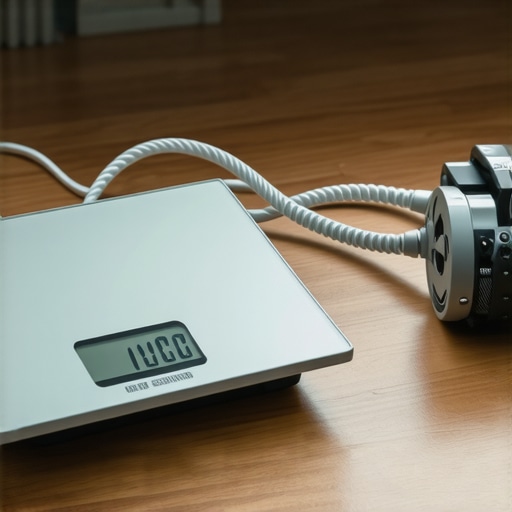
If you’ve ever been in the middle of pulling an espresso shot, only to watch your digital scale dance unpredictably every time the pump kicks in, you know how frustrating it can be. That sudden jump in weight can throw off your perfect grind, mess up your timing, and leave you wondering if your gear is faulty or if you’re just doing something wrong. I remember the first time I experienced it—my heart sank. I was just about to master my latte art, and then, bam! The scale flickered wildly, ruining my composure and my shot.
The Struggle with Unruly Scales During Pump Activation
This issue isn’t just a random glitch; it’s a common problem among home baristas and pros alike. Your digital scale is an essential tool in crafting consistent espresso, weighing your beans and tamping pressure to perfection. When it jumps during pump start, it can disrupt your workflow significantly. The good news? This annoying flicker is often something you can fix with a bit of understanding and some simple adjustments. Today, I will walk you through what causes this issue and, more importantly, how to bring your scale back to calm, steady precision.
Is Your Scale Overhyped? Does It Really Matter?
I’ll admit, early on, I underestimated how much this jitter affected my brewing. In fact, I made the mistake of ignoring the problem, thinking it was just a cheap scale that couldn’t handle the pressure. That’s a mistake many make—thinking a scale’s price tag or brand guarantees flawless performance. But let me tell you, I learned that even high-end scales can suffer from this issue if not calibrated properly or if there’s electrical interference. According to a study by the Specialty Coffee Association, small variations in weight measurement can lead to significant differences in extraction quality, so having a stable scale isn’t just a convenience; it’s essential for top-tier coffee.
Stabilize Your Scale Before Brewing
Start by placing your digital scale on a stable, flat surface away from electronic devices that may cause interference. If your scale has a built-in stabilization feature, activate it. For models without this feature, give the scale a moment to settle before weighing your beans or starting the shot. During my first self-made espresso session, I placed my scale near a laptop, and the flickering worsened. Moving the setup to a clear, stable counter immediately reduced the jitter, resulting in more consistent weights.
Check for Electrical Interference Sources
Electric motors, heaters, or even lighting fixtures can introduce interference that causes your scale to flicker during pump start. Unplug or move away from unnecessary electrical devices. For example, I once brewed with a standing lamp nearby; when I switched it off, my scale’s fluctuations diminished significantly. Also, ensure the power cord is directly plugged into a wall outlet, avoiding extension cords or power strips that can cause voltage fluctuations. [Learn more about how power sources impact machine performance](https://espressotechguide.com/why-you-should-never-plug-your-machine-into-an-extension-cord).
Calibrate Your Scale Regularly
Calibration ensures your scale provides accurate, stable readings. Use a certified calibration weight to recalibrate according to the manufacturer’s instructions. During my calibration attempt, I placed a known weight on the scale, followed the calibration process, and noticed the flickering reduced after proper calibration. Many home baristas overlook this step, leading to instability during critical moments, like pump activation.
Secure and Shield Your Power Source
Using a surge protector with EMI (Electromagnetic Interference) filtering can shield your scale from electrical noise. Secure your power cable to prevent movement that may induce fluctuation. I added a surge protector to my setup, which smoothed out the flickering during the pump start, akin to installing a noise filter on a sensitive audio device. This step is especially crucial if your espresso setup shares an outlet with high-power appliances.
Adjust Pump Pressure or Use a Flow Control Device
If your espresso machine has adjustable pump pressure, slightly reducing it can lessen the sudden load on the electrical system, reducing the flickering. Alternatively, installing a flow restrictor or flow control device in the water line can help moderate pump activation stress. I experimented with lowering the pump pressure by a few bars, which made my scale much steadier during shots while maintaining extraction quality. This fine-tuning balances power draw and stability effectively.
Consider Upgrading or Repairing Your Scale
If none of the above steps resolve the flickering, your scale might have a hardware defect. Consult the manufacturer or a professional repair service. When my old scale started flickering unpredictably despite calibration and interference checks, I replaced it with a newer model recommended by experts. Reliable scales with shielded internal components provide peace of mind during every shot.
Many enthusiasts believe that simply purchasing high-end espresso machines or premium grinders guarantees perfect coffee. However, the real nuance lies in understanding the underlying mechanics and common misconceptions. For example, some assume that expensive gear automatically produces better shots, but without proper maintenance and technique, even the priciest equipment can underperform. This misbelief often leads to costly investments with little improvement in quality. Additionally, a prevalent myth is that lighter roasts are more forgiving, but in reality, they often require more precise grind adjustments and temperature control, a nuance overlooked by many.
Another trap many fall into involves milk frothers. There’s a misconception that all frothers are interchangeable, yet device design greatly affects microfoam consistency. Using a subpar frother or not understanding frothing dynamics can result in thick, unstable foam that ruins latte art and overall drink quality. Recognizing these hidden complexities is essential for elevating your home coffee setup. According to expert baristas, mastering the subtleties of each component—like burr type in grinders or pressure profiling in machines—makes a significant difference in extraction and flavor (see [Mastering the Art of Home Espresso](https://espressotechguide.com/mastering-the-art-of-home-espresso-tips-for-beginners)).
What many don’t realize is how minor adjustments can prevent common mistakes. For instance, over-tightening tampers can create uneven puck density, leading to channeling and under-extraction. Similarly, neglecting routine maintenance on your espresso machine can cause pressure inconsistencies, which directly affect shot quality. Staying informed about these intricacies helps avoid costly errors and creates a smoother brewing experience.
A critical advanced tip involves understanding pressure stability during extraction. Variations in pressure not only affect flavor but can also damage your equipment over time. Investing in a good pressure gauge and learning to interpret its readings ensures you maintain optimal conditions. For further insights on equipment longevity, check out [How to Check for a Failing Capacitor in Your Machine](https://espressotechguide.com/how-to-check-for-a-failing-capacitor-in-your-motor).
Are you aware of the subtle factors that might be sabotaging your coffee? Do you know how to fine-tune your grinder or optimize your machine’s pressure profile? Recognizing and addressing these hidden nuances can significantly upgrade your espresso experience. Remember, the devil is in the details—so keep learning and experimenting. Feel free to share your experiences or questions below, and if you’d like personalized tips, visit our [Contact Page](https://espressotechguide.com/contact-us). Happy brewing!
Maintaining your espresso setup isn’t just about occasional cleaning; it’s about cultivating a routine that guarantees longevity, consistent performance, and exquisite coffee every time. Investing in the right tools and adopting disciplined practices can mean the difference between a machine that sputters and one that delivers barista-quality shots daily.
Damning the Dirt: Why Regular Maintenance Matters
Consistency begins with cleanliness. A tidy espresso machine prevents buildup of oils, scale, and residues that can impact flavor and machine health. For example, descaling your boiler every 3-6 months, depending on water hardness, ensures optimal heat transfer and prevents component failure. Implementing a weekly backflush with a cleaning detergent keeps the brew path clear and reduces the risk of channeling or pressure inconsistencies. An effective routine doesn’t have to be complex—just deliberate.
Tools That Make a Real Difference
One tool I can’t do without is a dedicated calibration weight. When paired with a high-quality precision scale, it allows me to verify and tweak my grinder settings precisely. Over time, small adjustments keep my grind consistent, ensuring each shot pulls perfectly and minimizes waste.
Another indispensable tool is a good tamping mat. It provides a stable surface, preventing uneven tamping that can cause channeling. Additionally, investing in a grinder cleaning brush keeps the burr chamber free of old grounds, maintaining flavor clarity and preventing clogging.
The Future of Coffee Maintenance
Emerging technologies like smart sensors and IoT-enabled devices are beginning to revolutionize how we care for our equipment. Imagine a machine that alerts you when descaling is needed or automatically adjusts grinder settings based on environmental changes. As these innovations become more accessible, the line between professional and home brewing will blur even further, making maintenance seamless and more effective.
Questions to Keep Your Machine Running Smoothly
So, how do you sustain your setup over time with minimal fuss? Regularly inspecting seals and gaskets, like the group head gasket, prevents leaks that can disrupt pressure and flavor. Also, scheduling deep cleans every few months keeps buildup at bay, especially in hard-to-reach areas.
Start by trying out a comprehensive descaling routine with a reputable descaler and a backflush with cleaning solubles to extend your equipment’s life. These small steps, backed by expert insights from industry professionals, will elevate your brewing game.
Remember, the key is consistency. Little, deliberate maintenance rituals combined with reliable tools will keep your coffee gear humming for years to come. Why not dedicate a weekend to thoroughly inspecting and cleaning your setup? You’ll thank yourself on the next perfect espresso.
What I Wish I Knew When I Faced My Scale Flickering
One of the most eye-opening lessons I discovered was that even premium espresso setups can suffer from scale flickering if environmental factors aren’t optimal. I used to blame my equipment, but then I realized that placement and interference played a bigger role than I appreciated. This insight saved me hours of frustration and improved my brewing consistency drastically.
Top Tools That Elevate Your Coffee Precision
Investing in a high-quality calibration weight and a reliable precision scale transformed my approach. These tools allowed me to fine-tune my grinder settings and maintain steady measurements, ensuring I pulled consistent shots every time. Personally, I trust calibration instruments and scales recommended by experts because they make a tangible difference.
Embrace the Small Changes That Make a Big Difference
Implementing simple routines—like moving my setup away from electrical interference sources or regularly calibrating my scale—has created a profound impact. These small adjustments may seem trivial but are fundamental to achieving barista-level consistency at home. Remember, it’s often the tiny details that separate a good shot from a great one.
Curious About Your Setup’s Hidden Flaws? Try This
If you’re still experiencing flickering despite all efforts, consider testing your power source with proper grounding and avoiding extension cords. Sometimes, the root cause lies within electrical noise or inadequate power stability. It’s worth troubleshooting these nuances before upgrading your equipment.
Keep Your Coffee Journey Exciting and Rewarding
The path to perfect espresso involves patience, experimentation, and attentive care. By understanding and controlling the variables, like scale stability and environmental interference, you’re empowering yourself to brew with confidence. Take the time to fine-tune your setup—your future self will thank you for the barista-quality coffee at home.