Why Your Espresso Machine Makes a High-Pitched Whistle During Heating
I’ll never forget the first time I heard that high-pitched whistle coming from my espresso machine. I was midway through a busy morning, desperate for my caffeine fix, when suddenly, a sharp, piercing sound interrupted my routine. It was as if my machine was protesting—annoyingly loud and utterly perplexing. I wondered: is this normal? Should I ignore it? Or is my beloved gadget crying out for help? If you’ve experienced a similar annoyance, you’re not alone. That whistle can be more than just a minor irritation; it can hint at underlying issues that, if left unaddressed, might affect your coffee’s quality and your machine’s longevity.
Decoding the Whistle: Is It Just Noise or a Warning?
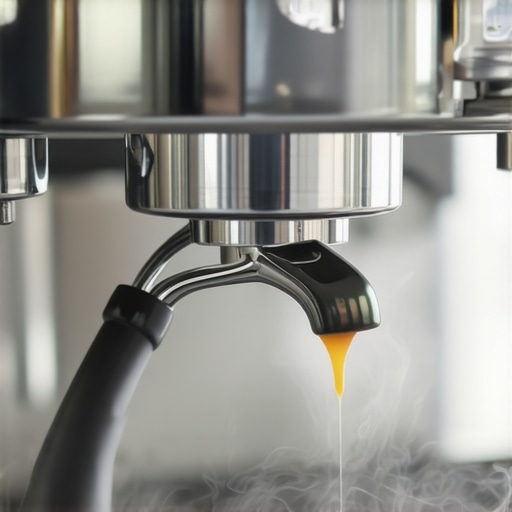
That high-pitched sound during heating is a common phenomenon, especially in home espresso machines. But what causes it? In most cases, it’s the water boiling or escaping through tiny gaps, creating vibrations that produce the whistling sound. Think of it as your machine’s version of a siren—alerting you to the fact that something is happening within that you should understand. Often, it’s related to pressure build-up or airflow issues within the boiler or steam system. Understanding pressure dynamics in your machine can help prevent problems before they start, but addressing the whistle requires a little detective work.
Early on, I made the mistake of dismissing that sound as a minor quirk. Big mistake. Over time, I realized that persistent whistling could signal anything from mineral buildup to gasket failure—issues that may eventually impair brewing consistency. Regularly inspecting your machine and maintaining proper water quality can make a world of difference. Did you know that even quality water can cause mineral deposits that make valves and seals misfire? This tiny detail can turn your smooth operation into an irritating symphony of whistles.
Is the Whistle Worth the Worry or Just an Aesthetic Quirk?
Many enthusiasts brush off this noise, thinking it’s just part of the charm of a home espresso setup. But if you’re serious about your coffee—whether it’s the perfect crema or a consistent shot—you’ll want to get to the root of that sound. Ignoring it might lead to leaks, pressure inconsistencies, or worse, expensive repairs.
If you’re wondering whether your machine is just loud or signaling trouble, consider the frequency and timing of the whistle. Has it become louder over time? Does it occur at specific heating stages? These clues can guide you toward an effective fix. And trust me, addressing these signs early can save you from costly replacements later on. For more insights, exploring our tips for mastering home espresso can help you avoid common pitfalls.
So, if that whistle has been driving you nuts or making you nervous, don’t ignore it. Together, we’ll demystify this sound and set your machine back on the path to quiet, reliable operation—so you can focus on brewing the perfect shot instead of wondering if your machine is about to explode.
Inspect and Clean Critical Components
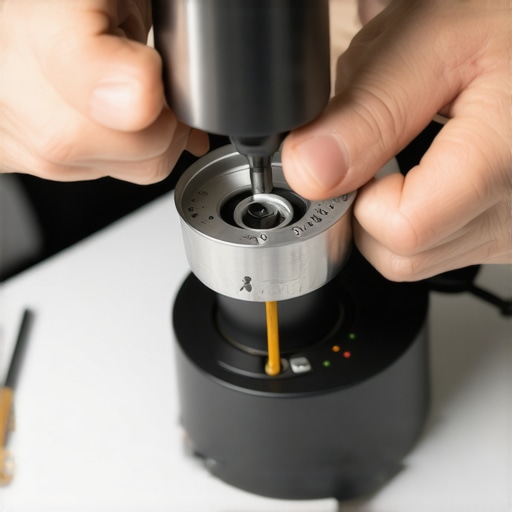
Start by turning off your machine and unplugging it. Remove the water reservoir and clean it thoroughly—mineral deposits can cause pressure imbalances. Use a descaling solution if needed. Next, detach the portafilter and inspect the gasket for cracks or buildup; replace it if it’s damaged or worn. Remove the shower screen and brush away coffee oils and debris—clogged screens can alter water flow and pressure, triggering whistles. For a detailed guide, see our step-by-step troubleshooting.
Check for Gaps and Leaks
Reassemble the components carefully, ensuring all connections are tight. Examine the steam wand, pressure release valves, and any visible seals for leaks or misalignments. A common culprit for whistling is a leaky gasket or a misfitted part. Tighten fittings gently, but avoid over-tightening, which could damage threads. If you notice persistent leaks, consider replacing worn parts—our O-ring replacement guide can help.
Adjust Pressure Settings
Many home espresso machines have adjustable pressure valves. Locating the pressure relief screw, turn it incrementally clockwise or counter-clockwise to reduce excess pressure that might cause noise. Make small adjustments, then run a test shot. Keep a log of settings to find your optimal balance. For machines without manual adjustments, look into upgrading pressure controllers or consulting a professional. If you need guidance, contact us through our contact page.
Level Your Setup and Secure Loose Parts
Unlevel machines can cause water to misflow, creating pressure surges and whistles. Use a spirit level on your countertop, then adjust the machine’s feet accordingly. Tighten or replace loose screws and fittings in the drip tray, steam wand, and portafilter holder. Stability ensures consistent pressure and reduces noise—think of it as giving your machine a firm foundation. For tips on organizing your setup, explore our home station organization.
Test and Tune for Silence
After making adjustments, run the machine and observe the sound. Use a stopwatch to measure if the whistle diminishes or stops entirely. If noise persists, revisit the previous steps and double-check connections. Sometimes, a simple, thorough cleaning can significantly reduce noise—regularly clean your valves and boilers following our detailed cleaning guides. Patience during this process pays off—each tweak gets you closer to a quiet, reliable espresso experience.
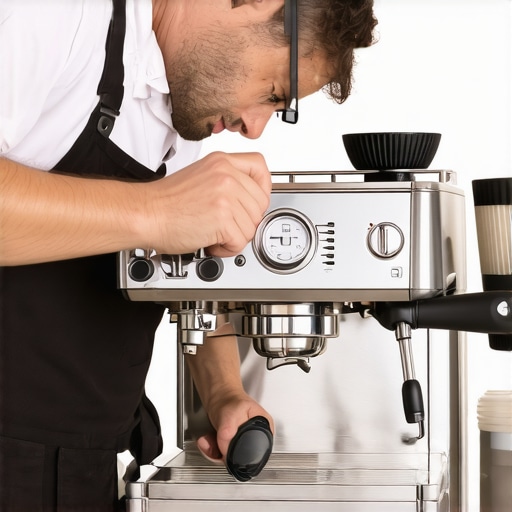 Many enthusiasts jump into home espresso preparation with a set of assumptions that can hinder their progress. One common misconception is that having the latest, most expensive equipment automatically leads to perfect shots. In reality, understanding the nuanced operation of your gear—like your grinder’s burr alignment or the pressure profile—is often more impactful than mere brand choice. For example, a high-end espresso machine won’t produce great results if the grinder isn’t dialed in correctly; improper grind size or inconsistent dosing can be the real culprits behind sour or bitter shots. Dive into our guide on choosing the best barista gear to ensure you’re investing wisely.
A prevalent myth is that uniform grind size guarantees perfect extraction. While consistency matters, overlooking variables like tamp pressure and puck preparation can foil your efforts. Additionally, some believe that all milk frothers are equal, but the best milk frothers can significantly enhance foam quality if used properly. Don’t fall into the trap of thinking that equipment alone will fix technique issues; mastering the fundamentals of home espresso is essential.
Making the leap to advanced espresso brewing involves recognizing that some common practices might actually work against you. Rushing extraction time or blindly following preset recipes without adjusting for your specific setup can lead to inconsistent results. Many assume that adjusting grind size is straightforward, but subtle changes can require extensive trial and error—a process that benefits greatly from keeping detailed notes. For nuanced insights, see our article on avoiding common mistakes with manual espresso presses.
Ever considered that your workflow might be preventing optimal results? For instance, improper pressure profiling during extraction or inconsistent tamping can cause channeling, which compromises flavor extraction. Professional baristas emphasize the importance of technique refinement over equipment upgrades. Moreover, neglecting regular maintenance like descaling or cleaning grinder burrs can insidiously degrade taste and consistency. Find out more about common mistakes in home setup to avoid these pitfalls.
Lastly, the myth that barista-level results are impossible at home can be discouraging. However, with patience and attention to detail—like precise dosing, tamping, and temperature control—you can unlock the potential of your gear. Remember, even small improvements in workflow and understanding often yield noticeable quality boosts. Are you guilty of any of these misconceptions? Let me know in the comments. And if you’re ready to elevate your setup, consider exploring our detailed troubleshooting guides to troubleshoot your machine!
Keep Your Equipment Running Smoothly with Precise Maintenance
Achieving that perfect espresso shot isn’t just about initial setup; consistent performance relies heavily on regular, targeted maintenance. I personally swear by using specialized tools like a group head brush to clean residue that can cause uneven extraction. These small but crucial steps prevent costly repairs down the line and ensure your brew tastes just as good as the first day.
What tools do I recommend for longevity?
First, invest in a high-quality burr cleaning kit. Regularly cleaning your grinder with a brush and some water—carefully applied—removes coffee oils and dust that can clog and dull performance. Additionally, a precision calibration tool for grinders helps maintain consistent particle size, crucial for repeatable shots. For espresso machines, descaling once a month with a trusted descaling solution keeps boilers and pipes free of mineral buildup.
How do I maintain my setup over time?
Developing a routine is key. I set reminders to check and replace seals and gaskets—like the O-rings—every six months. Keep an eye on wear and tear, especially around the steam wand and portafilter, since leaks here can diminish pressure and foam quality. Also, maintaining a clean workspace and storing beans properly—avoiding humid environments—helps preserve bean freshness and equipment safety.
What’s the future of maintenance in espresso technology?
I predict more IoT-enabled devices will surface, providing real-time diagnostics and maintenance suggestions. Imagine your grinder alerting you when burrs dull or your espresso machine signaling when it’s time for descaling via an app. This proactive approach will simplify long-term upkeep and prevent breakdowns before they happen. To stay ahead, incorporate Smartphone-compatible tools and regularly update your equipment firmware when available.
Make a move: Try this advanced tip today
One game-changing technique I highly recommend is using a dosing funnel to minimize mess and ensure uniform coffee intake. It reduces clumping, which directly impacts extraction quality, and is simple to install. Just a few minutes of effort can boost your shot consistency and prolong your grinder’s life. Don’t wait—give it a try to experience more even, flavorful pulls and less cleanup!
The Hardest Lesson I Learned About Espresso Gear
One of the most eye-opening realizations in my coffee journey was understanding that equipment alone doesn’t guarantee great results. The true secret lies in mastering technique and routine, which often gets overlooked amidst shiny new gadgets. That whistle I previously saw as an annoyance turned out to be a personal signal that my machine was asking for attention—reminding me that maintenance and observation are vital. Embracing this lesson shifted my perspective from chasing equipment upgrades to refining my skills and understanding.
Tools and Resources That Elevated My Coffee Game
Investing in a quality grinder cleaning kit and a precision calibration tool for my grinder proved transformative. These tools helped me maintain consistent particle size, directly impacting shot quality. Additionally, reading insightful guides like our mastering the art of home espresso has deepened my understanding of process nuances. Trusted resources like these remind me that continual learning is key, especially when it comes to perfecting the delicate balance of espresso extraction.
Log Your Progress and Celebrate Small Wins
Every tweak I made—whether adjusting pressure, leveling the machine, or cleaning components—brought me closer to my ideal brew. Keeping a detailed log of what worked not only built confidence but also helped me troubleshoot quickly. Remember, success is incremental. Don’t underestimate the power of patience and consistency in your journey. With each small improvement, you’re building a foundation for consistently exceptional coffee.
Your Turn to Brew with Confidence
Now that you’ve explored advanced tips and insights into managing noise and maintaining your espresso equipment, it’s time to put those lessons into action. Whether it’s addressing that persistent whistle or fine-tuning your setup, every step brings you closer to barista-level results. Don’t be discouraged by initial setbacks—every expert was once a beginner. Keep experimenting, stay curious, and enjoy the rewarding process of crafting perfect espresso at home. Are you ready to tackle your equipment’s quirks and elevate your coffee game? Let me know below!
}】If you have any more requests or need further assistance, feel free to ask!**#END##**