The Reason Your Tamper Feels Like It’s Binding Inside the Basket
I vividly remember grabbing my tamper, pressing down with all my might, only to feel that stubborn resistance as if it were glued shut—a moment of frustration that made me question everything I thought I knew about tamping. That uncomfortable feeling, where your tamper just won’t glide smoothly, is more common than many home baristas realize. It feels like you’re fighting your gear rather than working with it, turning what should be a simple step into a frustrating puzzle.
Are You Tamping Too Much or Too Little? The Hidden Culprit
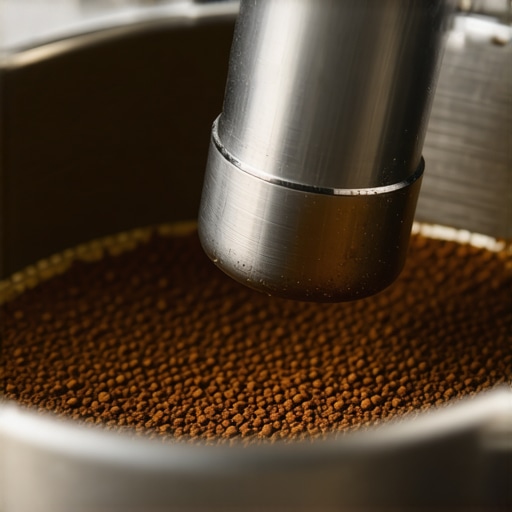
One lightbulb moment for me came when I realized that the problem wasn’t my tamping pressure but the fit of my tamper relative to the basket. If your tamper doesn’t match the size of your portafilter basket, it can cause binding—making it hard to press evenly or causing the tamper to catch and stick. This happens more often than you think, especially if you’re switching between different machines or shopping for gear online without double-checking sizes.
When I first started, I made the mistake of assuming that a standard tamper size would work universally. That was a costly error. Proper fit is crucial—your tamper should sit comfortably in the basket, allowing you to apply pressure smoothly without catch or resistance. An improperly sized tamper can lead to uneven tamping, channeling, and even damage to your equipment over time. For a detailed guide on how to select the right barista gear, including tampers, visit this resource.
Trust Me, Small Details Make a Big Difference
Early on, I also overlooked the importance of cleanliness and uniformity in my tamping process. Dirty or uneven tamping surfaces contribute to binding and inconsistent shots. Paying attention to these tiny details helps ensure your tamp is not only perfectly sized but also evenly pressure-placed, preventing that annoying sticking sensation. If you’re wondering whether your tamping technique might be part of the problem, check out this beginner’s guide.
So, if you’ve faced that stubborn, unyielding feeling—you’re not alone. In this post, I’ll walk you through the common causes and simple fixes that can turn your tamping frustration into confidence and consistency. Ready to get back to pulling smooth, balanced shots? Let’s dive into the practical steps that will set your espresso game straight.
Calibrate Your Tamping Technique
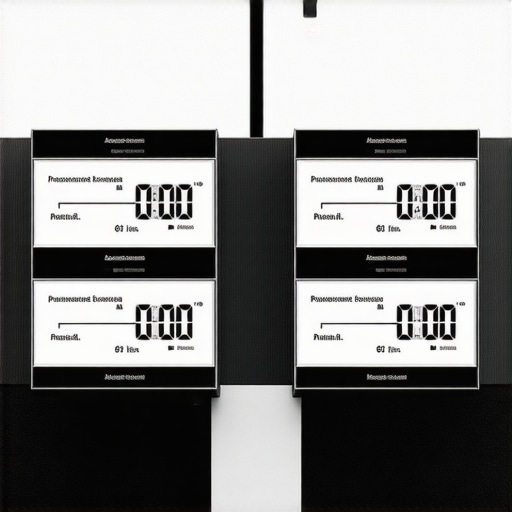
Start by practicing consistent pressure. Use a bathroom scale to measure how much force you apply — aim for about 30 pounds (roughly 14 kg), similar to the weight of a small bag of sugar. Place your basket on the scale, add coffee grounds, and tamp while watching the reading. This helps develop a feel for even pressure, reducing uneven shots. I did this on a rainy Saturday afternoon, experimenting with different weights until I achieved a smooth, firm tamp without excess effort—resulting in more balanced espresso shots.
Ensure Proper Equipment Fit
Next, confirm that your tamper matches your basket size. A mismatch causes uneven tamping, leading to channeling—where water finds the path of least resistance— ruining your shot. Measure your basket’s diameter precisely and compare it with your tamper’s base. If the tamper is too small or too large, you may notice inconsistent resistance or binding. I found success by measuring my basket and ordering a tamper with a diameter just slightly smaller for a snug, even fit, which dramatically improved my extraction process.
Use a Docking Station or Dosing Ring for Uniformity
Employing devices like a dosing funnel or a tamping station helps distribute coffee grounds evenly and maintain consistent pressure. Place your portafilter into the station, fill with grounds, then tamp with a steady hand. Trust me, this small adjustment minimized superfluous variance in tamping force, leading to more reliable flavor extraction.
Refine Your Tamping Posture and Technique
Stand directly over your setup, with your elbow close to your side. Use your body weight rather than just arm strength to tamp—imagine pressing your palm into a soft cushion. Applying force smoothly and vertically ensures even puck compression, reducing the chance of channeling. I used to rush brute-force tamping, but after slowing down and engaging my core muscles, I noticed a marked improvement in shot consistency.
Maintain Clean and Flat Surfaces
Before tamping, wipe off any residual coffee or oils from your basket and tamper surfaces. A clean, level surface ensures full contact and prevents uneven pressure distribution. Neglecting this step can result in uneven tamping, which manifests as brewing inconsistencies.
Practice and Record Results
Finally, keep a journal of your tamping pressure, technique, and outcomes. Photography your puck after each shot to monitor uniformity. Over time, this feedback loop hones your instincts, leading to more consistent brewing. I dedicated a weekend to practicing with my scale and noted that applying exactly 30 pounds of pressure produced the best crema and flavor balance for my beans.
By integrating these concrete steps—calibrating with actual weight, ensuring gear fit, using aids for precision, adjusting your stance, maintaining cleanliness, and recording your results—you will develop a reliable tamping rhythm. Remember, consistency is the secret ingredient to unlocking the full potential of your home espresso setup.
Many home baristas fall prey to misconceptions that hinder their pursuit of perfect espresso. A prevalent myth is that grinding finer always yields better shots; however, over-tightening your grind can reduce water flow, causing over-extraction and bitter flavors. Conversely, many believe that higher-priced equipment automatically delivers superior results, but in reality, technique and understanding your gear’s nuances are paramount. For example, even the best espresso machine can underperform if the temperature isn’t precisely controlled — a subtlety often overlooked by enthusiasts who rely solely on preset functions.
Are Advanced Techniques Necessary for Consistent Results?
Let’s face it: mastering latte art or perfecting microfoam is appealing, but what about the overlooked details like portafilter temperature stabilization or water mineral content? Studies show that mineral composition in water affects extraction and crema formation; soft water produces better crema but may leach metals if not properly filtered (source: Coffee Brewing Institute). Paying attention to such micro-details elevates your brewing from good to exceptional. Many amateurs get stuck chasing gadgets or complex techniques when small adjustments, like pre-wetting grounds or adjusting tamp pressure within a narrow margin, make more difference. Check out this guide to see how grinder nuance impacts extraction. Remember, subtle modifications in your workflow, like temperature surfacing or grind consistency, often yield more impressive improvements than switching gear. Don’t let these hidden factors trip you up; instead, see each shot as a harmony of micro-adjustments. Have you ever fallen into this trap? Let me know in the comments.
Keep Your Espresso Gear in Peak Condition
Investing in quality equipment is only half the battle; maintaining it properly ensures longevity and consistently great results. I personally swear by specific tools and routines that keep my setup running smoothly, allowing me to pull perfect shots day after day. In this section, I’ll share the exact tools I rely on and how I use them to maintain my espresso station.
Precision Cleaning with a Burr Brush and Disposable Towels
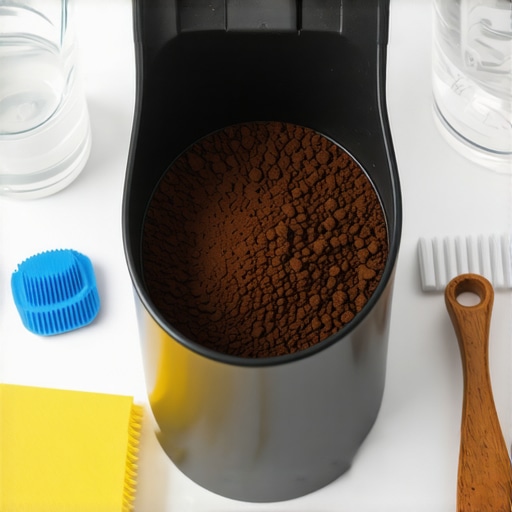
Regular cleaning prevents coffee oils and residues from gumming up your grinders and machines. I use a dedicated burr brush designed for quick, thorough cleaning of my grinder burrs—it’s small, effective, and easy to handle. After every few uses, I wipe down my espresso machine’s group head, portafilter, and steam wand with lint-free disposable towels to prevent build-up. This routine keeps all surfaces flat and free of oils, which prolongs equipment life and ensures a clean extraction.
Calibrated Tools for Consistent Tamp Pressure
Applying consistent tamp pressure has been a game-changer for my shots. I use a digital tamping scale that provides real-time feedback—it’s a relatively inexpensive investment but pays dividends in shot consistency. By aiming for a set force, you develop muscle memory and minimize shot-to-shot variability. This small piece of gear transforms a usually ambiguous step into a measurable and repeatable practice. To get your own, visit this guide for detailed recommendations.
Invest in a Water Filtration System
The importance of water quality cannot be overstated. I installed a under-sink water filter certified for removing minerals and contaminants that affect flavor and machine longevity. Not only does this improve your coffee’s taste, but it also reduces scale build-up, which can cause costly repairs. Regularly changing filters and monitoring water quality with a TDS meter helps maintain optimal conditions. According to the Coffee Brewing Institute, mineral content directly impacts crema stability and flavor complexity, emphasizing the need for proper filtration over time.
Adopt Routine Maintenance to Prevent Issues
Beyond using the right tools, establishing a routine schedule for maintenance pays off. For my espresso machine, I follow a weekly descaling process using manufacturer-approved solutions, and I check gaskets and seals monthly to ensure they’re in good shape. This proactive approach prevents problems like leaks, erratic temperature control, or pressure inconsistencies that can mar your brewing experience. Additionally, regularly inspecting your grinder’s burrs for dullness — perhaps with the paper towel test — ensures uniform particle size and extraction quality.
How do I maintain my equipment over time?
Staying ahead with routine cleaning, calibrating your tools, and replacing worn components like seals or gaskets keeps your setup responsive and reliable. For example, routinely inspecting your group gasket and replacing it as needed prevents leaks and maintains consistent pressure, which is critical for high-quality espresso. When in doubt, consulting manufacturer documentation or reputable resources like this detailed guide can provide invaluable insights into proper maintenance routines. Make a habit of scheduling these tasks monthly, and you’ll avoid larger repairs down the line.
Future Trends in Espresso Equipment Maintenance
The advancement of smart appliances with integrated sensors will revolutionize maintenance routines. Machines equipped with self-cleaning protocols, usage tracking, and remote diagnostics are already becoming more prevalent. As these technologies improve, expect a future where your espresso setup proactively alerts you to maintenance needs, ensuring peak performance with minimal effort. Meanwhile, mastering the right tools and routines today guarantees that your equipment stays functional and your coffee remains exceptional.
Ready to elevate your maintenance game? Try integrating a calibrated tamping scale into your routine this week and observe how much more consistent your shots become. Having the right tools at your fingertips makes a tangible difference—don’t leave it to chance. For tailored advice or troubleshooting, contact me through our contact page.
Lessons That Changed My Approach to Home Espresso
- I realized early on that consistency in tamping pressure and fit isn’t just a detail—it’s the foundation of great shots. Small adjustments, like measuring tamp force with a digital scale, revealed how much the tiniest change impacts flavor.
- Over time, I discovered that gear compatibility matters more than fancy equipment. Ensuring my tamper fit perfectly with my basket prevented frustrating binding and uneven extraction, saving me years of trial and error.
- I learned that micro-details—like keeping surfaces spotless and adjusting my posture—are game-changers. These habits transformed my workflow from hesitant to confident, making each shot more predictable.
Tools and Resources That Elevated My Coffee Game
- Digital Tamp Scale: This simple tool made a massive difference in building muscle memory and shot consistency. I trust it because it removes guesswork, turning tamping into a repeatable art, not an artful guess.
- Measuring Calipers: Accurately measuring my basket diameter helped me select the perfect tamper size, which prevents binding and channeling. Precision matters, especially when fine-tuning flavor profiles.
- Water Filtration System: Clean, mineral-balanced water ensures optimal extraction and reduces maintenance headaches. It’s an investment I consider essential, as it affects every shot I pull.
- Reputable Guides and Blogs: Resources like this comprehensive guide helped me understand the micro-details that matter, from grinder calibration to water quality.
Believe in Your Journey to Perfect Espresso
Every barista starts somewhere—whether you’re new or experienced, know that patience and attention to detail are your best allies. Embrace the micro-adjustments, stay curious about your gear, and celebrate the small wins along the way. Your next exceptional shot is just a tweak away, so keep experimenting and enjoy every sip as a reward for your effort. What small change are you planning to try next in your home espresso routine? Share below and join the community of passionate coffee lovers striving for excellence.