Why your espresso shots are channeling despite a perfect tamp
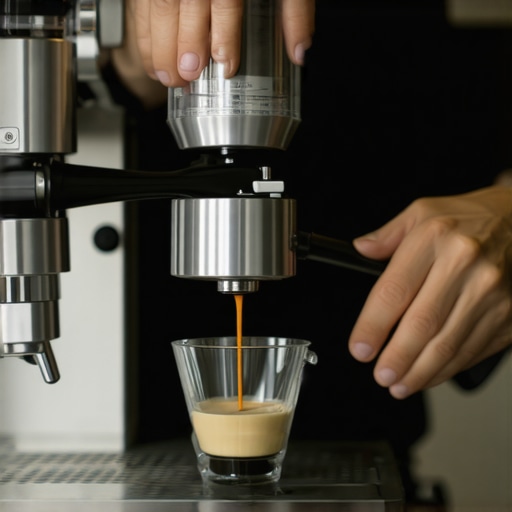
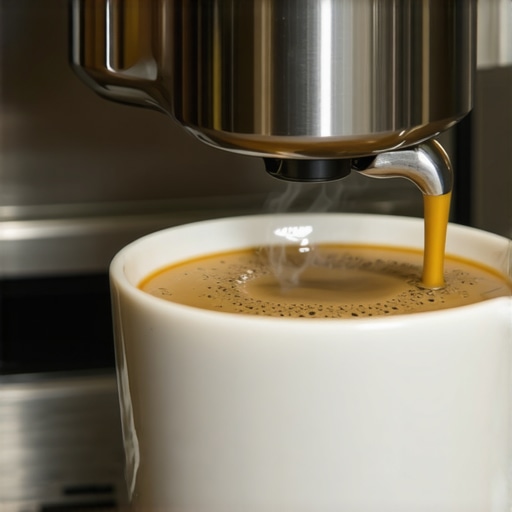
It was a early Saturday morning, and I was determined to perfect my espresso routine. I had meticulously tamped, ensuring the coffee was level and firm. I watched as the hot water started to flow, only to see a glaring, stubborn channel in my puck, ruining what I hoped would be a splendid shot. Frustration bubbled up—how could everything seem right, yet the espresso still channel and lose that beautiful extraction?
Decoding the Channeling Mystery in Your Home Espresso Setup
If you’ve ever faced the disappointment of a channeling shot despite a seemingly perfect tamp, you’re not alone. It’s one of those puzzles that can make even seasoned home baristas scratch their heads. So today, let’s unravel this common but often overlooked problem and find practical ways to prevent it. Because trust me, once you understand what’s going on, fixing it becomes much simpler.
According to research, inconsistent coffee grounds distribution is a leading cause of channeling — yet many of us neglect this crucial step in our routine, focusing solely on tamping pressure or machine temperature. Early on, I made the mistake of assuming that a solid tamp was enough. But after some trial and error, I discovered that even slight unevenness or poor grind distribution could create paths for water to prematurely escape the coffee bed, leading to that dreaded channel. Want to learn how to identify and eliminate these culprits? Keep reading.
Is Super Tamping Actually Worth the Hype?
One of the biggest fears I hear from home espresso enthusiasts is whether investing in fancy tampers or high-tech tamping mats really makes a difference. Early in my journey, I thought a heavier tamper would automatically produce better shots — only to realize that it’s far more nuanced. Excessive force without even distribution can actually worsen channeling, creating uneven flow and under-extraction. So, before you pour your hard-earned money into premium tampers or gadgets, it’s worth understanding that technique and consistency matter more than brute strength or fancy tools. While equipment can help (and I cover that in this guide), mastering the basics first is key to avoiding wasted effort and money.
By paying close attention to grind size, distribution, and even tamping pressure, you’ll be able to dramatically improve your shot quality. Ready to dive into the steps that make a real difference? Let’s get started.
.
Ensure Even Coffee Bed During Dosing
Start by measuring your coffee precisely with a digital scale, aiming for around 18-20 grams for a standard double shot. Use a consistent dosing technique—either tap your portafilter against the tamping station or use a dosing funnel to prevent spillage. For example, I once lightly tapped my portafilter after dosing, which settled the grounds evenly, leading to a more uniform tamp and better extraction.
Level the Grounds Before Tamping
Gently swipe your finger or a straightedge across the coffee surface to level it out. A common mistake is pressing down unevenly, which creates high spots prone to channeling. I experienced this firsthand when I skipped leveling; my shot poured unevenly, with visible water leaks along the edges. Practicing a quick, consistent level can dramatically improve results.
Apply Tamping with Uniform Pressure
Grip your tamper with your dominant hand, keeping your wrist steady. Press down with consistent pressure—around 30 pounds—using your body weight rather than just your arm. Imagine pressing evenly like flattening a pancake. Early on, I used a heavy hand, which caused uneven compression and channeling. I switched to an actual scale to gauge tamping pressure, which improved my shot consistency.
Use the Right Tamping Technique
Center the tamper directly over the coffee bed to avoid creating uneven pressure. Press down in a smooth, downward motion without twisting. After pressing, give the tamper a slight twist, about a quarter turn, to settle the grounds and eliminate any air pockets. Once I incorporated this practice, my shots became much more balanced, with fewer channels to ruin the extraction.
Check Grinder Settings and Consistency
Adjust your grinder to produce a uniform, slightly coarse grind for espresso—fine enough to resist water flow but not so fine that it clogs or over-extracts. Regularly calibrate your grinder and avoid changing grind size frequently, which can cause inconsistencies and channeling. I found that using a dedicated grinder with consistent burr settings helped me avoid unpredictable results.
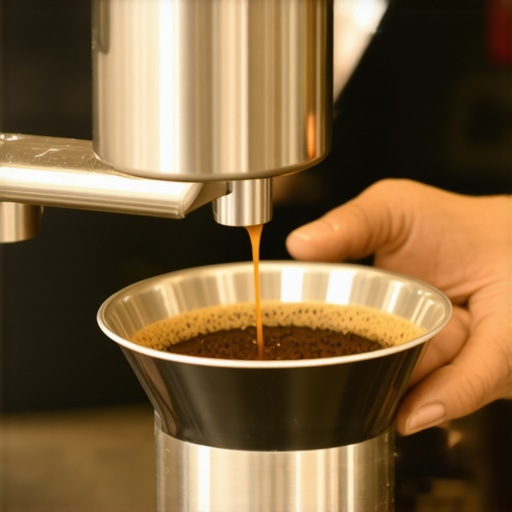
Imagine your coffee grounds as a packed dirt path: if it’s uneven, water will find and exploit the weakest spots. Make sure your path is smooth and level for the best flow.
Maintain Machine Cleanliness and Proper Calibration
Clean your espresso machine regularly to prevent oils and residue from affecting water flow. Also, verify that your machine’s pressure and temperature are set correctly; a miscalibrated machine can exacerbate channeling issues. For instance, I once ignored cleaning my group head and noticed increased channeling; after a thorough clean, my shots improved noticeably. Regular maintenance is key to consistent extraction and preventing stubborn channels.
Many home baristas believe that owning the latest espresso machine or a super-premium grinder guarantees perfect shots every time. However, this isn’t entirely true. In my experience, one of the most overlooked aspects is the proper calibration and understanding of your equipment’s limitations. For example, many people assume their grinder’s burrs are sharp enough just because they haven’t noticed a significant decline in performance, but studies show that buildup of coffee oils and debris can dull burrs faster than expected, leading to inconsistency in grind size and, consequently, uneven extraction. Regular maintenance and proper cleaning protocols, like those I recommend in this guide, can unlock the full potential of your gear. Additionally, common myths like larger portafilter baskets automatically producing better espresso are misleading; in reality, basket design and bed depth significantly influence flow and extraction quality. Many enthusiasts also overlook the importance of machine temperature stability, which experts like Scott Rao emphasize in his works. He highlights that a stable temperature ensures consistent extraction, yet many home setups lack proper temperature regulation, leading to subtle flavor inconsistencies. Remember, even the best equipment can produce subpar results without a nuanced understanding of these factors. Are you guilty of assuming more expensive gear is the answer? Let me know in the comments!
Keeping Your Home Espresso Gear in Top Shape
Achieving cafe-quality espresso at home isn’t a one-time effort; it requires consistent maintenance and the right tools. I’ve learned through experience that investing in high-quality, durable equipment pays off over the long term, saving you time and money. Regular upkeep ensures your espresso machine, grinder, and accessories remain reliable and deliver optimal results. For example, I use a dedicated sturdy surface to place my scale, allowing for precise dosing and consistent extraction. This small addition has significantly reduced shot variation, highlighting how proper tools make a difference.
How do I maintain my equipment over time?
The secret to longevity is routine cleaning and calibration. For espresso machines, scheduled descaling and deep cleaning prevent mineral buildup and mold, which can affect taste and performance. I recommend following detailed guides like Mastering Home Espresso Tips to develop a maintenance routine tailored to your setup. For grinders, cleaning burrs with a dedicated brush and periodically replacing worn parts like the burrs ensures consistent grind size—a key factor in avoiding channeling and under-extraction. Adopting a systematic approach to maintenance not only prolongs your gear’s life but also improves shot quality.
Tools I swear by for home barista success
My toolbox includes several specific items that I’ve found indispensable. First is a high-precision pressure gauge for my espresso machine, which allows me to monitor and fine-tune brewing parameters without guesswork. For grinders, a zeroing tool helps me ensure my grind setting is accurate after making adjustments. I also rely on a quality tamper with a comfortable handle and consistent weight to produce even tamping pressure. Additionally, a dedicated scale with fine resolution helps measure coffee doses precisely, boosting repeatability.
What future trends are shaping home espresso maintenance?
Looking ahead, automation and smarter diagnostic tools are poised to simplify maintenance even further. Integrated sensors that alert you when descaling is due or when parts wear out will become standard in high-end machines. Software updates could optimize calibration routines based on usage patterns, minimizing the manual effort involved. The industry is also seeing a rise in modular, easy-to-service components, making repairs more accessible for home enthusiasts. Staying informed about these innovations can help you invest in future-proof gear that requires less hands-on maintenance, ensuring your setup remains consistent without extensive troubleshooting.
Don’t forget to try incorporating a professional cleaning routine into your weekly schedule. Small, consistent actions like this build toward long-term reliability. Plus, consider upgrading your pressure gauge or investing in a maintenance kit—these small investments can dramatically improve your espresso experience over time.
What I Learned When My Perfect Shots Went Awry
After countless attempts, I realized that even the tiniest inconsistencies in tamping or grind size could sabotage an otherwise promising espresso shot, revealing the importance of precision in every step.
My Unexpected Breakthroughs in Home Barista Skills
Discovering that the real enemy was uneven coffee bed preparation, not just tamping pressure, changed my approach entirely—leading to more balanced, flavorful espressos.
How I Stopped Wasting Money on Fancy Gear
I learned that mastering fundamentals like grind consistency and machine maintenance matters far more than owning expensive accessories. Focus on technique, and your gear’s potential is unlocked.
Keeping Your Equipment in Peak Condition
Regular cleaning and calibration are essential; neglecting these can hide flaws and cause stubborn channeling. A disciplined maintenance routine always pays off in espresso quality.
Beyond the Basics: Tools That Make a Difference
Investing in a good pressure gauge and a precise scale helped me iron out subtle issues, elevating my home espresso game without breaking the bank.
Insider Wisdom for Better Espresso Experiences
- Always check your grind size—it’s the foundation of a good shot.
- Don’t underestimate the power of leveling your coffee bed before tamping.
- Consistent tamping pressure doesn’t mean pressing harder; it means pressing evenly.
- Regularly maintain your machine and grinder to prevent insidious channeling problems.
- Invest in quality tools—sometimes, small upgrades lead to big improvements.
Action Starts Now – Your Next Espresso Awaits
Don’t be discouraged by initial setbacks; every pour is a step toward mastery. Embrace the process, stay curious, and enjoy every sip of your improved home espresso journey. Remember, the secret is consistent effort and a willingness to learn. Share your own tips or struggles in the comments—I’d love to hear your story!