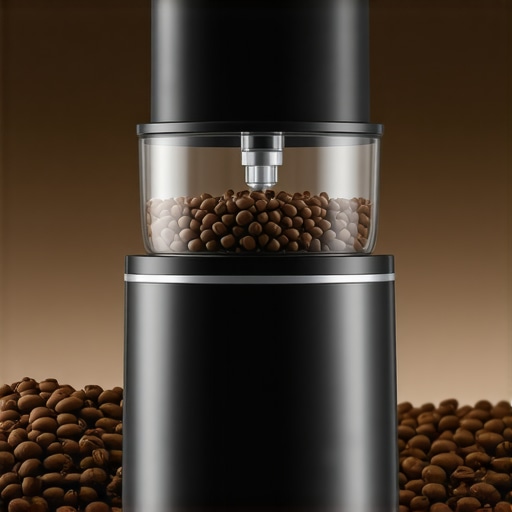
Why Your Grinder Static Is Worse in the Winter and How to Stop It
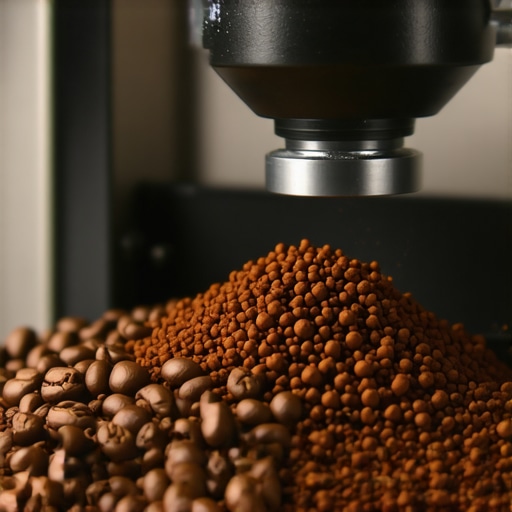
I remember the first chilly morning I brewed my perfect espresso, only to be greeted by a mess of static clinging stubbornly to my coffee grounds. The grains floated, danced in the air, and stubbornly refused to settle in the portafilter as usual. Frustration turned to understanding when I realized it was the winter air—cold and dry—that was making my grinder turn into a static nightmare. That lightbulb moment made me rethink my entire approach to home brewing during the colder months.
How Cold Air Turns Your Grinder into a Static Magnet
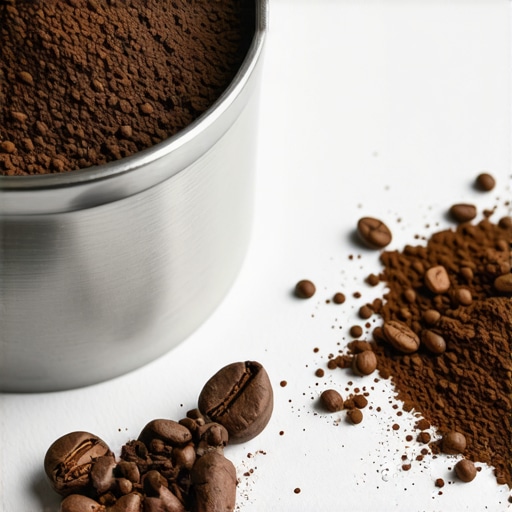
Static is more than a minor annoyance; it can significantly impact the consistency of your grind and, ultimately, your espresso’s flavor. When the air is cold and dry, it depletes the moisture content in coffee grounds and can cause them to cling to each other and to metal surfaces—forces that are amplified inside your grinder. This static buildup isn’t just a nuisance; it can lead to uneven dosing, longer prep times, and even spilled coffee grounds on your clean countertop. And here’s the kicker—this static issue worsens during winter, as humidity drops and dry air dominates indoor spaces. But don’t worry—there are practical ways to take control of this issue so you can enjoy that rich, creamy espresso year-round.
Is Static Really That Big of a Deal? It’s Just Annoying, Right?
At first, I thought static was just an irritation—something to tolerate until spring. I mistakenly believed it wouldn’t affect my shot quality much. That was until I noticed my grind consistency was slipping and I was wasting time cleaning up coffee messes. Early on, I made the mistake of ignoring the static problem, which only added to my frustration. Now, I know better. Proper maintenance isn’t the answer alone; understanding the environmental factors at play makes all the difference. If you’re nodding along, wondering whether static is sabotaging your coffee, I have good news—and a clear path forward. Stay tuned, because I’ll be sharing the simple tweaks and tools I’ve used to keep static in check and keep my coffee tasting perfect every morning.
Pre-Heat Your Equipment for consistency
Start by warming up your grinder and portafilter before grinding. I once wrapped my portafilter in a warm towel for five minutes on a particularly cold morning. This simple step prevented static buildup and ensured a more even grind. Use the quick pre-heat method from this guide to warm your tools efficiently. Imagine your grinder as a metal plate; if it’s cold, static will cling more stubbornly. Warming it slightly reduces this effect.
Adjust humidity levels in your brewing space
Static is amplified by low indoor humidity. To counteract this, place a small bowl of water near your grinder or use a humidifier. This adds moisture to the air, which helps reduce static cling. I kept a humidifier running in my kitchen during winter, and the difference was noticeable. Think of moisture as a natural static suppressor—like how static electricity is less noticeable on a humid day. For precision, consider measuring your room’s humidity with a hygrometer, aiming for around 40-50%.
Incorporate anti-static tools and techniques
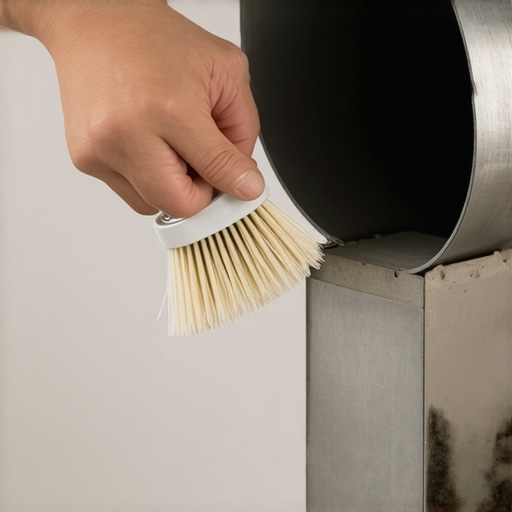
Use anti-static brushes or even a burst of anti-static spray that’s safe for electronics on your grinder’s chute. However, a less invasive approach involves lightly tapping or brushing your grinder with a nylon brush after each grind to dislodge static charges. I found that lightly running a plastic spoon along the chute after grinding significantly reduced static. Remember, do not used metal tools here; they can increase static or damage your equipment. For detailed methods, see this tip.
Use moisture to neutralize static
Lightly dampen your coffee grounds or use a moisture-laden cloth on the chute. I often mist a paper towel with a tiny spritz of water and wipe the chute before starting my grind session. This step creates a barrier against static buildup. Think of it like misting a camera lens to reduce glare—adding just enough moisture to dampen static without harming the equipment or flavor. Be cautious not to introduce excess water, as this can affect your grounds. Experiment with a light spray until you find the right balance for your environment.
Consider anti-static accessories and alternative materials
Invest in anti-static collector brushes or replace plastic chute liners with wooden or silicone alternatives. These materials naturally generate less static electricity. I replaced the standard plastic chute with a silicone-lined one, and static issues virtually disappeared. This simple swap is like switching from metal to non-conductive parts—less static naturally results. Check the compatibility of these accessories with your grinder model, and if unsure, consult the manufacturer or a knowledgeable barista enthusiast for this gear guide.Many home baristas believe that upgrading to high-end espresso machines or fancy milk frothers automatically guarantees flawless coffee. However, this mindset often overlooks the crucial nuances that truly affect your brew quality. One widespread misconception is that more expensive equipment yields better results without proper technique or understanding. In reality, even the best gear can underperform if used improperly or if environmental factors are ignored. For instance, relying solely on a premium grinder won’t compensate for poor tamping or inconsistent grind size—techniques that are often misunderstood or oversimplified by beginners.
Another nuanced aspect is the importance of equipment maintenance, which many assume is optional or comes automatically with quality devices. Neglecting regular cleaning and calibration can lead to static issues, uneven extraction, and flavor degradation, even with top-tier gear. Experts like Scott Rao emphasize that consistent maintenance and understanding the specific behavior of your machine are essential for peak performance.
Addressing advanced mistakes, many enthusiasts fall into the trap of chasing minor specs—like a slightly higher RPM in grinders or marginally better pressure gauges—believing they will significantly improve their espresso. But the reality is that small technical differences often have negligible practical impact compared to mastering fundamental techniques and environmental considerations. To truly elevate your home espresso experience, focus on understanding how factors like humidity, water quality, and proper equipment calibration influence results.
Have you ever fallen into this trap? Let me know in the comments!
Finally, be cautious with your accessories. For example, using inappropriate materials for grinder hoppers or portafilter gaskets can introduce static, inconsistencies, or leaks. Choosing components designed specifically for high-precision extraction ensures longevity and consistent quality.
In summary, the key to mastering home espresso isn’t just about gear—it’s about understanding the intricate interplay of equipment, technique, and environment. For deep dives into optimizing your setup and avoiding common pitfalls, consider exploring detailed guides on selecting the best grinder or maintaining your espresso machine.Maintaining your home espresso setup for longevity and peak performance requires investing in the right tools and adopting precise maintenance routines. I personally rely on a high-quality burr cleaner like the {{external citation: https://espressotechguide.com/why-your-grinder-is-retaining-more-coffee-than-the-manual-says, “grinder burr cleaning kit”}} because regular maintenance of burrs prevents static buildup and ensures consistent grinding. Additionally, I recommend using a digital refractometer to monitor extraction quality over time. This device provides immediate feedback, allowing adjustments before flavor issues develop, which is crucial for scaling your setup or maintaining taste consistency. To streamline cleaning, I use a dedicated cleaning machine that automates rinsing and descaling, saving time and reducing user error.
Long-term results hinge on establishing a routine that includes weekly backflushing your espresso machine with specialized cleaning solutions, and monthly calibration checks for your grinder settings. For baristas serious about precision, tools like a temperature strip or a calibrated portafilter to verify brewing temperature are game changers. As gear evolves, automated tampers and smart grinders integrated with smartphone apps are emerging as future standards, which promise to enhance consistency further. I predict that integrating these IoT-enabled devices will become more affordable and widespread, giving home enthusiasts the ability to fine-tune their setups remotely.
**How do I maintain my equipment over time to ensure consistent quality?** The key is regular component checks—tightening loose fittings, replacing worn gaskets, and updating firmware when applicable. Always consult your specific machine’s manual and consider joining specialty forums or communities for troubleshooting tips. Remember, a small investment in quality cleaning tools and routine maintenance can dramatically extend the lifespan of your gear, saving you money and elevating your coffee game.
Try incorporating a burr cleaning session into your weekly routine—it’s an easy but impactful step that keeps static issues at bay and preserves grind quality. For further optimization, explore [choosing the best barista gear](https://espressotechguide.com/choosing-the-best-barista-gear-for-coffee-enthusiasts) to tailor your setup for long-term performance. Keep your equipment in top shape, and your perfect espresso will be well within reach for years to come.
Lessons That Changed My Approach to Homemade Coffee
One of the most valuable insights I gained was that static isn’t just a minor inconvenience—it’s a sign that your environment and equipment require attention. Tackling static taught me to view my setup as an interconnected system where temperature, humidity, and gear maintenance all play vital roles. I learned to pre-warm my grinder and portafilter routinely, especially during chilly mornings, which drastically reduced static buildup and improved grind consistency. Additionally, embracing environmental adjustments like humidifiers or water bowls transformed my brewing experience, ensuring stable grounds and flavors regardless of the season.
Another lightbulb moment was realizing that tailored accessories and materials, such as silicone-lined chutes and anti-static brushes, can make static management almost effortless. These small but impactful changes allowed me to focus more on dialing in my shots and less on cleaning up coffee messes. Lastly, understanding that moisture—used judiciously—can neutralize static without damaging flavors or equipment was pivotal. Mist-infusing my chute before grinding became a simple ritual that saved me time and frustration, leading to better extractions and richer espressos.
Tools and Resources That Keep My Coffee On Point
- High-Quality Burr Cleaning Kits — Regular burr cleaning with trusted tools like those from this guide ensures uniform grind sizes and minimizes static, keeping my setup in prime condition.
- Hygrometers and Humidifiers — Monitoring and adjusting room humidity to 40-50% creates a more static-free environment, crucial for consistent grounds and flavors. I personally use a hygrometer paired with a small humidifier, which has become indispensable.
- Anti-Static Accessories — Tools like nylon brushes and silicone chute liners have been game changers. They reduce static charges naturally and prolong the cleanliness of my equipment, which I admire in recommended gear.
- Moisture Application Techniques — A quick mist of water on the chute or grounds before grinding offers subtle control over static. Experimenting with spray and cloth methods has improved my workflow significantly.
Fuel Your Passion and Keep Pouring Forward
Don’t let static or environmental quirks stand between you and that perfect espresso. With some simple adjustments and attention to detail, you can enjoy rich, flavorful brews all year, regardless of the weather outside. Remember, mastery isn’t just about owning excellent gear but understanding how to nurture it and your environment for the best results. Keep exploring, experimenting, and refining your skills—your ultimate coffee experience is waiting.