Why Your Heavy Tamper is Actually Hurting Your Wrist
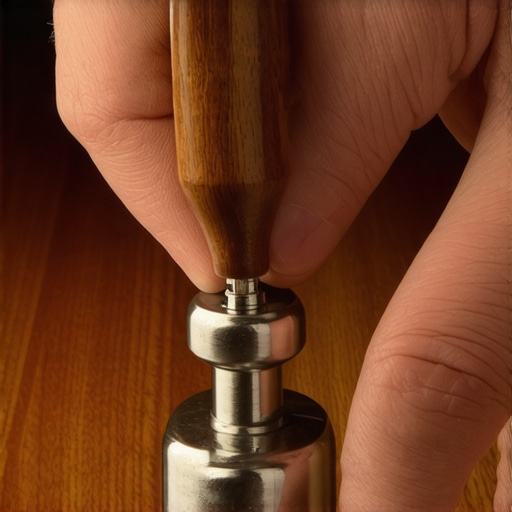
I vividly remember the moment it hit me—while I was forcefully pressing down on my tamper, my wrist suddenly shot with a sharp pain that made me freeze mid-press. It was a lightbulb moment: my relentless push for a perfect espresso was actually damaging me over time. I had been using a heavy tamper, thinking more pressure meant better extraction, but I was unknowingly wreaking havoc on my wrist in the process.
Why Your Heavy Tamper Is Actually Hurting Your Wrist
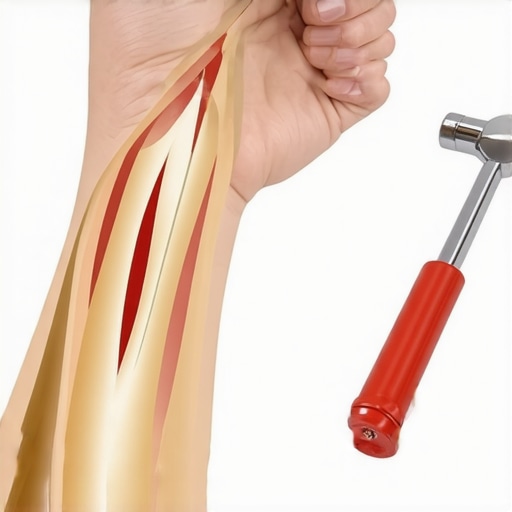
Many home baristas fall into the trap of thinking that a hefty tamper provides more control and better shot quality. But what if I told you that the weight you’re relying on could be the very reason you’re facing consistent wrist pain? The truth is, applying excessive force repeatedly can strain the small muscles and tendons in your wrist, leading to discomfort and even long-term injury. Early on, I made the mistake of believing that pressing harder was the secret to a great espresso, but I soon realized that technique matters more than brute strength. In fact, research shows that proper technique can produce excellent results without risking injury (source). Over time, I learned to readjust my approach, focusing on finesse rather than force, which made brewing more enjoyable and pain-free.
Is Heavy Tamper Hype Worth It or Just a Myth?
Chances are, you’ve heard that a weighted tamper or simply pressing harder guarantees a better espresso. I believed it myself—until I experienced the nagging wrist pain that made me reconsider. Early mistakes like ignoring proper grip techniques or relying solely on weight contributed to my discomfort. Trust me, technique beats brute force every time. If you’re wondering whether switching to a lighter, more ergonomic tamper or adopting better pressing habits will make a difference, the answer is an emphatic yes. Techniques such as applying even, gentle pressure and leveraging your body weight properly can yield professional-quality shots and save your joints from unnecessary strain. For tips on selecting gear suited to your style, check out [this guide](https://espressotechguide.com/choosing-the-best-barista-gear-for-coffee-enthusiasts). Now, let’s explore what you can do to protect your wrists while brewing those perfect cups.
Perfect Your Technique to Minimize Strain
Use Light, Even Pressure
Imagine pressing a button gently rather than smashing it. When tamping, apply steady, gentle pressure instead of forcing down with all your might. During my first try, I used quick, intense presses, which left my wrist aching. Instead, I adopted a slow, controlled motion—press down smoothly with a light touch, roughly 30 pounds of force. This technique distributes pressure evenly, reducing strain on your wrist muscles and tendons. Practice in front of a mirror to ensure consistent pressure and prevent sudden jerks.
Leverage Your Body Weight
Think of a door hinge: pushing with your entire body rather than just your arm requires less effort. Stand with your shoulders directly over the tamper, using your body weight to do the work. This way, your wrist remains relaxed, and the force transfers via your body rather than your joint. My breakthrough came when I started leaning into the tamper on each press, which made the process smoother and less painful. Use a sturdy tamper that sits comfortably in your hand to maximize leverage and minimize wrist movement.
Optimize Your Equipment for Comfort
Select Ergonomic Tamper Grip
Inspired by ergonomic tools, I switched to a tamper with a padded, contoured handle. This design reduces grip tension, letting my fingers and wrists rest naturally. If your current tamper causes discomfort, consider upgrading—look for models endorsed in the best barista gear guide. A well-designed grip minimizes unnecessary strain during prolonged use, making tamping less fatiguing and more precise.
Calibrate Your Grinder for Consistency
Uneven grind sizes force you to tamp harder to compensate, increasing wrist stress. Regularly calibrate your grinder at the optimal setting. I found that when I dialed in my grinder for a consistent, medium-fine grind, my tamping became easier, and my wrist pain diminished. Dull burrs or inconsistent grind sizes lead to extra force, so keep your grinder in top shape.
Refine Your Brewing Routine
Adjust Your Dose and Distribution
Even distribution of coffee grounds in the basket prevents uneven extraction, reducing the need for excessive tamp pressure. Use a distribution tool or the back-and-forth flick method to level the puck before tamping. I once hurried my tamp and noticed my espresso shot was uneven, causing me to push harder and strain my wrist. Taking a moment to distribute evenly made tamping easier and resulted in a cleaner shot.
Manage Your Water Temperature and Pressure
Consistent water pressure reduces the force needed during extraction. Regularly check your machine’s pressure and temperature settings, using a calibration guide. I learned that a properly pressureized machine allowed me to apply less force during tamping, making the process more comfortable and consistent.
Incorporate Proper Posture and Breaks
Maintain Good Station Ergonomics
Stand close to your machine with your elbows at a comfortable height to prevent wrist overextension. During my long brewing sessions, I would hunch over, increasing wrist strain. Adjusting my stance and elevating the machine slightly reduced my wrist load significantly.
Take Frequent Micro-Breaks
Just as runners benefit from stretching, frequent breaks during brewing can prevent overload. I pause for 10 seconds after every 10 shots, doing wrist circles or stretches. This simple habit keeps my joints loose, avoiding cumulative strain and fatigue.
Experiment and Adjust
Every hand and machine is different—trial and error are crucial. Keep a journal of your tamping pressure, distribution, and shot quality. Over time, you’ll discover the optimal combination that minimizes strain while maximizing flavor. Remember, technique trumps brute force every time, and small adjustments lead to big relief for your wrist.
Many enthusiasts believe that buying the latest espresso machine or a high-end grinder guarantees perfect coffee, but the real challenge lies in understanding the nuances most people overlook. A common misconception is that more expensive gear inherently produces better results. In reality, a tool’s performance depends heavily on proper calibration and technique, not just price. For instance, even top-tier machines can underperform if their settings aren’t correctly adjusted, which is where many amateurs go wrong. Additionally, there’s a prevalent myth that larger grinders always matter more—yet, a smaller, well-calibrated grinder often produces more consistent grounds, crucial for shot quality (source). The trap many fall into is believing that complex features in barista gear automatically translate to excellence. While advanced features can help, intuitive design and ergonomics often have a more significant impact on your daily routine. For instance, an ergonomic milk frother or grinder handle reduces fatigue and improves consistency, which novice users often underestimate (gear selection guide). Another hidden nuance involves the pretenses around milk frothing. Many assume that the frother’s power correlates directly with foam quality, but controlling temperature and milk type frequently creates better results than brute force. Use of poor-quality milk or neglecting the steaming technique can sabotage even the most expensive setup. Interestingly, advanced users know that the smallest adjustments—like a slightly higher water temperature or a finer grind—can dramatically improve shot consistency, aligning with research on brew parameter sensitivities (source). Touching on the concept of routine, many overlook the importance of maintaining their gear properly. Regular descaling, cleaning the shower screen, or replacing worn gaskets may seem trivial but are often the real keys to sustained performance. Neglecting these minor upkeep tasks becomes an insidious trap, causing subtle but impactful inconsistencies. Remember, mastery is built on understanding that every piece of equipment, from the espresso machine to your grinder and frother, contributes to the final cup—often in ways you didn’t expect. So, have you ever fallen into this trap? Let me know in the comments.
Tools for Long-Term Performance
Investing in quality equipment is just the beginning—maintaining it ensures your espresso setup keeps delivering excellent shots day after day. I personally rely on a few specialized tools to keep my gear in optimal condition. For instance, a conical burr cleaning brush is indispensable for removing coffee oils and grounds that can clog your grinder, leading to inconsistent grind sizes. Regularly using a premium cleaning pad for your espresso machine’s components prevents buildup and ensures smooth operation. These tools might seem minor, but their correct usage prolongs equipment lifespan and preserves flavor integrity.
It’s all about routine maintenance
Creating a maintenance schedule helps me stay on top of small tasks that prevent big problems later. For example, descaling my espresso machine every three months with a dedicated descaling solution keeps internal components working efficiently, avoiding temperature inconsistencies and pump strain. Changing water filters regularly is equally critical; a clogged filter not only hampers pressure but also introduces unwanted minerals that can stain your machine. Using color-coded tools and timers helps me stick to these routines without guesswork.
Choosing the right tools for your setup
If you own a high-end machine, investing in manufacturer-recommended cleaning kits is invaluable. They are formulated specifically for your equipment’s materials and tolerances, minimizing accidental damage. For grinders, using compressed air cleaning cans allows me to clear out stubborn dust from the burr chamber quickly. Additionally, a small water reservoir descaler helps maintain water quality over time, especially if you use untreated tap water.
Future of Maintenance and Upkeep
As technology advances, I predict that smart sensors and IoT-connected tools will play bigger roles in home espresso maintenance. Imagine receiving alerts on your smartphone when it’s time to descale or replace filters, and even having automated cleaning cycles guided by these sensors. For now, staying proactive with the right tools and routines ensures that your investment continues to pay off by delivering top-tier espresso flavor consistently.
How do I maintain my espresso gear over time?
Developing a dedicated maintenance routine tailored to your specific equipment and usage frequency is key. Regularly check and replace worn gaskets, tighten loose fittings, and clean your group head thoroughly. Incorporate weekly backflushes if your machine supports them, and always use manufacturer-approved cleaning products to avoid damage. These small but consistent actions prevent expensive repairs and keep your shots tasting their best. Try scheduling a 10-minute weekly review of your setup, and you’ll notice your equipment remaining reliable and your coffee tasting fantastic.
Remember, a well-maintained setup not only saves you money but also elevates your overall espresso experience. Don’t overlook those tiny maintenance tasks—embrace them, and you’ll enjoy long-term barista-quality results at home.
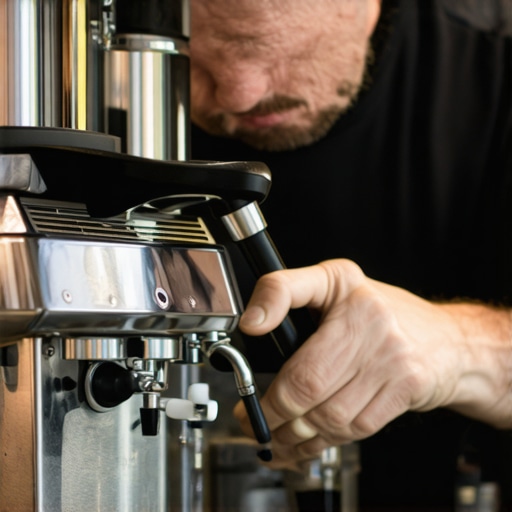
Lessons That Changed My Espresso Game Forever
- I’ve learned that technique truly outweighs brute force—gentle, even pressure prevents wrist strain while still producing rich shots.
- Understanding the importance of ergonomic gear, like a grip-friendly tamper, transformed my workflow from tiring to enjoyable.
- Regular maintenance, though tedious, became my secret weapon in staying consistent and avoiding injury over years of brewing.
- Focusing on smaller, precise adjustments rather than big force saves my wrists and elevates my espresso quality.
- Patience and routine cultivation have been the ultimate investments, turning home brewing into a relaxing ritual rather than a joint-ache chore.
Tools That Elevated My Home Espresso Journey
- Ergonomic tamper grips—the handle design made tamping less stressful and more consistent.
- Specialized cleaning brushes—keeping my grinder in top shape reduced effort and grind inconsistencies.
- Grinder calibration guides—fine-tuning my setup minimized the need to press harder during tamping.
- Comprehensive home barista guides—these provided the deeper insights that transformed my routine into a mindful practice.
Stay Inspired and Keep Going
Embracing the nuances of home espresso, from technique to maintenance, has turned brewing into a rewarding experience that respects my body’s limits. Remember, your journey to better coffee starts with awareness and gentle adjustments—small steps that ensure long-lasting enjoyment of your favorite brew. Keep experimenting, stay mindful of your body’s signals, and you’ll enjoy flavorful espresso without sacrificing your wrist health.
What has been your biggest breakthrough in making home espresso more comfortable? Share your story below—I’d love to learn from your experience!