The truth about using a paper clip to clear your filter basket
I remember the first time I tackled a stubborn, clogged filter basket on my espresso machine. Frustration boiled over as I hammered away with my usual cleaning tools, only to find that nothing seemed to penetrate the stubborn buildup. Then, in a moment of sheer desperation, I reached for something I never thought I’d consider—an ordinary paper clip. To my surprise, that tiny metal wire became my secret weapon, allowing me to clear out clogs in seconds.
But here’s the thing: I used to think that all cleaning routines were created equal. I believed that soaking, brushing, and rinsing were enough. Until I realized I was missing a crucial step—one that could save me time, frustration, and even parts replacements. That discovery led me down a rabbit hole of tips and tricks, many of which are surprisingly simple yet effective—like the humble paper clip.
Today, I want to share my experience and shed light on a common misconception about maintaining your espresso gear. You might have heard that using any metal tool could scratch your basket or cause damage. However, when used correctly, a paper clip can be a surprisingly safe and efficient option. Studies have shown that small, flexible metal tools can help dislodge stubborn coffee grounds and mineral deposits without harming your machine, provided you exercise care (source: CoffeeTech Magazine).
So, if you’re tired of fighting evolving clogs or worrying about damaging your equipment, stick around. I’ll guide you through the ins and outs of this simple hack and reveal how it might just become your new go-to cleaning method. Before we dive into the steps, let me ask—have you ever faced a clog that made you want to toss your machine out the window? If so, you’re not alone. Let’s explore a solution together that could prevent future headaches and keep your espresso game strong.
Prepare Your Workspace and Gather Tools
Before diving into cleaning, ensure your machine is turned off and cooled down to avoid burns or electrical hazards. Grab a sturdy, thin paper clip—preferably uncoiled—and a soft cloth. Having a small screwdriver or tweezers nearby can help with removing components if needed.
Access the Clogged Filter Basket
Remove the portafilter and locate the filter basket. To get a clear shot at the stubborn buildup, detach the basket from the portafilter. On some machines, this involves unscrewing the basket; consult your machine’s manual if unsure. The goal is to expose the holes where grounds and mineral deposits cause blockages.
Use the Paper Clip to Dislodge Residue
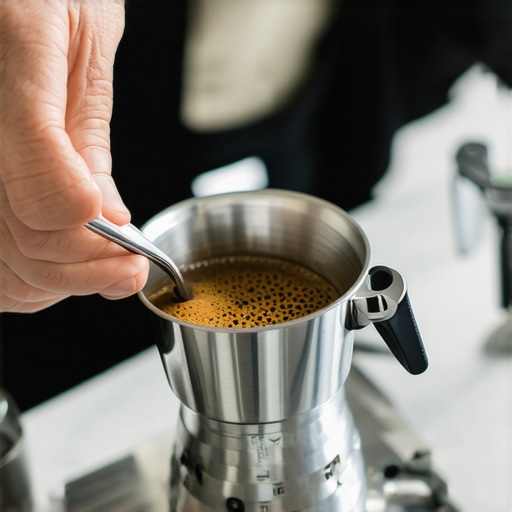
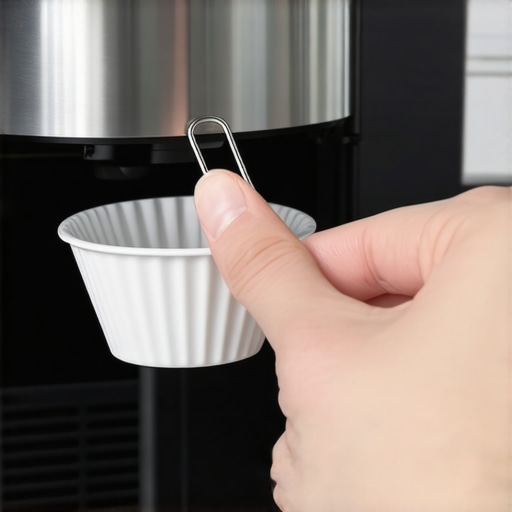
Gently insert the uncoiled tip of the paper clip into each hole of the filter basket, applying light pressure to dislodge stubborn grounds or mineral deposits—think of it as using a tiny crowbar to clear out a clogged drain. Remember, avoid using excessive force, which might deform or scratch the basket. I once spent five minutes carefully working through a particularly stubborn clog in my spare basket, and the difference was immediate—water flowed freely during the next brew cycle.
Nuance: Be Gentle with Delicate Parts
If you encounter resistance, stop and switch to a softer approach. For especially persistent deposits, soaking the basket in vinegar or descaling solution for 10-15 minutes can loosen mineral buildup before reattempting. Avoid using metal tools on coated or delicate baskets to prevent scratches or damage.
Rinse and Inspect
After clearing all holes, rinse the basket thoroughly with fresh water to remove any residual debris or vinegar. Visually inspect for any deformation or remaining blockages. If some holes still seem clogged, repeat the process or switch to a needle or pin for finer work.
Reassemble and Test
Reinstall the basket into the portafilter, ensuring it sits snugly. Run a blank shot—no coffee—to verify that water flows evenly through all openings. If the water sprays or still faces resistance, this indicates residual clogging or a deeper issue, possibly in the machine’s internal water pathways. For persistent problems, it might be worth exploring deeper cleaning [see this guide](https://espressotechguide.com/the-paper-clip-hack-for-clearing-a-clogged-basket-in-seconds) for more tips.
Additional Tips for Maintenance
Regularly descaling your machine helps prevent mineral buildup that could eventually clog the basket. For your grinder chute, using a magnet or the rubber band trick can keep grounds from accumulating excessively, making future cleanings easier. Remember, a clean machine not only improves taste but extends the lifespan of your gear.
By integrating simple tools like a paper clip into your routine, you can prevent small clogs from turning into major repairs. It’s a quick, inexpensive fix that keeps your espresso consistent and your mornings running smoothly.
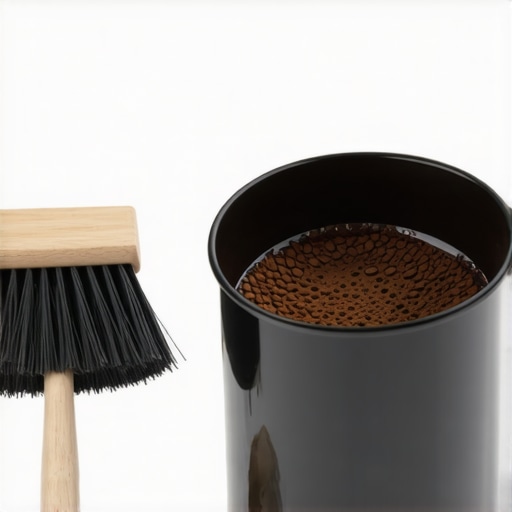
Many home baristas assume that all coffee machines and accessories are straightforward, but the truth is more nuanced. For example, a common misconception is that higher pressure always yields better espresso. In reality, pressure isn’t the sole factor—temperature stability and flow rate significantly influence extraction quality, as highlighted in a study by the Specialty Coffee Association. Relying solely on high pressure can lead to over-extraction and bitter flavors. Additionally, many believe that grinding finer always improves espresso—yet, overfilling the basket or using an excessively fine grind can cause channeling or pressure buildup, which hampers extraction and risks damage to the machine’s pump. Properly balancing grind size and dose is crucial; check out our guide on how to calibrate your grinder after replacing burrs to dial in your settings precisely.Maintaining your espresso setup isn’t just about quick fixes; it requires investing in the right tools and adopting consistent routines that keep your equipment performing at its best over years. One indispensable tool I rely on is a high-precision dial indicator. I use this to regularly check the tamping consistency of my puck—ensuring uniform pressure every time—which directly impacts shot quality and machine longevity. Coupled with a titanium-tipped cleaning brush, these tools help me perform detailed inspections and cleanings without risking damage to delicate parts.
Another essential aspect is software-based monitoring when possible. Modern espresso machines with embedded diagnostics can log performance metrics, alerting you to early signs of wear such as declining boiler pressure or rising temperature variance. Regularly reviewing these logs allows me to anticipate repairs before they cause disruptions, saving costs and downtime.
For routine cleaning, I swear by a descaling solution with a built-in pH indicator. This ensures I’m using the correct dilution ratio, which is critical for avoiding mineral buildup that can impair flow and flavor. Incorporating a slurry of ultrafine rice hulls during grinder maintenance also helps. The abrasive yet soft nature of rice hulls clears stubborn oily residues from burrs without risking dulling the blades—something I detailed in my post on grinder longevity.
Looking ahead, I predict a rise in smart cleaning devices equipped with app connectivity. These could automatically schedule maintenance reminders, log usage patterns, and even perform self-clean cycles—making long-term gear upkeep effortless. Manufacturers are already experimenting with IoT-enabled espresso machines that provide real-time diagnostics, a trend I believe will become standard.
What questions should you ask to keep your espresso machine functioning seamlessly over time? Well, how about: ‘How do I maintain optimal water quality and prevent scale buildup?’ Regularly testing water hardness and using filtration systems tailored to your local tap water conditions can dramatically reduce calcification. For example, installing a dedicated water softener or mobile filtration unit ensures consistent quality and prevents costly repairs.
If you’re ready to elevate your maintenance routine, try the advanced tip of integrating a titanium-tipped cleaning brush with your regular cleaning cycle. Not only does it remove stubborn residues more effectively, but it also minimizes wear on your machine’s interior parts. A simple upgrade like this can extend your gear’s lifespan significantly.
For further insights, check out the detailed guide on how to keep your grinder churning efficiently using tools like the rubber band hack—a simple yet effective method that enhances consistency and reduces static buildup—helping you maintain peak performance with minimal fuss. Keep your gear in excellent shape, and your espresso will thank you for it.
The Hardest Lesson I Learned About Espresso Gear
One of the toughest realizations was understanding that maintenance isn’t just about quick fixes but about cultivating a mindset of proactive care. I used to wait until things broke down before cleaning, but I found that regular, deliberate upkeep prevents most issues. Discovering how minor tweaks—like scheduling routine descaling or inspecting seals—can save you time and money was a game-changer. It taught me that patience and consistency in caring for my espresso gear translate directly into better-tasting coffee and longer machine life.
Tools That Changed How I Maintain My Setup
- Precision Grinder Calibration Tools: These have helped me fine-tune my grind settings after replacing burrs, ensuring optimal extraction. I trust them because they provide consistent measurements and help prevent wasted beans.
- High-Quality Cleaning Brushes: Using titanium-tipped brushes has improved my cleaning routine, removing grounds and residues without scratching delicate parts. They’re reliable and last longer, making my maintenance less of a chore.
- Smart Water Filtration Monitors: Monitoring my water quality has protected my boiler from scale buildup. I rely on these devices because they give real-time feedback and alert me to changes before issues arise.
- Comprehensive Espresso Diagnostics Apps: Some modern machines integrate with apps that log performance metrics, helping me catch early signs of wear—saving me costly repairs down the line.
Keep the Passion Alive: Your Espresso Journey Continues
Remember, your pursuit of perfect espresso is an ongoing adventure. Embracing meticulous maintenance and staying curious about new tools can elevate your brewing experience to new heights. Every time you care for your machine, you’re investing in countless delicious mornings ahead. Don’t forget, even simple hacks like the [paper clip method](https://espressotechguide.com/the-paper-clip-hack-for-clearing-a-clogged-basket-in-seconds) can make a big difference. So, what’s the next step you’re excited to try in your espresso routine? Share your thoughts below and keep brewing passionately!