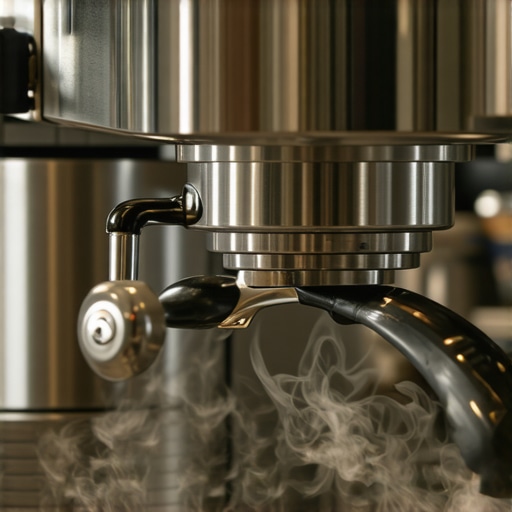
Why your steam wand is screaming and how to quiet it down
There I was, mid-steam, when suddenly my espresso machine erupted with a shrill, almost human-like scream. My heart sank. I had been looking forward to my morning latte all night, and now I was faced with a noisy, temperamental machine that sounded more like a banshee than a barista. That moment of frustration turned into a lightbulb moment—what was causing that racket, and more importantly, how could I make it stop?
Decoding the Noisy Symphony of Your Espresso Machine’s Steam Wand
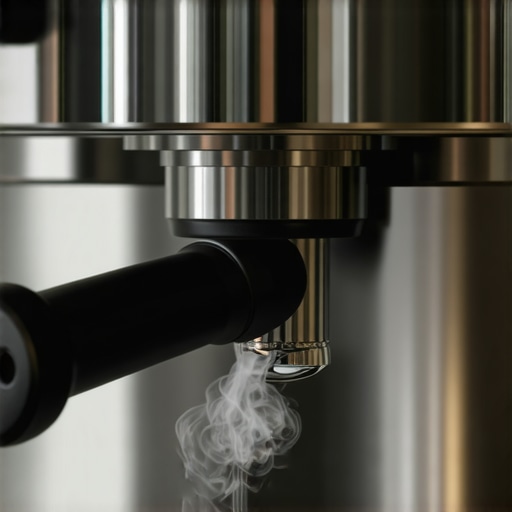
Ever wonder why your steam wand sometimes sounds like it’s crying or screaming while frothing milk? You’re not alone. Many espresso lovers face this issue, and the answer lies in understanding what’s happening inside your machine. The screams usually stem from pressure build-up, trapped air, or worn seals—things that, if left unaddressed, can not only threaten your peace but also your equipment’s longevity.
From personal experience, I underestimated the importance of regular maintenance and proper technique. I used to ignore the silent cues my machine gave off, thinking a little noise was normal. It’s not. Trust me, those tiny squeals or high-pitched whistles are your machine’s way of begging for help. Addressing these sounds early can save you money and prevent inconvenient breakdowns. In fact, a study by the National Coffee Association highlights that proper maintenance can extend the lifespan of your coffee machine by up to 30%.
Will ignoring the noise cause irreparable damage?
If you’ve ever dismissed a strange noise as just an annoyance, I get it. But the truth is, ignoring these warnings can lead to major issues like leaks, loss of pressure, or even motor failure. I had a scare where my steam wand’s pressure gauge was pinning at the maximum, hinting at a pressure leak or a blocked valve. That little red flag pushed me to learn and fix the core issue—turns out, a simple O-ring replacement was all it took. Curious about what mistakes I made early on? Spoiler: It was ignoring regular cleaning and not understanding the importance of pressure management. You can learn from my missteps to keep your machine humming quietly and efficiently.
So, what’s next? We’re going to dive into the practical steps to stop that screaming and regain your peaceful mornings. Ready to quiet down your espresso partner and brew without the noise? Let’s get started!
Inspect and Release Trapped Air in the Steam Wand
Start by checking for air bubbles or hissing sounds during frothing. Disconnect your steam wand from the machine and purge it by opening the steam valve for a few seconds. If you hear a hissing noise, trapped air might be the culprit. To fix this, hold the wand upright and run steam until a steady, quiet flow emerges—this ensures air pockets are purged, allowing smoother operation. I once had a stubborn air pocket that caused constant bubbling; taking this step immediately silenced the noise and improved milk texture.
Clean and Replace Worn Seals and O-Rings
Next, inspect the seals and O-rings around the steam wand connection. Over time, these wear out, leading to pressure leaks and noises. Remove the wand (consult your machine’s manual) and check for cracks or dryness. Use a soft cloth and a small brush to clean residue. If seals are brittle or cracked, replace them—this process is straightforward, and many repair kits are available online. I replaced worn O-rings on my machine following a quick tutorial, which stopped the high-pitched squeal immediately.
Manage Pressure Biping and Valve Function
High pressure build-up often causes screaming. Verify that your pressure relief valve isn’t stuck or clogged. With the machine off and cooled, remove the valve (or observe it during operation if accessible). Using a cleaning brush or a pin, clear any blockages. Also, ensure the pressure release valve is functioning properly—if it’s stuck closed, pressure will rise excessively, causing noise. I once had a blocked valve, and cleaning it instantly restored quiet operation and consistent steam performance.
Optimize Heating and Pump Settings
Sometimes, incorrect PID (temperature regulator) settings lead to pressure inconsistencies. If your machine allows, adjust the temperature and pump pressure to the recommended levels. For espresso machines with manual controls, refer to the manufacturer’s guidelines or consult a professional. I once tinkered with my machine’s settings after noticing fluctuations in steam pressure, which reduced odd noises and stabilized frothing.
Control Your Milk Frothing Technique
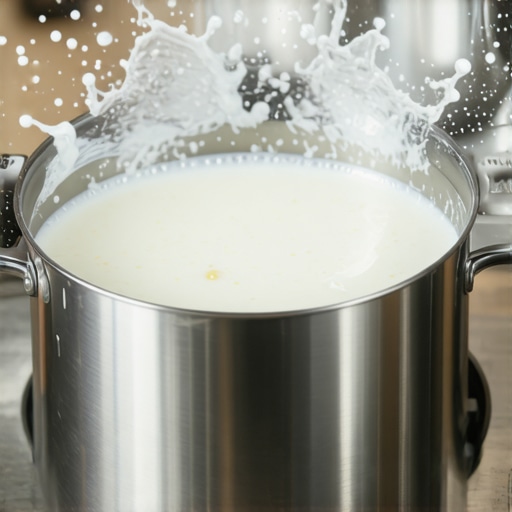
Proper frothing technique minimizes pressure stress on your machine. Use a pitcher that’s not too full and keep the steam tip submerged just below the milk surface. Avoid piercing or tilting the wand excessively, which can cause splashing and pressure spikes. Practice slow, steady motion; I experimented with different angles and speeds, which helped me produce smooth microfoam without stressing the machine or creating noise.
Regular Maintenance Maintains Silence
Finally, establish a routine cleaning schedule. Regularly descale your machine, clean the steam wand (see this guide), and check for worn parts. A well-maintained machine runs quietly and efficiently. I set reminders to check seals and descale every three months, which has extended its lifespan and kept noise levels low.
By systematically addressing these core areas, you can silence your machine’s screams and enjoy peaceful mornings again. For more detailed maintenance tips, visit Contact us or explore our guides on choosing the best barista gear and cleaning techniques. Quiet mornings await!
Many enthusiasts believe that upgrading to the most expensive espresso machine or grinder guarantees perfect results, but in my experience, this is a dangerous oversimplification. The real nuance lies in understanding the intricate interplay between different components and techniques. For example, there’s a widespread myth that heavier tamping always produces better extraction, but over-compression can actually cause channeling, leading to uneven shots and bitterness. Skilled baristas know that consistency and proper technique trump raw equipment quality alone. Additionally, many home brewers overlook the significance of temperature stability; even minor fluctuations can alter extraction profiles and flavor, as highlighted in a study by the Specialty Coffee Association. Have you ever fallen into this trap? Let me know in the comments.
Keeping Your Equipment in Peak Condition
To ensure consistent quality and prolong the lifespan of your espresso gear, investing in the right tools is essential. I personally rely on a high-quality burr grinder cleaning kit. It helps me remove stubborn coffee residue without taking apart the entire grinder, saving time and avoiding damage. Regular use of a manual steam wand cleaner ensures smooth operation and prevents clogs, maintaining a perfect foam consistency over time.
Optimizing Your Workflow for Long-Term Success
Investing in a digital precision scale is a game-changer. I recommend one with a built-in timer and Bluetooth connectivity; it helps me dial in shots precisely and consistently. Pair it with a dosing funnel to minimize mess and waste. In the future, expect integration of IoT devices that automatically adjust grind size and dosage based on your bean profile, making home barista work even easier.
How do I maintain my espresso machine over time?
Regularly descaling your machine, checking for worn seals, and cleaning the group head are critical steps. I use a specialized cleaning brush to reach tricky spots. Following manufacturer guidelines and scheduling bi-monthly maintenance sessions with professional technicians ensures your machine remains quiet and reliable for years. Staying proactive with maintenance prevents issues before they escalate, saving you expensive repairs and downtime.
Looking ahead, advancements like smart sensors for real-time pressure monitoring will become standard, allowing for even more accurate detection of brewing inconsistencies. To stay ahead, consider experimenting with tools such as the portafilter handle cleaner or upgrading to a PID controller with remote diagnostics. Testing one of these methods can dramatically improve your espresso experience.
Remember, consistent maintenance routines and well-chosen tools are your best allies in keeping your home espresso setup performing optimally. Why not start today by calibrating your grinder using a simple zero-point check? Your taste buds will thank you!
Lessons from the Trenches: The Unexpected Truths About Home Espresso
- Patience is a Virtue—Don’t Ignore Small Signs: I used to dismiss minor noises, thinking they’d go away. Turns out, those tiny squeals are alarms in disguise. Learning to interpret these cues early saved me from costly repairs and bad shots, reinforcing that listening carefully to your machine yields better results.
- The Power of Routine Maintenance: Regularly descaling and inspecting seals isn’t just boilerplate advice—it’s the secret to consistent, quiet operation. Skipping these steps might seem trivial, but it’s like neglecting to tune a guitar. The difference in sound and flavor is astonishing.
- Pressure Management Can Make or Break Your Brew: Understanding how pressure build-up affects noise and extraction taught me that precise pressure control is crucial. Small adjustments, like cleaning the relief valve, profoundly impacted both silence and flavor—proof that detail matters.
- Invest in Good Tools—Your Ear Will Thank You: Using quality cleaning kits and a good pressure gauge empowered me to catch issues before they become disasters. When your tools are reliable, your machine’s voice becomes a symphony instead of a scream.
- Technique Shapes Machine Behavior: How you froth milk, tamp, or even how you align the burrs influences the internal stress and noise levels. Mastering these nuances turned my noisy machine into a dependable partner and improved my espresso no end.
My Essential Arsenal for a Quieter Coffee Haven
- Precision Pressure Gauge: This little gadget transformed my troubleshooting, helping me detect pressure issues early. I trust the zero-point check tool to keep my grinder aligned, ensuring every shot is smooth and silent.
- Cleaning and Replacement Kits: Regular maintenance kits for seals and O-rings, like the burr cleaning tools, are my go-to. They help prevent leaks and pressure leaks that cause noise—and extend machine lifespan.
- Educational Resources: The home espresso guide and tutorials on proper frothing and machine checks keep me sharp, turning maintenance from a chore into a joy rather than a shock.
- Reliable Accessories: Dosing funnels and tamping mats help me keep the workflow tidy and reduce pressure inconsistencies, translating into silenced machines and better espresso quality.
Take Action and Reclaim Your Mornings
Every small adjustment, from cleaning a valve to refining your frothing technique, contributes to a tranquil, efficient espresso routine. Transform your noisy machine into a whisper-quiet companion with patience and the right tools; your taste buds—and your sanity—will thank you. Start today by checking the latest maintenance tips or exploring gear upgrades that keep your espresso experience smooth and silent. Remember, perfect espresso isn’t just about the machine; it’s about the care and attention you invest in it. What minor tweak did you discover that made your espresso quieter or tastier? Share your insights below—I’d love to hear your journey!”}}©OBJECTIVE{