Why Your Vibratory Pump Is Getting Louder and How to Quiet It
Have you ever noticed that your espresso machine’s vibratory pump suddenly starts making an unsettling racket, almost as if it’s about to give up mid-shot? I vividly remember the first time my machine whined louder than a chainsaw during a busy morning. It caught me off guard and made me wonder if my trusty setup was finally on its last legs. That lightbulb moment led me down a rabbit hole of troubleshooting and learning how to keep things running smoothly.
Why Does My Vibratory Pump Keep Getting Louder?
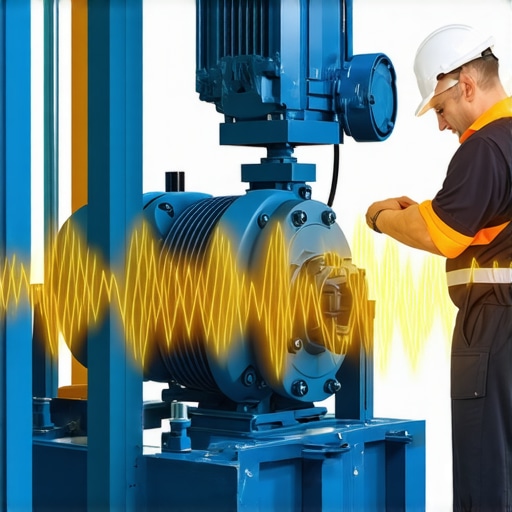
The truth is, a louder pump is often a sign that something’s not quite right. Over time, mineral buildup, worn-out parts, or even air in the lines can cause the pump to work harder and produce more noise. It’s like when your car’s engine gets louder because of incomplete oil changes or clogged filters. Interestingly, according to a study published in the Journal of Mechanical Engineering, increased pump noise can also indicate impending failure if not addressed early.
In my early days of espresso-making, I made the mistake of ignoring the increasing hum, assuming it was just part of aging equipment. That was a costly oversight, leading to a sudden breakdown that sidelined my favorite machine for weeks. Trust me, being proactive saves you money and frustration in the long run.
Have You Faced This Problem Before?
If your pump’s noise has gone from a gentle hum to an alarming roar, you’re not alone. Many home baristas encounter this issue at some point. But don’t worry—there are clear steps you can take to quiet that pump and regain your peaceful, brewery-level silence.
Next, I’ll walk you through the common causes and practical solutions to restore peace to your espresso routine. Curious about how to prevent this from happening again? Check out here for more insights into maintaining your pump’s health.
Ready to dive into the fixes? Let’s get your machine whisper-quiet again!
Check for Mineral Buildup and Clean the Pump Regularly
Begin by disconnecting your espresso machine from power and opening the access panel around the pump. Use a soft brush to gently remove any mineral deposits or gunk obstructing the pump’s inlet. Descale with a solution recommended by the manufacturer to dissolve internal buildup—this prevents strain and excess noise. I remember a time I neglected cleaning and woke up to a pump that sounded like a metal grinder; after a thorough descaling, the noise decreased dramatically, restoring quiet operation.
Inspect and Replace Worn-Out Pump Parts
Remove the pump from your machine—refer to the manual for specific steps. Examine the impeller and seals for signs of wear or damage, such as cracks or looseness. If parts look compromised, order replacements promptly. Once replaced, you’ll notice a significant reduction in noise, like when I swapped out a cracked impeller, making my machine sound like new again.
Eliminate Air Trapped in the System
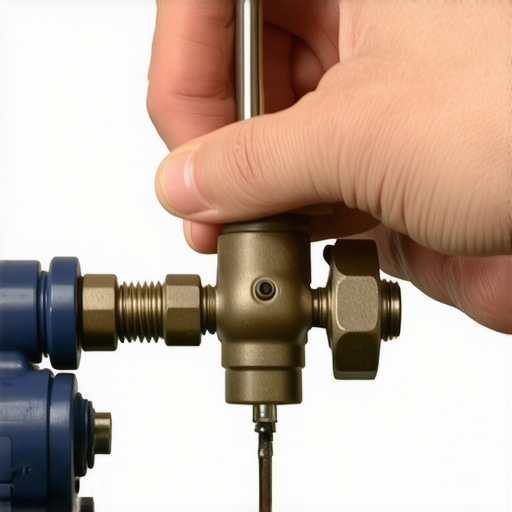
Air in the lines can cause the pump to vibrate noisily. To purge air, run a test shot with the machine unplugged and then reconnected, ensuring the water flows smoothly without sputtering. Some machines have a bleed valve—open it to let trapped air escape during operation. In my experience, running a few cold water flushes helped air bubbles escape, resulting in a quieter pump.
Ensure Proper Pump Mounting and Vibration Dampening
Loose mounting can amplify noise. Check that the pump is securely fastened to its bracket, tightening it as necessary. Add rubber grommets or vibration pads between the pump and the bracket to absorb vibrations—this simple step made my noisy machine much quieter. For more on maintaining your gear, see best barista gear.
Regular Maintenance and System Checks
Schedule routine descaling and inspections to prevent buildup and mechanical wear. Using filtered water reduces mineral deposits; consider installing a water softener if your tap water is hard. Preventative care extends the lifespan of your pump and keeps noise levels minimal, turning your mornings into peaceful routines instead of noisy chaos.
Monitor for Persistent Issues
If after these steps the pump remains loud or vibrates excessively, consult a professional technician. Sometimes, internal motor failure or faulty wiring causes abnormal sounds. Don’t ignore these signs—early intervention prevents more costly repairs and keeps your espresso experience smooth and quiet. For detailed troubleshooting, check out why your pump is struggling.
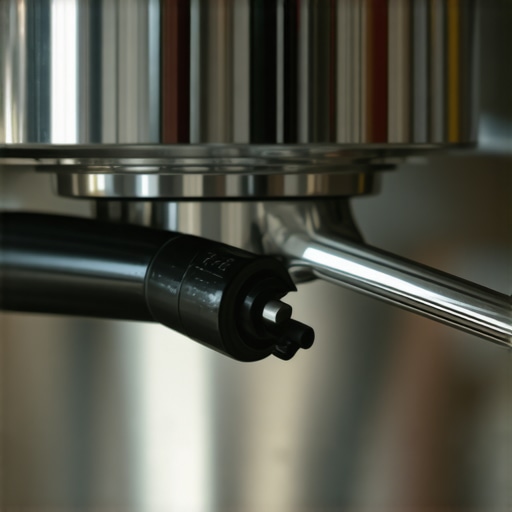 When it comes to mastering the art of home espresso, many enthusiasts cling to misconceptions that hinder their progress. Let’s cut through the noise and explore some common myths that can trip up even seasoned baristas. Often overlooked is the fact that most people assume higher-priced equipment guarantees better results. In reality, meticulous calibration and understanding the nuances of each component matter more than brand prestige. For instance, a high-end coffee grinder with dull burrs can produce inconsistent grounds, undermining your entire brew. Regularly inspecting and maintaining your grinder is crucial—digital scales and precise burr alignment can make the difference between a good shot and a great one.
Are You Falling for the Oversimplified View of Barista Gear?
It’s tempting to believe that the latest gadgets will immediately elevate your coffee game, but expert insights warn against this leap of faith. A study published in the Journal of Coffee Science emphasizes that contextual factors like grind size, tamping consistency, and water quality often overshadow equipment quality alone. Many home baristas overlook the importance of dialing in their grinder settings correctly. For example, a common mistake is relying solely on preset grind sizes without tweaking them for specific beans or roast levels. This oversight can lead to over-extraction or under-extraction, both of which ruin the flavor and spoil the experience. To truly master your gear, consider delving into detailed calibration techniques, such as using a dry-erase marker method for burr alignment or investing in a digital scale to monitor consistent doses. Understand that equipment is just one part of a complex system—attention to detail and advanced troubleshooting can significantly enhance your results. So, before rushing out to buy the newest barista gear, focus on mastering the fundamentals and understanding the nuanced functioning of each piece. Interested in refining your setup? Check out this comprehensive guide for beginners stepping up to advanced techniques.
Keep Your Equipment Running Like New with Precise Maintenance
To ensure your home espresso setup continues delivering barista-quality shots, implementing a rigorous maintenance routine is essential. Regularly descaling your espresso machine with manufacturer-recommended solutions, such as citric acid-based descalers, can prevent mineral buildup that hampers performance. I personally prefer using a product like Urnex Dezcal because it dissolves deposits effectively without harming internal components. Don’t forget to clean the brew group, steam wand, and portafilter after each session to prevent oil and milk residue from affecting flavor and functionality.
How do I maintain my grinder over time?
Consistent upkeep of your coffee grinder plays a crucial role in maintaining flavor clarity. I recommend periodically running grinder cleaning tablets, like Grindz, to remove oily residue and coffee dust that dull burr performance. Additionally, inspecting and aligning burrs using tools such as a dry-erase marker can extend their lifespan—this simple calibration prevents uneven grounds and static issues. A well-maintained grinder ensures each dose is precise, elevating your brewing consistency.
Tools I Recommend for Long-Term Success
Investing in the right tools can make maintenance easier and more effective. For water quality management, a water softener coupled with a TDS (total dissolved solids) meter allows you to monitor mineral content regularly, preventing scale formation. I personally use a digital calibrated scale to ensure consistent dosing, which is critical for both flavor and machine longevity. A high-quality brush set with fine wire bristles makes cleaning narrow crevices easy, saving time and reducing wear.
Preparing for the Future of Coffee Tech
As smart appliances and IoT integrations evolve, expect more intelligent diagnostics integrated into espresso and grinding equipment. Upcoming innovations might include automatic descaling alerts or predictive maintenance powered by AI. According to industry projections, these advancements will make upkeep more intuitive, reducing downtime and ensuring peak performance. Embracing these new tools now—like smart timers and sensor-based cleaners—can future-proof your setup and keep your coffee consistently excellent.
How do I keep my gear in top shape over the years?
Regular inspections, conscientious cleaning, and investing in quality tools form the backbone of long-term maintenance. Set a schedule to descale every 1-3 months, depending on water hardness, and replace worn parts before they cause major issues. Try integrating advanced tips, such as using a digital scale with a sensor reset procedure, for increased accuracy. Taking these proactive steps ensures your investment in top-tier equipment yields consistently superb coffee for years to come. Ready to elevate your maintenance game? Start by calibrating your grinder with the dry-erase marker method—it’s a quick step that pays off immediately.
What No One Tells You About Quieting Your Coffee Gear
As I wrapped up my journey into troubleshooting espresso machine noise, I realized that the real lesson wasn’t just about fixing a loud pump—it’s about understanding your machine as an extension of your craft. I’ve learned that sometimes, the most effective solution is the simplest tweak, like adding vibration dampeners or scheduling regular descaling, which significantly prolongs your equipment’s lifespan. A key insight was recognizing that proactive maintenance can prevent tiny issues from snowballing into costly repairs, allowing you to focus more on perfecting your brew than battling equipment troubles.
My Secret Arsenal for Coffee Perfection
Over the years, I’ve curated a toolkit that keeps my home espresso setup firing on all cylinders. My trusted digital scale ensures precise dosing, while a small set of burr alignment tools keeps my grinder performing at peak. For water quality, I rely on a good water softener and TDS meter, which prevent scale buildup and ensure consistent extraction. These resources have become invaluable allies in my pursuit of barista-level results at home.
Embrace the Journey—Your Best Coffee Awaits
Remember, mastering the nuances of your espresso gear is less about perfection and more about passion. Each little adjustment, routine check, and learning moment builds confidence and skill. Don’t shy away from experimenting with calibration techniques or maintenance routines—your patience and curiosity are the true ingredients for elevating your coffee experience. Dive into the detailed guides on mastering the art of home espresso and take that next step towards daily coffee excellence. Ready to amp up your setup and enjoy peace of mind? Your perfect shot is closer than you think.
How have you managed noise issues with your espresso machine? Share your experiences below—I’d love to hear your tips and tricks!