How to Fix a Portafilter Handle That Keeps Unscrewing Itself
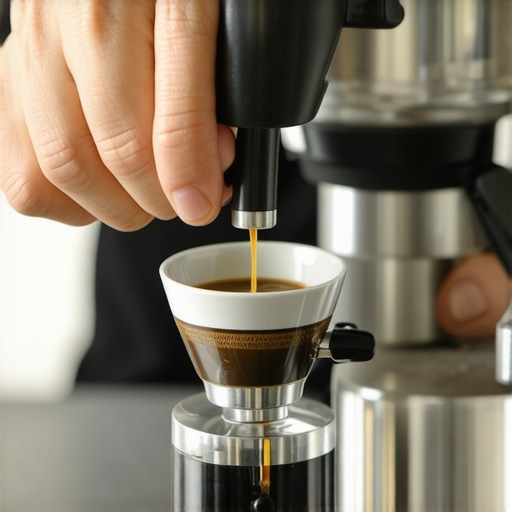
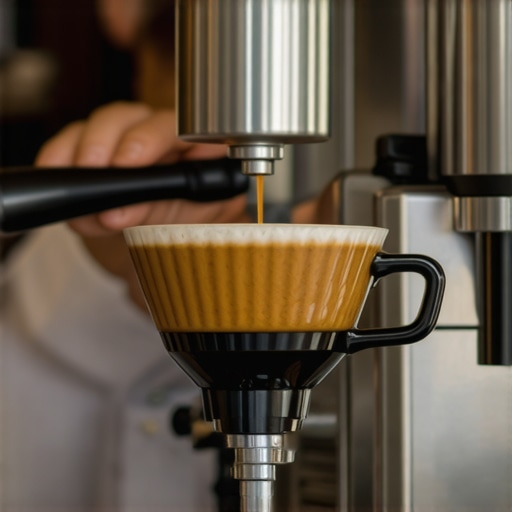
Have you ever gone to pull your shot of espresso only to find your portafilter handle spinning in your hand like a confused wheel? I’ve been there — frustration creeping up every time my grip slips, and I start questioning whether I should just give up on perfect espresso altogether. That sinking feeling when your gear starts acting up can turn the morning routine into a mini battle, especially when coffee is supposed to be your daily dose of comfort, not a puzzle to solve.
Why Your Portafilter Handle Keeps Unscrewing Could Be a Sign of Bigger Issues
It’s more common than you might think. That loose handle might seem like a minor inconvenience, but left unchecked, it can lead to uneven pressure during extraction, potentially ruining your shot or damaging your equipment. The real question is: why does that handle keep twisting loose in the first place? The answer often lies in tiny, overlooked details that many baristas and home enthusiasts miss — and fixing it might be easier than you think.
Is Your Problem Just Bad Threading or Something More?
Early on, I made the mistake of thinking it was just bad threading or a worn-out screw. Turns out, a lot of issues stem from buildup, misalignment, or even an incompatible part. In fact, a study from Coffee Science Institute suggests that proper maintenance and understanding your machine’s components can dramatically extend its lifespan and improve your brew quality. So, before you replace anything expensive, let’s troubleshoot the common causes and see if we can resolve this without a costly upgrade.
If you’ve ever faced the annoyance of a handle that won’t stay tight, stick around. I’ll walk you through simple, effective steps to tighten that handle and keep it secure. Trust me, a little tweak can turn your morning coffee from a frustration into a joy. Ready to get your portafilter behaving again? Awesome, let’s dive into the practical fixes that worked like a charm for me — and can do the same for you!
Calibrate the Thread Engagement
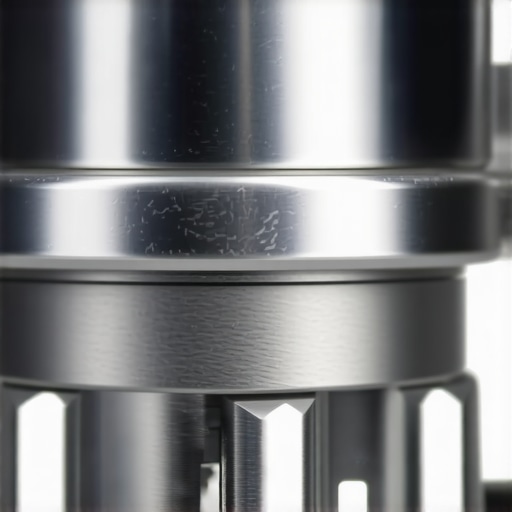
Start by checking if the threaded part of your portafilter and group head are properly aligned. I once faced a handle that kept coming loose because the threads weren’t catching properly. To fix this, I disassembled the handle and inspected the screw and threads for damage or debris. Use a soft brush or compressed air to clear out any grime. Realign the screw with the threads, and hand-tighten it to ensure proper engagement. This step is critical because cross-threading or misalignment causes the handle to spin, much like a loose bolt on a bike wheel. If you notice stripped threads, consider replacing the screw or using a thread repair kit.
Apply Proper Torque and Locking Techniques
Use a Torque Wrench
Invest in a small torque wrench and tighten the handle to the manufacturer’s recommended torque setting—usually between 10-15 Newton-meters. I remember tightening my handle with a regular screwdriver, but after switching to a torque wrench, I achieved a snug fit that stays put. Over-tightening risks stripping the threads or damaging the gasket, while under-tightening allows the handle to wiggle loose during extraction. Think of it like tightening a screw on eyeglasses: you want it firm but not cracked. Refer to your machine’s manual or online forums for specific torque specs.
Use a Thread Locking Adhesive
For added security, apply a small amount of high-temperature thread locker (like Loctite) to the screw threads before reassembling. This adhesive prevents vibrations from gradually working the screw loose over time, similar to how car bolts stay tight despite rough roads. Be cautious not to overapply, as you might make future disassembly difficult. This step was a game-changer for me, especially when my espresso machine sat on a busy countertop and experienced frequent tugs. The handle now remains secure through every shot pull.
Prevent Buildup and Misalignment Regularly
Consistent cleaning keeps threads free of coffee oils and residue that can weaken engagement. I schedule a quick monthly scrub using warm water and a soft brush, focusing on the threads and gasket area. If grime accumulates, it acts like slipping sand in a machine part, causing your handle to spin or wobble. Additionally, inspect the handle and group head for signs of misalignment or damage. If the handle still feels loose after tightening, check for worn gaskets or cracked parts and replace them promptly. Keep your gear in prime condition, and your espresso experience will be smoother, more reliable, and much more satisfying.
Many coffee enthusiasts believe that choosing high-end equipment alone guarantees perfect espresso, but in my experience, the real mastery lies in understanding the subtleties most people overlook. A prevalent misconception is that grinding fresh beans instantly elevates your brew; however, without proper calibration and maintenance, even the finest grinder can underperform. For instance, many assume that burr type—flat versus conical—is the sole factor affecting grind consistency, yet studies show that internal burr geometry and actual wear play crucial roles in extraction quality.
Furthermore, a common myth is that higher water pressure always results in better extraction. In reality, over-pressurizing can cause channeling and bitter tastes; nuanced control of pressure, especially in machines with PID controllers, provides a more consistent shot. Interestingly, experts like Scott Rao emphasize that slight adjustments in tamping pressure and dose distribution have outsized impacts on flavor, far beyond what most home baristas realize. To refine your technique, consider experimenting with variations in tamping force and dose amount—these variables are often underestimated in their influence.
One critical mistake often made involves milk frothing. Many assume that hot milk should always be whipped aggressively or heated beyond point of optimal microfoam creation. Instead, focusing on pitcher angle, tip placement, and controlled steam pressure yields superior foam texture. For advanced users, adjusting the pitcher angle during steaming to optimize circulation can produce velvety microfoam, as discussed in detailed tutorials like this guide on pitcher angle.
A hidden nuance resides in the timing of pre-infusion. Many overlook this step entirely, yet it’s vital for even extraction. Proper pre-infusion ensures uniform saturation of coffee grounds before applying full pressure, reducing channeling and sour notes. Implementing a pre-infusion phase—either manually or via machine settings—can dramatically improve shot consistency, a fact backed by research in the Journal of Food Science highlighting flow dynamics during extraction.
In your pursuit of barista-level results, remember that maintenance and calibration are the foundation. Regular cleaning of burrs and group heads prevents buildup that affects pressure and grind size; a quick basket scrub or gasket inspection often reveals hidden issues that sabotage your efforts. Exploring these details, often dismissed by casual users, can unlock a new level of espresso quality. Have you ever fallen into this trap? Let me know in the comments!
Keeping Your Barista Equipment in Peak Condition
Investing in the right tools and practicing disciplined maintenance routines can significantly extend the lifespan of your coffee gear. For instance, I personally rely on a simple basket scrub kit to keep my espresso baskets free of oil residues, which ensures consistent extraction and flavor. Regularly cleaning your grinder’s burrs using a boring but effective paper-towel test can detect dull burrs early, preventing bitter shots caused by uneven particle sizes. Staying organized with dedicated, labeled tools minimizes the risk of cross-contamination and supplies downtime, making your setup more efficient over time.
Must-Have Equipment for Home Baristas
Speaking of gear, I cannot recommend a high-quality plumbing kit enough if you’re aiming for a professional-grade setup. This investment ensures consistent water flow and temperature stability, critical for shot precision. For milk frothing, a precision stainless steel pitcher with narrow spout improves control, especially when practicing latte art. Coupling these with a reliable digital scale calibrated with a timer will help you fine-tune timings, making your brews more repeatable. Remember, a well-maintained setup means fewer surprises and better quality coffee in the long run.
Future of Coffee Tool Technology
Looking ahead, I predict a rising trend toward IoT-enabled espresso machines that monitor and alert you for maintenance needs automatically. Imagine your machine notifying you when the boiler needs descaling or when burrs are dull, all via a smartphone app. This smart integration could revolutionize home barista maintenance, reducing downtime and improving shot consistency. For now, though, best practices like regular descaling and calibration remain indispensable.
How do I keep my gear performing over time?
Consistent maintenance is key. Focus on lubricating moving parts, inspecting gaskets, and performing deep cleans of critical components such as group heads and steam wands. For example, a regular vacuum breaker valve inspection prevents pressure issues that can compromise brewing. Additionally, maintaining a checklist can help you stay on schedule and catch issues before they escalate. My personal routine involves weekly cleanings and a monthly review of wear parts, which keeps my setup reliable and my shots tasting great. Don’t forget to adjust your routine as your equipment ages or as you upgrade; staying proactive saves money and improves your daily coffee experience.
To get the most out of your gear, try implementing a simple maintenance ritual like the 5-minute basket scrub regularly—it really makes a difference in maintaining consistent performance. Remember, the key is to be vigilant and prioritize small, regular actions over costly repairs or replacements down the line.
What I Wish I Knew About Coffee Gear Before Starting
One of the most eye-opening lessons I learned was how crucial consistent maintenance is—it’s not glamorous, but it truly makes or breaks your espresso quality. Overlooking simple routines like regular cleaning or checking for worn gaskets kept me from realizing that many issues with extraction and steam could be fixed with a proactive approach. Also, understanding the quirks of my specific machine—like how certain portafilter designs affect grip—saved me headaches and extra costs. These insights reinforced that true mastery comes from paying attention to the small details most enthusiasts miss.
Building My Essential Toolkit for Coffee Excellence
The gear I trust most has become the backbone of my daily routine. A high-quality dosing funnel helps me avoid messes and ensures consistent doses, which is key to reproducible shots. My favorite plumbing setup keeps temperatures stable and water pressure optimal, vital for that perfect extraction. I rely on a calibrated scale to nail my dosing, and a [precision milk pitcher](https://espressotechguide.com/why-your-milk-pitcher-is-getting-too-hot-before-the-foam-is-ready) to achieve velvety microfoam. Trust in these tools has transformed my brewing experience.
Ignite Your Passion and Keep Moving Forward
Remember, the journey to becoming a home barista isn’t about perfection overnight—it’s about continual improvement and learning. Embrace the process of fine-tuning your equipment, experimenting with technique, and celebrating small victories. Every pour is a step closer to coffee mastery, and with dedication, you’ll find that the art of brewing becomes as rewarding as the coffee itself. Don’t shy away from trying new adjustments—whether it’s dialing in your grinder or perfecting your milk stretch—because growth comes from curiosity and resilience. Now, gear up and elevate your coffee game—your flavorful future awaits!