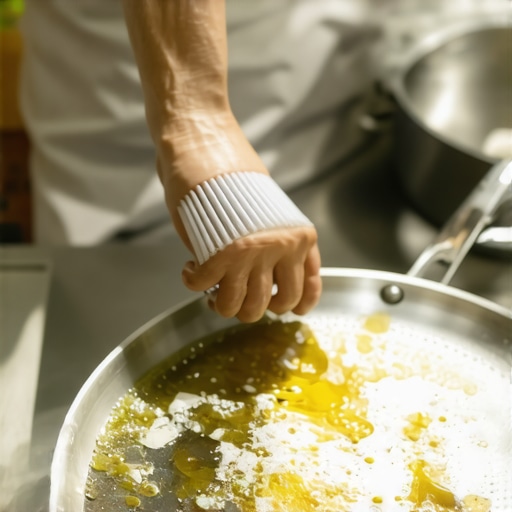
The 5-Minute Basket Scrub That Removes Rancid Oil Build-Up
Ever stared at your espresso machine and wondered why your shots sometimes taste off—like they have a lingering, sour note? I’ve been there, fumbling with my home setup, only to realize that the culprit was invisible: rancid oil build-up in the basket and parts I ignored. One morning, after a particularly bad shot, I decided enough was enough. That’s when I stumbled upon a simple, game-changing trick—an easy 5-minute basket scrub—that completely transformed my brew. Today, I want to share this quick hack with you because if your espresso isn’t shining, this might be the missing piece.
Say Goodbye to Rancid Oil and Hello to Pure, Fresh Flavor
In the world of home baristas, little issues can cause big flavor problems. Rancid oil buildup inside the filter basket and on the brewing components can introduce stale, sour notes that ruin an otherwise perfect shot. The tricky part? Most people overlook cleaning these parts regularly, thinking a quick rinse will suffice. But oils from previous pulls accumulate and begin to flavor your coffee negatively.
What’s even more frustrating is that this buildup isn’t always visible—it’s microscopic, yet impactful. Over time, it can cause clogged channels and inconsistent extraction, meaning your espresso might taste flat or even burnt. If you’re noticing odd tastes or your shots aren’t as vibrant as they used to be, chances are high the oil accumulation is the villain.
Here’s the good news: a simple, routine basket scrub—taking just five minutes—can eradicate this problem, restoring your shots’ clarity and flavor.
But before we dive into the step-by-step, I want to address a common skepticism.
Is a Basket Scrub Really That Effective or Just Another Tip?
I get it. It sounds almost too simple to make a real difference. Early in my journey, I made the mistake of dismissing quick cleaning routines, thinking they were unnecessary or ineffective. The truth is, neglecting these small steps can have compounded effects, especially with oils and coffee residue. Regular cleaning, including this quick basket scrub, not only prolongs your machine’s lifespan but also guarantees every cup tastes as fresh as the first.
Supporting this, experts emphasize that routine maintenance tackles flavor-changing buildup before it can impact taste. A small investment of time yields big rewards in your espresso quality.
So, if you’ve faced dull or off-flavored shots—even after dialing in your grind or temperature—this simple scrub might be your secret weapon. Ready to take five minutes and refresh your setup? Let’s go through the easy steps that will keep those oils at bay and your taste buds happy.
Get Ready to Clean: Gather Your Supplies and Prepare
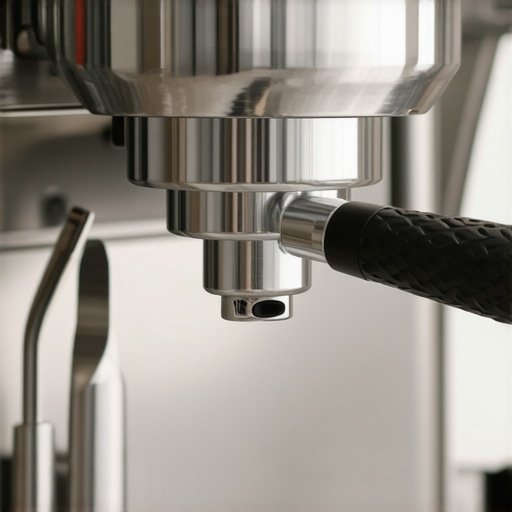
Before starting, gather a few tools: a soft-bristled brush or old toothbrush, a microfiber cloth, a small cup of hot water, and a mild espresso machine cleaning solution or a mixture of equal parts water and white vinegar. Turn off and unplug your machine, then remove the basket from the portafilter, setting aside any used coffee grounds and residuals. I remember once accidentally knocking over a cup of water while prepping—taking your time prevents slips and spills, ensuring a cleaner process.
Remove Debris and Pre-Rinse Thoroughly
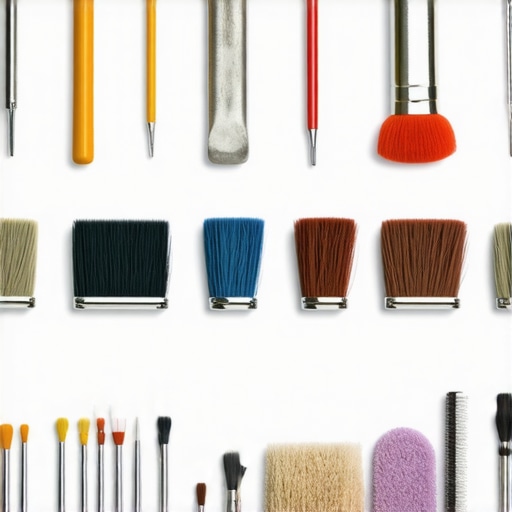
Begin by brushing out any loose coffee grounds or oil residue from the basket and surrounding parts with the brush. Rinse the basket under hot water, gently scrubbing to loosen stubborn oils. Think of it as cleaning a paintbrush after a knot of dried paint—initial rinses remove surface grime, making the actual scrub more effective. For extra stubborn buildup, soak the basket in a solution for five minutes, then scrub again.
Apply the Cleaning Solution Precisely
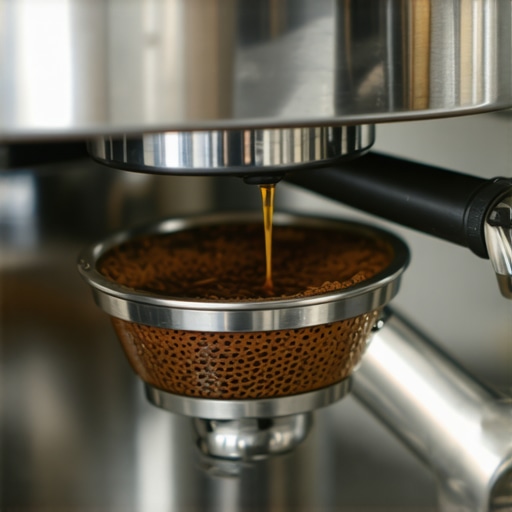
Dip your brush into the cleaning mixture and scrub inside the basket, paying special attention to any clogged holes or channels—these are the main hiding spots for rancid oils. Regarding channels: imagine them as tiny pathways, similar to city streets, that can get blocked with debris. Clear these pathways to ensure proper extraction. Avoid using harsh chemicals or abrasive scrubbers that could damage the metal or coating.
Deep Clean with a Vinegar or Commercial Cleaner
If your basket has persistent oil buildup, soak it in a vinegar solution for 5-10 minutes to dissolve residues. After soaking, scrub again with the brush, focusing on the problem areas. Then, rinse thoroughly with hot water to remove any lingering vinegar smell, which can affect flavor if left behind.
Dry and Reassemble to Finish Up
Pat the basket dry with a microfiber cloth, ensuring no residual moisture remains, which could promote mold or rust. As a micro-story, I once hurried through this step and forgot to dry my basket, leading to a slight rust spot that took weeks to fix. Once dry, reinstall the basket into the portafilter and prepare for your next shot. This quick routine will eliminate the microscopic oils that cause sour flavors, restoring your espresso’s clarity.
The Moment I Tried This Trick
One morning, I was frustrated with my shots tasting dull. I quickly scrubbed and soaked the basket, and the clarity of flavor post-cleaning was striking. That simple routine transformed my espresso experience overnight—proof that consistent, targeted cleaning pays off. Regular maintenance like this extends beyond the basket; consider [stopping grinder jams](https://espressotechguide.com/stop-grinder-jamming-3-fixes-for-smart-burrs-in-2026) to keep your entire setup running smoothly. Rapid, effective cleaning routines like this ensure every espresso shot is at its best, free from hidden rancid oils.Many home baristas believe that choosing the most expensive grinder guarantees perfect espresso, but in reality, understanding the nuanced differences between burr types, such as multi-modal burrs versus flat burrs, can significantly impact your results. For instance, some assume all burrs crush light roasts equally well, but multi-modal burrs are better suited to extract nuanced flavors from light roasts, avoiding muddiness and bitterness. Additionally, there’s a common myth that larger grinders always produce better grounds; however, professional espresso makers recognize that high RPM grinders can cause static and uneven grinding if not properly maintained or calibrated, leading to inconsistent shots.
When it comes to milk frothers, many assume that “more foam” equals “better latte.” But the truth is, achieving silky microfoam requires precise control over steam pressure and nozzle design—an area where some stock frothers fall short. For example, improving steam wand technique can dramatically enhance foam quality, especially with alternative milks like hemp or soy. Meanwhile, some seasoned enthusiasts overlook the importance of pre-heating equipment or the right tamping pressure, leading to shot inconsistencies. In fact, applying uneven tamping or neglecting warm-up procedures can cause thermal shocks or uneven extraction, which affects flavor and crema.
A crucial yet overlooked mistake involves misjudging the importance of routine cleaning, especially when using vibrant or flavored coffees. Oils and residues build up in the grinder burrs and espresso machine components, subtly degrading flavor over time. Contrast that with the misconception that cleaning can wait until visible buildup appears—regular maintenance, informed by expert advice, keeps your gear performing at its best. For instance, an overlooked cause of sourness or flat shots may stem from pumped residue buildup in the rotary pump. Maintaining your gear with targeted approaches, like proper descaling routines and belt inspections, is essential.
Now, for a more advanced question—why does recalibrating your grinder often improve extraction consistency far more than upgrading to a pricier machine? The answer lies in the delicate interplay between grind size, distribution, and freshness of beans. Even minor adjustments to your grinder’s settings can rectify subtle inconsistencies that previously masked your skill as a barista. According to studies by industry experts, grinder calibration directly influences shot clarity, flavor balance, and crema quality.
In the end, recognizing that many misconceptions about barista gear are rooted in surface-level assumptions allows you to develop a more nuanced, effective approach. Equipping yourself with detailed knowledge—like understanding burr geometries, steam dynamics, and maintenance rituals—sets the foundation for excellent espresso every time. Have you ever fallen into this trap? Let me know in the comments, and share your experiences so we can all improve together.Maintaining your coffee gear is crucial for consistently achieving top-tier espresso shots. One of my go-to tools is the smart burr cleaner, which I use monthly to prevent grinder jams and static issues. This device, combined with a precise torque wrench, helps me recalibrate my grinder settings, ensuring uniform grind size and extraction.
Beyond cleaning tools, integrating software like Claris or CafePro aids in tracking shot consistency and identifying subtle deviations. I personally rely on Claris because its real-time data feedback helps me fine-tune grind and pressure, especially when working with delicate light roasts. As espresso trends evolve, I predict that smart sensors will become even more integrated into equipment, providing actionable insights and automating routine calibrations.
How do I maintain my equipment over time?
Regular descaling, especially in hard water areas, extends the lifespan of boilers and reduces scale buildup that can cause uneven heating or flavor issues. I implement a weekly flushing routine using descaling solutions designed specifically for my machine model, making sure to follow manufacturer guidelines to avoid damage.
Cleaning internal components such as the boiler, group head, and steam wand is equally vital. I use the vacuum breaker regularly, especially when noticing inconsistent steam flow or pressure drops. Additionally, replacing worn-out seals and gaskets every 6 to 12 months prevents leaks and maintains optimal pressure. It’s a small investment that yields significant improvements in shot and foam quality.
Investing in quality tools isn’t just about immediate performance; it’s about establishing a sustainable routine that protects your gear and enhances flavor over time. For grinders, I swear by ceramic burrs for their durability and consistency, especially when paired with proper calibration. Ensuring your milk frother is clean and free from milk residue also keeps it operating smoothly and prevents off-flavors.
Looking ahead, the integration of AI-driven maintenance notifications will likely become standard, guiding you to service your equipment exactly when needed—saving money and preventing breakdowns. Until then, I recommend scheduling routine check-ups and keeping your cleaning supplies well-stocked.
Don’t overlook these maintenance steps. Try implementing a weekly descaling routine combined with quarterly internal cleanings, and watch your espresso quality soar. Proper upkeep not only guarantees better flavor but also prolongs your equipment’s lifespan, making every coffee experience worth the effort.
The Surprising Lessons From My Coffee Journey
One of the most valuable lessons I learned was that small, consistent habits trump expensive gear. The secret wasn’t in upgrading my machine but in paying attention to the details—like cleaning those tiny oil spots that ruin my shot. I once thought a quick rinse was enough until I realized those invisible residues accumulate, leading to sour flavors and uneven extraction. That lightbulb moment made me realize that mastery is all about the little things.
Another insight was that relying solely on fancy equipment can blind you to fundamental issues. For example, I used to chase the perfect espresso by changing beans or grinders, but neglecting proper cleaning routine—like that five-minute basket scrub—kept me from reaching my goal. Once I incorporated this habit, every shot became more vibrant, richer, and truly enjoyable.
It also became clear that understanding your gear’s quirks—like how a well-calibrated grinder can outperform a costly machine—makes a night-and-day difference. Getting familiar with tools like multi-modal burrs or adjusting for static issues assures consistent results, no matter the beans or the weather. This deeper knowledge transformed my approach from guesswork to confidence.
Lastly, patience and curiosity are your best allies. I learned to listen to my machine’s subtle signals—like unusual noises or temperature fluctuations—and address them proactively. Regular maintenance, like descaling or replacing worn parts, isn’t glamorous but keeps the process smooth and the flavors pure. Over time, these habits built a foundation that elevates everyday coffee into an art form.
My Go-To Tools That Keep Me Smiling
Some tools have become my kitchen companions, making the work seamless. For starters, the smart burr cleaner prevents static and jamming, ensuring my grinder runs smoothly. To keep my machine in top shape, I rely on a quality descaling solution routine that dramatically reduces buildup and prolongs component life.
I’ve also found that investing in a calibrated grinder with proper burrs and a clean steam wand setup produces better foam without the fluff. Keeping my equipment in shape is as vital as choosing the right beans—it’s the seamless synergy that results in those perfect shots.
For guidance, books like The Home Barista’s Guide have opened my eyes to nuance and technique I never appreciated before. And staying connected with online communities gave me immediate feedback and support, transforming my experimentations into everyday successes.
Your Next Chapter Starts Now
Every morning presents a new opportunity to refine your craft. Whether it’s embracing the magic of that quick basket scrub or understanding your grinder’s behavior, small steps accumulate into mastery. The world of home espresso is rich with possibilities—so take the leap, learn, experiment, and enjoy the journey.
What’s the one cleaning or maintenance habit you’ve been neglecting? Drop your experiences below—I’d love to hear and help you perfect your espresso game!