Why a Thicker Tamper Base Isn’t Always Better for Basket Extraction
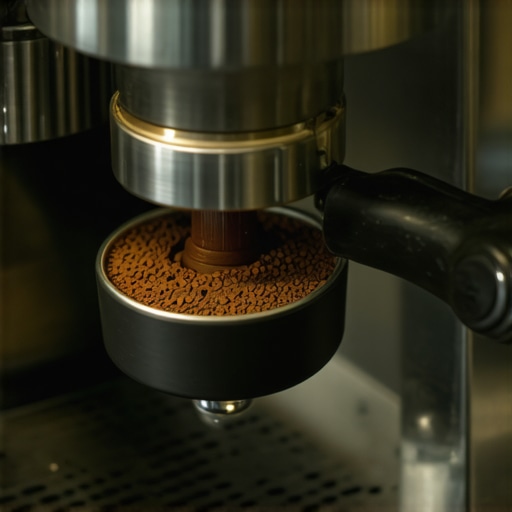
Last week, I was battling with my espresso shot, battling the bitter taste and inconsistent crema. I had recently upgraded to a thicker tamper base, thinking it would solve my tamping woes and improve extraction. But instead, my shots became more uneven, and I couldn’t get that smooth, balanced flavor I was after. It was a frustrating lightbulb moment—sometimes, bigger isn’t better. The very upgrade I thought would enhance my brewing routine ended up undermining it.
The Hidden Pitfalls of Overly Thick Tamper Bases
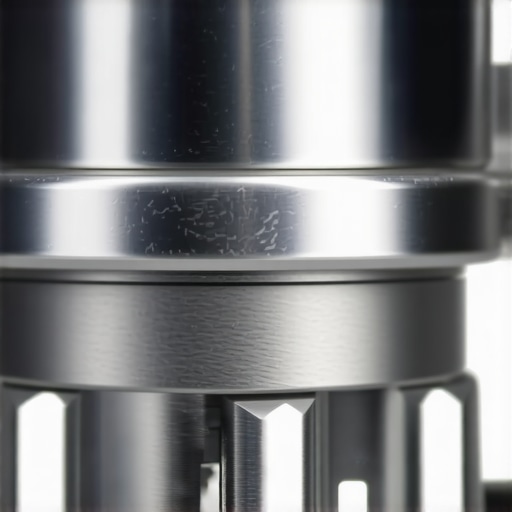
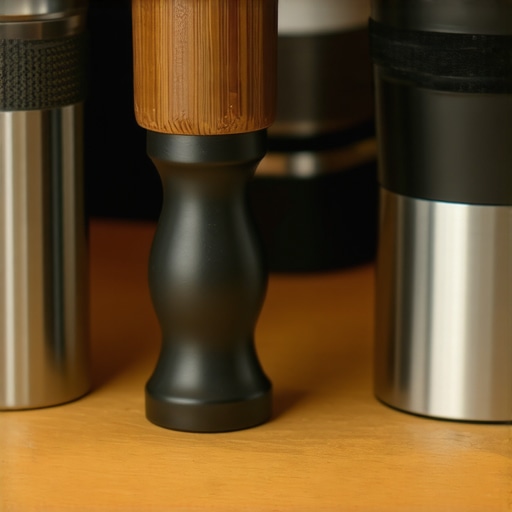
In my journey as a home barista, I’ve learned that equipment isn’t always a one-size-fits-all affair. When I first experimented with a thicker tamper base, I believed it would provide more uniform pressure, leading to better extraction. However, I overlooked how the tamping process interacts intricately with the basket’s geometry and coffee bed. An overly thick tamper can actually hinder proper compaction, causing channels or uneven flows that ruin the extraction. This mistake—assuming that a larger base equals better tamping—cost me plenty of espresso and valuable learning moments. Interestingly, a 2025 study noted that improper tamping pressure distribution can impact flavor extraction more than grind size or dose (source: related article).
Is Bigger Always Better for Your Tamper?
If you’ve ever wondered whether increasing your tamper size is a good idea, you’re not alone. Many newcomers believe that a larger tamping surface guarantees better pressure and extraction. But the truth is, the effectiveness of tamping depends on proper weight, technique, and matching your basket size. A larger tamp doesn’t automatically mean a better shot—in fact, it might introduce more variables that can compromise consistency.
Early in my process, I made the mistake of buying a hefty tamper to tackle uneven tamping. Instead, I realized I was applying inconsistent pressure and damaging my presentation. Sometimes, simplicity is key. Upgrading your gear is good, but understanding how it fits into your specific setup makes all the difference. If you’re struggling with inconsistent shots or off-flavor extraction, it might be worth examining your tamper size and technique. And if you need personalized advice, don’t hesitate to reach out.
Now, let’s examine how to find the right size and technique that work seamlessly with your espresso machine and basket. The next section will guide you through the practical steps to optimize your tamping approach, ensuring each shot is as delicious as it should be.
,
Measure Your Coffee Dose Precisely
Start by using a digital scale to weigh your coffee grounds before tamping. For an 18-20 gram dose, aim for within 0.1 grams of your target weight. I remember once, I quickly eyeballed my grind and ended up with a 16-gram shot, which caused a weak extraction. Weighing ensures consistency and sets a solid foundation for tamping.
Distribute Grounds Evenly in the Basket
Before tamping, gently shake or tap your portafilter to distribute the coffee evenly. Use a distribution tool or your finger to level the grounds, preventing channeling. During my first attempts, uneven grounds led to uneven extraction, tasting sour or bitter. Proper distribution minimizes this risk and results in more balanced shots.
Position the Tamper Correctly
Match Tamper Size to Basket
Choose a tamper with a diameter that fits snugly into your basket without excess space—typically within 0.2mm. Using a tamper that’s too small causes uneven pressure, while too large can damage the basket’s edges. I learned this the hard way when trying a 58mm tamper on a basket designed for 57mm—causing inconsistent puck density.
Apply Consistent Pressure
Hold the tamper like a baseball bat, with a relaxed grip, and press straight down with steady, even pressure—aim for about 30 pounds of force. A common mistake is pressing too hard or unevenly, which can cause over-compaction or uneven density. I used a bathroom scale during practice to calibrate my force, which dramatically improved shot consistency.
Use ‘The Pivot Method’ for Level Tamping
Position the tamper centrally, then press straight down without twisting. Think of it like closing a door: you press directly inward, avoiding side pressure that can create gaps. After several tries, I found that visual cues of the puck surface helped me gauge even tamping—hitting the sweet spot of uniform density without overdoing it.
Polish the Puck Post-Tamp
After tamping, give the tamper a slight twist to smooth the surface, ensuring a flat, even puck. This minor step reduces the chance of water bypassing uneven areas. Once, skipping this step caused channeling and bitter shots; now, it’s a habit that guarantees better extraction.
Check for Proper Seal and No Movement
Insert the portafilter into the machine and gently wiggle it to confirm a tight seal. If it’s loose, water can leak or cause uneven pressure. I noticed a leak once after a hurried tamp—which was remedied by re-checking the fit and adjusting tamp pressure. Ensuring the portafilter is securely locked provides consistent pressure during extraction.
Regularly Calibrate Your Technique
Set aside time weekly to review and adjust your tamping process. Use your scale, practice with different grounds, and observe shot qualities. I found that small tweaks, like changing my tamping angle or grip, led to significant improvements over time. Consistency is key—each step should become second nature to produce café-quality shots at home.
Many coffee enthusiasts believe that selecting the latest espresso machine or a high-end milligram grinder guarantees barista-quality results. However, the reality is far more nuanced. One common misconception is that more expensive equipment always produces better coffee, but even premium machines can fall prey to user errors or overlook subtle details that hold the key to perfect extraction. For instance, calibrating your grinder’s grind size and ensuring uniform tamping often outweigh the purchase of a top-tier machine. According to expert analyses, mastering the interaction between grind consistency and tamp pressure has a more significant impact on shot quality than the equipment’s brand or price point (source).
What is the most overlooked aspect of home espresso that can sabotage your results?
One critical but frequently underestimated detail is the importance of regular maintenance and calibration. Many home baristas neglect to clean or calibrate their equipment consistently, leading to gradual performance degradation. Coffee oils and mineral deposits can subtly affect flow rate and temperature stability, causing inconsistent shots and off-flavors. A common ‘oops’ is ignoring scale buildup in boilers, which can lead to temperature fluctuations and pressure drops—hidden issues that compromise extraction. Proper descaling and routine internal cleaning are essential; neglecting these can undermine even the best setup (study on scale effects).
Another misconception revolves around milk frothing. Many believe that investing in an expensive frother automatically guarantees silky microfoam. In reality, technique, pitcher angle, and steam wand positioning are just as vital. The secret lies in controlling milk temperature and airflow—something even high-end frothers cannot compensate for if technique is flawed. For detailed guidance, check out this guide.
Advanced users often struggle with minimal but impactful issues like uneven grind distribution or inconsistent tamping pressures, which can cause channeling and uneven extraction. These fine-tuned nuances make or break a shot, proving that expertise is less about buying new gear and more about understanding and controlling the variables. Remember, even marginal improvements in calibration can elevate your espresso from average to outstanding.
So, before upgrading to the newest machine or fanciest grinder, reflect on your current routine. Are you maintaining your equipment diligently? Are you paying attention to calibration and technique? These hidden yet crucial factors hold the real power to enhance your home coffee experience. Want personalized advice tailored to your setup? Feel free to reach out. Have you ever fallen into this trap? Let me know in the comments.
,
Keeping It Running: Tools I Trust
Maintaining a high level of espresso quality at home demands more than just selecting the right machine; it requires precision tools that uphold consistency and allow for fine-tuning. Personally, I’ve found that a high-quality coffee grinder with stepless adjustments is invaluable. My favorite is the Baratza Forte BG, primarily because it offers meticulous grind size control essential for dialing in extraction and minimizing channeling. Regular calibration with a digital scale ensures that my dose stays precise, and I can monitor shot weights closely, which is a game changer for consistency.
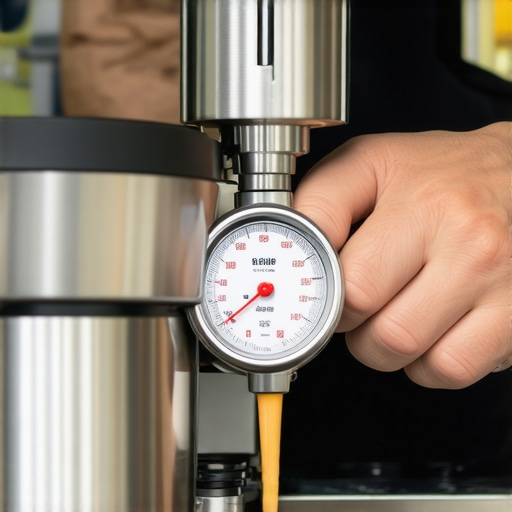
Another tool I recommend is a dosing funnel magnet. It keeps the funnel stable during grinding, reducing spills and uneven dosing—a subtle but impactful upgrade. For tamper calibration, I use a force gauge to ensure I apply consistent tamping pressure, typically around 30 pounds. This attention to detail correlates strongly with shot quality.
Implementing Long-Term Maintenance for Peak Performance
Investing in routine upkeep extends the lifespan of your gear and guarantees sustained excellence. Regular cleaning of your group head and grinder burrs prevents oil buildup and ensures uniform flow. I schedule bi-weekly descaling sessions, especially if I use hard water, which can cause scale accumulation in boiler components. Following a strict maintenance routine not only preserves flavor clarity but also minimizes unexpected breakdowns. For optimal results, I use a specialized grinder brush to clean burrs and chute areas thoroughly, which is often overlooked.
How do I keep my tools performing flawlessly over time?
The key is consistency. Establish a weekly maintenance checklist that includes cleaning, calibration, and inspections. For equipment like milk frothers, replacing worn-out gaskets and steam tips prevents contamination and ensures optimal steam quality. Additionally, storing your gear properly—away from humidity and dust—extends its functional lifespan. Embracing predictive maintenance, like monitoring pump performance patterns, helps you address issues before they escalate.
Scaling Up Your Setup
As your skills grow, so does the need for upgraded tools that support larger volumes or more intricate techniques. Moving to a commercial-grade grinder or machine can be tempting, but the true secret is to refine your routine with the tools you already possess. The trend in 2025 points toward smarter maintenance solutions—like IoT-enabled sensors that monitor machine parameters—allowing baristas to perform proactive maintenance. Until then, diligent manual care remains effective. Don’t forget, the foundation of everything is proper calibration and routine checks, which ensure each shot is a masterpiece. Want a dedicated guide? Check out these beginner tips and start elevating your home espresso today.
To really elevate your routine, try setting up a simple monthly calibration process using your force gauge and scale. This small step can dramatically improve your shot consistency and long-term machine health. Curious about more advanced maintenance? Feel free to reach out for personalized advice and keep your gear humming like a pro. Remember, staying on top of maintenance doesn’t just preserve your equipment—it unlocks the full potential of every bean and shot you craft.
What No One Tells You About Consistent Espresso Shots
One of the most overlooked lessons I learned was that even the slightest deviation in tamping pressure or angle can drastically alter your espresso’s flavor. I used to think that tamping was just a pressure step, but I realized that the way I approached it—staying centered, applying even force, and maintaining a steady hand—made all the difference. Small habits, like checking my puck surface and verifying my tamp force periodically, have transformed my approach from guesswork to precision. These insights weren’t found in generic guides—they came from real-world experimentation and attentive observation.
My Top Picks for Elevating Your Home Barista Game
Over the years, I’ve curated a set of tools that have truly improved my espresso routine. The precision grinder with stepless adjustment helps me dial in grind size seamlessly, ensuring consistency shot after shot. The digital scale allows me to weigh my coffee dose precisely, eliminating variability. For tamping, I rely on a force gauge to calibrate my tamping pressure, building muscle memory over time. These tools have been game-changers in delivering café-quality espresso at home.
Find Joy in the Routine and Keep the Passion Alive
As with any craft, maintaining enthusiasm requires curiosity and continuous learning. Every shot I pull is an opportunity to improve and experiment—whether that’s adjusting the grind, perfecting my tamp, or trying a new bean origin. Remember, excellence in home espresso isn’t about perfection overnight but about enjoyment in the journey. Celebrate your progress, share your experiences, and don’t hesitate to seek personalized advice—visit here whenever you’re ready to elevate your skills. Your next great espresso is just a tamp away!