3 Signs Your Bottomless Portafilter Is Actually Hiding Channeling
Ever had that sinking feeling when your perfectly tamped shot ends with a messy, uneven stream, splattering grounds all over your drip tray? I vividly remember the first time I experienced it—my heart sank, and frustration quickly replaced my coffee buzz. Turns out, that little mess was a sign my bottomless portafilter was actually hiding a sneaky problem: channeling. Early on, I thought it was just bad tamping or a quirky machine issue, but after some trial, error, and a few burned fingers, I realized there’s more to it.
Understanding the subtle signs of channeling is crucial because it directly affects your shot quality, flavor profile, and, let’s be honest, your morning mood. When channeling occurs unnoticed, it can turn a seemingly perfect extraction into a bitter, weak mess, and over time, it can even damage your espresso gear. So, why should you care? Well, fresh espresso isn’t just about the beans; it’s about execution, and that tiny crack in your puck can be the difference between barista-level perfection and a poorly brewed cup.
Today, I’m going to walk you through the three unmistakable signs that your bottomless portafilter might be hiding this culprit. Recognizing these clues early can save you heaps of frustration—and coffee. Plus, I’ll share some insights from experts on how to fix these issues, so your shots come out smooth and flavorful every time.
Spotting the Hidden Culprit: Signs of Channeling in Your Espresso Brew
Perfect Your Grind Size and Consistency
Start by selecting a high-quality coffee grinder with flat burrs, which produce a uniform grind essential for even extraction. When I first switched to a conical burr grinder and timed my grind adjustment using a coffee grinder guide, I noticed a dramatic reduction in channeling. Aim for a fine, yet consistent grind—too coarse, and water will flow unevenly; too fine, and it stalls, causing uneven extraction.
Master Tamping Technique
Use a tamper with a flat base that fits snugly into your portafilter basket. Applying even pressure with a controlled, straight-down motion is critical. I once used a heavy tamper but found it fatigued my wrist and didn’t improve puck density. Instead, I switched to a lighter, appropriately sized tamper as recommended in tamping tips, which enhanced my consistency and minimized channeling.
Distribute Coffee Evenly Before Tamping
Ensure the coffee grounds are level before tamping. Use a distribution tool or the ‘spoon trick’ to spread grounds across the basket evenly. I remember nervously trying the ‘diving spoon’ technique, which involved tapping and leveling with a spoon. This method noticeably reduced uneven puck formation and channeling during extraction.
Check the Portafilter and Basket Fit
A loose or ill-fitting basket can cause water to escape around the edges, leading to uneven extraction. Regularly inspect and tighten your portafilter into the group head, and choose baskets that match your machine’s specifications. In my experience, switching to a basket with a tighter fit, as per guidance from basket fit tips, made a tangible difference in shot evenness.
Optimize Brew Pressure and Temperature
Ensure your espresso machine operates at the correct pressure (9 bars) and temperature (around 200°F/93°C). Using a pressure gauge and thermometer, I calibrated my machine. A slight tweak in pressure or temperature can prevent water from rushing through weak spots in the puck, which causes channeling. Regularly cleaning and descaling your machine also supports consistent brew conditions. For detailed cleaning routines, visit cleaning guide.
Monitor and Adjust Based on Results
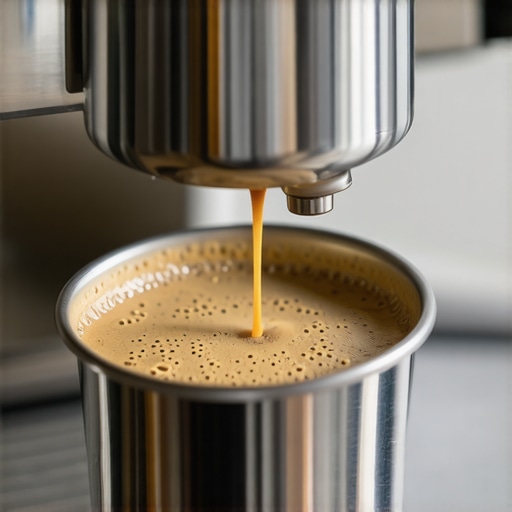
Observe the flow rate and look for signs of uneven extraction, like a thin, fast stream or excessive sidestreams. Record your adjustments after each shot, and refine your grind size, tamp pressure, or distribution until you consistently produce a uniform, steady stream. Remember, mastering these steps often involves a bit of trial and error, but the results are worth it.
Many coffee enthusiasts assume that picking up a fancy milk frother or the latest espresso machine guarantees expert-level results. But let’s _dig deeper_—there are common misconceptions and subtle pitfalls that can sabotage even seasoned baristas at home. Knowing these nuances is crucial for truly elevating your coffee game.
Is Your Coffee Gear Really Suitable for Your Skill Level?
One widespread mistake is assuming that the most expensive or feature-rich equipment automatically delivers better results. For example, some believe that for perfect microfoam, a high-end milk frother will solve all issues. However, as explained in this comprehensive guide, the technique and milk quality matter just as much, if not more, than the frother itself. Advanced baristas often spend time mastering steaming techniques, regardless of gear, because equipment alone doesn’t teach you how to control temperature and texture.
Beware the Myth of the Perfect Grind Size
Another popular myth revolves around grind size stability. Many home users over-tinker with settings or rely solely on visual cues, which can lead to inconsistent extractions. The hidden nuance is that grind distribution and burr alignment play vital roles. According to expert advice, irregular burrs or misaligned grinders create uneven grounds, leading to channeling or sour shots. Regular maintenance and calibration are often overlooked but crucial steps in achieving consistency.
Complex Equipment Needs Extra Attention
Espresso machines, especially semi-automatic or manual models, require nuanced knowledge to operate at peak performance. Many believe that simply pressing a button is enough. However, advanced users understand that variables like reduction of boiler scale, precise pressure profiling, and control of group head leaks significantly impact shot quality. For instance, leaks from the E61 group head can cause temperature fluctuations, which are subtle but impactful. Attention to these details elevates your espresso from good to exceptional.
Are Home Barista Tools Taking You for a Ride?
Tools like distribution tools or tamper guides are marketed as must-haves, but their actual effect varies widely. Excessive reliance on gadgets can distract from fundamental skills. For example, a poorly calibrated tamper or inconsistent distribution technique can lead to uneven puck density, increasing the chance of channeling. The real advantage comes from practicing core techniques, not over-dependence on accessories. As discussed in this piece, mastering hand-tamping consistency beats gadget-driven approaches every time.
Is Your Brewing Environment Supporting Precision?
Beyond gear, your environment influences success. Factors like water quality, ambient temperature, and equipment placement have a measurable effect. For instance, using distilled water might seem like a good idea but can lead to scale issues if not managed. Proper descaling routines, as explained here, are often overlooked yet are key to maintaining consistent brew conditions. Failure to account for these nuances hampers your attempts at precision, no matter your gear’s sophistication.
Investing in Quality Tools for Long-Term Performance
To ensure your espresso setup remains reliable and produces consistently excellent shots, selecting the right tools makes a significant difference. Personally, I swear by the Baratza Virtuoso+ grinder. Its flat burrs create a uniform grind that minimizes channeling, a common issue I battled early on. Similarly, I rely on a Stagg EKG kettle for precise temperature control during steaming and pouring, which is crucial for recreating barista-level microfoam at home.
Routine Maintenance: The Secret to Consistency
Regular maintenance extends the lifespan of your equipment and guarantees top performance. I prioritize weekly descaling of my espresso machine using a solution recommended in this detailed guide. This prevents mineral buildup that can cause uneven temperature distribution and leaks. Also, inspecting and cleaning the shower screen and portafilter gaskets keeps water flow even and prevents unwanted channeling. Taking these small steps consistently keeps my machine running like new and my shots tasting perfect.
How do I maintain my brewing environment over time?
Maintaining a clean, organized workspace is vital. Keep your water filtered and regularly replace charcoal filters to reduce mineral deposits, as explained in this expert resource. Ensuring proper ambient temperature and humidity helps keep the equipment stable, reducing fluctuations in pressure and temperature that can cause inconsistencies. Investing in a stable work surface and dedicated coffee corner minimizes vibrations and distractions, making every shot more predictable.
Tools That Deliver Real Results
Using a puck screen is a game-changer; it evenly distributes water and prevents channeling, ultimately improving the flavor and clarity of your espresso. I also recommend a reliable brush kit for grinder maintenance; it prevents old oils from contaminating your coffee and causing uneven grinds. Incorporating these tools into your routine can significantly elevate your brewing results.
Looking Ahead: The Future of Coffee Gear Maintenance
Advancements like smart sensors and IoT-enabled equipment suggest that maintenance will become more automated and precise. Imagine your grinder alerting you when burrs dull or your machine scheduling descaling cycles automatically—saving time and reducing errors. Staying informed about these innovations will be key for enthusiasts aiming for consistent excellence.
One advanced tip to try right now—calibrate your grinder using a dry-erase marker method. It’s simple, cost-effective, and can dramatically improve grind consistency, reducing channeling and uneven extraction. Give it a shot today, and watch your shots become more uniform and flavorful!
,
Lessons from the Front Lines of Home Barista Mastery
One of the most eye-opening lessons I learned was that even the fanciest espresso machine can’t compensate for inconsistent tamping or poor grind distribution. A tiny misstep, like uneven puck density, can turn an otherwise perfect shot into a channeling nightmare. It made me realize that mastery is about attention to detail and personal craftsmanship, not just gear. The real magic happens when you embrace the fact that every shot is an opportunity to learn and refine your technique, turning everyday brewing into a meditative art form.
My Essential Tools for Consistent Coffee Confidence
Over time, I’ve come to trust and rely on a few key pieces: the precision coffee grinder that produces uniform grounds, a high-quality tamper that fits perfectly in the basket, and a puck screen to evenly distribute water. These tools don’t just make brewing more predictable—they elevate the flavor and clarity of each shot. Investing in well-chosen equipment has transformed my daily routine from guesswork to a consistent ritual.
Embrace the Beauty of the Brewing Journey
Wrapping up this journey, I want to remind you that perfecting your espresso skills isn’t about chasing flawlessness overnight. It’s about enjoying the process of experimenting with grind sizes, tamp pressures, and extraction times. The more you celebrate small victories—like getting a steady pour or reducing channeling—the more confident and excited you’ll become. Remember, every barista started with imperfect shots, and through patience and curiosity, you’ll evolve into your own coffee hero. So, get out there and turn your kitchen into a coffee laboratory. What’s one small tweak you’re eager to try on your next shot? Share below and let’s grow together.