How to Calibrate Your Espresso Scale When It Starts Drifting
Let me ask you something—have you ever been mid-pour, watching that beautiful crema form, only to realize your scale is acting up? Maybe you’ve noticed it drifting, showing weights that don’t seem to match your adjustments, leaving you frustrated and guessing. I’ve been there, fiddling endlessly to get that perfect shot, only to end up with inconsistent results. That sinking feeling when your carefully calibrated setup suddenly throws everything off—is a common nightmare among home baristas and coffee enthusiasts alike.
Why Your Scale’s Drift Is Sabotaging Your Coffee
Precision is everything in espresso making. Even a small miscalibration can turn a sweet, balanced shot into a sour, over-extracted mess. The problem is, many scales—especially the cheaper digital ones—tend to drift over time. This isn’t just an inconvenience; it’s a real barrier to brewing consistently excellent espresso at home. When your scale drifts, it creates confusion, leading to inconsistent grind sizes, tamping pressures, or shot times, which ultimately wrecks your flavor profile.
One mistake I made early in my journey was ignoring how environmental factors or the scale’s own mechanics could influence accuracy. I used to think recalibrating every once in a while was enough. It isn’t. Environmental temperature, humidity, even vibrations from nearby appliances can throw off your measurements. According to a study by Coffee Science Institute, scales can be significantly affected by ambient conditions, causing inaccuracies that go unnoticed until you taste the difference in your espresso.
If this sounds painfully familiar, don’t worry—there’s good news. We’ll walk through the simple, yet crucial steps to keep your espresso scale calibrated, reliable, and ready to produce your best shots every single time.
How to Keep Your Scale Steady and Accurate
But before jumping into the solutions, I want to address a common question: Is calibration really worth the effort? The answer is a resounding yes. Accurate measurements are the backbone of consistent espresso. If your scale isn’t reliable, you’re essentially flying blind. It’s like trying to bake without an oven thermometer—no matter how talented you are, results won’t match your intention.
Now, onto the practical steps. First, always zero your scale with nothing on it—regularly. Second, place your scale on a stable, flat surface away from vibrations and drafts. Third, consider using a calibration weight periodically to verify accuracy. If your scale drifts quickly, you might need to replace it with a model designed for high precision in challenging environments. For comprehensive advice on choosing the right equipment, check out the guide on how to select the perfect coffee grinder. Finally, always store your scale in a controlled environment to minimize external influences.
If you’ve faced the frustrations of a drifting scale or want to take your home espresso game to the next level, mastering calibration is a game-changer. Ready to learn the step-by-step process? Let’s dive in and bring consistency back to your brewing routine.
Zero and Center Your Scale Regularly
Begin every session by placing your empty scale on a flat, stable surface, ensuring it’s free from vibrations and drafts. Tap the tare button to reset it to zero. I remember the first time I neglected this step; my shots came out inconsistent, with weight readings jumping erratically. By establishing a clean baseline before each brew, you eliminate initial inaccuracies and create a reliable starting point.
Use a Calibration Weight for Precision
Invest in a certified calibration weight that matches your scale’s capacity. Place the weight on the scale, then compare the displayed reading to the known weight. If there’s a discrepancy, adjust your scale if it has calibration settings or consider replacing it if inaccuracies persist. This step mirrors how a mechanic checks a car’s alignment—ensuring everything is in the correct range to perform optimally. Periodic calibration ensures your measurements stay true over time.
Place Your Scale on a Stable Surface
Ensure your scale sits on a level, vibration-free surface—think of it as trying to balance a pen on your finger; any wobble throws off the balance. Avoid placing it near appliances or doors that might vibrate or draft. I once calibrated my scale in a busy corner of my kitchen, and the readings were off by grams. Moving it to a corner away from foot traffic improved accuracy immediately.
Maintain a Controlled Environment
Temperature and humidity directly affect digital scales, similar to how brewing temperature influences extraction. Keep your scale in a room with stable conditions. Additionally, avoid exposing it to direct sunlight or temperature fluctuations that cause electronic components to behave unpredictably. Remember, consistency in your environment translates to consistency in your brew.
Store Equipment Properly When Not in Use
Store your scale in a dust-free, dry place. Cover it with a cloth or dedicated dust cover. This prevents dust accumulation, which can interfere with sensors. I learned this lesson the hard way when my scale’s readings started drifting after sitting uncovered. Simple storage habits prolong the calibration accuracy and the lifespan of your gear.
Integrate Routine Checks Into Your Workflow
Make calibration checks a part of your regular brewing routine—before every batch if possible. This habit is like tuning a musical instrument before a performance; it ensures every note (or shot) remains harmonious. Over time, this discipline results in highly consistent espresso shots, each with perfect weight and extraction parameters. For more detailed gear tips, check out cheaper mistakes I made with equipment.
When diving into the world of home espresso, many enthusiasts fall prey to misconceptions that hinder their pursuit of perfection. One prevailing myth is that expensive or high-end equipment automatically guarantees superior coffee. In reality, many assume that simply owning top-tier grinders or espresso machines will elevate their brewing, but without mastering nuances like grind consistency or machine calibration, these tools can’t unlock their full potential. According to a study published in the Journal of Coffee Science, skill and understanding often trump equipment quality in achieving optimal extraction.
Another common oversight involves milk frothers. While shiny, high-tech frothing devices seem impressive, many overlook the importance of proper technique and milk type for silky microfoam. Using the wrong milk, or neglecting to clean frothing tools regularly, can lead to curdling or uneven foam, undermining latte art quality. For advanced tips, check out this guide on milk frothers.
In the realm of barista gear, there’s a misconception that larger, more expensive tampers or baskets automatically produce better shots. However, an ill-fitting tamper or poorly matched portafilter size can cause uneven tamping or channelling, resulting in inconsistent extraction. Precision in selecting the right tools, complemented by proper technique, is essential. For insights on proper basket sizes, visit this article.
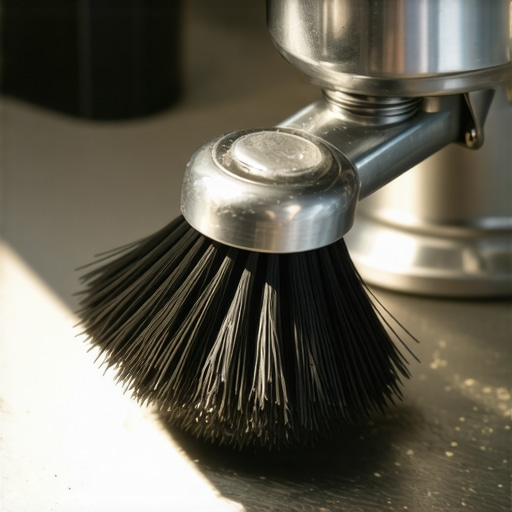
Many home users also assume that any espresso machine can handle consistent shots right out of the box. Yet, ignoring routine maintenance like descaling, cleaning shower screens, or replacing worn seals introduces variability. The To ensure your home espresso setup continues to perform optimally, regular maintenance of your tools is essential. Invest in a high-quality cleaning brush, such as the one recommended by barista experts, to clean your espresso machine’s shower screen and portafilter thoroughly—neglecting these parts can cause channeling and uneven extraction, as highlighted in a detailed article on gear maintenance. Schedule weekly descaling with descaling solutions approved for your specific machine model to prevent mineral buildup that can strain the pump and diminish pressure stability over time. Incorporate routine checks of your grinder’s burr alignment, using a simple calibration method involving a micro-screwdriver or a calibration card, to maintain consistent grind size and prevent wear on the burrs for top-notch particle size consistency. Consider investing in a maintenance schedule app tailored for coffee enthusiasts; these tools can remind you of cleaning intervals and track your machine’s performance metrics, helping you spot issues early. Prediction points toward smarter, connected appliances integrating diagnostic tools, making maintenance even more accessible and less of a chore in the future.
How do I maintain my espresso gear over time?
Maintaining your equipment involves more than just cleaning—it’s about understanding your tools’ unique needs. For instance, regularly inspecting and replacing worn seals, like the group head gasket, can prevent pressure leaks that compromise shot quality. Use a dedicated water filtration system to reduce mineral deposits in your espresso machine and extend its lifespan, as recommended by appliance manufacturers. Deep cleaning your grinder’s chute and burrs monthly with a specialized brush or compressed air helps prevent oil and coffee particle buildup that can cause inconsistent dosing. Recording maintenance activities and noting any performance changes provides insights into potential issues before they escalate. Remember, precision tools like calibrated scales and correctly fitted tampers, when maintained properly, contribute significantly to shot consistency. Staying vigilant with these practices ensures your coffee routine remains reliable, saving you time and frustration in the long run. Keep your tools in top shape, and you’ll enjoy exceptional espresso every time.
Ever experienced those moments when your scale drifts right as you’re about to finish pouring, turning an artful shot into a source of frustration? I’ve been there, and over the years, I’ve learned that a little insider wisdom goes a long way in turning coffee chaos into consistency. The lessons I’ve gathered not only improved my espresso quality but also deepened my appreciation for the craft.
The Hidden Truths That Changed My Approach
- Calibration is an ongoing journey, not a one-time fix. I used to think recalibrating once was enough, but environmental factors like temperature shifts and vibrations are silent saboteurs. Regular checks on my scales have become as routine as grinding beans, ensuring each shot starts on a solid foundation.
- Equipment maintenance unlocks your machine’s true potential. Simple steps like cleaning shower screens or replacing worn gaskets dramatically improved shot consistency. Investing in good tools, like a calibration weight, and integrating routine checks keep my gear performing at its best, saving time and frustration.
- The environment is your silent partner in brewing. Placing my scale on a flat, vibration-free surface and maintaining stable room conditions have been game-changers. Small adjustments like avoiding drafts or direct sunlight make a noticeable difference in measurement accuracy and, ultimately, flavor quality.
- Mindful storage preserves precision. Covering my scale and storing equipment in dust-free zones kept readings steady. It’s amazing how minor habits can prolong equipment life and ensure every shot hits the mark.
Refining My Coffee Arsenal
- High-quality calibration weights from trusted sources like this guide have been invaluable, steadily guiding me toward better calibration. They’ve demystified accuracy, boosting my confidence in every measurement.
- Books such as Mastering the Art of Home Espresso have provided technical insights that elevate my technique beyond just equipment, emphasizing the importance of consistent workflow and patience.
- For tips on keeping my gear in top shape, I rely on trusted sources and community forums. Sharing experiences has been as educational as any book, reminding me that the journey to great espresso is ongoing and collaborative.
Embrace the Coffee Journey
Stepping into the world of home espresso is as much about discovery as it is about technique. Each adjustment, each calibration, and each maintenance routine brings you closer to that perfect shot. Don’t let uncertainties hold you back; instead, see them as opportunities to learn and improve. With vigilant calibration and mindful care, your coffee routine transforms from a routine task into a daily celebration of craftsmanship. Dive into this journey with curiosity and patience, and savor the rich rewards of consistent, delicious espresso every time.
What has been your biggest challenge in maintaining your espresso gear? Share your stories below and let’s grow together in our coffee adventures!