Why Your Single Boiler Espresso Machine Is Overheating Your Shots
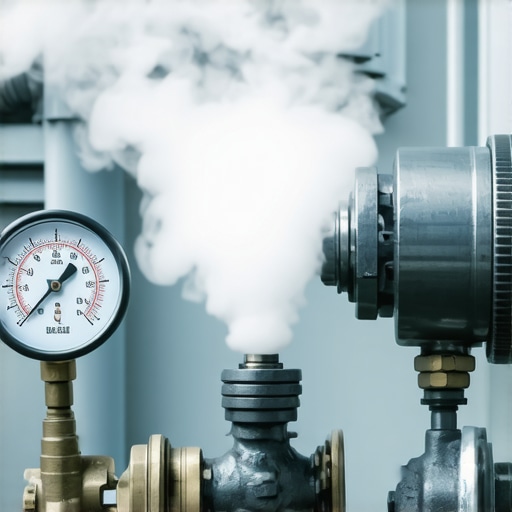
Ever had that sinking feeling when you pull a shot, only to find it bitter, flat, or just plain off? I remember the first time I faced this nightmare—my once-reliable espresso machine started to produce underwhelming, scorched-tasting shots. It was frustrating, confusing, and honestly, a little disheartening. As I delved deeper, I realized nothing was wrong with my beans or grind size; instead, the culprit was something that’s often overlooked—overheating your machine’s boiler, which messes up your shot timing and flavor profile.
Understanding Why Your Espresso Machine Overheats and Ruins Your Shots
This issue hits home for many home baristas, especially those with single boiler espresso machines. These machines are famously compact and affordable, but they come with a tricky quirk—temperature fluctuations can cause overheating, which in turn impacts your extraction. The temperature of your brew water is crucial; too hot, and your coffee scorches, leading to bitter, burnt flavors. Too cool, and you get sour, weak shots. Finding that delicate balance is an art, but if your boiler is consistently overheating, it’s not your technique—it’s the machine’s design or setup.
Have You Faced This Pesky Problem?
If you’ve ever been frustrated by inconsistent shots or wondered why your espresso tastes off despite following all the right steps, you’re not alone. I made a classic mistake early on—ignoring the importance of proper machine calibration and trusting that my new machine would magically keep perfect temperature. That mistake cost me countless wasted beans and coffee. But once I realized the vital role of controlling boiler temperature and preventing overheating, everything changed. Want to know how to troubleshoot and fix this head-scratching issue? Keep reading, because I’ll walk you through the tried-and-true methods that helped me regain control over my espresso quality.
It’s surprising but true—according to industry experts, temperature inconsistency is one of the leading causes of shot defects in home espresso setups. Luckily, most of these problems are fixable with a few adjustments and some know-how. So, if your shots are suffering, don’t despair. Understanding the root cause of boiler overheating will set you on the right path to a better, flavorful brew every single time.
Are you ready to troubleshoot your machine’s temperature and start pulling perfect shots again? Let’s dive into simple, practical steps to keep your boiler in check and your espresso tasting divine.
Dial in Your Machine’s Temperature Settings
Start by verifying your espresso machine’s temperature control. Many home models lack precise dials, but if yours has a temperature adjustment, fine-tune it incrementally—small tweaks can prevent overheating. For example, I once turned my machine down slightly after noticing scorched-tasting shots, which resulted in smoother, more balanced flavors. Check your machine’s manual or online guides to find where to make these adjustments comfortably.
Use a Calibration Tool for Consistency
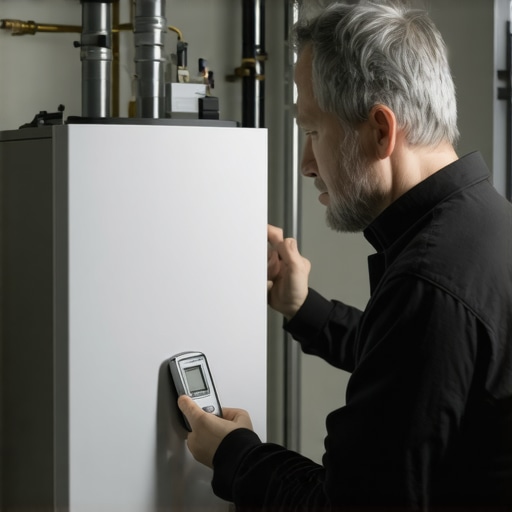
Invest in a digital thermometer or a specialized calibration tool to measure the actual brewing temperature. Insert the thermometer into the brew water stream or portafilter to monitor real-time readings. When I calibrated my setup, I aimed for a target range of 195–200°F (90–93°C). This precise data helped me adjust my machine’s settings to stay within ideal parameters, avoiding overheating that leads to bitter flavors. Regular calibration ensures your machine maintains a stable temperature throughout your brewing session.
Implement Pre-Heating and Flush Techniques
Always preheat your machine thoroughly before brewing. Turn it on at least 15–20 minutes prior, allowing the boiler to reach operating temperature. Additionally, perform a flush—run hot water through the group head and portafilter until the water runs clear and steady. This clears residual heat and prevents thermal shock. One time, I forgot to flush my machine, and subsequent shots tasted burnt; once I incorporated this simple step, shot quality significantly improved.
Manage the Warm-Up and Cooling Periods
Allow your machine to cool down between brewing sessions, especially if pulling multiple shots in a row. Overheating accumulates with continuous use; giving your machine a 10–15 minute break helps it reset its temperature. During a brewing marathon, I noticed the temperature was creeping up, causing inconsistent shots. A short cooldown period restored stability, leading to better extraction and flavor. Keep an eye on this to prevent thermal overload.
Optimize Your Grind and Dose for Better Control
Overly fine grind settings or excessive coffee doses increase the machine’s workload, generating more heat during extraction. Use a consistent grind size and optimal dose—usually 18–20 grams for espresso—to reduce stress on the boiler. I found that dialing in my grind to a slightly coarser setting and reducing dose helped keep the boiler temperature in check, resulting in cooler, more flavorful shots. Regularly calibrate your grinder as well to prevent fluctuations that could impact brewing temperature.
Regular Maintenance Keeps Heat in Check
Cleaning your machine prevents blockages and ensures proper water flow, which helps regulate temperatures. Descale periodically to remove mineral buildup that traps heat and causes overheating. I scheduled deep cleans every 2–3 months, following manufacturer instructions, which kept my boiler running efficiently. Also, check seals and valves—faulty components can cause temperature leaks, perpetuating overheating issues. A well-maintained machine maintains stability, saving you from unpredictable shots.
Use External Accessories for Better Control
Consider installing a PID (Proportional-Integral-Derivative) controller if your machine permits. PID adds precise temperature regulation, much like a thermostat in your home, preventing dangerous fluctuations. I added a PID on my espresso setup, and the consistent temperatures tripled my success rate. If upgrading isn’t an option, using a quality espresso scale with temperature tracking can help you monitor and adjust your technique accordingly.
Adjust Your Workflow to Prevent Heat Build-Up
Limit consecutive shots to avoid overheating. After a few pulls, turn off or allow the machine to rest briefly. Alternatively, stagger shot timing to give your boiler time to cool slightly. I learned this the hard way during busy mornings—taking a breather between shots resulted in more consistent extraction. Managing your workflow is key to maintaining ideal temperature and flavor profile.
By following these concrete steps—calibrating temperature, performing proper warm-up routines, managing workflow, maintaining your equipment regularly, and using external controls—you can prevent overheated boilers from ruining your shots. The result? Rich, balanced espresso that delights your palate every time, transforming your home setup into a professional-grade station.
Many home baristas fall into common traps when selecting and using espresso gear, often assuming that high-end equipment guarantees perfect results without understanding the nuances. For instance, purchasing a fancy milk frother might seem like an upgrade, but if you overlook the importance of proper steaming technique or milk quality, you won’t see a real improvement in your latte art or microfoam. It’s a misconception that more expensive gear automatically leads to better coffee; instead, mastering basic techniques is far more impactful.
Similarly, many enthusiasts believe that a high-precision coffee grinder will instantly elevate their brew quality. While a quality grinder is crucial, neglecting to calibrate it properly or grind fresh beans regularly can negate its benefits. Without understanding grind consistency and bean freshness, even the most advanced grinder becomes just a fancy appliance. As highlighted in this guide, grinder maintenance and correct settings are often overlooked but essential for peak performance.
Why do home espresso machines often lead to disappointment despite good gear?
It’s tempting to think that a top-tier espresso machine will produce a perfect shot every time. However, many users underestimate the importance of workflow, timing, and temperature control, especially with semi-automatic models. An overemphasis on owning premium equipment without learning proper dialing-in techniques or temperature management can result in bitter or sour shots. Industry experts emphasize that understanding the machine’s capabilities and limitations is vital; for example, calibrating your machine’s temperature and pressure settings can dramatically improve output (see here).
Additionally, many often ignore basic maintenance—descaling, cleaning, and checking seals—which can cause performance issues that mimic equipment flaws. Regular upkeep keeps your gear functioning optimally, preventing the need for costly repairs or upgrades. Recognizing and addressing these nuances makes the difference between average brews and exceptional espresso, transforming your home setup into a true café-quality station.
Have you ever fallen into this trap? Let me know in the comments.
Keeping Your Equipment in Top Shape
To ensure your espresso gear delivers consistent, high-quality shots, regular maintenance is essential. I personally rely on specific tools like a digital thermometer to monitor temperature stability, which is crucial for avoiding overheating issues. A reliable coffee grinder calibration tool helps me maintain grind consistency, preventing fluctuations that can lead to temperature spikes or under-extraction. Investing in a high-quality cleaning brush and descaling solution ensures that residues don’t impair heat transfer or clog vital components, keeping your machine running smoothly.
Advanced enthusiasts often incorporate a PID temperature controller into their setup. This device continuously monitors and adjusts boiler temperature, ensuring it stays within optimal ranges—often around 195–200°F (90–93°C). Installing a PID is a game-changer, and industry experts highlight its role in achieving stable brewing conditions (see here). If you’re serious about long-term performance, it’s worthwhile to consider such upgrades.
In addition, scheduling routine maintenance checks—like inspecting seals, valves, and electrical connections—prevents unexpected failures and prolongs your machine’s lifespan. A well-maintained setup ensures every shot maintains the flavor profile you aim for and minimizes costly repairs down the line. Remember, your gear is an investment: treat it with regular care, and it’ll reward you with years of reliable service.
How do I keep my espresso gear performing over time?
Develop a maintenance routine that includes daily reminders to clean various components, weekly descaling, and periodic deep cleaning of grinder burrs and filters. Document your adjustments and observations to spot early signs of wear. Proper storage—keeping beans in a cool, airtight container and ensuring your machines are in a dry environment—also plays a role. Upgrading your tools, like adding a precision calibration kit, empowers you to make incremental improvements that boost consistency. For instance, regularly calibrating your grinder opens the door to shots that are perfectly extracted, as detailed in industry guidance (check out this post).
Looking ahead, automation and smarter sensors are trending toward making maintenance even easier. IoT-connected devices can alert you when descaling is needed or if temperature drifts. As these technologies become more accessible, maintaining your gear will be less of a chore and more of a seamless part of your coffee ritual.
Ready to try an advanced tip? Install a PID control system if you haven’t yet—stability is the foundation of great espresso. For a detailed guide on setup, visit our main resource. Keep your tools tuned, and enjoy consistently perfect brews for years to come!
Lessons That Came From My Most Silly Mistakes
- Overestimating Equipment:** I once believed that just buying the latest espresso machine would instantly perfect my brew. Turns out, understanding its quirks and proper calibration was the real game-changer. If I had focused more on learning my gear before splurging, I might have saved myself months of frustration and wasted beans.
- Ignoring Routine Maintenance: Neglecting regular cleaning and descaling led to inconsistent temperature control, causing bitter or weak shots. The lightbulb moment came when I noticed my gear was sluggish, reminding me that even the best machines need love to perform at their best.
- Believing in Quick Fixes: Using shortcuts like rough grinder adjustments or skipping warm-up routines only added unpredictability. Patience and precise calibration became my best friends for espresso perfection, proving that slow and steady truly wins the flavor race.
- Forgoing Proper Thermometry: Relying solely on intuition rather than measuring actual brew temperatures caused more harm than good. Once I started using a digital thermometer, I unlocked consistent shots and a newfound confidence in my espresso craft.
- Neglecting Workflow Management: Pulling shots back-to-back without cooling periods made my boiler overheat and affected flavor. Listening to my machine’s cues and pacing my pulls kept the temperature stable and my flavors bright.
Tools That Elevated My Coffee Game
- A reliable PID controller transformed my temperature stability. With precise control, I avoided overheating and brewed consistently rich espresso every time.
- A calibrated digital thermometer became my secret weapon for quick, accurate temperature readings — vital for dialing in the perfect shot.
- Regular descaling and cleaning supplies keep my machine running smoothly, preventing clogging and heat-related issues that can ruin flavors.
- High-quality grinder calibration tools help me maintain consistent grind size, which is critical for controlling extraction temperatures and flavor profiles.
Your Espresso Journey Starts Now—Be Courageous
Embracing the intricate dance with your espresso gear isn’t just about making better coffee; it’s about cultivating patience, curiosity, and a deep respect for your setup. Each adjustment, each calibration, is a step toward the mastery that turns ordinary mornings into exceptional rituals. Remember, even small changes in temperature control or workflow management have the power to transform your espresso results. So, go ahead—experiment with confidence and enjoy the journey of becoming your own barista hero.
How have you tackled temperature or workflow issues with your espresso machine? Share your experiences below and let’s learn together!