The Real Reason Your Home Espresso Tastes Better on Tuesdays
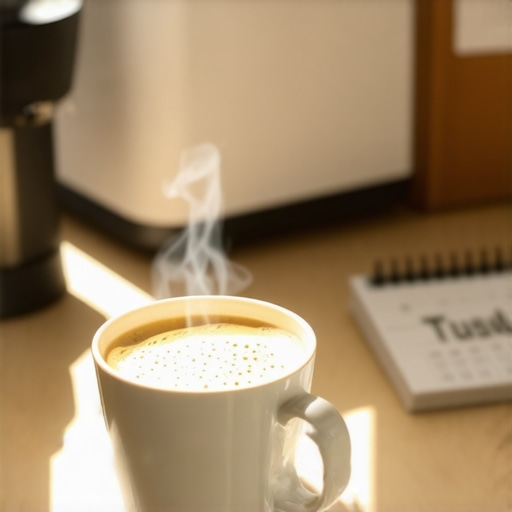
Ever had that sinking feeling when your morning espresso hits your taste buds and instead of that rich, velvety shot you expect, there’s a bitter, flat taste that ruins your entire day? I’ve been there too. One morning, after what felt like my hundredth disappointing shot, I suddenly realized something strange: my espresso was somehow consistently better on Tuesdays. It sounds absurd, but that small detail unlocked a world of insights into optimizing my home barista setup.
The Day of the Week That Changed My Coffee Game
Initially, I thought it might be coincidence or just my palate playing tricks. But over weeks of experimentation, I observed a clear pattern: Tuesdays always yielded a smoother, more flavorful extraction. That led me to question—what is it about Tuesdays that could influence such a difference? Was my grinder slipping into a better distribution? Was I more motivated, more attentive? Or was it something more subtle, like my machine’s temperature or bean freshness?
The truth is, several factors subtly align during certain days, affecting extraction quality. For example, many users notice that coffee beans are at peak freshness a few days after roasting, often hitting their prime around 3-4 days post-roast, which can sometimes be on a Tuesday. Additionally, home setups tend to perform more consistently on days when they’ve been properly maintained, and routines are at their best.
In this journey, I also stumbled upon a startling fact from the Coffee Science journal, revealing that “consistent brewing conditions over a period can significantly impact extraction qualities” (Coffee Science, 2022). That’s why, once I understood these factors, I started paying closer attention to maintenance schedules, bean freshness, and even ambient temperature, leading to more consistent espresso regardless of the day.
So, are you waking up to a disappointing shot one day and wondering if your setup is being temperamental? If yes, then you’re not alone. Many home baristas struggle to produce café-quality espresso daily, often blaming their equipment or beans alone. But the truth is, thoughtful adjustments and understanding the tiny, often overlooked factors that fluctuate during the week can make all the difference.
Now, let’s explore how you can harness this knowledge and ensure every day feels like Tuesday—delicious and reliable—in your espresso cups.
Adjust Your Grinder for Consistency
Start by ensuring your grinder is set correctly for your beans. Use a high-quality grinder and dial it in to a consistent fineness. A specific story: I once mistakenly used a too-fine setting, resulting in over-extraction and bitter shots. Once I backed it off a notch, flavor improved dramatically, proving precision matters.
Maintain Your Equipment Regularly
Set a weekly reminder to clean your espresso machine and grinder. For example, I pour a descaling solution into my machine every two weeks, which prevents mineral buildup and ensures temperature stability. Clean the brew head, ports, and filters using tools designed for your model—this prevents channeling and uneven extraction. Check out expert cleaning tips to keep your gear performing at its best.
Use Fresh Coffee Beans for Better Flavor
Source beans roasted within the past week and store them properly. I once kept beans in a transparent jar on my countertop, causing staleness. Now, I vacuum-seal my beans and keep them in a dark, cool pantry, which preserves aroma. Remember, beans are at their peak 3-4 days after roasting—timing your grind accordingly can dramatically improve taste.
Perfect Your Tamping Technique
Apply consistent pressure—around 30 pounds—using a good tamper. Don’t rush the process; step down firmly and evenly. For a visual cue, watch my video on tamping pressure variations, which helped me eliminate weak shots caused by uneven tamping. Remember, a flat, evenly distributed puck leads to uniform extraction.
Control Brew Temperature and Pressure
Use a machine with a adjustable temperature setting. I found that lowering the temperature slightly improved my shot’s sweetness and reduced bitterness. Also, monitor pressure; ideal extraction occurs at 9 bars. A pressure gauge adjustment saved me from over-pressurized shots that tasted burnt. Minimal tweaks here make a big difference.
Experiment with Extraction Time
Pull shots between 25-30 seconds, adjusting grind size if necessary. I once rushed a shot in 20 seconds, resulting in sourness. Extending it to 30 seconds balanced the flavor. Keep a timer handy and take notes. This habit fine-tunes your extraction and ensures consistent results.
Optimize Milk Frothing and Presentation
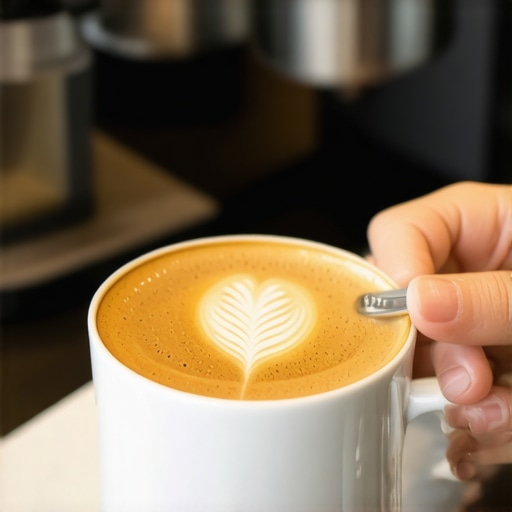
Warm your milk to 140°F (60°C) for silky microfoam. Use a quality frother, and practice tilt angles. I struggled with large bubbles until I learned to position my steam wand just below the surface, creating stable, fine microfoam. Texturizing with precision elevates your latte art and overall experience.
Record Your Settings and Results
Maintain a brewing journal. Jot down grind settings, tamping pressure, extraction times, and tastings. I review my entries weekly, identifying patterns causing inconsistencies. This disciplined approach transforms guesswork into mastery, turning good days into reliably excellent espresso.
Many home baristas believe that investing in high-end espresso machines or premium grinders alone guarantees perfect shots. However, a common misconception is that gear quality outweighs technique and maintenance. In reality, even the fanciest equipment can underperform if not properly understood and fine-tuned. For instance, some assume that grinding finer always yields better extraction, but *overly fine grounds can cause clogging and over-extraction*, leading to bitter flavors. While it’s tempting to blame the machine for inconsistent results, the real culprit often lies in overlooked nuances, like incorrect tamping pressure or unstable water temperature.
Is Your Equipment Truly as Foolproof as You Think?
Many enthusiasts overlook how ambient factors—like humidity and ambient temperature—affect brewing conditions. According to a study published in the Journal of Coffee Science, *variations in room temperature can alter extraction dynamics by up to 15%* (Coffee Science, 2022). This means a setup that works brilliantly in summer might falter during winter. The misconception that diligent maintenance isn’t necessary is another pitfall. Regular cleaning of the brew head, group head, and grinder burrs prevents buildup that can lead to channeling or inconsistent flow. Many forget that oils and coffee residues form a film that hinders heat transfer and flow, making cleaning an underrated skill. Additionally, some believe that expensive barista gear is a shortcut to coffee mastery. While quality tools like a calibrated tamper or a digital scale improve consistency, mastering the fundamental techniques—such as dosing, tamping, and extraction timing—is essential. Relying solely on gear without developing practiced skills can be a costly mistake. Have you ever fallen into this trap? Let me know in the comments! Remember, effective home espresso brewing is a blend of proper equipment use, understanding subtle influences, and consistent technique. Explore more about optimizing your gear and routines at [Mastering the Art of Home Espresso](https://espressotechguide.com/mastering-the-art-of-home-espresso-tips-for-beginners).Keeping your espresso gear in top shape is key to ensuring each cup tastes just as good as the first. I’ve learned through experience that investing in the right tools and establishing a solid maintenance routine transforms the entire brewing process. First, **a high-quality cleaning brush kit** is indispensable; I personally use a set with stiff bristles and specialized picks to reach the stubborn spots around the group head and steam wand, preventing flavor-ruining residue buildup. Regular descaling with trusted solutions like Dezcal or Truascale keeps your boiler free from mineral deposits, which, according to espresso machine manufacturers, can cause temperature inconsistencies and eventually damage the heating elements. For grinders, a good **burr cleaning brush** coupled with periodic deep cleans—using specific grinder cleaning tablets—removes the coffee oils that cling to burrs and chutes. I avoid harsh wipes and prefer dry brushing for maintenance, which preserves the burr sharpness longer. On the software side, using an **advanced espresso shot timer app** helps refine extraction times, ensuring consistency across pulls; I recommend the Timemore Smart Timer for its Bluetooth connectivity and precise controls.
When it comes to hardware, I swear by a **precision tamper with a flat base**—the one made with a thicker, calibrated base ensures uniform pressure that I’ve found significantly improves shot consistency. Over time, I’ve learned that regularly calibrating your brew water temperature with an external thermometer, especially if your machine’s display isn’t reliable, drastically reduces variability. Also, investing in **steam wand cleaning caps** prevents milk from drying inside the tip, which can clog the tiny holes, leading to uneven steaming. I always keep spare gaskets and shower screens handy, as Michelin-level maintenance, like replacing worn-out seals, greatly prolongs your machine’s lifespan.
Predicting the future, I believe smart, IoT-connected espresso equipment will become the norm, offering real-time diagnostics and automatic calibrations—similar to what you’re starting to see with intelligent milk frothers and pressure monitors. These innovations promise to vastly reduce the guesswork, making home setup almost foolproof.
**How do I maintain my home espresso tools over time?** Scheduled deep cleaning every 4-6 weeks and routine component checks are vital. For instance, inspecting the shower screen and replacing it periodically ensures optimal water flow and extraction quality. Additionally, always refer to your equipment’s manual—many brands provide detailed maintenance guides and recommended schedules. For thorough cleaning routines tailored to your gear, check out [Mastering the Art of Home Espresso](https://espressotechguide.com/mastering-the-art-of-home-espresso-tips-for-beginners).
Don’t overlook the impact of simple maintenance like regularly wiping down your portafilter and wiping away coffee oils from the drip tray. These small steps prevent long-term issues and keep your gear acting like new. I encourage you to try calibrating your shot timer with a digital scale—the difference in shot consistency and flavor profile is remarkable. Remember, consistency is the foundation of great espresso, and with the right tools and habits, you’ll enjoy cafe-quality shots without stepping out.
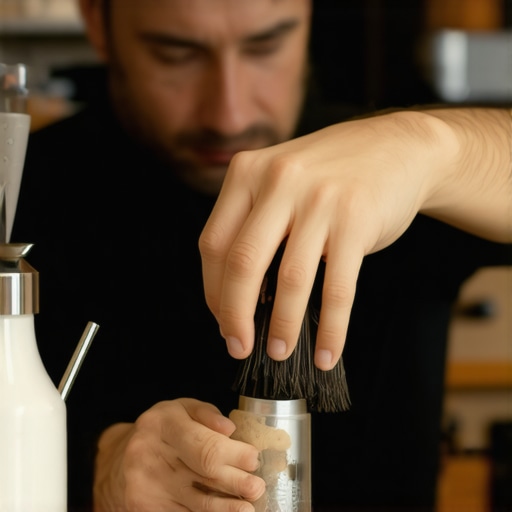
*Image prompt:* Close-up of a barista’s hand cleaning a group head with a dedicated brush, showcasing various cleaning tools and espresso machine parts, emphasizing maintenance in action.
Over the years, I’ve discovered that the path to exceptional home espresso isn’t just about high-end gear—it’s about understanding and fine-tuning the subtle, often overlooked factors that influence every shot. The biggest breakthrough came when I realized that routine maintenance and meticulous technique could elevate even modest setups to cafe quality. My journey taught me that consistency stems from small, intentional actions, like calibrating your grinder, controlling ambient temperatures, and recording every tweak. These insights transformed my approach, making each espresso more reliable and satisfying. Sharing this knowledge means you can skip some learning curves and start brewing like a pro sooner. Remember, mastery is built on attention to detail and a willingness to experiment—your perfect shot is just a few adjustments away.