
Why Your Milk Tastes Burnt Even When the Foam Looks Great
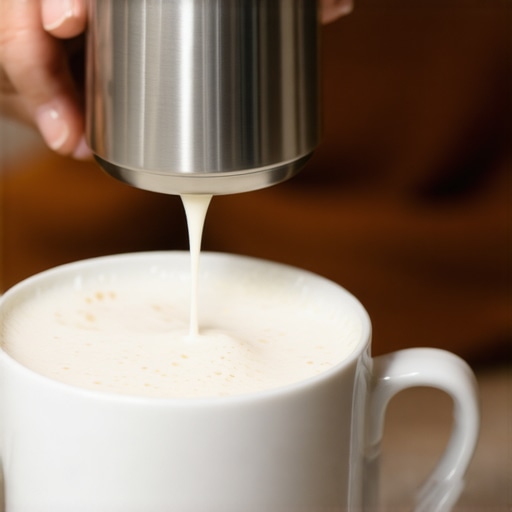
Ever had that sinking feeling when you take a sip of your meticulously steamed milk, only to be greeted by a bitter, burnt flavor that ruins your coffee experience? I’ve been there. One morning, after meticulously frothing and pouring what I thought was a picture-perfect milk, I took a sip and was immediately disappointed. The foam looked velvety, smooth, and inviting, but the taste? Burnt. It was like my milk had been on too hot a flame, despite all signs pointing to a perfectly functioning setup.
That moment of frustration led me down a rabbit hole of troubleshooting. Why does my beautifully frothed milk taste burnt when everything seems just right? If you’ve faced the same dilemma—your milk seems flawless visually, but the flavor tells a different story—then you’re not alone. It’s a common issue among home baristas and even seasoned coffee lovers.
Today, I’m here to share what I’ve learned from personal experience and countless hours of testing, so you can finally enjoy that rich, smooth milk without the burnt undertones. We’ll explore everything from machine settings to milk types, and I’ll show you exactly how to pinpoint and eliminate the cause.
How to Achieve Perfect Milk without the Burnt Taste
But first, let’s address a crucial concern. Are you worried that fixing this problem might involve complicated or expensive equipment upgrades? Believe me, I’ve been there. Early on, I thought replacing my milk frother or upgrading my espresso machine was the answer. However, I discovered that many issues stem from simple adjustments and understanding your gear better—like what I learned by reading comprehensive guides such as Mastering the Art of Home Espresso.
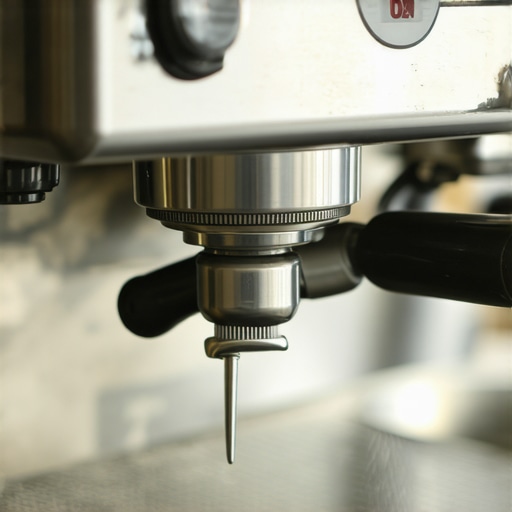
The key is understanding how your machine’s steam wand works and the impact of milk temperature. A common mistake I made was assuming that as long as the foam looked good, the flavor would follow. Wrong. Milk can look perfect and taste burnt if it’s heated too quickly or to too high a temperature. According to research from the Coffee Science Foundation, milk begins to taste bitter and burnt when heated beyond 65°C (149°F), which can often happen without realizing it.
Have you ever had a similar experience—especially when you thought you were doing everything right? If so, stick around. We’re about to turn that frustrating burnt flavor into a thing of the past, with simple tweaks and smarter steaming practices.
Control Your Temperature: Prevent Overheating Your Milk
One way I tackled burnt milk was by mastering temperature control. Instead of just watching the steam wand, I invested in a digital thermometer and monitored milk temp to stay below 65°C (149°F), as research shows milk develops bitter flavors past this point. I remember fumbling with my first thermometer, trying to keep the needle under the threshold, which resulted in messier steamy pitchers but yielded much smoother, sweeter milk. This simple step is crucial—don’t rely solely on your sight or instinct.
Adjust Your Steam Wand Technique for Consistency
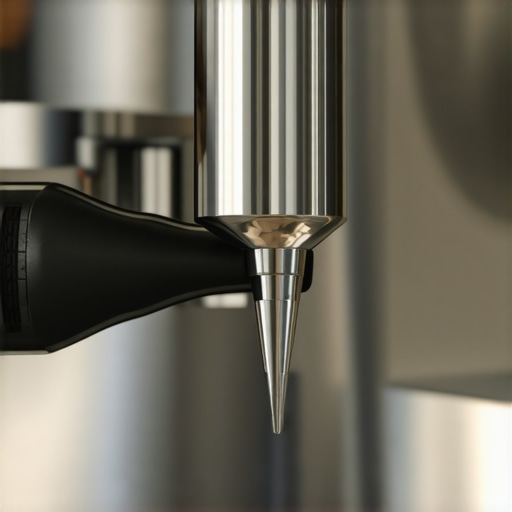
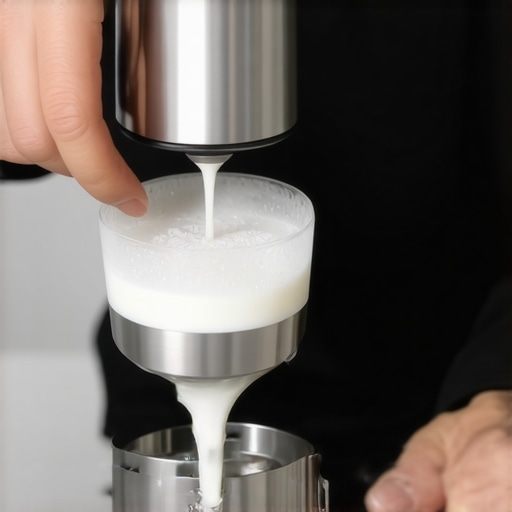
Next, I worked on my technique. I found that positioning the steam wand tip just below the surface of the milk created a whirlpool that evenly distributed heat and air. However, if I kept the wand too deep or at an improper angle, the milk heated unevenly, risking burnt spots or scorched flavors. To get this right, I broke down my steaming into small steps: first, bring the milk up to temperature with gentle, constant whirlpool motion, then lower the wand to finish heating without aerating excessively. Practice makes perfect: I started with small batches, paying close attention to temperature and texture, which significantly improved consistency.
Choose the Right Milk: Fat Content Matters
My experience also improved when I carefully selected milk. Whole milk tends to foam more smoothly and heats evenly, reducing the risk of burning due to uneven heat distribution. I avoided ultra-pasteurized or skim varieties because their low-fat content can cause foaming issues or a burnt taste when overheated. To test this, I sampled different milk brands in small steamed batches, noting flavor and foam quality. Over time, I learned that fresh, high-quality milk with balanced fat content yields richer, smoother microfoam without the unwanted bitterness.
Steady Your Machine Settings for Optimal Output
Another step involved dialing in my espresso machine’s steam pressure. Too high a pressure can cause rapid heating, risking burnt milk. I checked my machine’s manual and realized I could adjust steam output settings or use machines with a dedicated steam control—if yours has a pressure knob, set it to medium-high rather than max. This control allows a more gradual, even heat transfer, preventing the milk from getting too hot too quickly. I recommend testing your machine’s pressure with water first, then applying colder milk to gauge how it heats at different settings.
Implement Routine Maintenance for Consistent Results
Finally, I maintained my equipment meticulously. Built-up mineral deposits or old, dried milk residue inside the steam wand or boiler can cause uneven heating and burnt flavors. I cleaned my wand and boiler regularly using descaling solutions, following manufacturer guidelines. Leave no stubborn residue, as it can act like hot spots, leading to burnt-taste issues. A weekly cleaning routine makes a noticeable difference in microfoam quality and flavor clarity.
Many enthusiasts believe that having the latest espresso machine or a set of fancy barista tools guarantees perfect coffee every time. However, this oversimplification often leads to overlooked nuances and common pitfalls. For instance, a prevalent misconception is that high-end equipment automatically results in superior flavor, but in my experience, that’s not always the case. Sometimes, enthusiasts spend a fortune upgrading their machines without understanding how fundamental technique adjustments or maintenance routines can dramatically improve their brews.
One trap I often see is the assumption that more expensive coffee grinders produce better grounds simply because of their price tags. While they offer certain advantages, many home users fall into the trap of over-milling or misadjusting burrs, which can cause uneven extraction and bitter notes. According to a study by the Coffee Science Foundation, consistent grind size and proper calibration are more critical than the grinder’s brand or cost. You can read more about choosing the best coffee grinder for your brew.
What Advanced Home Baristas Keep Overlooked When Tuning Equipment?
Most home baristas focus on tamping pressure or shot timing, but an often-neglected aspect is ensuring the correct pressure consistency during extraction. Variations in pressure can lead to channeling or under-extraction, which masks the true flavor potential of your beans. Maintaining stable pressure, especially with semi-automatic machines, requires understanding your equipment’s nuances—like checking the pressure gauge or installing a pressure profile controller. Experts suggest that even minor fluctuations can significantly impact espresso quality, as detailed in this guide on pressure management.
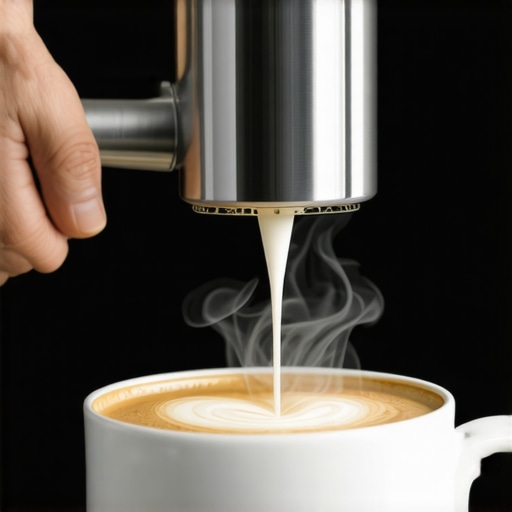
Another common misconception involves milk frothing techniques. Many believe that a higher temperature or faster steaming yields thicker foam. Yet, the real secret lies in controlling steam flow and tip placement to develop microfoam without over-heating the milk. Overlooking these details often results in large bubbles or a burnt taste, especially when using lower-quality milk or improper wand positioning. A detailed approach to mastering these nuances can be found in tips for perfect milk steaming.
Finally, spending on top-tier equipment without routine maintenance can be a costly mistake. Mineral deposits and old oil residue inside boilers or on group heads can cause uneven heating and flavor contamination. Regular cleaning, descaling, and gasket checks are crucial—many overlook these simple but vital steps. Remember, even the most sophisticated gear can underperform if neglected.
Have you ever fallen into this trap? Let me know in the comments. Understanding these hidden nuances transforms your home espresso setup from basic to professional-level, making every cup truly satisfying.
Invest in Precision Instruments for Long-Term Success
One of my most valued tools is a high-quality digital thermometer with a fast response time. I use this constantly to monitor milk temperatures during steaming, ensuring I stay below the critical 65°C (149°F) threshold to prevent burnt flavors. Brands like ThermoPro or Inkbird offer reliable, affordable options that have become staples in my setup. Incorporating a thermometer allows me to develop consistent steaming skills and detect subtle temperature deviations before they impact flavor. Mastering the Art of Home Espresso emphasizes the importance of temperature control as a cornerstone of excellent espresso prep.
Regular Calibration Keeps Equipment Performing
Beyond temperature monitoring, precise calibration of your grinder and espresso machine ensures consistent results over time. I love using a digital scale with at least 0.1-gram accuracy for tamping and shot measurement. For grinders, I frequently recalibrate burrs using specific shim techniques, aligning with expert advice from this comprehensive guide. This step can dramatically improve extraction and flavor clarity, especially when using freshly roasted beans. Remember, a well-calibrated setup is the backbone of repeatable espresso pulls.
Implement a Maintenance Routine for Peace of Mind
Keeping your gear clean is perhaps the most overlooked aspect of maintenance but is crucial for long-term performance. I schedule weekly descaling sessions, especially if I notice a drop in steam pressure or an increase in machine noise—signs of mineral buildup. I follow manufacturer guidelines, often using descaling solutions like Dezcal or Citric Acid-based products, which are gentle yet effective. Regularly cleaning the steam wand’s interior and replacing worn O-rings, as outlined in this article, prevents common issues like sputtering or loss of pressure. Dedicating even 10 minutes weekly keeps my machine running smoothly and flavors pure.
Anticipate Equipment Trends and Future Upgrades
Looking ahead, I believe the integration of smart sensors into espresso machines will revolutionize home barista setups. Imagine devices that automatically alert you to descaling needs or component wear—like a Bluetooth-connected pressure gauge that monitors real-time data and suggests adjustments. Brands such as Rocket or Profitec are likely to lead this innovation, aligning with broader smart home trends. Preparing your setup now with precise tools and diligent maintenance ensures you’re ready to adopt these emerging technologies seamlessly.
How do I maintain my machine and tools over time?
The key is consistency. Schedule weekly cleanings, recalibrate components regularly, and invest in tools like a precise thermometer or scale. Document your routine with notes or logs—many baristas swear by apps like CoffeeJoule or even simple spreadsheets to track performance and maintenance history. Remember, proactive care reduces costly repairs and keeps your espresso tasting perfect for years. For detailed procedures, check out this maintenance guide. Try implementing a weekly cleaning session today; it’s the easiest way to extend your equipment’s lifespan and ensure every shot is exceptional.
What I Wish I Knew Before I Cracked the Code
One of the most eye-opening lessons I learned was that achieving perfect milk isn’t just about visual cues or following recipes blindly. The real trick was understanding the nuanced relationship between temperature, pressure, and milk quality. I used to believe that a hotter milk meant creamier froth, but I quickly found out that pushing above 65°C (149°F) risks developing that dreaded burnt flavor. That revelation changed my entire approach, making me more attentive and deliberate during steaming sessions.
Another lightbulb moment was realizing that equipment maintenance isn’t trivial—it’s foundational. Regularly cleaning and calibrating my espresso machine and grinder prevented many flavor issues that I previously chalked up to “bad beans” or user error. Small routines, like descaling and o-ring replacements, can be game-changers in ensuring consistent, pure flavors. Trust me, neglect breeds bitterness, while routine upkeep cultivates excellence.
And perhaps most surprisingly, I discovered that selecting the right milk has a larger impact on flavor than I initially thought. Whole milk with high-quality, fresh options produces smoother, richer microfoam with less risk of scorching. Experimenting with different brands and freshness levels taught me that premium milk truly elevates the entire coffee experience, turning a routine ritual into a delightful indulgence.
My Top Resources for Elevating Your Home Barista Skills
There are a few trusted tools and sources that have significantly helped me refine my craft. First, Mastering the Art of Home Espresso is my go-to guide for deep insights into technique and troubleshooting. It demystifies complex processes and offers practical advice that I keep coming back to.
Another essential resource is a reliable digital thermometer, like the Inkbird or ThermoPro brands. Precise temperature control during steaming is crucial, and having this simple device keeps me honest and consistent. I also highly recommend investing in a quality grinder; recalibrating it regularly using this guide has drastically improved my shot clarity and flavor.
Lastly, I trust [many professional baristas and hobbyists alike](https://espressotechguide.com/choosing-the-best-barista-gear-for-coffee-enthusiasts) follow a routine maintenance schedule. Small daily, weekly, and monthly tasks ensure my gear performs at peak, making my coffee taste better than ever. With the right tools and discipline, you’re well on your way to barista-level perfection at home.
Embrace the Journey and Make Every Cup Count
Remember, perfecting your espresso and milk steaming isn’t a destination—it’s a continuous journey of learning, tweaking, and enjoying every step. Your willingness to experiment with temperature, pressure, and technique paves the way for consistently excellent cups that truly reflect your personal touch. Don’t hesitate to dive deeper into the process; each improvement amplifies your confidence and elevates your coffee obsession from a hobby to a craft worth mastering.
What’s the most surprising thing you’ve learned while trying to perfect your milk frothing or espresso shot? Share your story below—I’d love to hear about your breakthroughs!
,