Stop tapping your portafilter: why it actually causes channeling
Ever found yourself tapping the portafilter relentlessly after tamping, hoping to settle the coffee grounds and coax out a perfect shot? I used to think that gentle tapping was just a ritual, a way to smooth things out and ensure even extraction. But I crashed hard into the realization that this seemingly harmless habit might actually be sabotaging my espresso.
One morning, after another unremarkable shot with uneven flow and a hurriedly cleaned-up mess, I finally digested the truth. It’s not about how hard or often you tap—it’s about what that tapping might be doing beneath the surface. What I uncovered was eye-opening: **tapping your portafilter can actually cause channeling**, which leads to uneven extraction, bitter flavors, and wasted beans.
Today, I want to walk you through how this common practice can backfire and what you can do instead to ensure your espresso is consistently delicious. Pinpointing this tiny but impactful mistake changed my entire approach to brewing, and I promise it can do the same for you.
Why Tapping Your Portafilter Might Be Making Things Worse
Cracks and Gaps: More Than Just a Stressor
At first glance, tapping seems innocent—like a way to settle coffee evenly. But the reality is more nuanced. Each tap applies force that *can disturb the coffee puck’s uniformity*, creating tiny cracks or channels where water prefers to flow. These channels, called channeling, cause your espresso to brew unevenly—leading to over-extraction in some areas and under-extraction in others.
Think of it like pouring water through a cracked windshield. The water will flow through the cracks more easily, avoiding the glass entirely, right? Similarly, in the coffee puck, these channels allow water to bypass the dense coffee, resulting in a watery shot that lacks depth.
Early in my barista journey, I made this mistake by assuming that a little tap was harmless, or even necessary. I wasn’t alone—many home baristas and even some pros do the same. But as I learned from espresso experts, manipulating the puck after tamping with excessive force is almost always counterproductive. According to coffee scientist Scott Rao,
Straightforward Tamping Technique
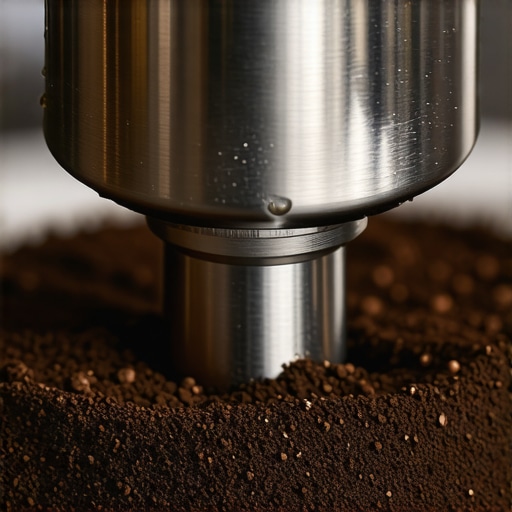
During my first attempts at perfecting espresso, I used a heavy-handed approach, pressing down with all my strength. One day, I dialed back and applied just enough pressure—about 30 pounds—consistent across each shot. This adjustment resulted in a noticeably better extraction. To achieve this, use a tamper with a firm grip and press evenly, avoiding the temptation to bear down excessively. You can even use a bathroom scale to calibrate your tamping force, ensuring consistency every time. Find your ideal pressure and stick with it to eliminate channeling caused by uneven puck density.
Level Your Coffee Bed Without Excessive Force
After tamping, gently twist the tamper left and right to lock the coffee evenly. I once neglected this step, resulting in a skewed puck and uneven water flow. Instead, focus on a delicate, circular motion that levels the surface without disturbing the compressed grounds. Think of smoothing out a surface like a painter prepping a canvas—gentle strokes build a flat, uniform layer. This step prevents voids and gaps that water can exploit, leading to uneven extraction. Use a single, flat tamping motion and verify that the puck surface is level before brewing.
Ensuring Proper Coffee Distribution
Before tamping, distributing grounds evenly in the basket is crucial. I often used a distribution tool or a simple finger flick to spread the coffee uniformly. This prevents thin spots and dense clumps that cause channeling. Picture filling a cracked egg with fill dirt—if not spread evenly, parts will settle unevenly. With a consistent distribution, your tamping becomes more effective, and you’ll notice a more balanced extraction. Avoid over-vibrating or over-tapping the basket; instead, focus on even ground distribution for predictability.
Tamping Station Setup for Better Results
My setup improved dramatically when I organized a dedicated tamping station—clean, level, and within arm’s reach of my grinder and espresso machine. I placed my scale, tamper, and various baskets on a stable, flat surface covered with a damp cloth to prevent slipping. This environment reduces abrupt movements and inconsistencies during puck prep. For clarity, I used a highly accurate espresso scale surface to monitor tamping pressure. A stable setup minimizes accidental disturbances, ensuring each shot is brewed with the same preparation process.
Practice Makes Perfect
Through repeated trials, I learned that consistency in puck preparation is the key to reliable shots. Keep a journal of your tamping force, distribution method, and puck levelness. Over time, your muscle memory and technique will become second nature. I’ve found that recording my adjustments helps identify what works best for my equipment and beans. Remember, even small inconsistencies in tamping can lead to dramatic differences in flavor and flow. Dedicate a few minutes to practice, and your espresso quality will improve significantly.
Many home baristas believe that simply owning high-end equipment guarantees perfect espresso and milk froth. In reality, there’s a layer of nuance that even seasoned enthusiasts often overlook, leading to common mistakes and missed opportunities for improvement. For instance, a prevalent misconception is that more expensive grinders automatically produce better grounds. While quality equipment matters, the actual grind consistency depends heavily on proper calibration and maintenance. According to expert Scott Rao, calibration precision is crucial to avoid uneven particle size, which can cause channeling and bitterness. Many think that the main purpose of a milk frother is just creating foam, but different types—like pump versus wand frothers—offer distinct control and texture, impacting your latte art and flavor. Selecting the right one requires understanding your brewing goals; learn more about these tools’ nuances. An often-overlooked area is the role of espresso machine maintenance. Routine cleaning of shower screens and group heads with proper tools prevents buildup that affects water flow and extraction quality. Neglecting this maintenance can lead to bitter notes or inconsistent shot timing. Don’t assume that cleaning with regular descalers suffices; specialized cleaning routines provide better results. When it comes to barista gear, many underestimate the importance of workspace ergonomics. A cluttered or poorly organized station hampers precision and speed, especially during busy mornings. Investing in a dedicated setup with well-placed tools, like a stand for your grinder and a sturdy tamping station, can transform your workflow. For example, a well-organized tamping station ensures consistent pressure and reduces shot variations. Curious about calibration tricks for your grinder? Small adjustments, such as verifying your zero point, can significantly improve particle uniformity, directly impacting flavor and clarity. Also, keep in mind that sampling your freshly ground coffee at different settings allows you to find the sweet spot more reliably. The trap often lies in relying solely on default settings or visual cues rather than actual taste tests. Remember, equipment is only as good as the operator’s knowledge. Never assume that having top-tier gear eliminates the need for technique mastery. Practice, calibration, and maintenance are what truly unlock exemplary espresso and milk textures. Have you ever fallen into this trap? Let me know in the comments below and share your experiences with mastering your gear.
Tools That Keep Your Espresso Setup Running Smoothly
Investing in quality tools is foundational to maintaining your coffee equipment over time. I personally rely on a good burr cleaning brush—it’s essential for removing stubborn grounds and oils that can cause uneven grind size and channeling. Additionally, a calibrated precision coffee scale with an anti-slip surface ensures accurate tamping pressure and shot consistency, which are crucial for long-term results.
My setup also includes a dedicated espresso scale surface, which prevents measurement drift and provides reliable feedback over months of daily use. For cleaning and maintenance, I regularly use a stainless steel pitcher brush—keeping frothing tools spotless extends their lifespan and maintains optimal frothing quality.
Expect Future Trends in Barista Gear and Maintenance
As technology advances, I predict a move towards smarter, app-enabled maintenance tools. Devices that automatically detect buildup or calibration drift will revolutionize how we care for our machines, making routine upkeep more intuitive. For instance, integrated sensors may alert you when grinder burrs need replacing, guided by expert algorithms. This evolution aims to reduce downtime and ensure peak performance without complicated disassembly.
What’s the Best Way to Keep Your Equipment in Top Shape?
Establishing a regular maintenance routine is vital. This means scheduled cleaning of espresso heads with weekly chemical soaks and descaling processes. Also, monitoring wear parts like seals and gaskets helps prevent leaks or pressure drops. For grinders, I recommend checking burr alignment monthly using a simple alignment method with a bright light and a marker. Remember, consistent maintenance not only prolongs your equipment’s lifespan but also guarantees every shot remains exquisite.
In fact, detailed calibration guides, such as Scott Rao’s drift correction techniques, demonstrate that even slight misalignments can significantly impact flavor. To get the most out of your setup, try routinely calibrating your grinder zero point. Every adjustment will help you express more nuanced flavors from your beans, especially with changing roast profiles.
Careful maintenance combined with using the right tools creates a sustainable, high-quality coffee experience. So, I challenge you to pick one item from your toolkit—perhaps your burr brush or scale—and commit to its regular use this week. The payoff? Consistently delicious espresso with minimal guesswork.
The Hardest Lesson I Learned About coffee grinders,home espresso,milk frothers,espresso machines,barista gear
One of my most impactful realizations was that even top-tier equipment can’t compensate for inconsistent technique. No matter how fancy your espresso machine or precise your grinder, neglecting proper puck preparation and tamping can sabotage your brew. I’ve seen many enthusiasts chase after gear upgrades when the real magic lies in mastering fundamentals, like uniform tamping and even coffee distribution.
3 Myths About coffee grinders,home espresso,milk frothers,espresso machines,barista gear That Held Me Back
- Expensive means better: I used to believe that investing in a high-end grinder would make me a pro barista overnight. Turns out, calibration and maintenance matter more than price.
- More pressure is better: Thinking you need to tamp with maximum force only led to uneven puck density and channeling. Consistent, moderate pressure wins.
- Proper steam is about power: I thought cranking the steam wand to maximum produced creamier froth. Understanding steam pressure control and technique actually makes a bigger difference than wattage.
Where Experience Taught Me to Trust the Process
Patience and repetition are your best allies. Every shot, every adjustment—whether it’s grinder calibration via drift correction techniques or tamping pressure—contributes to a deeper understanding of your equipment. Small tweaks, like verifying your tamp force or ensuring puck levelness, have profound impacts on flavor. Don’t rush; embrace every lesson your setup offers.
My Go-To Tools for Coffee Confidence
- Precision coffee scale: An accurate scale with a non-slip surface helps measure tamping force and shot weight, laying the foundation for consistency.
- Proper tamping station: Organizing a dedicated, stable space with all tools at hand eliminates distractions and fosters repeatable results. Check out this guide for setting up your ideal station.
- Calibrated grinder: Regular calibration, including burr alignment, ensures particles are uniform, reducing channeling and bitter notes.
- Cleaning routines: Keeping your equipment spotless, from burrs to group heads, preserves performance and flavor clarity.
Embracing the Future of Coffee Mastery
Technological innovations like smart sensors and automated calibration tools will streamline maintenance, making it easier than ever to keep your gear performing at its peak. Imagine a machine that alerts you when burrs dull or recommends cleaning schedules—efforts that prevent flavor decline before it happens. Staying informed about these trends propels you beyond basic hobbyist status toward true barista mastery.
Regular upkeep combined with conscientious technique transforms your brewing experience from guesswork into a precise craft. For ongoing inspiration, explore top-rated espresso machines and gear guides tailored for serious enthusiasts.
Let Your Coffee Journey Unfold
Remember, every espresso shot is an opportunity to learn and refine your skills. Whether you’re dialing in your grinder or perfecting milk frothing, persistence makes the difference. Your dedication to mastering these nuances will reward you with richer flavors and a more enjoyable coffee ritual. So, keep experimenting, stay curious, and make every cup a statement of your growing expertise.
What small change in your technique has made the biggest difference? Share your insights below—I’d love to hear your journey toward better espresso.
,