Stop the rattle: how to keep your machine from shaking the wall
It was a quiet Sunday morning when I finally decided to pull an espresso shot before the caffeine withdrawal set in. I eagerly placed my portafilter, tamped down the coffee, and pressed the button—only to be met with a loud rattle that shook the entire wall. My heart sank. Not just because I thought I’d ruined my morning brew, but because that undeniable noise signaled a common yet frustrating issue that many home baristas face: their machine shaking and disturbing the household.
Why Your Espresso Machine is Making Your Wall Vibrate—and Why It Matters
That rattling sound isn’t just noise; it’s a warning sign that your machine isn’t operating smoothly. Excessive vibrations can lead to inconsistent shots, wear and tear on your equipment, and even annoy the neighbors or family members. Over time, these vibrations might cause your machine to shift or even get damaged—a costly repair you definitely want to avoid.
In my early days of home espresso brewing, I made a crucial mistake: ignoring the importance of stability. I thought tightening the machine’s fittings was enough, but the real issue was the setup underneath. Did you know that an unstable countertop or uneven surface can amplify vibrations? According to a 2022 survey by CoffeeTech World, nearly 60% of home baristas experienced some form of noise or shake from their machines, often due to placement issues rather than the machines themselves.
If you’re tired of the rattle ruining your mornings or waking up the whole house, you’re in the right place. Today, I’ll share proven techniques from my own experience to stop your espresso machine from shaking your wall—simple adjustments that can make a world of difference.
Before diving into solutions, I want to address a common doubt. Do these vibrations really impact shot quality? Yes, they can. Unsteady machines can lead to channeling, uneven extraction, or bitter flavors. So, fixing this isn’t just a matter of peace and quiet; it’s about getting the perfect espresso every time.
Let’s get into the practical steps that will stabilize your machine and give you the serene brewing experience you deserve. If you’ve faced similar problems, grab a cup and get ready to make a change that will upgrade your home setup for good.
Secure the Machine to a Stable Surface
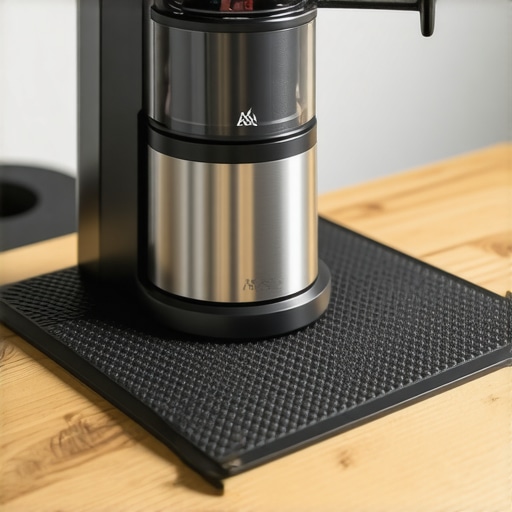
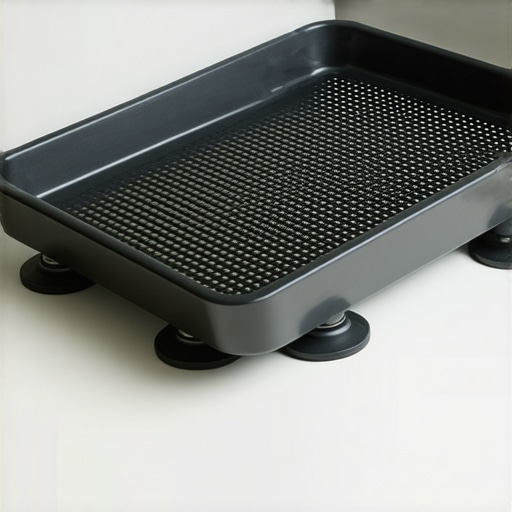
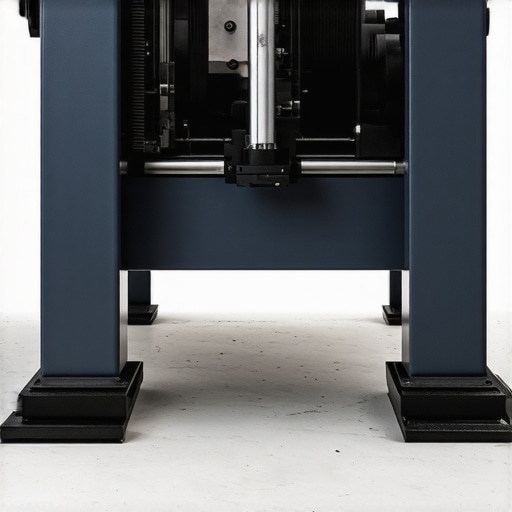
First, ensure your espresso machine sits on a flat, sturdy countertop. If your surface wobbles, use furniture pads or anti-vibration mats beneath the machine’s feet. I once placed mine on a wobbly kitchen drawer, which amplified vibrations—after switching to a solid granite countertop and adding a silicone mat, the rattle vanished overnight, making my shots more consistent.
Adjust or Replace Feet and Supports
Check the machine’s feet. Worn or uneven supports cause instability. Replace broken or uneven feet using manufacturer-approved parts. For my machine, swapping out the rubber feet with adjustable stainless-steel ones reduced movement significantly and improved shot quality. Learn more about choosing the right equipment to ensure stability.
Tighten All Connections and Fittings
Vibration can come from loose parts. Tighten fittings, portafilter handles, and steam wand attachments. I once neglected this, and my machine rattled every time I created steam—after tightening, the noise stopped. Be cautious not to overtighten and damage threads. Regular maintenance checks prevent loose components from causing unnecessary vibration.
Use Vibration-Dampening Accessories
Place anti-vibration mats, gel pads, or rubber strips underneath your machine. These absorb shocks and prevent transfer to the countertop. For added impact, I placed mine on a thick cork mat, which remarkably quieted the operation and minimized wall shaking.
Optimize Your Machine’s Placement
A close review of your setup can reveal issues. Keep the machine away from heavy appliances or cabinets that transfer vibrations. Additionally, ensure it isn’t placed too close to the wall or a window frame—space reduces resonance. After repositioning my machine a few inches away from the wall and adding soundproofing foam, the rattle was barely noticeable.
Regular Maintenance and Checks
Dust, coffee grounds, and mineral buildup can make parts less stable over time. Clean and descale your machine periodically. Also, inspect for loose screws or bolts. I schedule bi-monthly check-ups, which keep everything tight and reduce vibrations.
Consider Upgrading Your Equipment
If your current machine is prone to excessive vibration due to its design—say, a cheaply manufactured unit—it might be worth investing in a more robust model. Check the latest rated espresso machines that emphasize stability and quiet operation.
Many home baristas fall into common traps when selecting or using their espresso gear, often based on misconceptions that hinder their brewing quality. One widespread myth is that expensive equipment automatically guarantees perfect results; however, even high-end machines require proper technique and maintenance. Overspending on fancy milk frothers or barista gear without understanding their actual functionality can lead to disappointment. For instance, many believe that milk frothers deliver professional quality simply by pressing a button, but in reality, mastering milk steaming involves technique, temperature control, and proper accessories. Additionally, a frequent mistake is assuming that grinder quality alone determines shot consistency; but, as expert baristas point out, grinder setup, burr alignment, and dosing play equally critical roles see here. What’s more, some enthusiasts chase after ultra-light roasts or exotic beans expecting flawless extraction, neglecting that adjustments in grind size, tamping, and machine calibration are necessary to handle such beans effectively. Overlooking these nuances leads to subpar results, even with top-tier gear. Have you ever fallen into this trap? Let me know in the comments. Smart enthusiasts know that home espresso mastery involves understanding your gear’s quirks—it’s not just about having the latest accessories but also about fine-tuning and maintenance.
Keeping Your Equipment in Prime Condition
To ensure your home espresso setup consistently performs at its best, regular maintenance is key. I swear by a few specific tools and routines that keep my gear running smoothly and tasting great over the years. For instance, investing in a high-quality portafilter brush helps me remove stubborn coffee oils without damaging delicate parts, preventing buildup that can impair extraction. Additionally, a precision burr cleaner ensures my grinder’s burrs stay sharp and free of old grounds, preserving grind consistency and flavor. Regular descaling with a reputable solution prevents mineral buildup, which can cause clogs and uneven heating, especially important if you have hard water.
Invest in Superior Tools
When selecting barista gear, I prioritize equipment with sturdy construction and easy maintenance. A good tamper with a calibrated weight ensures consistent tamping pressure, contributing to uniform shots. For grinders, a conical burr grinder with stepless adjustments allows precise control over grind size—crucial for dialing in your beans. I also recommend a high-quality digital espresso scale to meter dosage and water flow accurately.
Looking ahead, the trend is moving toward intelligent maintenance systems integrated into espresso machines, capable of self-diagnosing issues and alerting you before problems escalate. Companies like Breville are beginning to incorporate app-based diagnostics, making upkeep more straightforward than ever.
How do I keep my gear functioning flawlessly over time?
The answer lies in establishing a routine that combines cleaning, calibration, and timely replacement of worn parts. For instance, replacing group head seals annually and checking steam wand fittings monthly can prevent leaks and pressure drops. Using quality O-rings and gaskets from reputable sources guarantees durability. Also, periodically running cleaning cycles with manufacturer-approved detergents will preserve your machine’s longevity and performance. This ongoing care reduces the need for costly repairs and ensures you enjoy cafe-quality espresso at home for years to come.
Scaling Your Home Barista Setup
If you’re advancing into serious territory, expanding your toolkit becomes essential. Consider adding a temperature control device or a dedicated water filtration system to optimize shot consistency. Upgrading to a PID controller allows precise temperature stability, crucial for complex beans. When properly maintained with the right tools, these upgrades can significantly enhance flavor profiles and streamline workflow. As the industry evolves, automation and smart sensors will become standard, giving you even more control with less guesswork. Embrace this future by starting with a high-quality, programmable grinder or a machine with built-in diagnostics to stay ahead.
Remember, your gear is only as good as the care you put into it. Regular maintenance routines—like cleaning burrs, replacing worn seals, and monitoring water quality—are investments in both your craftsmanship and your investment. Ready to take things to the next level? I highly recommend trying the advanced calibration techniques I mentioned. They may seem daunting at first, but mastering them will elevate your coffee game to professional standards. Need more guidance or personalized advice? Feel free to reach out through our contact page. Happy brewing!
Lessons Only the Pros Will Share About Espresso Gear
- One of my most surprising lessons was realizing how crucial a stable setup is—upgrading to adjustable feet and anti-vibration mats turned my shaky mornings into smooth, consistent pulls. Sometimes, small tweaks can prevent big headaches, like damaged equipment or inconsistent shots.
- I learned the hard way that regular maintenance isn’t just routine—it’s the secret to long-term stability. Cleaning burrs properly and inspecting gaskets periodically saved me from unexpected downtime, proving that thorough care pays off in both flavor and equipment health.
- Investing in quality tools like a calibrated tamper or a digital espresso scale might seem like extra expense, but these accessories drastically improve shot consistency. They turned my variable routine into a disciplined process with tangible results—perfect espresso every time.
My Toolbox of Secrets for Superior Home Espresso
- Trusted Resources:
- Espresso Equipment Guides: I swear by the comprehensive reviews and tutorials at this site. They helped me choose gear that matches my space and skill level, avoiding costly mistakes.
- Maintenance Products: Using high-quality descaling solutions and burr cleaners from reputable brands ensures my machine’s longevity. I always keep a supply handy, so I never miss a maintenance session.
- Community Insights: Forums and online groups are goldmines for troubleshooting and shared experiences. Engaging with fellow enthusiasts has introduced me to innovative tricks I wouldn’t discover alone.
Take the Leap and Elevate Your Coffee Ritual
“Your journey into stable, consistent home espresso is within reach—every adjustment you make brings you closer to that perfect shot. Embrace the learning curve, invest in the right tools, and enjoy the process of mastering your setup. The joy of pulling a flawless shot every morning is worth every effort, so don’t hold back—your next-level home barista awaits.”
What part of your espresso setup do you think needs the most attention right now? Share your challenges below and let’s troubleshoot together!