Why Your Burr Grinder Is Getting Hot During Your Third Shot
If you’ve ever found yourself mid-pull, watching your espresso pour out just a tad faster than usual, only to realize your burr grinder just gave off a faint burning smell, you know the frustration of an inconsistent brew. I remember the first time this happened to me — I was so excited to perfect my home setup, only to be met with a hotter-than-usual grinder and a bitter shot. It was like my equipment was protesting after just a couple of pulls!
Cracking the Mystery of a Hot Burr Grinder in the Midst of Your Routine
It might sound odd, but many home baristas encounter this exact problem: their burr grinders heat up surprisingly quickly, especially around the third shot. This isn’t just an inconvenience — it can significantly impact your espresso quality, bringing out unintended flavors and even risking damage to your gear. The good news is that with a few tweaks and understanding of your machine’s behavior, you can curb this issue and keep your grinder cool as a cucumber.
Is Hot Grinding Honestly a Big Deal or Just Coffee Myths?
I admit, early on I thought my grinder heating up was just a minor annoyance, not something to worry about. I ignored my mistake of grinding in quick succession without giving it time to cool down. That was a rookie error that I now know can lead to burned oils and stale flavors in your espresso, as highlighted by coffee experts who warn that excessive heat can indeed degrade bean quality and machine longevity. So yes, this is a serious issue worth your attention.
Implement Controlled Grinding Intervals to Prevent Overheating
One of the most effective ways to keep your grinder from heating up is to introduce cooldown periods between grinding sessions. When I first started noticing my grinder smoldering after three shots, I began experimenting with pausing for 20 to 30 seconds after every rapid grind. This break allowed the burrs to shed excess heat, preventing the buildup that causes burning smells and bitter flavors. Think of it as giving your machine a breather, much like a runner catching their breath during a sprint.
Set a Timer for Consistent Rest Periods
To standardize this practice, use a simple kitchen timer or smartphone app to remind you to pause. For example, after grinding enough beans for one shot, wait 20 seconds before the next. Over time, this habit helps maintain a stable temperature, improving shot consistency and prolonging your machine’s lifespan. This method is particularly beneficial if you’re frequently pulling back-to-back shots, as it mimics professional barista routines for optimal espresso quality.
Adjust Your Grind Size for Less Resistance
Finer grind settings require your grinder to work harder, generating more heat. By dialing the grind slightly coarser—just a small step—you reduce the load on the burrs, decreasing heat output. I once experienced excessive heat when attempting to grind espresso at an extremely fine setting. After adjusting to a slightly coarser grind, I noticed less smell and more stable temperature during extended sessions. Remember, a fine grind isn’t always necessary; finding the right balance can be your secret weapon.
Test Different Settings to Find Your Sweet Spot
Start by adjusting your grinder one click coarser and observe the temperature over several shots. Use your espresso machine’s feedback—like extraction time and shot taste—to guide you. This process is akin to tuning a musical instrument: small adjustments make a big difference for harmony in flavor and machine health. Don’t hesitate to revisit your grind settings periodically, especially when changing beans or humidity levels.
Upgrade to a Commercial-Grade Grinder for Heavy Use
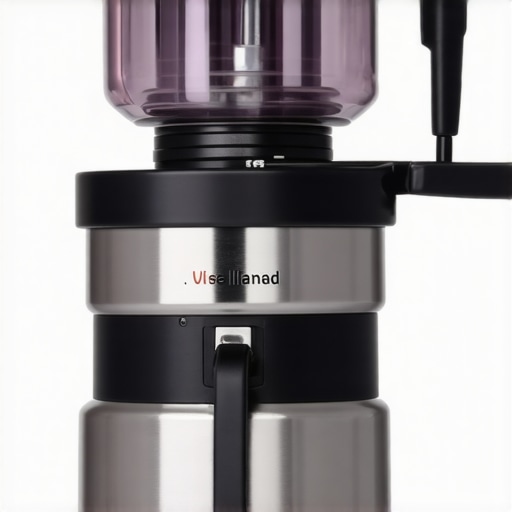
If you find yourself consistently pushing your home setup to its limits, investing in a high-quality commercial grinder can be a game changer. These machines are designed for sustained use and feature advanced cooling systems. For instance, I upgraded from a mid-range grinder to a professional model, and the difference was immediate. The increased durability and cooling capacity allowed me to grind larger batches without worrying about overheating or compromised flavor.
Research Top-Rated Models Before Purchasing
Before making a decision, explore options tailored for home enthusiasts by visiting trusted sources such as this guide. Selecting the right grinder not only protects your investment but ensures consistent quality in every shot, reinforcing the importance of choosing gear suited for your specific needs. Remember, a well-chosen grinder pays dividends in both flavor and machine longevity.
Maintain Your Grinder Regularly to Keep It Cool
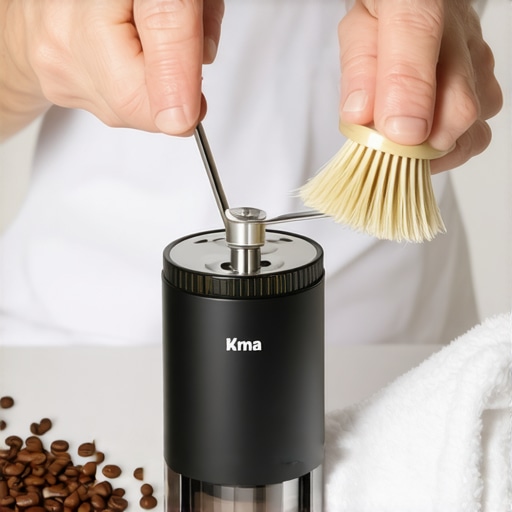
Consistent cleaning is key to managing heat and performance. Remove coffee oils and residue that can insulate the burrs and trap heat, similar to how a car engine benefits from regular oil changes. Use appropriate brushes and cleaning agents, following instructions found in this cleaning procedure. A clean grinder operates more efficiently, produces less heat, and ensures your espresso remains crisp and flavorful.
Establish a Maintenance Routine
Schedule weekly cleanings and inspection, especially if you notice unusual smells or temperature spikes. Keeping your equipment in top shape mitigates overheating risk and prolongs its lifespan. Over time, these small but consistent efforts will make grinding feel effortless and your brew consistently excellent, much like tuning a guitar before each performance.
Many coffee enthusiasts believe that investing in high-end equipment automatically guarantees perfect espresso, but this isn’t entirely true. In fact, a common misconception is that pricier machines and grinders are always better, which ignores the importance of proper technique and understanding your gear’s nuances. For example, some assume that a commercial-grade grinder will eliminate all issues with over-extraction or uneven grounds, but without correct calibration and maintenance, even the most expensive grinder can produce subpar results. This highlights the real secret: mastering your equipment through understanding its quirks often trumps just buying top-tier gear.
Why do so many home baristas struggle with inconsistent shots even with quality machines?
They’re often unaware of how subtle adjustments affect extraction and flavor. For instance, grind size is crucial but isn’t a one-and-done setting. Small tweaks, guided by taste and extraction time, can dramatically improve results. Additionally, many overlook the significance of equipment maintenance. Residual oils and mineral buildup can cause inefficiencies and uneven temperature, which directly impact shot quality. Regular cleaning and precise calibration are vital, yet often ignored—a costly mistake. For expert insights, consider reviewing this guide to understanding how selecting and maintaining your gear impacts performance.
A frequent trap is assuming equipment alone determines success. As espresso connoisseur James Hoffmann emphasizes, technique, consistency, and environment play equally, if not more, significant roles. This means dialing in settings, temperature control, and even ambient humidity are just as important as owning a top-tier espresso machine. Failing to appreciate these nuances can lead to persistent dissatisfaction, no matter how expensive your gear.
One advanced concern involves the effects of gear vibrations and mechanical imperfections, which can subtly alter extraction. For example, a wobbly portafilter may cause uneven tamping pressure, leading to channeling. Experts recommend periodically inspecting your machine’s stability and applying precise maintenance routines to prevent such issues. This level of attention is what elevates a good setup to a professional standard.
Embrace the idea that expert-level coffee preparation hinges on understanding and managing the intricate dance between your equipment and your technique. Don’t just focus on upgrading gear—invest time in learning its nuances and maintaining it properly. This mindset ensures consistent quality and extends your gear’s lifespan. Curious to learn more about optimizing your setup? Check out this resource for comprehensive advice.
Have you ever fallen into this trap of overestimating your gear’s abilities? Let me know in the comments, and share your experiences—better techniques could be your next step to coffee mastery.
Ensuring your home espresso setup remains reliable and delivers consistently excellent shots requires more than just choosing the right equipment. Regular maintenance, the right tools, and strategic upgrades are key to keeping everything working smoothly over time. I personally swear by specific cleaning routines and high-quality accessories that prevent common issues like clogs, uneven extraction, or overheating. Investing in these tools not only prolongs your gear’s lifespan but also helps you fine-tune your brewing process for even better results.
Keep Your Gear in Top Shape for the Long Haul
Frequent cleaning is non-negotiable. Use a dedicated burr brush and descaling solution recommended by manufacturers—regularly removing coffee oils and mineral deposits prevents buildup that can impair performance. For grinders, I prefer a cleaning cycle using grain or specialized grinder cleaner to keep burrs sharp and prevent clogging, which you can learn more about in this detailed guide. A well-maintained grinder not only produces more uniform grounds but also runs cooler, reducing the risk of overheating that can spoil your shot.
Upgrading Your Tools for Better Durability
If you’ve noticed your current espresso machine requires frequent repairs or struggles during busy mornings, it might be time to consider a upgrade. Models listed in top-rated espresso machines for 2025 are designed with longevity and stability in mind. For grinders, investing in a commercial-grade unit with advanced cooling features helps maintain consistent temperature, which is critical for flavor fidelity over extended sessions. Remember, selecting the right gear involves balancing immediate needs with future growth—don’t hesitate to explore options that will scale with your skills and volume.
How do I maintain my equipment over time?
Developing a routine is essential. Regularly schedule cleaning with appropriate brushes and descaling agents, inspect moisture seals, and check for mechanical wear. For instance, routinely replacing worn o-rings on your steam wand or gasket can prevent leaks and performance drops that increase heat and cause inconsistent shots. Keeping a maintenance log helps track when components are due for inspection or replacement, similar to vehicle upkeep. These small but steady efforts ensure your gear stays operational and efficient, turning your home setup into a reliable barista station.
Future of Home Espresso Gear
Technological advancements suggest smarter, more durable equipment with integrated sensors and auto-cleaning features will dominate the market in the coming years. Imagine machines that monitor their own maintenance needs and notify you remotely—saving you time and protecting your investment. Staying aware of these trends and proactively upgrading your tools will keep your brews consistently perfect. I recommend trying out an automatic descaling system or programmable cleaning cycles to see how they can simplify your routine today.
Mastering your tools involves more than just initial selection; ongoing care and strategic upgrades are vital. For instance, using high-quality water filtration systems can significantly extend your machine’s life and improve taste—something I’ve included in my own routine after reading expert advice from this article. Don’t overlook the power of proper tool maintenance—try implementing a weekly cleaning checklist to see immediate improvements in your espresso quality and machine performance.
Over the years, I’ve learned that the secret to exceptional espresso isn’t just about buying top-tier gear—it’s about nurturing that gear through diligent maintenance and strategic adjustments. The real breakthroughs often come from simple routines and understanding the nuances of your equipment, rather than expensive upgrades alone. When I started paying closer attention to my grinder and espresso machine health, I noticed a remarkable improvement in shot quality and consistency, even on busy mornings.
Lessons from the Trenches: Surprising Insights About Home Espresso Gear
– Even high-end equipment benefits from routine TLC: I used to believe that once I bought that sleek, expensive grinder, my worries were over. Turns out, regular cleaning and calibration are vital—neglecting them can lead to overheating, clogged burrs, and inconsistent grind size. The key is developing a maintenance habit, like scheduling weekly cleanups according to this detailed cleaning routine.
– Small adjustments can prevent big heat issues: I found that coarser grind settings and controlled grinding intervals dramatically cut down heat buildup. Instead of grinding several shots back-to-back, pausing periodically or slightly adjusting the grind can extend the life of your burrs and keep flavors pure. Practice tuning your grinder by testing different settings and observing temperature fluctuations, much like tuning a musical instrument for harmony.
– Understanding thermal dynamics saves money and frustration: When I realized that rapid, continuous grinding causes thermal strain, I started implementing cooldown periods and monitored my grinder’s behavior. This conscious approach not only prevented burnt flavors but also reduced wear and tear. Upgrading to a grinder with better cooling capabilities, as discussed in top-rated models, became a game changer for heavy use.
– Consistent cleaning extends your gear’s lifespan: It’s simple but often overlooked—removing coffee oils and residues prevents insulating heat and clogging. Regularly inspecting parts, like seals and gaskets, solves potential issues before they escalate. With each maintenance session, I felt more confident in my equipment’s reliability, leading to better, more predictable shots.
My Essential Arsenal for Home Espresso Excellence
– Deep-clean kits and brushes: Personal favorites include specialized grinder cleaning brushes and fittings for milk frothers. These tools make routine care quick and thorough.
– Calibrated scales and thermometers: Fine-tuning your workflow with trustworthy tools from this comprehensive guide ensures precise extraction and consistent temperature control.
– High-quality water filters: I noticed that pure water prevents mineral buildup and boiler strain—saving money on repairs and ensuring better-tasting espresso. Adding a good filter system from trusted brands is an easy upgrade with lasting benefits.
– Scheduling reminders and logs: Keeping a maintenance journal helps me stay on top of tasks—whether it’s descaling, gasket replacement, or burr sharpening. Small, regular actions accumulate into a substantial difference in performance and flavor.
Embracing a Culture of Care for Your Coffee Journey
For me, elevating my home espresso setup has been a journey of continuous learning and small improvements. The more I invested in understanding and caring for my gear, the more confident I became—and the richer my coffee tasted. Remember, tech can only get you so far; it’s the routine touch, patience, and curiosity that transform your brewing experience. To explore more about creating an enduring setup, I recommend these insights into maintenance and upgrades.
How about you—what’s the small daily habit you’ve adopted that made a noticeable difference in your espresso brewing? Share your tips below and let’s grow together in this craft.