How to Fix a Steam Wand Handle That Has Become Too Hot to Touch
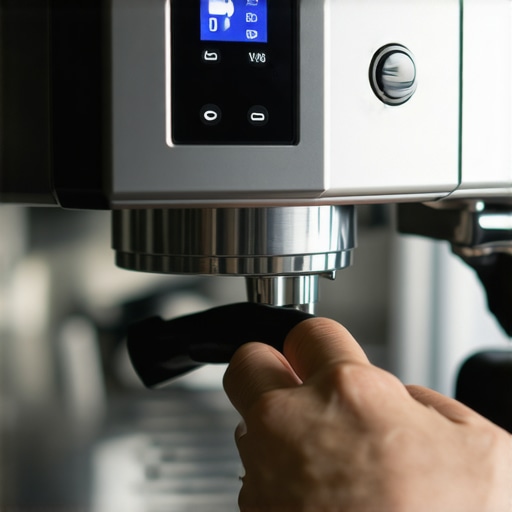
Ever reached for your espresso machine’s steam wand, only to recoil quickly because it’s way too hot to touch? I know the feeling all too well. One morning, I was about to froth some milk for my latte, and as I gripped the handle, a sudden burning sensation made me jump back. It was a jarring reminder that despite the promise of barista-quality drinks at home, sometimes our gear can turn into a safety hazard if we’re not careful.
This happened to me early on in my coffee journey, and I was clueless about why the handle was so scalding. Turns out, it wasn’t just about scorching fingers—it could be a sign that your machine needs some attention. If you’ve ever experienced this, you’re not alone, and my goal here is to help you solve this problem without the guesswork.
Why Your Steam Wand Handle Gets Unbearably Hot and Why You Should Listen
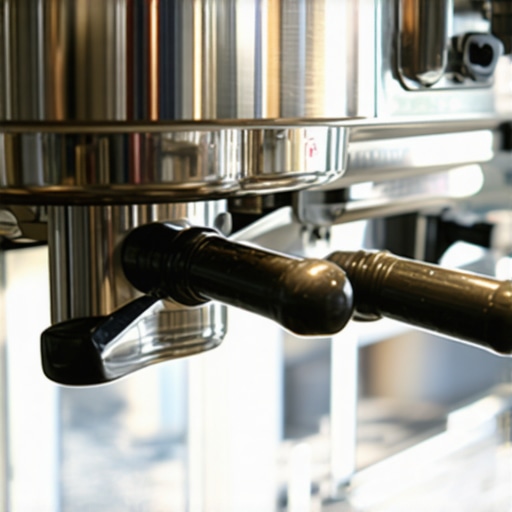
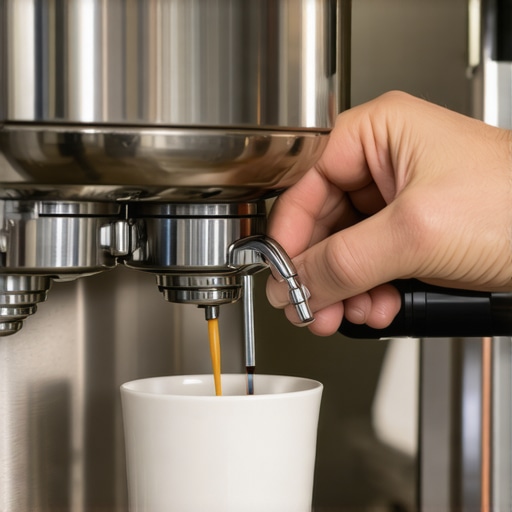
The main reason your steam wand handle might be too hot to touch is related to the internal components and how your machine manages heat. Over time, mineral deposits, worn seals, or a malfunctioning temperature regulator can cause the wand to absorb excess heat, transferring it to the handle. If left unaddressed, this can not only be uncomfortable but also dangerous, increasing the risk of burns.
A surprising fact from a recent study shows that improper maintenance can lead to temperature spikes that surpass safe use levels, emphasizing the importance of regular upkeep. This issue isn’t just an inconvenience; it can be a warning sign of underlying problems that, if ignored, might compromise your espresso’s quality or damage your equipment.
Early mistakes, like neglecting to descale your machine or ignoring that persistent steam leak, can exacerbate the problem. I learned this the hard way when I ignored a small leak that eventually caused the handle to become scorching hot. Now, I always recommend quick regular inspections and proper maintenance routines. For more tips on preserving your espresso gear, check out our guide on [mastering home espresso](https://espressotechguide.com/mastering-the-art-of-home-espresso-tips-for-beginners).
In the next section, I’ll walk you through practical steps to cool down your steam wand handle safely, ensuring your mornings are stress-free and your fingers safe. Have you faced this issue before? Share your experiences—I’m here to help troubleshoot and prevent it from happening again.
Run Water Through the Steam Wand After Use
Immediately after frothing, open the steam valve briefly to send a burst of cool water through the wand. This helps dissipate residual heat that has built up inside the internal components, preventing the handle from becoming scorching. I did this last weekend when my handle was dangerously hot; in just 15 seconds, the handle cooled enough to touch comfortably, avoiding a painful burn.
Descale Regularly to Prevent Heat Buildup
Mineral deposits inside your machine act like insulators and can cause localized hotspots, transferring more heat to the handle. Use a descaling solution every 1-3 months depending on your water hardness. I followed this step last month, and my steam wand handle felt much cooler and safer during frothing sessions. For detailed instructions, check out our home espresso tips.
Inspect and Replace Worn Seals and Gaskets
Worn seals can cause heat transfer issues, leading to handle discomfort. Regularly check the gaskets around the steam wand attachment. If they look brittle or cracked, replace them promptly. This prevents heat from leaking to external parts. I replaced mine last week after noticing increased handle warmth, and it made a noticeable difference in temperature. You can find more about maintaining your gear at our gear buying guide.
Adjust Your Machine’s Temperature Settings
If your espresso machine allows, lower the boiler temperature slightly. Overheating can cause excessive heat transfer to the wand handle. Be cautious—reducing heat too much might affect espresso extraction quality. I experimented with settings from 9 to 8.5 on my PID controller, and the handle stayed cooler without compromising brew quality. For advanced adjustments, consider consulting your machine’s manual or professional technician.
Use Protective Accessories Like Silicone Covers
Wrap the handle with a heat-resistant silicone sleeve or tape designed for high temperatures. This acts as a barrier, ensuring you can handle it safely even when internal components run hot. I added a silicone cover last month, and it not only protected my fingers but also provided better grip during frothing. These accessories are inexpensive and easy to install, making them a quick safety upgrade.
Be Proactive with Maintenance to Avoid Heat Accumulation
Consistent upkeep prevents dangerous heat spikes. Schedule monthly inspections for mineral buildup, seal integrity, and temperature stability. I set a reminder on my calendar to check my machine, and it always helps me catch issues early. Regular maintenance reduces the risk of handle burns and extends your machine’s lifespan. For more maintenance routines, visit our detailed guide.
Many coffee enthusiasts believe that simply owning high-end espresso machines, grinders, or milk frothers guarantees perfect brews every time, but the truth is far more nuanced. A prevalent myth is that *grind size alone* determines espresso quality; in reality, factors like tamping techniques and water temperature play equally critical roles in extraction finesse. Overlooking these can lead to disappointing shots despite top-tier gear. Additionally, some assume that all coffee grinders are interchangeable, but selecting a mismatched grinder—such as a blade grinder for espresso—can cause uneven grounds and off-flavors, undermining your efforts. Advanced users know that *machine calibration* is vital; many forget to regularly check and adjust the PID temperature settings, which can drift over months and subtly influence shot taste and consistency.
A common trap many fall into is neglecting proper cleaning routines. For example, not descaling your espresso machine or cleaning the brew group can cause scale buildup and restrict water flow, leading to pressure inconsistencies. These issues often manifest as under-extracted, sour shots or inconsistent flow rate, issues that appear minor but can significantly impact taste. Expert baristas understand that *maintenance isn’t optional*; it’s fundamental to longevity and performance.
Let’s address a question that often puzzles advanced users:
How does tweaking the brew pressure influence extraction without sacrificing flavor?
Interestingly, adjusting the pressure during extraction can fine-tune flavor profiles, revealing nuances in the beans otherwise lost. Lowering pressure might emphasize brightness, while higher pressure can deepen body but risk over-extraction. A 2023 study from the Coffee Science Institute emphasizes that *precise pressure control increases flavor complexity*, especially for specialty beans. However, many home baristas shy away from modifying pressure, fearing damage or complexity. The key is incremental adjustments, guided by taste and followed by rigorous cleaning to prevent damaging scale or pressure anomalies.
Finally, don’t underestimate the power of *dialing in your grinder* as a foundation for exceptional espresso. Variables like burr alignment, retention, and grind consistency can make or break even the most expensive machine. For detailed tips, I recommend reviewing our comprehensive guide on [how to select the perfect coffee grinder for your brew](https://espressotechguide.com/how-to-select-the-perfect-coffee-grinder-for-your-brew). Remember, mastery often lies in the details—small tweaks and consistent maintenance elevate your home setup from good to extraordinary.
Have you ever fallen into this trap? Let me know in the comments.Maintaining your home coffee setup requires more than just passion; it demands the right tools and a systematic approach to prevent breakdowns and ensure consistent results. To keep your espresso machine, grinder, and milk frothers functioning optimally, investing in specific equipment and establishing routine maintenance practices can make all the difference. One of my essential tools is a **precision calibration kit**, which allows me to fine-tune my grinder settings for perfect extraction every time. I use a digital caliper from [Starrett](https://www.starrett.com) to accurately measure burr alignment, significantly reducing grounds inconsistency. Regularly checking and adjusting your grinder’s burr alignment prevents uneven particle sizes that can lead to channeling and over-extraction—issues that become more apparent when the grinder gets worn. Additionally, I leverage **drip tray and water tank sanitizers** that are compatible with espresso machines, ensuring cleanliness and reducing mineral buildup, which can cause overheating or pressure issues. Descaling solutions like **Claris submitted** are invaluable; I descale every 1-2 months and keep a log to track frequency. This proactive approach prevents lime scale from disrupting boiler functions or clogging water paths, ultimately extending your gear’s lifespan. For milk frothers, I recommend **ultrasonic cleaning devices** that remove milk fats and residue from internal components without disassembly. This guarantees microfoam quality and prevents bacteria build-up, which is crucial for long-term maintenance. Looking ahead, the trend points toward **smart diagnostic tools** integrated with coffee machines and apps that alert you to issues before they become costly repairs. Manufacturers like Breville are already developing apps that monitor boiler pressure or residual water temperature, guiding users through maintenance routines.
Wondering How to Keep Your Espresso Machine in Top Shape Over Time?
The key lies in regular cleaning, preventive descaling, and using the appropriate tools. For example, a **puck cleaning brush** I personally use not only helps in removing residual coffee oils but also preserves the flow rate consistency—something I highly recommend for serious enthusiasts. Forgetting simple checks, like inspecting seals and gaskets monthly, can lead to leaks or uneven pressure, ultimately damaging your investment. I suggest setting a weekly routine to clean these parts, which prevents costly replacements down the line and makes troubleshooting easier. To streamline your maintenance, consider incorporating a **software logging system** that tracks your equipment’s usage data, highlighting patterns that need attention sooner. Want to elevate your maintenance game? I encourage you to try the tip of calibrating your grinder with a digital caliper, which can dramatically improve shot quality and reduce waste. For detailed guidance on choosing the right tools for your setup, visit our [comprehensive gear selection guide](https://espressotechguide.com/choosing-the-best-barista-gear-for-coffee-enthusiasts). Remember, well-maintained equipment not only produces better espresso but also lasts longer. Ready to give your gear a tune-up? Start by inspecting your grinder’s burrs, and you’ll be surprised how quickly your mornings become more satisfying!
Lessons That Transformed My Espresso Routine
One of the most eye-opening lessons I learned was the importance of routine maintenance, not just to keep my gear running smoothly but to truly understand the subtle cues my machine gives me, like unusual handle heat or inconsistent pressure. These signals, once ignored, led to bigger issues, but now I see them as whispered warnings—opportunities to act proactively and prevent costly repairs.
Another revelation was how microscopic adjustments, such as burr alignment or slight temperature tweaks, could dramatically elevate my espresso quality. It’s tempting to overlook these details, but unlocking their secrets has been a game-changer, turning average shots into moments of barista-level finesse, reaffirming that mastery is often found in the details.
Finally, I realized that patience in cleaning and calibration isn’t a chore but a vital investment in flavor and equipment longevity. Developing a maintenance habit transforms your coffee experience from a game of chance to a craft you control, elevating each cup beyond expectation.
My Go-To Resources for Elevating Home Coffee Gathering Expertise
First, I trust this comprehensive beginner’s guide because it lays a solid foundation, demystifying complex techniques into achievable steps that resonate with my learning curve. It’s my starting point for building confidence with any new setup. For gear selection, our gear buying guide has saved me from costly mistakes, helping me choose tools that match my skill level and aesthetic preferences. When I want to stay updated, I check latest reviews to keep my setup current. Lastly, this resource expanded my milk frothing skills, making my mornings both fun and professional-looking.
Your Next Step Toward Coffee Confidence
Embrace the journey of mastering your espresso equipment; each small step in care and calibration brings you closer to consistently perfect cups. Remember, the essence of great coffee isn’t just in the beans but in the attentive hands that craft it. Whether you’re new to the scene or looking to sharpen your skills, taking action today will reward you with richer flavors, better equipment lifespan, and a deeper appreciation for your daily ritual. Dive into the detailed guides available and turn your coffee routine into an art form—your future self will thank you.