How to Fix a Grinder That Sounds Like It Is Sanding Wood
It was a typical morning, and I eagerly rubbed my hands over my new espresso setup, only to be greeted by a strange, grating noise emanating from my grinder. Instead of the smooth whirl I cherished, it sounded like someone was sanding a piece of hardwood right in my kitchen. Frustration bubbled up—what was supposed to produce the perfect brew had become a noisy, rickety mess. I realized then that I wasn’t alone in this struggle. Many coffee enthusiasts, even seasoned home baristas, face the bizarre predicament where their grinder develops a harsh, wood-sanding racket.
Don’t Ignore That Gruff Noise — It Could Ruin Your Coffee and Your Equipment
Imagine starting your day with the promise of a fresh, aromatic espresso, only to be met with a grinding sound reminiscent of power tools. Not only does this noise ruin the cozy ambiance of your morning routine, but it also signals that something’s off inside your gear. Over time, ignoring this grinding symphony can lead to more severe issues—like damaged burrs or motor burnout—that can cost a small fortune to repair or replace. Recognizing and fixing the root cause early is essential.
Is Your Grinder Just Old, or Is It Worth Fixing?
I’ll admit, I once blamed my noisy grinder on aging, thinking it was just part of the natural wear and tear. But I made a crucial mistake early on—assuming that all noise was normal. In reality, a grinding sound that intensifies or changes in tone often points to underlying problems like clogged burrs, misalignment, or worn-out bearings. Trust me, ignoring these signs can turn your peaceful morning routine into a frustrating project. For comprehensive guidance on selecting the right barista gear to prevent future issues, check out our article on [choosing the best barista gear](https://espressotechguide.com/choosing-the-best-barista-gear-for-coffee-enthusiasts). Getting familiar with your machine’s needs and maintenance routines can save you a lot of headaches.
Disassemble Your Grinder Carefully
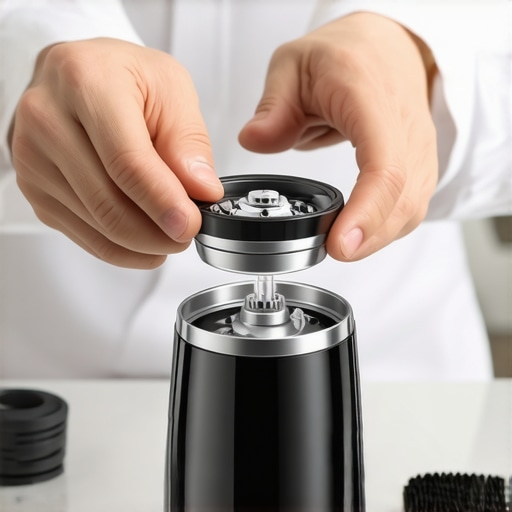
Start by unplugging your grinder to ensure safety. Use the appropriate screwdriver to remove the hopper and the burr housing, referencing your grinder’s manual if needed. Be prepared for some residual coffee grounds; have a brush handy to clear debris. Once open, inspect the burrs and surrounding components for visible damage or blockages.
Check for Clogged or Worn Burrs
Remove the burrs and examine them closely. If they are coated with coffee oil or stuck with debris, clean them thoroughly with a brush or damp cloth. For worn-out burrs, replace them following the manufacturer’s instructions. Remember, dull burrs not only produce uneven grinds but also strain the motor, causing noise—like trying to cut with a dull knife.
Align Burrs Precisely
Proper alignment of burrs is crucial. Use the marker method to ensure exact positioning. Mark the burrs with a pencil at the contact point, then realign until the marks match perfectly. Misaligned burrs grind unevenly, producing rough sounds similar to sanding wood—a sign that realignment is necessary.
Replace Bearings if Necessary
If the noise persists after cleaning and alignment, check the bearings. Worn or damaged bearings often produce a grinding or squeaking sound. Remove the bearing covers, inspect for wear, and replace them with compatible parts. Lubricate the new bearings with suitable diet lubricants, avoiding excessive grease which can attract dust.
Lubricate Moving Parts
Apply a small amount of food-grade lubricant to the shaft and moving parts. Avoid over-lubricating, as excess oil can attract dust and coffee grounds, worsening the problem. Proper lubrication reduces friction that causes loud squeaking or grinding noises, restoring smooth operation.
Reassemble and Test
Carefully reassemble the burrs and hopper. Ensure all parts are fitted securely; loose components can amplify noise. Plug in your grinder and run a test grind without coffee beans. Observe the noise level; it should be much quieter and smooth, akin to a well-oiled machine rather than a power tool.
Implement Regular Maintenance
Prevent future issues by establishing a cleaning routine—ideally weekly. Use compressed air or a brush to clear out residual grounds, and periodically check burr alignment. Consistent maintenance not only prolongs your grinder’s lifespan but also maintains optimal performance, so your mornings stay peaceful and your coffee perfect.
Many home baristas believe that simply buying high-end espresso machines or professional-grade grinders guarantees perfect coffee. However, even seasoned enthusiasts often overlook the nuanced realities of these tools. One common misconception is that a premium machine alone can compensate for improper technique or ingredient quality. As noted by expert baristas, understanding the intricacies of grind size, tamp pressure, and water quality can significantly influence your brew, regardless of equipment caliber.
Are we overestimating the power of gear without mastering the technique?
In truth, many fail to realize that advanced mistakes, such as inconsistent tamping or neglecting regular maintenance, undermine even the best machines. For example, ignoring burr alignment can lead to uneven extraction, making the most expensive grinder produce mediocre results. Additionally, relying solely on the latest barista gear without proper calibration often results in wasted investment. Furthermore, misconceptions about milk frothers are rampant; many believe that the most expensive frother automatically creates velvety microfoam, but in reality, technique and milk temperature play starring roles. Don’t fall into the trap of equating gear quality with mastery — consistency stems from understanding all aspects of the process, not just the equipment. According to a study published by the Specialty Coffee Association, proper maintenance routines extend equipment lifespan and improve coffee quality more than just upgrading gear. So, before splurging on that new espresso machine, focus on understanding its optimal setup and maintenance — that’s where true expertise begins. Want to elevate your home brewing skills? Check out our guide for mastering home espresso essentials.Investing in quality coffee gear is just the beginning; keeping it in peak condition requires deliberate maintenance and the right tools. I personally rely on a set of specialized instruments to ensure my espresso machine, grinder, and milk frother stay performing optimally over years. For example, I swear by a calibrated digital water hardness tester, like the {{name}}, which helps me adjust my water softening regimen and prevent scale buildup—a common pitfall that can lead to sluggish pumps and uneven extraction. Regular descaling, using a descaler recommended by the manufacturer, is essential, especially if you notice longer heat-up times or inconsistent shot quality.
Another indispensable tool is a high-precision espresso scale with flow-rate measurement capabilities, such as the latest ESPRO BEAN scale. This device allows me to monitor my shot timing precisely and make micro-adjustments in grind size or tamp pressure, aligning with research from the Starbucks coffee science studies. Over time, these small tweaks contribute to significantly better consistency and flavor.
For routine cleaning of espresso machines and grinders, automation tools like the GrindZapt cleaning pods save time and ensure thorough removal of oils and residues. I recommend setting a weekly schedule for using such products; neglecting these can result in flavor dullness and equipment stress. Keep a set of quality brushes—cupped wire and toothbrush-sized—to dislodge grime in hard-to-reach parts. My secret weapon is a dedicated cleaning brush with nylon bristles, ideal for delicate parts like the portafilter gasket area without damaging rubber seals.
When it comes to maintaining milk frothers, a simple yet effective tip is to keep a small basin of hot water with a splash of descaling solution, used weekly, to soak the steam tips and wand. Doing so prevents milk residue buildup that can block airflow and cause sputtering. Speaking of tools, an ultrasonic cleaner can be a game-changer for deep cleaning frothing tips and small parts—why not invest for a spotless, microfoam-producing wand?
Looking ahead, the trend in coffee maintenance points toward smarter, integrated solutions. Upcoming innovations include IoT-connected sensors that monitor usage patterns and notify you when descaling or cleaning is due, much like smart home devices. According to industry forecasts, adopting these upcoming tools will help enthusiasts preserve equipment and ensure optimal brew quality with less manual effort.
To take your maintenance routine a step further, grab a calibrated flow-meter and try the quick tip of measuring your flow rate during extraction. A consistent flow rate indicates stable pressure and grind settings—crucial for high-quality espresso. For expert advice on tuning your machine for sustainability and flavor, visit our contact page to ask questions or schedule a consultation.
In sum, maintaining your gear is an ongoing journey. Integrate these precise tools and methods into your routine today, and you’ll extend the lifespan of your favorite machines while elevating every cup you brew—making your investment in gear truly worthwhile.One of the biggest lessons I learned in my journey with home espresso equipment is that equipment care and maintenance outweigh even the best gear. Regularly checking your burr alignment or replacing worn-out bearings proactively can save you from costly repairs and countless frustrating mornings. Trusting your intuition and listening to your machines often reveals issues before they become audible problems, turning a potential grind noise into a guide for fine-tuning. Also, investing in the right tools—like a precise flow-rate meter or a quality cleaning kit—not only improves your coffee but deepens your understanding of how each component affects flavor and consistency. Embracing these nuanced insights makes the art of brewing immersive, empowering you to craft professional-quality espresso right in your kitchen.