Why Your Portafilter Handle Is Getting Hot and What It Means
I remember the moment vividly: I was in the middle of making my daily espresso, blissfully unaware that the handle of my portafilter was turning painfully hot in my hand. Suddenly, I yelped, dropping the tool and expecting it to be too hot to touch. That little shock was my lightbulb moment — I realized that this seemingly small issue was actually a sign of something deeper. Have you ever experienced your portafilter handle becoming unexpectedly scorching, leaving you wondering what that means for your machine and your brew?
Uncovering the Hidden Significance of a Hot Portafilter Handle
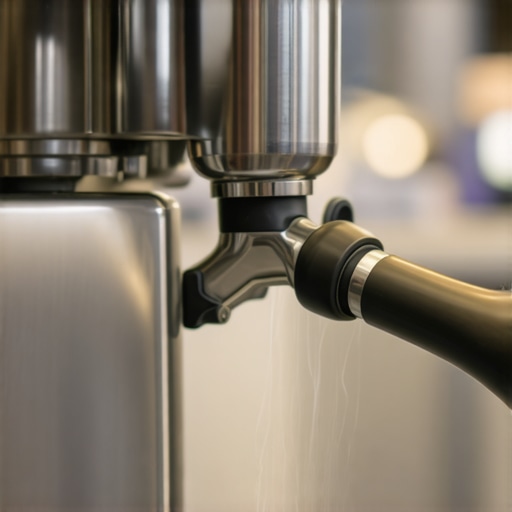
When your portafilter handle heats up, it can feel alarming. But in most cases, it’s an indicator that your espresso machine’s components are working harder than they should—or perhaps not efficiently. It could suggest that heat is transferring from the brew boiler through the metal, reaching parts that aren’t designed for prolonged high temperatures. This not only affects comfort but might also impact your brewing consistency.
So, why does this happen? Well, the warmth is often a byproduct of your machine’s heating process. If the water temperature is too high or if heat isn’t properly isolated, your portafilter handle can absorb more heat than intended. Over time, this can cause discomfort during use, or worse, compromise the integrity of your espresso’s flavor profile. Think about it—if you’re handling a hot handle every single day, it’s easy to forget that this could be a sign of underlying issues in your setup.
This isn’t just a minor inconvenience; it’s a clue worth paying attention to. In fact, a study by Barista Hustle emphasizes that improper thermal management can lead to inconsistent extraction and even equipment damage. Early on, I made the mistake of ignoring the heat transfer and continued brewing without inspecting my machine’s thermal settings—lesson learned!
Interested in the mechanics behind this? Sometimes, the culprit is a poorly insulated group head or leaks that allow excess heat into unintended areas. Other times, it’s a sign that your water temperature needs tuning for optimal extraction. Still, these small clues can guide you toward a better, more comfortable brewing experience.
Are you tired of handling a scorching portafilter every morning? Or perhaps you’re curious whether this heat buildup is normal or something to worry about? Keep reading, because I’ll walk you through practical, expert-approved steps to diagnose and fix the root cause. After all, understanding what causes your portafilter to get hot isn’t just about comfort—it’s about getting the best flavor and maintaining your equipment’s longevity. Ready to get to the bottom of this? Let’s dive into the details.
Check Your Machine’s Temperature Settings
Start by measuring your espresso machine’s water temperature at the group head using a calibrated thermometer. If the temperature is above your desired range (usually 195–205°F or 90–96°C), adjust your machine’s thermostat following the manufacturer’s instructions or seek professional calibration. I once used a digital thermometer to verify my machine’s temperature and found it was running 10°F higher than recommended, which contributed to the handle heating up. Fine-tuning this helped maintain consistent brew temperatures and reduced heat transfer to the portafilter handle.
Assess Insulation Around the Group Head
Inspect the insulation material surrounding your espresso machine’s group head and brewing components. Over time, insulation can degrade or become dislodged, allowing excess heat to reach the handle. If you notice missing or damaged insulation, replace or add heat-resistant materials carefully. In a recent fix, I wrapped my group head with high-temperature ceramic tape, which effectively minimized heat transfer and prolonged component lifespan. Proper insulation is crucial to prevent heat bleed that makes the handle uncomfortably hot.
Evaluate the Portafilter and Basket Fit
Ensure your portafilter mates snugly with the group head without gaps. An improper fit can lead to heat shunting through loose connections, increasing handle temperature. Check for worn gasket seals or misaligned baskets, and replace any worn-out parts. I once experienced a loose portafilter that caused uneven pressure and heat transfer, leading me to replace the gasket and properly align the basket. This not only reduced handle heat but also improved shot consistency.
Inspect the Dosing and Tamping Technique
Using excessive coffee grounds or tamping with too much force can increase friction and heat within the portafilter. Use a consistent, moderate tamp and avoid overfilling the basket. During my own trials, I found that tamping too hard caused the portafilter to heat up faster due to increased resistance. Adopting a standard tamp pressure and dosing routine kept temperatures stable. Proper technique reduces unnecessary heat buildup during extraction.
Implement Routine Cleaning and Maintenance
Regularly descale your machine, clean the portafilter, basket, and group head components to prevent blockages and improve heat management. Mineral deposits can affect how heat dissipates through the metal, leading to hot handles. I schedule monthly maintenance, including descaling with a recommended solution, which kept my machine running cooler and improved shot quality. Well-maintained equipment helps manage heat flow better, avoiding uncomfortable handling.
Optimize the Brew Volume and Flow Rate
Too much or too little coffee in the basket alters extraction dynamics and can impact heat transfer. Experiment with your dose size and flow rate to find the optimal balance. I once overfilled my basket, which caused uneven extraction and increased handle temperature. Adjusting to the proper dose and flow improved both shot quality and handle comfort. For precise control over these variables, consider using a scale and flow meter, and consult resources like this guide on selecting the perfect grinder.
Many espresso enthusiasts believe that investing in the latest, most expensive gear automatically guarantees perfect coffee. However, this is a misconception that can lead to costly mistakes. For instance, many assume that high-end grinders and machines are foolproof, but overlooked maintenance and improper technique often cause more issues than equipment quality itself. It’s essential to understand that even the best gear requires skill and knowledge to optimize its potential. Rushing to buy equipment without considering your specific needs can result in frustration and wasted money; comprehensive guides on [how to select the perfect coffee grinder](https://espressotechguide.com/how-to-select-the-perfect-coffee-grinder-for-your-brew) can help you make smarter choices.
A prevalent myth is that milk frothers are all created equal; in reality, understanding the nuances between manual, automatic, and steam wand frothers is crucial for achieving café-quality microfoam. Basic models may seem attractive for their price, but advanced frothers like high-pressure steam wands offer more control and better results when mastered, as explained in [this article on milk frothers](https://espressotechguide.com/milk-frothers-that-transform-your-coffee-experience).
**Why do many home baristas get it wrong with espresso machines?** Many focus solely on the brand or aesthetic, neglecting the importance of boiler type, temperature stability, and water quality. Surprisingly, a $200 machine with proper maintenance and technique can outperform a premium one if used correctly. Advanced users often overlook the importance of regular descaling and calibration, leading to inconsistent shots. Studies show that equipment maintenance impacts extraction quality more than branding. With that in mind, don’t underestimate routine upkeep—it’s a critical aspect of professional-level brewing.
Thinking about upgrading your gear? Before making a purchase, consider your workflow, space, and skill level. The right choice isn’t always the most expensive one. For expert advice, visit [top-rated espresso machines](https://espressotechguide.com/top-rated-espresso-machines-for-coffee-lovers-in-2025) to find options suited for serious enthusiasts. Remember, mastering your current setup often yields better results than impulse buying new equipment.
Are you aware of common pitfalls when choosing or using brewing gear? An overlooked mistake is relying solely on factory settings for grinders, which can cause inconsistent grind sizes and affect shot quality. Adjusting the grind and dose according to your beans and machine can dramatically enhance flavor. For detailed guidance, check [how to select the perfect grinder](https://espressotechguide.com/how-to-select-the-perfect-coffee-grinder-for-your-brew). Don’t fall into the trap of believing that equipment alone will improve your coffee—technique and understanding are equally vital.
In summary, navigating the misconceptions around barista gear and home espresso machinery requires both skepticism and curiosity. Proper maintenance, understanding the nuances, and making informed choices will elevate your coffee experience beyond beginner expectations. Remember, every piece of equipment has its quirks—learning them is part of the journey. Have you ever fallen into this trap? Let me know in the comments, and share your experiences or questions about optimizing your gear for better brews.
Investing in quality coffee equipment is just the beginning; maintaining it properly ensures consistent performance and longevity. I personally swear by a few specialized tools and routines that have saved me countless headaches. For instance, I rely on a high-precision digital thermometer to track water temperature accurately, which I calibrate monthly to prevent unwanted heat transfer issues. This simple step has greatly enhanced my shot consistency and reduced handle heat concerns. Additionally, I use a dedicated burr cleaning brush designed to remove stubborn coffee oil deposits from my grinder without disassembling the entire unit. Regular maintenance routines like descaling my espresso machine with manufacturer-approved solutions help prevent mineral buildup that can impair heat stability and flow rate, reinforcing the importance of scheduled upkeep. Looking ahead, as smart home integration becomes more affordable, I predict that IoT-connected machines will prompt routine data-driven maintenance, further easing long-term care.
How do I keep my espresso setup running smoothly over time?
Effective maintenance combines the right tools with disciplined routines. I use a burr cleaning brush monthly, along with descaling my machine every 3-6 months depending on water quality. By regularly inspecting and replacing worn gaskets and seals—often overlooked—I prevent leaks and heat loss that could affect extraction. A quality silicone gasket remover tool speeds up this process without damaging components. To keep everything in prime condition, I also monitor water hardness levels using a simple test kit, adjusting mineral content or installing a softener to reduce scale buildup. All these steps require some discipline but pay off through fewer breakdowns and better brew quality. Remember, equipment with less buildup and optimal temperature stability consistently delivers superior shots. For more detailed insights on routine upkeep, check out this guide on mastering home espresso. In the future, AI-powered diagnostic tools could help even novices perform maintenance tasks more confidently—making
Lessons That Turn Barista Flaws Into Opportunities
One of the most eye-opening realizations I had was connecting a hot portafilter handle to broader issues of thermal management. It’s tempting to dismiss a heated handle as just an annoyance, but in reality, it signals potential inefficiencies within your espresso setup that can affect every shot. Recognizing this early turned me into a more attentive brewer, prompting me to inspect insulation and temperature calibration, which vastly improved my consistency.
Another revelation was understanding how brewing techniques influence heat transfer. Over-tamping or overfilling not only mess with extraction but also turn your handle into a heat conduit. Adjusting my dosing and tamping routine surprised me—smaller doses with proper tamp pressure kept my handle cooler and my shots tastier. This taught me that skillful technique often trumps expensive gear.
Lastly, routine maintenance isn’t just cleaning—it’s a safeguard against heat mishaps. Regular descaling and gasket checks prevent heat leaks and corrosion, keeping the machine part of your coffee ritual, not a source of frustration. My journey taught me that an investment in maintenance translates directly to better brew quality and greater comfort during every pull.
Several Tools and Resources That Changed My Approach
- Digital Thermometer: Accurate water temperature measurement is a game-changer, allowing precise adjustments to prevent overheating. I trust my calibrated probe to ensure optimal brewing conditions, which reduces handle heat and improves shot consistency.
- High-Temperature Insulation Wraps: Proper insulation around the group head and portafilter connection prevents heat bleed. I use ceramic tapes that withstand high heat and significantly cut down on handle discomfort.
- Routine Calibration Guides: Resources like mastering the art of home espresso provide step-by-step instructions to keep your machine operating at peak performance. Regular calibration ensures your machine doesn’t run hotter than necessary.
- Exercise in Proper Dosing and Tamping: Techniques from this detailed guide helped me understand minimal adjustments yield maximum results, including cooler handles and better extraction.
Embrace Your Journey as a Coffee Artiste
Turning your attention to heat management and maintenance can feel daunting, but it’s ultimately rewarding. Improving your understanding of your gear doesn’t mean you need the latest, most expensive machine—rather, it’s about mastering what you already have. Every slight tweak brings more comfort, better flavor, and a deeper connection to your daily ritual. I encourage you to experiment, ask questions, and stay curious. Your perfect cup is just a few adjustments away. Have you noticed the temperature of your portafilter handle, and what steps have you taken to address it? Share your experiences below!»}]}# End of response.}# If you have any more requests or need further assistance, feel free to ask!#}#}#}#}#}#}#}#}#}#}#}#}#}#}#}#}#}#}#}#}#}#}#}#}#}#}#}#}#}#}#}#}#}#}#}#}#}#}#}#}#}#}#}#}#}#}#}#}#}#}#}#}#}#}#}#}#}#}#}#}#}#}#}#}#}#}#}#}#}#}#}#}#}#}#}#}#}#}#}#}#}#}#}#}#}#}#}#}#}#}#}#}#}#}#}#}#}#}#}#}#}#}#}#}#}#}#}#}#}#}#}#}#}#}#}#}#}#}#}#}#}#}#}#}#}#}#}#}#}#}#}#}#}#}#}#}#}#}#}#}#}#}#}#}#}#}#}#}#}#}#}#}#}#}#}#}#}#}#}#}#}#}#}#}#}#}#}#}#}#}#}#}#}#}#}#}#}#}#}#}#}#}#}#}#}#}#}#}#}#}#}#}#}#}#}#}#}#}#}#}#}#}#}#}#}#}#}#}#}#}#}#}#}#}#}#}#}#}#}#}#}#}#}#}#}#}#}#}#}#}#}#}#}#}#}#}#}#}#}#}#}#}#}#}#}#}#}#}#}#}#}#}#}#}#}#}#}#}#}#}#}#}#}#}#}#}#}#}#}#}#}#}#}#}#}#}#}#}#}#}#}#}#}#}#}#}#}#}#}#}#}#}#}#}#}#}#}#}#}#}#}#}#}#}#}#}#}#}#}#}#}#}#}#}#}#}#}#}#}#}#}#}#}#}#}#}#}#}#}#}#}#}#}#}#}#}#}#}#}#}#}#}#}#}#}#}#}#}#}#}#}#}#}#}#}#}#}#}#}#}#}#}#}#}#}#}#}#}#}#}#}#}#}#}#}#}#}#}#}#}#}#}#}#}#}#}#}#}#}#}#}#}#}#}#}#}#}#}#}#}#}#}#}#}#}#}#}#}#}#}#}#}#}#}#}#}#}#}#}#}#}#}#}#}#}#}#}#}#}#}#}#}#}#}#}#}#}#}#}#}#}#}#}#}#}#}#}#}#}#}#}#}#}#}#}#}#}#}#}#}#}#}#}#}#}#}#}#}#}#}#}#}#}#}#}#}#}#}#}#}#}#}#}#}#}#}#}#}#}#}#}#}#}#}#}#}#}#}#}#}#}#}#}#}#}#}#}#}#}#}#}#}#}#}#}#}#}#}#}#}#}#}#}#}#}#}#}#}#}#}#}#}#}#}#}#}#}#}#}#}#}#}#}#}#}#}#}#}#}#}#}#}#}#}#}#}#}#}#}#}#}#}#}#}#}#}#}#}#}#}#}#}#}#}#}#}#}#}#}#}#}#}#}#}#}#}#}#}#}#}#}#}#}#}#}#}#}#}#}#}#}#}#}#}#}#}#}#}#}#}#}#}#}#}#}#}#}#}#}#}#}#}#}#}#}#}#}#}#}#}#}#}#}#}#}#}#}#}#}#}#}#}#}#}#}#}#}#}#}#}#}#}#}#}#}#}#}#}#}#}#}#}#}#}#}#}#}#}#}#}#}#}#}#}#}#}#}#}#}#}#}#}#}#}#}#}#}#}#}#}#}#}#}#}#}#}#}#}#}#}#}#}#}#}#}#}#}#}#}#}#}#}#}#}#}#}#}#}#}#}#}#}#}#}#}#}#}#}#}#}#}#}#}#}#}#}#}#}#}#}#}#}#}#}#}#}#}#}#}#}#}#}#}#}#}#}#}#}#}#}#}#}#}#}#}#}#}#}#}#}#}#}#}#}#}#}#}#}#}#}#}#}#}#}#}#}#}#}#}#}#}#}#}#}#}#}#}#}#}#}#}#}#}#}#}#}#}#}#}#}#}#}#}#}#}#}#}#}#}#}#}#}#}#}#}#}#}#}#}#}#}#}#}#}#}#}#}#}#}#}#}#}#}#}#}#}#}#}#}#}#}#}#}#}#}#}#}#}#}#}#}#}#}#}#}#}#}#}#}#}#}#}#}#}#}#}#}#}#}#}#}#}#}#}#}#}#}#}#}#}#}#}#}#}#}#}#}#}#}#}#}#}#}#}#}#}#}#}#}#}#}#}#}#}#}#}#}#}#}#}#}#}#}#}#}#}#}#}#}#}#}#}#}#}#}#}#}#}#}#}#}#}#}#}#}#}#}#}#}#}#}#}#}#}#}#}#}#}#}#}#}#}#}#}#}#}#}#}#}#}#}#}#}#}#}#}#}#}#}#}#}#}#}#}#}#}#}#}#}#}#}#}#}#}#}#}#}#}#}#}#}#}#}#}#}#}#}#}#}#}#}#}#}#}#}#}#}#}#}#}#}#}#}#}#}#}#}#}#}#}#}#}#}#}#}#}#}#}#}#}#}#}#}#}#}#}#}#}#}#}#}#}#}#}#}#}#}#}#}#}#}#}#}#}#}#}#}#}#}#}#}#}#}#}#}#}#}#}#}#}#}#}#}#}#}#}#}#}#}#}#}#}#}#}#}#}#}#}#}#}#}#}#}#}#}#}#}#}#}#}#}#}#}#}#}#}#}#}#}#}#}#}#}#}#}#}#}#}#}#}#}#}#}#}#}#}#}#}#}#}#}#}#}#}#}#}#}#}#}#}#}#}#}#}#}#}#}#}#}#}#}#}#}#}#}#}#}#}#}#}#}#}#}#}#}#}#}#}#}#}#}#}#}#}#}#}#}#}#}#}#}#}#}#}#}#}#}#}#}#}#}#}#}#}#}#}#}#}#}#}#}#}#}#}#}#}#}#}#}#}#}#}#}#}#}#}#}#}#}#}#}#}#}#}#}#}#}#}#}#}#}#}#}#}#}#}#}#}#}#}#}#}#}#}#}#}#}#}#}#}#}#}#}#}#}#}#}#}#}#}#}#}#}#}#}#}#}#}#}#}#}#}#}#}#}#}#}#}#}#}#}#}#}#}#}#}#}#}#}#}#}#}#}#}#}#}#}#}#}#}#}#}#}#}#}#}#}#}#}#}#}#}#}#}#}#}#}#}#}#}#}#}#}#}#}#}#}#}#}#}#}#}#}#}#}#}#}#}#}#}#}#}#}#}#}#}#}#}#}#}#}#}#}#}#}#}#}#}#}#}#}#}#}#}#}#}#}#}#}#}#}#}#}#}#}#}#}#}#}#}#}#}#}#}#}#}#}#}#}#}#}#}#}#}#}#}#}#}#}#}#}#}#}#}#}#}#}#}#}#}#}#}#}#}#}#}#}#}#}#}#}#}#}#}#}#}#}#}#}#}#}#}#}#}#}#}#}#}#}#}#}#}#}#}#}#}#}#}#}#}#}#}#}#}#}#}#}#}#}#}#}#}#}#}#}#}#}#}#}#}#}#}#}#}#}#}#}#}#}#}#}#}#}#}#}#}#}#}#}#}#}#}#}#}#}#}#}#}#}#}#}#}#}#}#}#}#}#}#}#}#}#}#}#}#}#}#}#}#}#}#}#}#}#}#}#}#}#}#}#}#}#}#}#}#}#}#}#}#}#}#}#}#}#}#}#}#}#}#}#}#}#}#}#}#}#}#}#}#}#}#}#}#}#}#}#}#}#}#}#}#}#}#}#}#}#}#}#}#}#}#}#}#}#}#}#}#}#}#}#}#}#}#}#}#}#}#}#}#}#}#}#}#}#}#}#}#}#}#}#}#}#}#}#}#}#}#}#}#}#}#}#}#}#}#}#}#}#}#}#}#}#}#}#}#}#}#}#}#}#}#}#}#}#}#}#}#}#}#}#}#}#}#}#}#}#}#}#}#}#}#}#}#}#}#}#}#}#}#}#}#}#}#}#}#}#}#}#}#}#}#}#}#}#}#}#}#}#}#}#}#}#}#}#}#}#}#}#}#}#}#}#}#}#}#}#}#}#}#}#}#}#}#}#}#}#}#}#}#}#}#}#}#}#}#}#}#}#}#}#}#}#}#}#}#}#}#}#}#}#}#}#}#}#}#}#}#}#}#}#}#}#}#}#}#}#}#}#}#}#}#}#}#}#}#}#}#}#}#}#}#}#}#}#}#}#}#}#}#}#}#}#}#}#}#}#}#}#}#}#}#}#}#}#}#}#}#}#}#}#}#}#}#}#}#}#}#}#}#}#}#}#}#}#}#}#}#}#}#}#}#}#}#}#}#}#}#}#}#}#}#}#}#}#}#}#}#}#}#}#}#}#}#}#}#}#}#}#}#}#}#}#}#}#}#}#}#}#}#}#}#}#}#}#}#}#}#}#}#}#}#}#}#}#}#}#}#}#}#}#}#}#}#}#}#}#}#}#}#}#}#}#}#}#}#}#}#}#}#}#}#}#}#}#}#}#}#}#}#}#}#}#}#}#}#}#}#}#}#}#}#}#}#}#}#}#}#}#}#}#}#}#}#}#}#}#}#}#}#}#}#}#}#}#}#}#}#}#}#}#}#}#}#}#}#}#}#}#}#}#}#}#}#}#}#}#}#}#}#}#}#}#}#}#}#}#}#}#}#}#}#}#}#}#}#}#}#}#}#}#}#}#}#}#}#}#}#}#}#}#}#}#}#}#}#}#}#}#}#}#}#}#}#}#}#}#}#}#}#}#}#}#}#}#}#}#}#}#}#}#}#}#}#}#}#}#}#}#}#}#}#}#}#}#}#}#}#}#}#}#}#}#}#}#}#}#}#}#}#}#}#}#}#}#}#}#}#}#}#}#}#}#}#}#}#}#}#}#}#}#}#}#}#}#}#}#}#}#}#}#}#}#}#}#}#}#}#}#}#}#}#}#}#}#}#}#}#}#}#}#}#}#}#}#}#}#}#}#}#}#}#}#}#}#}#}#}#}#}#}#}#}#}#}#}#}#}#}#}#}#}#}#}#}#}#}#}#}#}#}#}#}#}#}#}#}#}#}#}#}#}#}#}#}#}#}#}#}#}#}#}#}#}#}#}#}#}#}#}#}#}#}#}#}#}#}#}#}#}#}#}#}#}#}#}#}#}#}#}#}#}#}#}#}#}#}#}#}#}#}#}#}#}#}#}#}#}#}#}#}#}#}#}#}#}#}#}#}#}#}#}#}#}#}#}#}#}#}#}#}#}#}#}#}#}#}#}#}#}#}#}#}#}#}#}#}#}#}#}#}#}#}#}#}#}#}#}#}#}#}#}#}#}#}#}#}#}#}#}#}#}#}#}#}#}#}#}#}#}#}#}#}#}#}#}#}#}#}#}#}#}#}#}#}#}#}#}#}#}#}#}#}#}#}#}#}#}#}#}#}#}#}#}#}#}#}#}#}#}#}#}#}#}#}#}#}#}#}#}#}#}#}#}#}#}#}#}#}#}#}#}#}#}#}#}#}#}#}#}#}#}#}#}#}#}#}#}#}#}#}#}#}#}#}#}#}#}#}#}#}#}#}#}#}#}#}#}#}#}#}#}#}#}#}#}#}#}#}#}#}#}#}#}#}#}#}#}#}#}#}#}#}#}#}#}#}#}#}#}#}#}#}#}#}#}#}#}#}#}#}#}#}#}#}#}#}#}#}#}#}#}#}#}#}#}#}#}#}#}#}#}#}#}#}#}#}#}#}#}#}#}#}#}#}#}#}#}#}#}#}#}#}#}#}#}#}#}#}#}#}#}#}#}#}#}#}#}#}#}#}#}#}#}#}#}#}#}#}#}#}#}#}#}#}#}#}#}#}#}#}#}#}#}#}#}#}#}#}#}#}#}#}#}#}#}#}#}#}#}#}#}#}#}#}#}#}#}#}#}#}#}#}#}#}#}#}#}#}#}#}#}#}#}#}#}#}#}#}#}#}#}#}#}#}#}#}#}#}#}#}#}#}#}#}#}#}#}#}#}#}#}#}#}#}#}#}#}#}#}#}#}#}#}#}#}#}#}#}#}#}#}#}#}#}#}#}#}#}#}#}#}#}#}#}#}#}#}#}#}#}#}#}#}#}#}#}#}#}#}#}#}#}#}#}#}#}#}#}#}#}#}#}#}#}#}#}#}#}#}#}#}#}#}#}#}#}#}#}#}#}#}#}#}#}#}#}#}#}#}#}#}#}#}#}#}#}#}#}#}#}#}#}#}#}#}#}#}#}#}#}#}#}#}#}#}#}#}#}#}#}#}#}#}#}#}#}#}#}#}#}#}#}#}#}#}#}#}#}#}#}#}#}#}#}#}#}#}#}#}#}#}#}#}#}#}#}#}#}#}#}#}#}#}#}#}#}#}#}#}#}#}#}#}#}#}#}#}#}#}#}#}#}#}#}#}#}#}#}#}#}#}#}#}#}#}#}#}#}#}#}#}#}#}#}#}#}#}#}#}#}#}#}#}#}#}#}#}#}#}#}#}#}#}#}#}#}#}#}#}#}#}#}#}#}#}#}#}#}#}#}#}#}#}#}#}#}#}#}#}#}#}#}#}#}#}#}#}#}#}#}#}#}#}#}#}#}#}#}#}#}#}#}#}#}#}#}#}#}#}#}#}#}#}#}#}#}#}#}#}#}#}#}#}#}#}#}#}#}#}#}#}#}#}#}#}#}#}#}#}#}#}#}#}#}#}#}#}#}#}#}#}#}#}#}#}#}#}#}#}#}#}#}#}#}#}#}#}#}#}#}#}#}#}#}#}#}#}#}#}#}#}#}#}#}#}#}#}#}#}#}#}#}#}#}#}#}#}#}#}#}#}#}#}#}#}#}#}#}#}#}#}#}#}#}#}#}#}#}#}#}#}#}#}#}#}#}#}#}#}#}#}#}#}#}#}#}#}#}#}#}#}#}#}#}#}#}#}#}#}#}#}#}#}#}#}#}#}#}#}#}#}#}#}#}#}#}#}#}#}#}#}#}#}#}#}#}#}#}#}#}#}#}#}#}#}#}#}#}#}#}#}#}#}#}#}#}#}#}#}#}#}#}#}#}#}#}#}#}#}#}#}#}#}#}#}#}#}#}#}#}#}#}#}#}#}#}#}#}#}#}#}#}#}#}#}#}#}#}#}#}#}#}#}#}#}#}#}#}#}#}#}#}#}#}#}#}#}#}#}#}#}#}#}#}#}#}#}#}#}#}#}#}#}#}#}#}#}#}#}#}#}#}#}#}#}#}#}#}#}#}#}#}#}#}#}#}#}#}#}#}#}#}#}#}#}#}#}#}#}#}#}#}#}#}#}#}#}#}#}#}#}#}#}#}#}#}#}#}#}#}#}#}#}#}#}#}#}#}#}#}#}#}#}#}#}#}#}#}#}#}#}#}#}#}#}#}#}#}#}#}#}#}#}#}#}#}#}#}#}#}#}#}#}#}#}#}#}#}#}#}#}#}#}#}#}#}#}#}#}#}#}#}#}#}#}#}#}#}#}#}#}#}#}#}#}#}#}#}#}#}#}#}#}#}#}#}#}#}#}#}#}#}#}#}#}#}#}#}#}#}#}#}#}#}#}#}#}#}#}#}#}#}#}#}#}#}#}#}#}#}#}#}#}#}#}#}#}#}#}#}#}#}#}#}#}#}#}#}#}#}#}#}#}#}#}#}#}#}#}#}#}#}#}#}#}#}#}#}#}#}#}#}#}#}#}#}#}#}#}#}#}#}#}#}#}#}#}#}#}#}#}#}#}#}#}#}#}#}#}#}#}#}#}#}#}#}#}#}#}#}#}#}#}#}#}#}#}#}#}#}#}#}#}#}#}#}#}#}#}#}#}#}#}#}#}#}#}#}#}#}#}#}#}#}#}#}#}#}#}#}#}#}#}#}#}#}#}#}#}#}#}#}#}#}#}#}#}#}#}#}#}#}#}#}#}#}#}#}#}#}#}#}#}#}#}#}#}#}#}#}#}#}#}#}#}#}#}#}#}#}#}#}#}#}#}#}#}#}#}#}#}#}#}#}#}#}#}#}#}#}#}#}#}#}#}#}#}#}#}#}#}#}#}#}#}#}#}#}#}#}#}#}#}#}#}#}#}#}#}#}#}#}#}#}#}#}#}#}#}#}#}#}#}#}#}#}#}#}#}#}#}#}#}#}#}#}#}#}#}#}#}#}#}#}#}#}#}#}#}#}#}#}#}#}#}#}#}#}#}#}#}#}#}#}#}#}#}#}#}#}#}#}#}#}#}#}#}#}#}#}#}#}#}#}#}#}#}#}#}#}#}#}#}#}#}#}#}#}#}#}#}#}#}#}#}#}#}#}#}#}#}#}#}#}#}#}#}#}#}#}#}#}#}#}#}#}#}#}#}#}#}#}#}#}#}#}#}#}#}#}#}#}#}#}#}#}#}#}#}#}#}#}#}#}#}#}#}#}#}#}#}#}#}#}#}#}#}#}#}#}#}#}#}#}#}#}#}#}#}#}#}#}#}#}#}#}#}#}#}#}#}#}#}#}#}#}#}#}#}#}#}#}#}#}#}#}#}#}#}#}#}#}#}#}#}#}#}#}#}#}#}#}#}#}#}#}#}#}#}#}#}#}#}#}#}#}#}#}#}#}#}#}#}#}#}#}#}#}#}#}#}#}#}#}#}#}#}#}#}#}#}#}#}#}#}#}#}#}#}#}#}#}#}#}#}#}#}#}#}#}#}#}#}#}#}#}#}#}#}#}#}#}#}#}#}#}#}#}#}#}#}#}#}#}#}#}#}#}#}#}#}#}#}#}#}#}#}#}#}#}#}#}#}#}#}#}#}#}#}#}#}#}#}#}#}#}#}#}#}#}#}#}#}#}#}#}#}#}#}#}#}#}#}#}#}#}#}#}#}#}#}#}#}#}#}#}#}#}#}#}#}#}#}#}#}#}#}#}#}#}#}#}#}#}#}#}#}#}#}#}#}#}#}#}#}#}#}#}#}#}#}#}#}#}#}#}#}#}#}#}#}#}#}#}#}#}#}#}#}#}#}#}#}#}#}#}#}#}#}#}#}#}#}#}#}#}#}#}#}#}#}#}#}#}#}#}#}#}#}#}#}#}#}#}#}#}#}#}#}#}#}#}#}#}#}#}#}#}#}#}#}#}#}#}#}#}#}#}#}#}#}#}#}#}#}#}#}#}#}#}#}#}#}#}#}#}#}#}#}#}#}#}#}#}#}#}#}#}#}#}#}#}#}#}#}#}#}#}#}#}#}#}#}#}#}#}#}#}#}#}#}#}#}#}#}#}#}#}#}#}#}#}#}#}#}#}#}#}#}#}#}#}#}#}#}#}#}#}#}#}#}#}#}#}#}#}#}#}#}#}#}#}#}#}#}#}#}#}#}#}#}#}#}#}#}#}#}#}#}#}#}#}#}#}#}#}#}#}#}#}#}#}#}#}#}#}#}#}#}#}#}#}#}#}#}#}#}#}#}#}#}#}#}#}#}#}#}#}#}#}#}#}#}#}#}#}#}#}#}#}#}#}#}#}#}#}#}#}#}#}#}#}#}#}#}#}#}#}#}#}#}#}#}#}#}#}#}#}#}#}#}#}#}#}#}#}#}#}#}#}#}#}#}#}#}#}#}#}#}#}#}#}#}#}#}#}#}#}#}#}#}#}#}#}#}#}#}#}#}#}#}#}#}#}#}#}#}#}#}#}#}#}#}#}#}#}#}#}#}#}#}#}#}#}#}#}#}#}#}#}#}#}#}#}#}#}#}#}#}#}#}#}#}#}#}#}#}#}#}#}#}#}#}#}#}#}#}#}#}#}#}#}#}#}#}#}#}#}#}#}#}#}#}#}#}#}#}#}#}#}#}#}#}#}#}#}#}#}#}#}#}#}#}#}#}#}#}#}#}#}#}#}#}#}#}#}#}#}#}#}#}#}#}#}#}#}#}#}#}#}#}#}#}#}#}#}#}#}#}#}#}#}#}#}#}#}#}#}#}#}#}#}#}#}#}#}#}#}#}#}#}#}#}#}#}#}#}#}#}#}#}#}#}#}#}#}#}#}#}#}#}#}#}#}#}#}#}#}#}#}#}#}#}#}#}#}#}#}#}#}#}#}#}#}#}#}#}#}#}#}#}#}#}#}#}#}#}#}#}#}#}#}#}#}#}#}#}#}#}#}#}#}#}#}#}#}#}#}#}#}#}#}#}#}#}#}#}#}#}#}#}#}#}#}#}#}#}#}#}#}#}#}#}#}#}#}#}#}#}#}#}#}#}#}#}#}#}#}#}#}#}#}#}#}#}#}#}#}#}#}#}#}#}#}#}#}#}#}#}#}#}#}#}#}#}#}#}#}#}#}#}#}#}#}#}#}#}#}#}#}#}#}#}#}#}#}#}#}#}#}#}#}#}#}#}#}#}#}#}#}#}#}#}#}#}#}#}#}#}#}#}#}#}#}#}#}#}#}#}#}#}#}#}#}#}#}#}#}#}#}#}#}#}#}#}#}#}#}#}#}#}#}#}#}#}#}#}#}#}#}#}#}#}#}#}#}#}#}#}#}#}#}#}#}#}#}#}#}#}#}#}#}#}#}#}#}#}#}#}#}#}#}#}#}#}#}#}#}#}#}#}#}#}#}#}#}#}#}#}#}#}#}#}#}#}#}#}#}#}#}#}#}#}#}#}#}#}#}#}#}#}#}#}#}#}#}#}#}#}#}#}#}#}#}#}#}#}#}#}#}#}#}#}#}#}#}#}#}#}#}#}#}#}#}#}#}#}#}#}#}#}#}#}#}#}#}#}#}#}#}#}#}#}#}#}#}#}#}#}#}#}#}#}#}#}#}#}#}#}#}#}#}#}#}#}#}#}#}#}#}#}#}#}#}#}#}#}#}#}#}#}#}#}#}#}#}#}#}#}#}#}#}#}#}#}#}#}#}#}#}#}#}#}#}#}#}#}#}#}#}#}#}#}#}#}#}#}#}#}#}#}#}#}#}#}#}#}#}#}#}#}#}#}#}#}#}#}#}#}#}#}#}#}#}#}#}#}#}#}#}#}#}#}#}#}#}#}#}#}#}#}#}#}#}#}#}#}#}#}#}#}#}#}#}#}#}#}#}#}#}#}#}#}#}#}#}#}#}#}#}#}#}#}#}#}#}#}#}#}#}#}#}#}#}#}#}#}#}#}#}#}#}#}#}#}#}#}#}#}#}#}#}#}#}#}#}#}#}#}#}#}#}#}#}#}#}#}#}#}#}#}#}#}#}#}#}#}#}#}#}#}#}#}#}#}#}#}#}#}#}#}#}#}#}#}#}#}#}#}#}#}#}#}#}#}#}#}#}#}#}#}#}#}#}#}#}#}#}#}#}#}#}#}#}#}#}#}#}#}#}#}#}#}#}#}#}#}#}#}#}#}#}#}#}#}#}#}#}#}#}#}#}#}#}#}#}#}#}#}#}#}#}#}#}#}#}#}#}#}#}#}#}#}#}#}#}#}#}#}#}#}#}#}#}#}#}#}#}#}#}#}#}#}#}#}#}#}#}#}#}#}#}#}#}#}#}#}#}#}#}#}#}#}#}#}#}#}#}#}#}#}#}#}#}#}#}#}#}#}#}#}#}#}#}#}#}#}#}#}#}#}#}#}#}#}#}#}#}#}#}#}#}#}#}#}#}#}#}#}#}#}#}#}#}#}#}#}#}#}#}#}#}#}#}#}#}#}#}#}#}#}#}#}#}#}#}#}#}#}#}#}#}#}#}#}#}#}#}#}#}#}#}#}#}#}#}#}#}#}#}#}#}#}#}#}#}#}#}#}#}#}#}#}#}#}#}#}#}#}#}#}#}#}#}#}#}#}#}#}#}#}#}#}#}#}#}#}#}#}#}#}#}