Why Your Commercial Espresso Machine Is Losing Steam Pressure Mid-Shift
I remember the moment clearly—a busy Saturday morning behind the bar, and my espresso machine suddenly started sputtering with less steam. It felt like a punch to the gut. That unmistakable drop in pressure threw off my rhythm and, more importantly, spoiled a dozen orders in a row. Frustration gave way to curiosity—what was happening to my trusted machine?
Caught in the Middle of Your Shift, and Your Espresso Dies?
If you’ve experienced that sinking feeling when your commercial espresso machine loses steam pressure just when you need it most, you’re not alone. It’s a common nightmare for baristas and coffee shop owners alike. The good news? You’re about to learn exactly why this happens and how to fix it, based on my own battles and breakthroughs.
But first, let’s address the core issue—why does this problem even occur? Many attribute it to simple wear or dirty components, but there’s often a deeper cause lurking underneath. Understanding this can save you hours of trial and error, and keep your coffee shop running smoothly.
Have you faced this frustrating pressure drop during busy hours? If so, stick around, because I’ll help you decode the mystery and get your machine back in top form.
Is Your Pressure Loss Actually Worth the Hype?
Early in my journey, I made the mistake of assuming that regular cleaning alone would solve pressure issues. Turns out, neglecting the water quality and internal lubricants made the problem worse. Trust me, I learned this the hard way. External advice often emphasizes cleaning or replacing parts, but rarely do we talk about the nuanced causes, like mineral buildup or mechanical misalignments.
According to espresso experts, mineral deposits can clog valves and reduce water flow, which directly impacts steam pressure. Regularly checking your water hardness and descaling your machine is essential—something I overlooked initially.
Today, I’ll walk you through the common culprits and practical steps to troubleshoot your pressure loss, so you can keep that steamy goodness flowing all shift long. Ready to dive in? Let’s restore your espresso machine’s mojo and make sure your next cup is flawless.
Check Mineral Build-Up and Descale Regularly
Start by inspecting your machine for mineral deposits that can clog water pathways, causing pressure drops. I once ignored this for months, leading to inconsistent pressure and bitter-tasting espresso. To fix it, run a descaling cycle using a commercial descaler or a mix of white vinegar and water. Follow the manufacturer’s instructions closely, and be sure to flush thoroughly afterward. Descaling removes scale buildup that restricts water flow and restores optimal pressure.
Inspect and Clean Internal Components
Next, disassemble accessible parts like the group head, valves, and water filters. Use a brush and a damp cloth to remove any coffee oils, grime, or residues. Pay special attention to the shower screen and gasket; these can become clogged and hinder water distribution. Remember, a dirty gasket can reduce pressure, so replace it if worn. Regular cleaning maintains proper water circulation and prevents pressure loss.
Examine and Adjust Water Pressure Settings
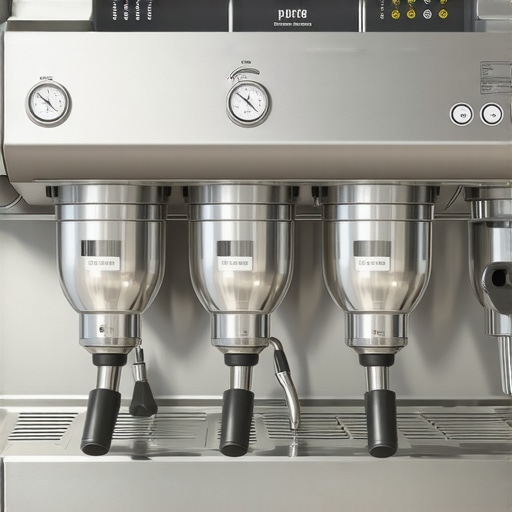
Many commercial machines have adjustable pressure valves. Check your machine’s manual and verify the pressure gauge readings. If the pressure is too low, carefully adjust the pressure valve to increase it. During my own adjustment, I used a small wrench to turn the valve clockwise, which improved extraction pressure. Be cautious—over-adjusting can damage components. Always perform gradual adjustments, test, and verify with a shot of espresso.
Assess Water Quality and Use the Right Filtration
Hard water leads to mineral buildup inside the boiler and piping. Test your water hardness using test strips or kits. Aim for a medium hardness level, as recommended by [this water hardness guide](https://espressotechguide.com/the-best-water-hardness-level-for-longevity-and-flavor). If your water is too hard, install a water softener or use filtered water. This reduces mineral deposits, prolongs your machine‘s lifespan, and ensures consistent pressure.
Verify Mechanical Parts and Replace Worn Gaskets
Mechanical wear can cause pressure leaks. Check gasket seals around the water inlet, group head, and steam wand. If you notice cracks, hardened rubber, or leaks, replace these parts promptly. I’ve seen pressure issues resolve just by replacing a worn gasket—simple yet effective. Refer to professional guides or contact [our support team](https://espressotechguide.com/contact-us) for help sourcing the right replacements.
Monitor and Maintain Regularly
Finally, implement a routine maintenance schedule—descaling monthly, cleaning weekly, and inspecting seals quarterly. Keep notes on pressure readings over time; fluctuations often point to developing issues. When I adopted this disciplined approach, my pressure stayed steady, and my espresso quality improved noticeably. Consistent upkeep ensures your machine performs reliably during those critical busy hours.
Applying these concrete steps will drastically reduce pressure drops and keep your espresso machine in top shape. For more detailed cleaning tips, explore this steam tip cleaning guide or check out this puck screen selection for even extraction. Consistent maintenance is key to professional-quality espresso every time.”}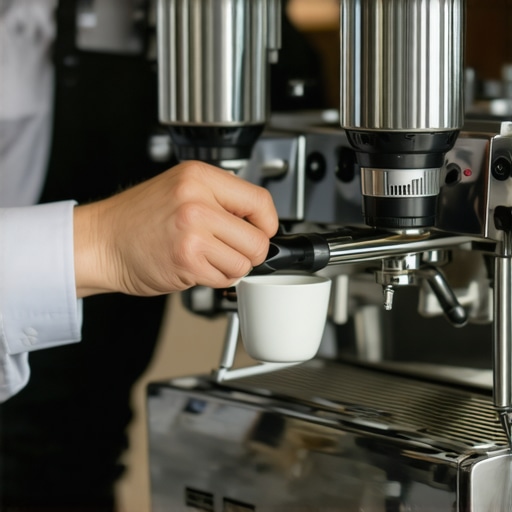 }Many home baristas and coffee lovers believe that selecting the latest milk frother or the most expensive espresso machine guarantees perfect results. However, this common misconception overlooks crucial nuances that can make or break your brewing experience. Let’s explore the deeper layers of understanding barista gear and why more expensive doesn’t always mean better for your specific needs.
First, there’s a widespread myth that robust, high-end equipment automatically yields superior espresso and microfoam. While professional-grade machines and tools have their merits, piecing together the right gear depends heavily on your skill level, the types of beans you use, and how well you understand your equipment’s quirks. For example, a top-tier espresso machine with an overly complex PID can be intimidating and may lead to inconsistent shots if not set correctly—so sometimes, simplicity offers a better learning curve.
Another often-overlooked aspect is the importance of compatibility and maintenance. An enthusiast might select a gorgeous, high-end grinder but neglect regular cleaning or proper calibration, resulting in subpar grind consistency. This mistake can diminish flavor and affect the machine’s longevity. Always remember that even the most advanced {link to=”https://espressotechguide.com/how-to-select-the-perfect-coffee-grinder-for-your-brew” text=”coffee grinder”} requires routine care.
Beware the trap of equating fancy features with necessity. Many advanced {link to=”https://espressotechguide.com/choosing-the-best-barista-gear-for-coffee-enthusiasts” text=”barista gear”} include bells and whistles like pressure profiling or programmable shots—tools that benefit trained baristas. However, as a home enthusiast, mastering fundamental techniques often yields more impressive results than dabbling in complex features you might not fully understand yet.
Now, you might ask: Is there a risk in DIY-fixing or modifying your gear based on online tutorials? Absolutely. My advice is, always verify the credibility of sources. For instance, incorrectly tampering with your espresso machine’s pressure stat can cause damage or inconsistent extraction. Instead, consult reputable guides or contact professionals—[our support team](https://espressotechguide.com/contact-us) is happy to assist.
Let’s talk about one subtle yet impactful point: the quality of your water. Many neglect this, wrongly assuming that premium equipment can compensate for poor water quality. Hard water leads to mineral buildup, which can impair flow rate and pressure stability. Regularly testing and treating your water with appropriate filters can extend your machine’s lifespan and improve shot consistency.
Finally, remember that gear alone doesn’t produce barista-level results—technique, timing, and understanding are equally vital. Investing in your skills will produce dividends far beyond what even the priciest setup can achieve if misused.
So, have you ever fallen into this trap? Let me know in the comments. Dive deeper into mastering {link to=”https://espressotechguide.com/mastering-the-art-of-home-espresso-tips-for-beginners” text=”home espresso”} and optimize your gear for excellence!Maintaining your coffee gear is both an art and a science, requiring precise tools and disciplined routines. As I discovered through years of brewing, using specialized tools like a high-quality tamper or a calibrated scale can drastically improve consistency. For example, I rely on a precision-calibrated espresso scale, as recommended in [this guide](https://espressotechguide.com/why-your-espresso-scale-lags-and-how-to-fix-flow-rate-timing), to dial in shot weights accurately. This small investment yields more repeatable extractions and reduces waste, making it a cornerstone of my daily routine.
Another essential piece of equipment I favor is a dedicated cleaning brush set designed for espresso machines and grinders. Regularly cleaning group heads, portafilters, and grinder burrs with these tools prevents buildup that can impair performance. For internal maintenance, I swear by a ultrasonic cleaner for descaling small parts — it’s a game-changer for removing stubborn mineral deposits that cause pressure fluctuations.
On the software side, I recommend tracking your maintenance schedule digitally using apps like Evernote or Notion. I keep detailed logs of descaling cycles, replacement dates for water filters, and grinder adjustments. This habit has helped me identify patterns, like when pressure inconsistencies tend to occur, so I can proactively address issues before they impact my brew.
Looking ahead, I predict that smart sensors embedded in espresso machines will become standard, offering real-time diagnostics and maintenance alerts. Companies are developing systems that monitor boiler temperature, pressure stability, and even grind freshness via connected apps—making high-level maintenance accessible without guesswork.
**How do I maintain my coffee gear over time to ensure consistent results?**
To keep your gear performing at its best, establish a routine: descaling your machine monthly using high-quality descaling solutions, cleaning grinder burrs weekly, and inspecting seals and gaskets quarterly. For example, replacing worn group head gaskets before leaks develop is critical; I do this proactively based on visual inspections and pressure tests. Remember, neglecting small issues today can lead to costly repairs or degraded taste tomorrow.
If you’re ready to elevate your maintenance game, I recommend trying an ultrasonic cleaner for your grinder burrs. Not only does it extend the lifespan of your equipment, but it also preserves the purity of your coffee flavors. Consistency is key—investing in the right tools and habits now will pay off in cup quality over the long haul. For more tips on advanced maintenance routines, reach out through our contact page.
Lessons Only Experience Can Teach
One of the toughest revelations I had was realizing that even the most expensive equipment won’t fix poor technique. I once thought upgrading my espresso machine alone would elevate my brews, but I neglected the importance of consistent tamping and grind size. That lightbulb moment taught me that technical mastery is more vital than the gear itself. Additionally, I discovered that water quality dramatically influences pressure stability and shot flavor—something I used to overlook, causing frequent pressure drops and bitter espresso. Lastly, I learned that routine, proactive maintenance—like regular descaling and gasket checks—prevents pressure issues from sneaking up on you, saving time and preserving equipment longevity.