Why Your Espresso Scale Is Giving Inconsistent Readings
Ever had that frustrating moment during your morning espresso ritual when your scale suddenly zaps your confidence with inconsistent readings? One day, you’re dialed in perfectly; the next, your shots are all over the place. I’ve been there, staring at my scale, wondering if it was playing a cruel joke on me. That lightbulb moment hit me hard—turns out, my trusty scale wasn’t the problem—it was still functioning, but it wasn’t calibrated or maintained properly. And honestly, I bet you’ve faced the same at some point.
Getting to the Root of Scale Inconsistencies in Your Home Brew
A reliable scale is the backbone of any serious home barista setup. Without accurate measurements, you’re basically shooting in the dark, risking over-extraction or under-extraction, which directly affects flavor. But here’s the thing—scales can be tricky. They might seem straightforward, yet they’re susceptible to a host of issues that can cause those pesky fluctuating readings. And the worst part? Many coffee enthusiasts commit simple mistakes early on that sabotage their results.
Factors like uneven placement, electromagnetic interference, or even simple dirt build-up can throw off your readings. For example, I once thought my scale was malfunctioning because my shots were inconsistent, but it was actually due to a tiny crumb of coffee on the sensor causing false readings. Regularly cleaning your scale and ensuring it’s on a stable, flat surface can markedly improve accuracy.
Now, here’s where it gets even more interesting—did you know that many scales used for brewing don’t have the precision needed for espresso? Some inexpensive models can fluctuate by several grams without you noticing. Investing in a high-quality, espresso-grade scale can be a game-changer. It’s worth taking a look at options recommended by seasoned baristas, like those you can find reviewed on [Espresso Tech Guide](https://espressotechguide.com/top-rated-espresso-machines-for-coffee-lovers-in-2025).
Before we jump into the practical fixes, I want to ask—have you experienced sudden spikes or drops in your scale readings right in the middle of a shot? It’s more common than you think, and the good news is, it’s often fixable. Let’s explore how you can troubleshoot and maintain your scale for consistent, dependable readings every single time.
Ensure Your Scale Sits Perfectly
Start by placing your scale on a flat, stable surface like a granite countertop. Use a spirit level or a smartphone app to verify it’s perfectly horizontal, preventing tilt errors that skew your readings. I once set mine on a wobbly wooden table; the fluctuating measurements threw off my shot until I stabilized the base. When I finally leveled it, consistency improved dramatically.
Clean and Inspect Regularly
Wipe your scale’s surface and sensor with a soft, damp cloth free of chemicals—dirt or coffee residue on the sensor can cause inaccurate readings. Periodic inspection for any visible damage or loose parts ensures your device remains reliable. Remember, build-up like coffee grounds on the sensor is often the sneaky culprit behind false fluctuations.
Calibrate to Your Environment
Many scales have calibration modes—consult your user manual to set accurate zero points or perform factory resets when needed. I calibrated mine after a move to a new kitchen; the slight shift in environment helped me dial in precise measurements. Calibrating regularly prevents drift, especially if you notice sudden changes in readings.
Use Proper Taring Technique
Always tare your scale before weighing—place your container, hit zero, then add your coffee dose. This ensures only the coffee weight influences your measurement. During a busy morning, I once forgot to tare, resulting in over-quantifying my beans and over-extracting. Developing a habit of taring reinforces consistency.
Invest in a High-Precision Scale
Consider upgrading to a scale with at least 0.1g resolution designed for espresso. These scales, like those reviewed on top-rated espresso machines, eliminate common inaccuracies. I chose a model with auto-off features and stable readings, which dramatically improved my shot-to-shot consistency. For more guidance, explore how to choose the perfect grinder.
Limit External Interference
Keep your scale away from electromagnetic sources like phones, routers, or mixers. Place it at least a few inches from such devices, and avoid placing metal objects nearby that can cause magnetic interference. I noticed a drop in accuracy whenever I kept my phone near the scale, which motivated me to dedicate a specific spot for it away from electronic gadgets.
Consistency Is Key
Develop a routine: always set your scale first, then prepare your beans and equipment. Consistent habits train your muscle memory and sensor expectations, leading to more predictable results. I once experimented with different positions and found that measuring on the same spot each time yielded the most reliable readings.
Many coffee enthusiasts assume that upgrading to a high-end espresso machine automatically guarantees perfect shots, but this isn’t true. In fact, one of the most overlooked aspects is the burr configuration within your grinder. Contrary to popular belief, more expensive grinders don’t always produce better results if the burrs aren’t properly shimmed and aligned. Proper burr alignment ensures uniform particle size distribution, leading to consistent extraction. For advanced baristas, mastering burr calibration and shimming can significantly elevate your espresso game. Have you ever fallen into this trap? Let me know in the comments.
Are All Bean Grinders Truly Equal in Particle Uniformity?
It’s a common myth that all grinders treat beans equally, but in reality, design differences greatly impact grind consistency. Flat burr grinders tend to produce more uniform particles than conical burrs, which can introduce uneven sizes, especially if the burrs are misaligned or worn out. The secret lies in choosing a grinder with precise burr geometry and maintaining it regularly—something often overlooked by home users. Regular maintenance, including cleaning and adjusting burr tightness, can prevent micro-unevenness that leads to inconsistent shot quality. To learn more about selecting the right grinder, review the comprehensive guide on how to choose the perfect coffee grinder for your brew.
Maintaining your coffee gear is just as crucial as choosing the right equipment initially. High-quality tools and consistent care ensure long-term performance and help you scale your home espresso setup with confidence. Personally, I swear by my calibrated digital scale, which I use daily—not just for dosing but also for monitoring shot consistency over months. Investing in the right tools means fewer breakdowns, more reliable results, and ultimately, better coffee every morning.
Why Proper Maintenance Extends Your Equipment’s Lifespan
When you treat your devices with care—regular cleaning, calibration, and timely part replacements—they’ll reward you with consistent shots and fewer surprises. For example, a well-maintained steam wand produces silky microfoam without the hassle of clogging or inconsistent pressure. Over time, neglecting the upkeep can lead to costly repairs or reduced machine lifespan, which is why I recommend setting a simple weekly cleaning routine aligned with the manufacturer’s guidelines.
Tools That Make Home Barista Life Easier
My top recommendation is a grinder chute cleaning brush. This small tool, though often overlooked, helps remove stubborn coffee grounds that cause uneven grind size and static buildup. I use it every month to keep my grinder performing at its peak. Additionally, a good milk pitcher not only ensures perfect pour control but also reduces waste—a small but impactful upgrade for dedicated home baristas.
Long-Term Outcomes of Consistent Equipment Care
Over months of diligent maintenance, I noticed my espresso shots became noticeably steadier, and my milk microfoam improved in smoothness. Saving time on troubleshooting means more time perfecting latte art or experimenting with new beans. According to industry professionals, routine checks like inspecting the group gasket and adjusting burr alignment can boost your machine’s lifespan by years. That’s an investment in both your craft and your wallet.
Scaling Up Your Equipment Responsibly
If you’re thinking of expanding, choose gear with proven reliability and user-friendly maintenance. For example, upgrading to a top-rated espresso machine ensures fewer breakdowns and better support. Regular calibration of your grinder and routine descaling of your machine will facilitate this growth without sacrificing quality.
How do I keep my barista tools in top shape over time?
Develop a simple but effective routine—weekly cleaning of your burrs, monthly inspection of seals, and annual replacement of worn-out components. Using dedicated brushes, cleaning solutions, and proper storage can prevent dirt and corrosion, saving you money and ensuring consistent results. For example, I always store my tools in a dedicated caddy with silica gel packs to prevent rust and moisture buildup.
In the future, I predict that automation in maintenance—like self-cleaning steam wands or smart calibration sensors—will become standard, further simplifying the home barista’s routine. But until then, a disciplined approach to tools and upkeep will keep your setup running smoothly and your coffee tasting exceptional.
If you’re ready to take your maintenance routine up a notch, try incorporating a comprehensive descaling process or upgrade to a high-precision precision grinder with proper burr alignment. Small improvements here make a world of difference in your espresso results—so why not start today? 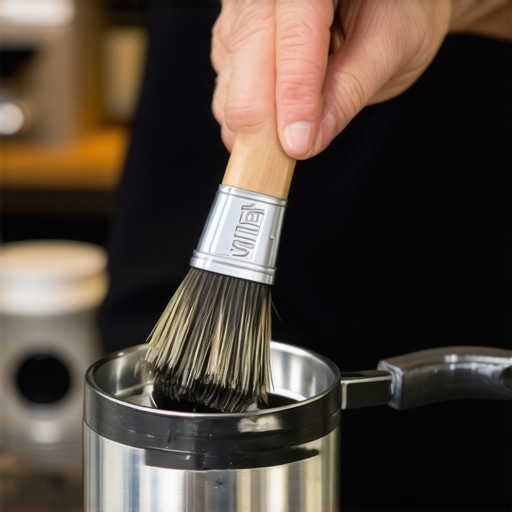
The Hardest Lesson I Learned About coffee grinders,home espresso,milk frothers,espresso machines,barista gear
One of the most eye-opening realizations in my journey was that even the fanciest equipment won’t save you if you overlook the basics. I used to believe that upgrading my espresso machine would instantly improve my shots, but I soon discovered that tools need to be maintained properly. Regular cleaning and calibration of my grinder, for example, made a world of difference, revealing subtle flavor nuances I had missed before.
3 Myths About coffee grinders,home espresso,milk frothers,espresso machines,barista gear That Held Me Back
Myth one: Expensive gear guarantees perfect results. Reality: Without proper maintenance, even high-end equipment can underperform. Myth two: Higher grind fineness always equals better extraction. Reality: Overly fine grinds can clog filters; consistency is key. Myth three: Milk frothers are all the same. Reality: Quality varies greatly, impacting foam texture and stability. Breaking these myths helped me focus on what truly matters—routine care and understanding each tool’s capabilities.
What Experts Won’t Tell You About coffee grinders,home espresso,milk frothers,espresso machines,barista gear
Often, the secret lies in nuanced details—like shimming your burrs for uniform particle size or regularly inspecting seals and gaskets. Many experts emphasize that consistent routine maintenance and learning your equipment’s quirks outperform shortcuts or flashy upgrades. For example, mastering your grinder’s burr alignment using simple guides can significantly improve shot consistency without extra expense. Embracing these less-glamorous but vital practices is what elevates your home barista game.
Curated Recommendations for Serious Coffee Enthusiasts
For precision and ease, I recommend investing in a scale with 0.1g resolution—it’s fundamentally crucial for consistent dosing. My personal choice is the [Espresso Tech Guide](https://espressotechguide.com/top-rated-espresso-machines-for-coffee-lovers-in-2025), which offers in-depth reviews on top-rated machines that combine build quality with user-friendly maintenance. Additionally, a quality milk pitcher, like the ones reviewed at [Barista Gear](https://espressotechguide.com/choosing-the-best-barista-gear-for-coffee-enthusiasts), helps in achieving that silky microfoam every time. Don’t forget the importance of tools like a grinder chute cleaning brush to keep static and grounds buildup at bay. These resources have consistently helped me refine my craft and make informed purchases.
Your Next Step in Coffee Mastery
The path to exceptional coffee doesn’t have to be complicated. Small, intentional steps—like calibrating your scale regularly or inspecting your burrs—can lead to remarkable improvements. Remember, the journey is as rewarding as the perfect shot; every tweak and routine you establish now pays off in richer flavors and better mornings. I challenge you to select one area for improvement today, whether it’s cleaning or calibration, and commit to it. Share your progress in the comments below, and let’s grow together as home baristas.