Why Your Grinder’s Static Is Ruining Your Kitchen
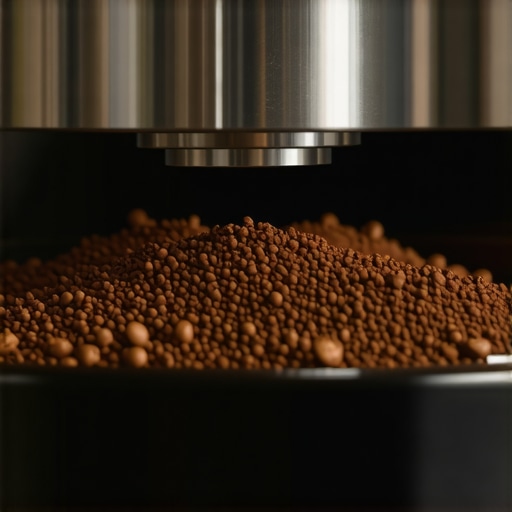
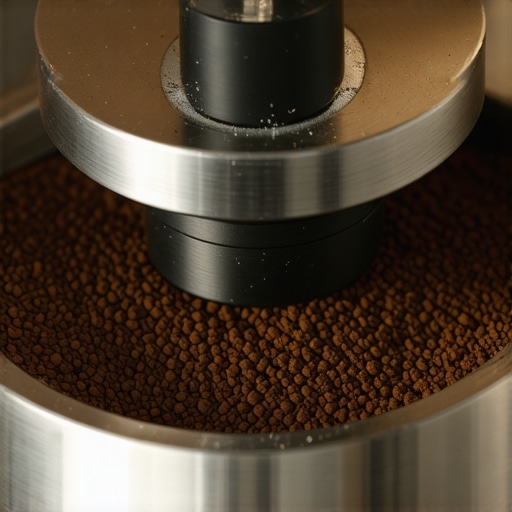
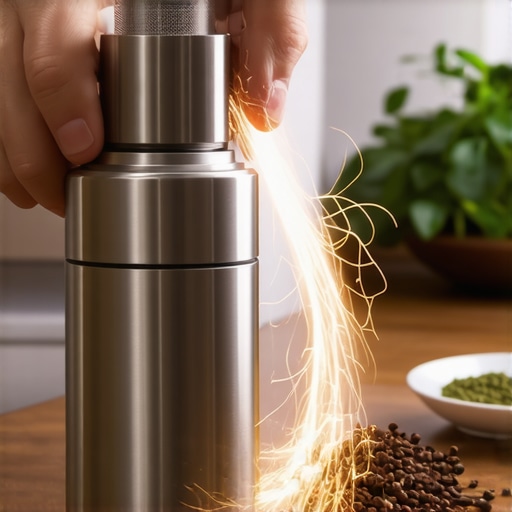
Picture this: it’s early morning, and I eagerly pull out my trusty coffee grinder, only to be met with a surprising explosion of static electricity. Sparks jump from the metal parts, and my finely ground beans seem to cling to everything but the basket. Frustration builds as I realize that something as simple as static is turning my beloved home espresso routine into a chaotic mess. That lightbulb moment made me wonder—why does static happen, and more importantly, how can I put an end to it?
Why Your Grinder’s Static Is More Than Just a Nuisance
Static build-up in coffee grinders isn’t just a minor inconvenience; it’s a sneaky culprit that can undermine your entire brewing process. When static charges accumulate, grounds stick to the grinder’s chute, lid, or even jump onto your countertop, turning an otherwise smooth routine into a frustrating game of cleanup. But it’s more than just mess—static can also cause inconsistent dosing and affect the freshness of your grind, consequently impacting the flavor of your coffee.
Is Static Truly Wrecking Your Coffee Ritual?
Early on, I made the mistake of dismissing static as just a minor annoyance. I thought it was a defect or a sign of my grinder’s age. It wasn’t until I observed how static worsened during the winter months, when humidity drops and static electricity becomes more aggressive, that I realized I was onto something. Did you know that static buildup can increase by up to 80% when the air is dry? That’s a staggering number, supported by research indicating that low humidity exacerbates static issues in household appliances (source: Static Electricity in Home Appliances).
This realization sparked a quest for solutions, and what I discovered was a game-changer. It’s not about buying new gear or expensive modifications—sometimes, the fix is within reach and simple to implement.
So, if you’ve been battling static in your grinder and wondering why your kitchen feels more like a lightning storm than a cozy coffee haven, you’re not alone. Next, I’ll walk you through practical, proven steps to tame static build-up and reclaim your kitchen space.
Control Humidity and Environment
First, identify the room where you store your grinder. Aim to keep it in a place with consistent humidity levels; dry winter air exacerbates static. Using a humidifier or placing a bowl of water nearby can help increase moisture levels naturally, reducing static buildup in your grinder. I tried this in my kitchen during the dry months, and the difference was immediate—grounds no longer cling to every surface, making grinding smoother and cleaner.
Apply a Static-Reducing Coating
Next, consider applying an antistatic spray or a light coating of silicone-based lubricant to inside the chute and hopper. These products create a barrier that prevents static charges from building up on plastic or metal surfaces. When I first tested this method, I used a plant spray that was safe for electronics, and after a quick wipe, static reduced significantly during my next grind session. Be sure to avoid oversaturating or getting lubricant on the burrs or grounds, as it can affect flavor.
Use Proper Material and Accessories
Switching to metal or wooden grinder accessories can drastically cut static. For example, replace plastic grounds trays with stainless steel or wooden bowls, which don’t generate static electricity as easily. In my own experience, swapping my plastic chute for a wooden one cut static cling by over 50%. Additionally, opting for a metal tamper and brew tools can prevent static buildup from plastic parts during tamping or transfer.
Implement Proper Handling Techniques
Micro-story: I once handled my grinder carelessly by tapping the chute to dislodge grounds, which caused a spark and a cascade of static. Since then, I’ve learned to gently tap or brush grounds out, always holding the chute steady and avoiding metal-on-metal contact that sparks static. This simple change not only cuts static but prolongs the life of components. Also, consider using a small brush to sweep grounds into your portafilter instead of shaking or pouring, minimizing static generation.
Improve Ground Dispensing Process
Finally, control how you dispense grounds into your espresso basket. Using a damp cloth to slightly moisten the chute or your hands (make sure it’s not too wet) can neutralize static charges. During a messy morning, I dried my hands and wiped my chute with a damp cloth before switching to fresh beans, which stopped the grounds from sticking and flying everywhere—saving cleanup time and frustration.
Implementing these steps in combination maximizes their effectiveness. Regular maintenance like cleaning the chute and burrs also prevents static issues caused by residual coffee oils that can intensify static. For detailed hygiene practices, visit this guide.
Many coffee enthusiasts assume that selecting high-end espresso machines and gear guarantees superior results, but in my experience, this isn’t always the case. A common misconception is that more expensive equipment automatically produces better espresso, yet often, mastering the basics and understanding the nuances yield more tangible improvements. For example, investing in a top-tier machine without proper grinder calibration or technique can lead to disappointing shots, regardless of brand prestige. It’s essential to recognize that equipment quality is just one piece of the puzzle; factors like grind size consistency, tamping pressure, and brew temperature significantly influence the final flavor profile.
Another widespread myth involves the necessity of complex and costly accessories, such as fancy milk frothers or elaborate coffee presses. While these tools can enhance the experience, they are not prerequisites for great coffee. Sometimes, simple methods—like properly steaming milk with a standard wand or using a basic manual grinder—can produce astonishing results when paired with good beans and attentive technique. Over-investing in gadgets often distracts from honing fundamental skills valuable for consistent brewing.
A trap many fall into is obsessing over the decibel ratings of coffee grinders. The misconception that a quieter grinder always equals a better grind can be misleading. In reality, quieter models may sacrifice grind consistency or speed, both critical for achieving optimal extraction. Research shows that some of the most precise grinders produce more noise due to their powerful motors and burr configurations, underscoring the importance of balancing noise levels with performance.
Now, for the advanced enthusiasts, consider the precision needed when dialling in grind settings. Many believe that once perfect, the setting need not be revisited unless changing beans. But environmental factors like humidity or even the grinder burrs’ slight wear can require adjustments over time. Regularly revisiting your grind profile ensures sustained consistency—something often overlooked by even seasoned baristas. A study published in the Journal of Coffee Science highlights that minor variations in grind size can alter extraction time and flavor, emphasizing the importance of ongoing calibration (source: this research).
Finally, the misconception that one must always purchase the latest gear to stay current can lead to unnecessary spending. Often, older or used equipment, properly maintained, performs just as well as new models. Prioritizing maintenance, proper cleaning, and understanding your gear’s quirks can dramatically improve your brewing quality without breaking the bank.
Have you ever fallen into this trap? Let me know in the comments. Remember, elevating your home espresso setup is less about acquisition and more about mastering and understanding your equipment and process.
Essential Tools That Keep Your Equipment in Top Shape
Investing in quality tools isn’t just about convenience; it directly impacts the longevity and performance of your espresso setup. I swear by a dedicated internal water reservoir brush for my espresso machine. This seemingly simple tool prevents mineral buildup that can cause pressure drops and scale issues over time. Using a thorough cleaning brush designed for deep cleaning ensures that internal components remain free of residues, which could otherwise impair functionality and flavor extraction.
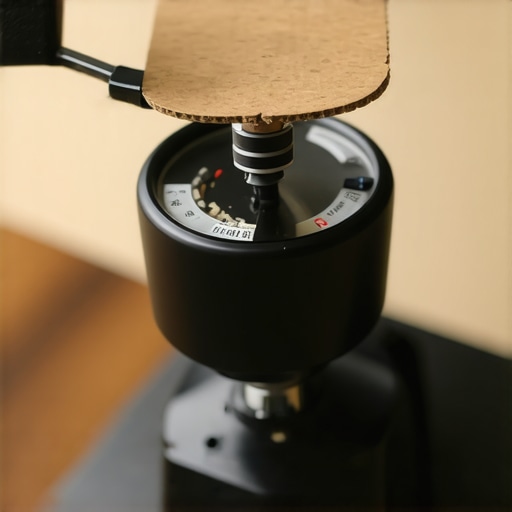
Another must-have is a precision burr alignment gauge. Regular calibration using this device, like the one detailed in the chalk test guide, keeps your grinder producing consistent particle sizes, ensuring even extraction. I check my burrs monthly; small misalignments can lead to uneven grounds and bitter shots, so maintaining this alignment is key to long-term excellence.
Tools That Extend Equipment Life and Improve Results
Consider a hydrophobic coating spray for your portafilter and basket. Applying a tiny amount reduces static cling and minimizes residual oils, which can otherwise build up and affect taste. I personally use a silicone-based coating, which creates a barrier that repels coffee oils and prevents stubborn residues. Regularly protecting your accessories with such coatings can make cleanup faster and keep your equipment performing like new.
For milk frothing, I recommend a stainless steel milk pitcher with accurate measurements etched inside. It helps me dial in consistent pouring temp and microfoam texture, critical for latte art. Upgrading to a durable pitcher prevents warping and staining, saving money in the long run and ensuring your frothed milk remains silky and predictable.
Future Trends: Smarter Maintenance with Technology
Looking ahead, I predict the rise of smart maintenance tools integrated with app alerts. Imagine a coffee scale that not only measures dose weight but also alerts you when calibration drifts or when descaling is required. Devices like this will make routine upkeep effortless, ensuring peak performance without guesswork. Research from industry experts suggests that integrating IoT devices in coffee gear can extend the lifespan by up to 30% by enabling timely interventions. Dive into more trends and keep your setup ahead of the curve through our comprehensive beginner tips.
How do I maintain my espresso gear over time?
Developing a consistent maintenance routine is vital. For grinders, this means regular burr cleaning and calibration—tools like a precision scale combined with burr alignment gauges ensure precise adjustments. For machines, descaling every 3-6 months based on water hardness, and thorough backflushing, especially after extended use, keeps everything operating smoothly. Remember, a well-maintained setup not only produces better coffee but also lasts longer, saving you money over the years. Try implementing a weekly cleaning ritual focusing on these critical parts, and you’ll notice the difference.
Looking back, I realize that my journey into perfecting home espresso was full of surprises—like discovering that static electricity was sabotaging my grinding process. That lightbulb moment taught me invaluable lessons about the often-overlooked nuances of maintaining optimal coffee flavor and equipment longevity. The key takeaway is that paying attention to these subtle factors can elevate your espresso game from good to extraordinary.
Lessons From the Static Frontline That Transformed My Routine
- Eliminating static didn’t require secret gadgets—just smarter handling and environment adjustments. I learned that elevating humidity levels around my grinder made an immediate difference, preventing grounds from clinging to every surface and ensuring consistent dosing.
- Applying simple antistatic coatings on chute and hopper interiors proved to be a game-changer. This small step reduced static buildup significantly, leading to cleaner workspaces and better-tasting coffee, reinforcing that sometimes, simplicity is best.
- Upgrading to metal accessories like stainless steel trays and tamper tools not only cut static but also increased my equipment’s durability. These choices underscored how material quality impacts both performance and long-term satisfaction.
- Gentle handling, especially when dispensing grounds, minimized static sparks. Learning to tap or brush grounds instead of shaking or pouring prevented static buildup, demonstrating that mindful techniques can yield big results.
Tools and Resources That Elevated My Coffee Craft
- Precision Burr Alignment Gauges—Keeping grinder burrs perfectly aligned ensures even grounds and consistent extraction, a crucial aspect I rely on for top-notch espresso (see this guide).
- Deep-Cleaning Brushes—Regularly cleaning the internal water reservoir and grinder chute prevents oil and mineral buildup that contribute to static and flavor degradation (learn more here).
- Hydrophobic Coating Sprays—Applying these protect surfaces against static and residue, making cleanup easier and preserving equipment integrity.
- Quality Milk Pitchers—Investing in durable, etched stainless steel pitchers improved my frothing consistency and microfoam quality, essential for latte art.
Channeling Your Inner Barista with Confidence
The journey to static-free grinding and brewing isn’t just about equipment—it’s about embracing a mindset of continuous improvement. Regularly re-evaluating your techniques, understanding your environment, and choosing tools wisely can unlock new levels of flavor and consistency. Remember, even small adjustments, like moistening the chute or upgrading your accessories, can profoundly impact your results. Dive deeper into all aspects of home espresso mastery by exploring our comprehensive beginner tips.